 Board Game Cafe Near Me: Kendall's GameZilla Skips The Menu
Back To School
Miami Book Clubs for Newcomers: Bilingual Reads and Cafecito
Literary groups meet over cortaditos in Buena Vista, switching languages mid-sentence and pausing for afternoon storms.
A book club meeting in Miami rarely stays in one language for long. Someone quotes a Junot Díaz line in English, another member responds with the Spanish phrase that captures the sentiment better, and the conversation moves forward in both. This isn't code-switching as performance—it's how many longtime residents and recent arrivals actually think about books. The city's bilingual texture shows up most naturally in its book clubs, where members bring novels from Santo Domingo, Bogotá, and Brooklyn to the same table, and nobody needs to apologize for checking a translation app mid-discussion.
Text Karpo for the current meeting schedule of bilingual book clubs near you, plus backup indoor cafés if rain cuts your outdoor plan short.
Why reading together works differently in Miami
Book clubs here also work around weather patterns that don't exist in other cities. Groups that meet outdoors—under the ficus trees at Bayfront Park or on the covered benches at Margaret Pace Park—plan for the afternoon storm that rolls through between three and five. Members know to bring books in zippered bags and to watch the western sky. Indoor clubs, especially those anchored to cafés in Buena Vista and Little Havana, time meetings for the late morning or early evening when parking near NE Second Avenue isn't a scavenger hunt and the heat hasn't turned every car into a convection oven.
The Back To School season brings a wave of new members, many of them recent transplants looking for structure after a summer of adjusting to a new city. September book clubs fill with people who've just moved for work or school and want a recurring calendar anchor that isn't a networking mixer. These groups tend to lean on bilingual reads—novels originally written in Spanish with strong English translations, or English-language books that grapple with immigration, language, and place in ways that resonate here.
Where to plug into the bilingual reading scene
Books & Books in Coral Gables hosts one of the longest-running book clubs miami bilingual reads circles, meeting monthly in the courtyard when weather allows. The group skews toward literary fiction and memoir, with recent picks including work by Valeria Luiselli and Edwidge Danticat. Members tend to arrive early for the cafecito sold at the café counter—cortaditos and pastelitos are the pre-discussion fuel. Parking on Aragon Avenue fills quickly before meetings; the garage two blocks east on Salzedo often has space, but confirm the evening rate before you leave your car.
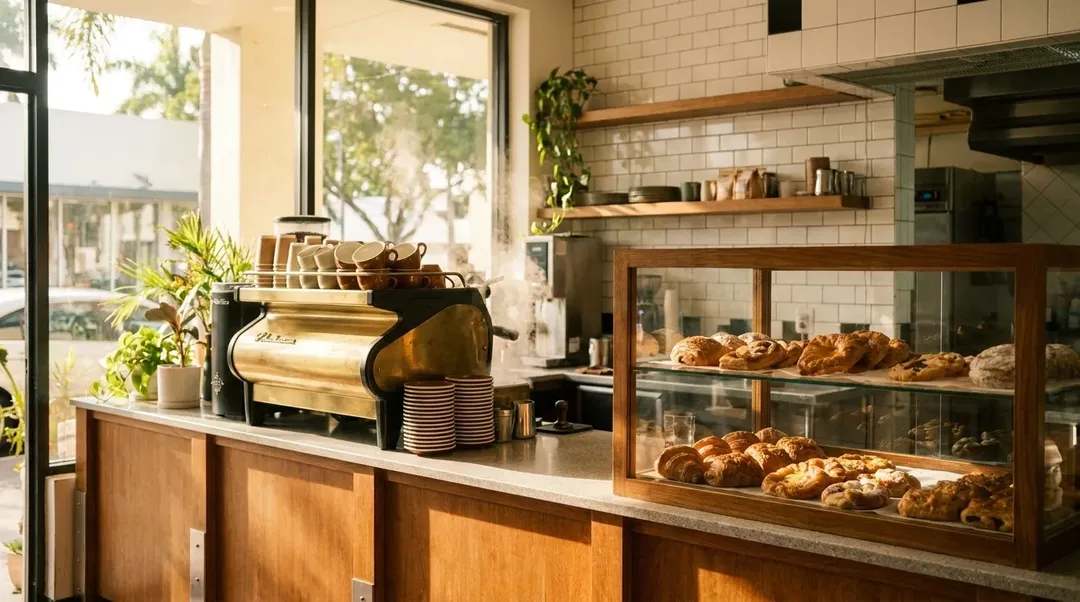
The independent café scene in Buena Vista has become a natural home for informal book clubs miami cafecito gatherings. Panther Coffee on NE Second Avenue sees regular Tuesday-morning groups that aren't formally organized but show up with the same titles week after week. The long communal table near the window works for groups of four to six; larger clusters move to the back patio when it's not raining. The café doesn't take reservations for tables, so early arrival—before nine—gives you the best shot at space. Street parking on the residential blocks just west of the café is easier than the metered spots on Second Avenue itself.
Miami Dade Public Library branches run free, library-staff-facilitated book clubs that change titles every six to eight weeks. The Little Havana branch on West Flagler Street runs a Spanish-language club and a separate bilingual group; the Model City branch offers another bilingual option that draws members from Liberty City, Brownsville, and beyond. These are good entry points for newcomers who want structure without the pressure of keeping pace with a faster-reading private group. Check the library system's online calendar for current meeting dates—branches sometimes shift schedules around county holidays and summer reading programs.
What the middle months look like
Most book clubs in Miami read one title per month, with discussions running sixty to ninety minutes. Bilingual groups often pick books that exist in both Spanish and English editions, so members can read in their stronger language and still follow the conversation. Recent popular picks include anything by Cristina García, Julia Alvarez, and Esmeralda Santiago—writers whose work moves between languages and geographies in ways that mirror the city itself. Some clubs alternate months: one month a book originally in Spanish, the next in English.
The rhythm of showing up matters more than finishing every page. Regular members say the first two or three meetings feel tentative—you're learning who talks a lot, who listens, who always brings good snacks. By month four, the group has its own texture. Someone always forgets their book but remembers every plot point. Someone else prints discussion questions from a reading guide but never needs them. The cafecito becomes a ritual: who takes it with sugar, who drinks it black, who orders a café con leche instead.
September through November is prime recruitment season. Groups that lost members over the summer—people moving away, schedules shifting—post openings on neighborhood Facebook groups, Nextdoor, and the bulletin boards at independent bookstores. If you're searching for book clubs during Back To School weeks, you'll find the most options and the most welcoming onboarding. Many groups also refresh their reading lists in September, so you won't be joining mid-series or after six months of inside jokes.
When timing or logistics fall apart
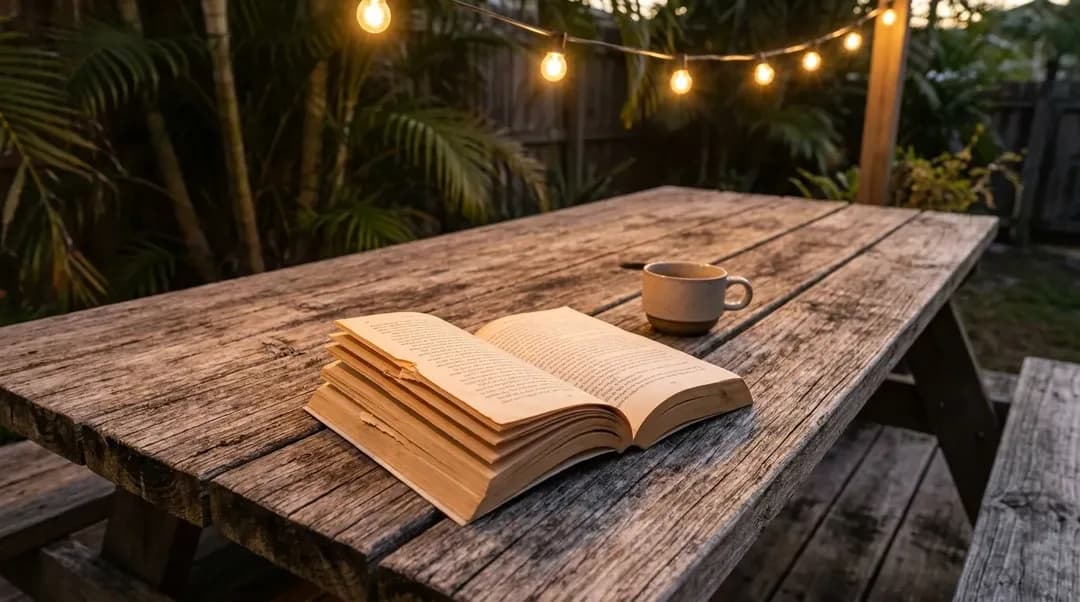
Afternoon storms will cancel or delay outdoor meetings with no advance notice. Groups that gather at Margaret Pace Park or under the Brickell Avenue banyan trees usually have a backup plan—a nearby café or a member's apartment—but first-time attendees don't always get the group text in time. If you're headed to an outdoor book club and the sky goes gray before you leave, text the organizer or check the group chat. Most clubs shift to a covered location rather than reschedule, but you need to know where.
Parking near popular café meeting spots turns difficult after four p.m. in neighborhoods like Buena Vista, Wynwood, and parts of Coral Gables. If street parking looks full, the public lot behind the Shops at Midtown Miami (near NE 36th Street and North Miami Avenue) offers a walk to several café book club locations, though the evening rate applies after six. Rideshare pickup can take fifteen minutes longer than the app estimates during evening rush; if you're coming from across the causeway or down from Aventura, add buffer time for bridge openings and traffic on I-95.
If a group you wanted to try isn't currently accepting new members, ask if they know of another forming. Miami's book club scene is loosely networked—members often belong to two groups or know someone starting a third. The independent bookstores (Books & Books, Bookleggers in Little Haiti, The Book Bums pop-up events) keep informal lists of reading groups looking for people; calling or visiting in person gets better information than email.
What to confirm the day you go
Check the meeting location's hours and any posted parking restrictions the morning of your first session. Cafés sometimes close early for private events, and metered street parking rules shift on certain county holidays. If the book club meets at a library branch, confirm the branch is open—occasional maintenance closures happen with short notice, and the online calendar isn't always updated same-day.
Bring cash for your cafecito and a pastry if the meeting is at a small café. Some Buena Vista and Little Havana spots are card-only now, but others still run cash-preferred, especially for small orders under five dollars. A notebook and pen are standard; most people mark up their books or keep a reading journal, and discussions often reference page numbers or specific passages. If you're reading a bilingual edition, note which language you're working from—it helps when someone wants to compare a translated phrase.
Weather moves fast here. If you're planning to arrive thirty minutes early to claim a table or settle in, check the radar before you leave. The National Weather Service Miami forecast updates hourly, and local TV station apps (WPLG, WSVN) push storm alerts that are usually accurate within a fifteen-minute window. Most book clubs wrap up before eight p.m., but if you're staying for post-discussion drinks or a second round of conversation, the evening rain often clears by seven, leaving cooler air and empty outdoor tables.
Practical notes
- Library book clubs are free; café-based groups expect you to buy a drink or snack to hold the table.
- Afternoon outdoor meetings are vulnerable to sudden rain between 3-5 p.m.; always confirm a backup indoor location.
- Parking in Buena Vista and Coral Gables fills quickly after 4 p.m.; arrive early or use the Midtown Miami public lot.
- Bilingual groups read in both Spanish and English—confirm which edition the group is using before buying your copy.
- Most clubs choose books 4-6 weeks in advance; check the title list before committing so you have time to source it.
- Causeway traffic and bridge openings add 15-20 minutes to evening commutes from Miami Beach or North Miami.
Tags: #karpo #miamibooks #bookclubsmiami #bilingualreads #buenavista #cafecito #backtoschoolmiami #littlehavana #coralgables #miamireaders #spanishbooks #newcomersmiami #miamilife #readinglist #bookstagram
Sources consulted: Miami Dade Public Library Events · Books & Books Event Calendar
All trademarks are the property of their respective owners.
Ask Karpo first
Text Karpo the morning of your meeting to confirm the café or library branch is open and get a live route that accounts for causeway traffic or afternoon storms. Karpo can also check if the book you need is in stock at nearby bookstores or available for hold at your closest library branch, so you're not scrambling the night before.
Ask Karpo for more information.
Keep reading
- Board Game Cafe Near Me: Kendall's GameZilla Skips The Menu
 Matcha Cafe Near Me: Coral Gables' Coffee-First Alternative
 Vintage Clothing Stores Near Me: MiMo's Designer Consignment Fixture