Mediterranean is a word that hides more than it reveals, and in Miami it hides three distinct things: an Israeli restaurant culture that arrived with a large community and expanded fast, a Lebanese and Turkish presence concentrated in specific northern neighbourhoods, and a hotel-restaurant version of the cuisine sold at Beach prices. Searching mediterranean food here without knowing which of those you have found is how people end up paying forty dollars for hummus they did not enjoy.
Three different traditions and one word covering all of them. Ask Karpo which of these rooms is near you and what it is actually cooking.
The Israeli wave
The most visible strand of Mediterranean food in Miami over the last few years has been Israeli, and Motek is the clearest example — a group of bright, casual rooms doing hummus, salatim, shakshuka and grilled plates across several neighbourhoods, priced to be a regular lunch rather than an occasion. It is the version of this food most Miamians actually eat, and the standard is consistent enough that the location matters less than usual.
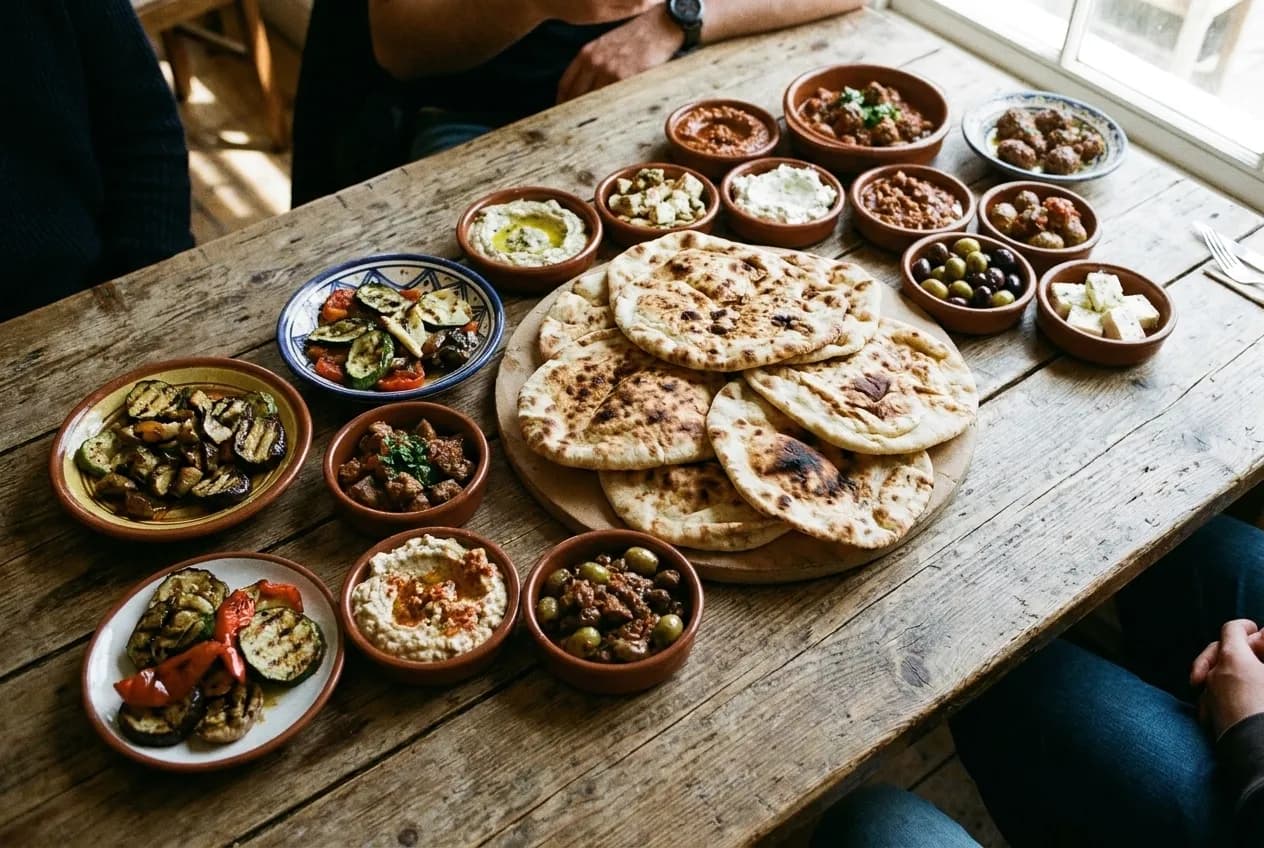
What defines this style is that the vegetables carry as much weight as the protein. A table of salatim — the small vegetable plates that arrive at the start — plus bread and one grilled thing is the correct order rather than a starter and a main each. Ordering this food the way you would order Italian is the most common way to end up with too much meat and no idea why the meal felt heavy.
The Beach and the hotel rooms
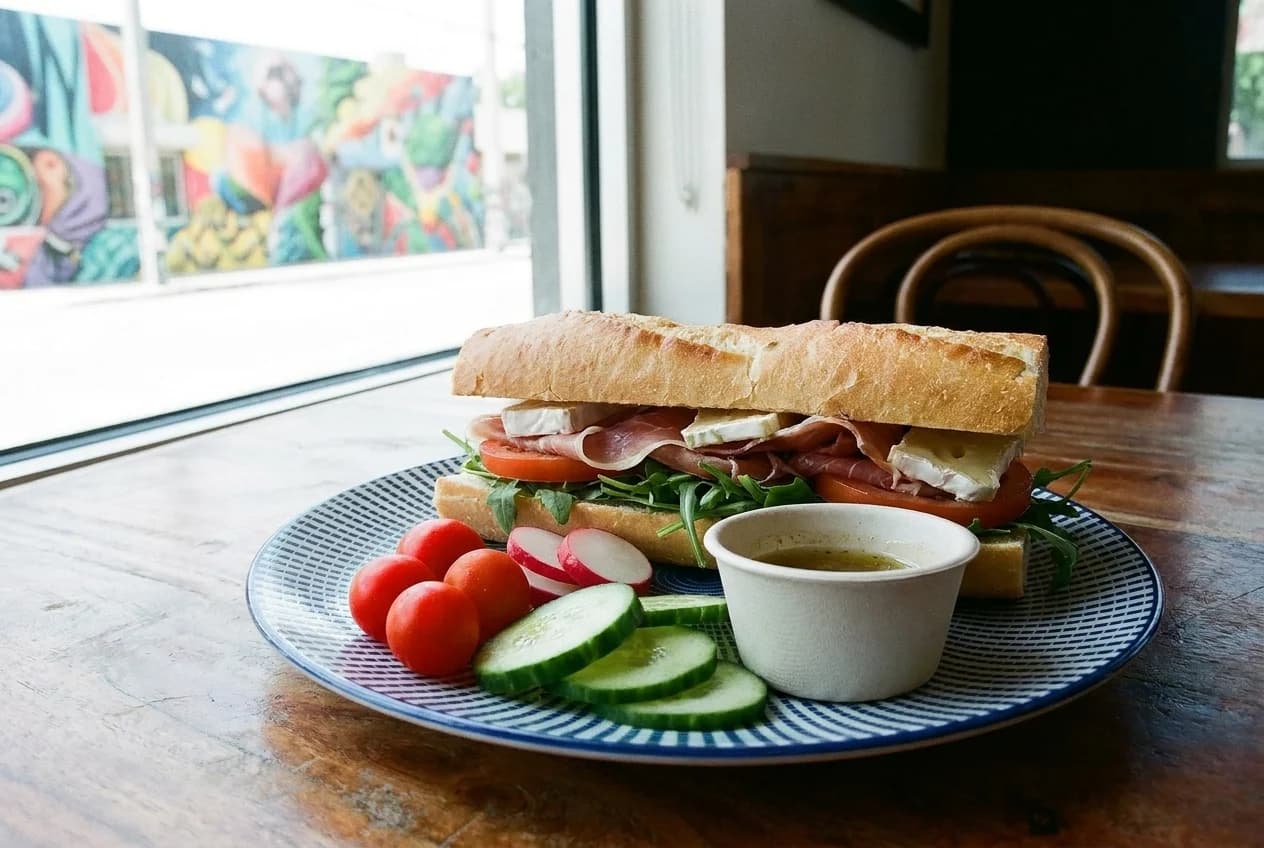
Zaytinya and Byblos on Miami Beach represent the polished end: large, well-designed rooms doing eastern Mediterranean small plates with hotel-level service and hotel-level pricing. The cooking at the good ones is genuinely accomplished, and the criticism worth making is not about quality but about proportion — you are paying a Beach premium on top of a cuisine that is inexpensive at its source.
The way to use these rooms well is as a drinks-and-mezze proposition rather than a full dinner. A table of four or five small plates and a bottle of something cold in a beautiful room is a genuinely good evening; the same room ordering through the full menu is where the bill becomes memorable for the wrong reason.
North, where the value is
The best-value Mediterranean food in Miami-Dade is north of the city proper, in Sunny Isles, Aventura and the surrounding blocks, where large Israeli, Turkish and Russian-speaking communities support a dense layer of bakeries, grills and small family restaurants. This is where the same dishes cost half what they do on the Beach and are frequently better, because the customers eat them weekly and would notice immediately if they were not.
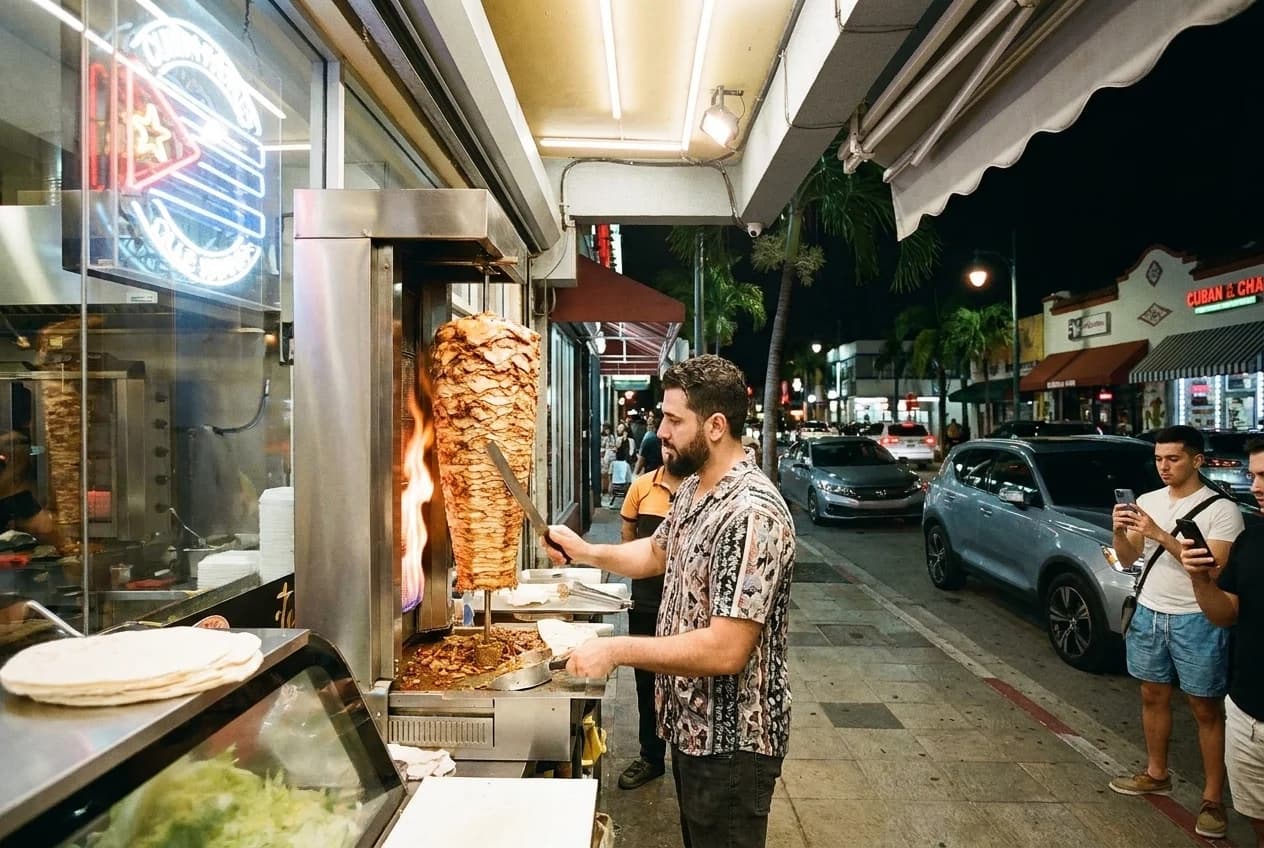
The identifying markers are the same as anywhere: a grill you can see and smell, bread that arrives hot, a menu with more items than a design-led room would allow, and a room where the conversation is not primarily in English. None of that is a guarantee, and all of it together is a very good sign.
How to order a table
The structural mistake is ordering individually. This food is built for the middle of the table: for four people, three or four cold mezze, two hot ones, plenty of bread, and one or two grilled things to share. The dips are not a prelude, they are half the meal, and the bread is the delivery system that makes the whole thing work.
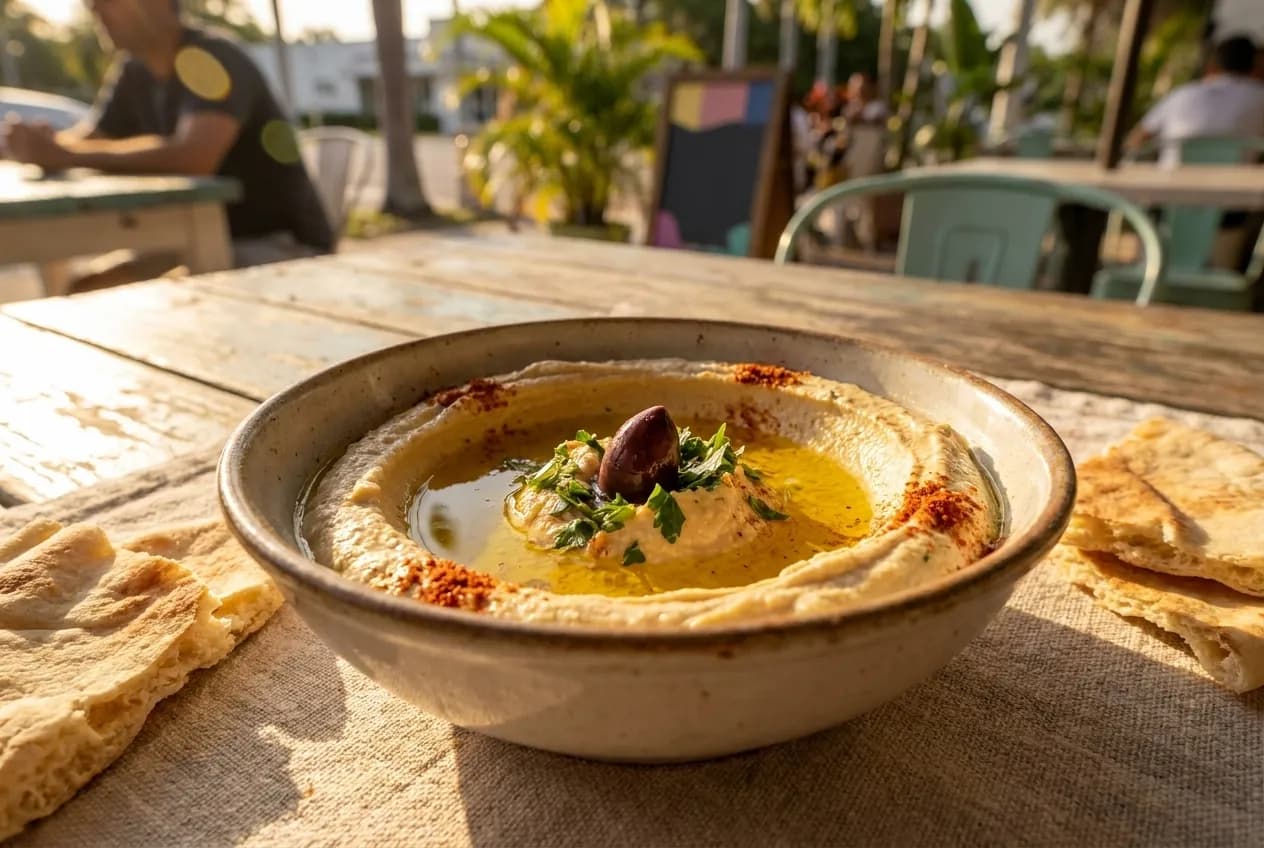
A few specifics. Hummus is judged on texture and on the quality of the tahini rather than on seasoning — the best versions taste as much of sesame as of chickpea, and they are served warm, not fridge-cold. Ask whether the grill is charcoal or gas, because at a kebab house that single answer predicts the entire meal. And if there is a pickle plate, order it; it is what keeps a rich table working into its second hour.
What this food is good for in Miami specifically
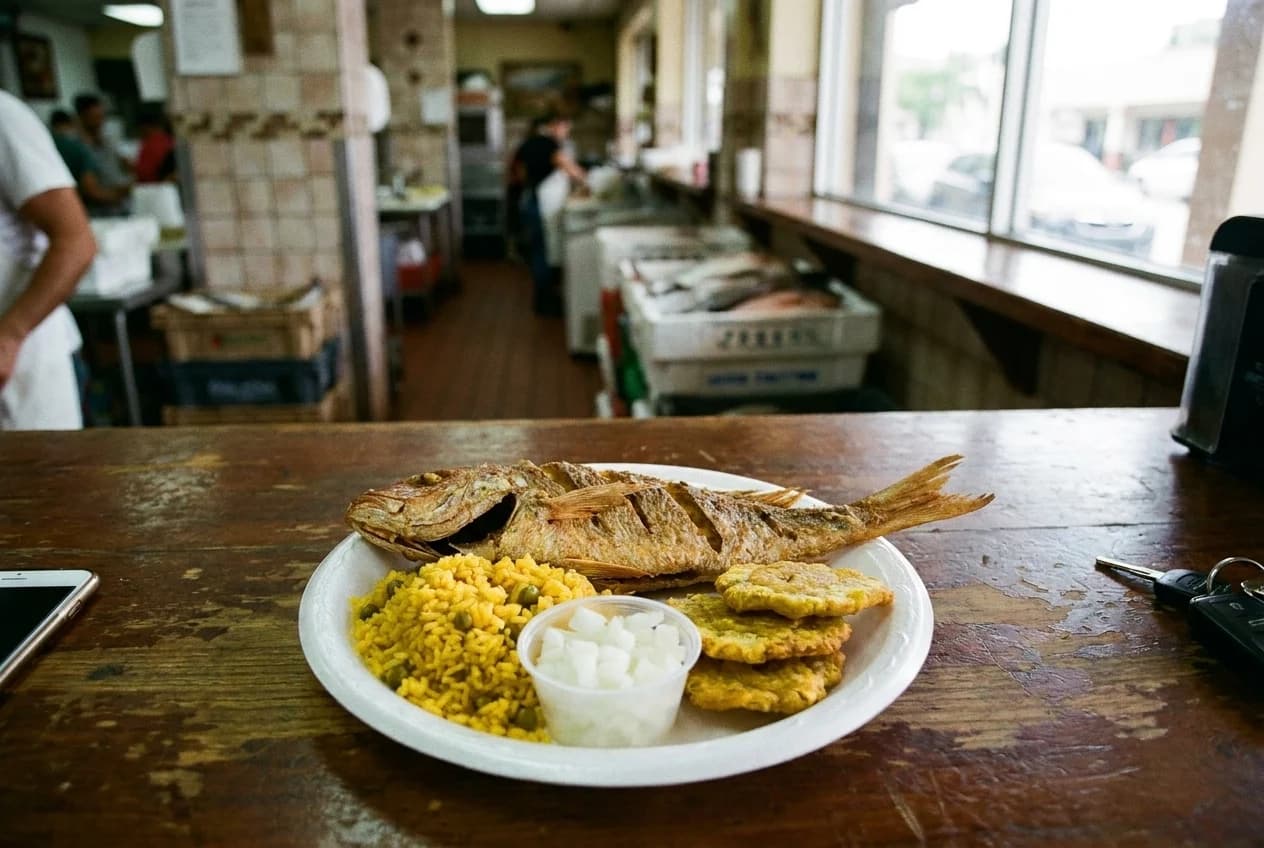
Two things, both underrated. It is the easiest cuisine in the city for a mixed group with different diets — a mezze table is largely vegetable-based by default, and most kitchens will tell you plainly which dishes contain dairy or meat stock if you ask. And it suits the climate in a way heavier cuisines do not: cold dips, fresh bread, grilled fish and vegetables is what you actually want to eat when it is thirty degrees at eight in the evening.
That last point is why this category has grown here as fast as it has. It is not a trend imported from New York; it is food that fits the weather, brought by communities who live in the city, and the mainland and northern versions of it are where that is most obvious.
Practical notes
Expect an automatic service charge at the Beach rooms and check before tipping again. The northern family restaurants are frequently cash-preferred and several close between lunch and dinner. Portions across this category are large and over-ordering is the standard error. Book the Beach rooms in season and walk into the northern ones. And note that a number of the Israeli and kosher-adjacent kitchens keep different hours on Friday evenings and Saturdays, which catches out anyone planning a weekend meal without checking.
One practical ordering note: if a room offers a mezze selection at a set price per person, take it on a first visit. It is almost always better value than assembling the same table yourself and it is how the kitchen wants you to eat.
Tags: #MediterraneanFood #Miami #Hummus #Kebab #Mezze #MiamiEats #Restaurants #MiamiBeach #SunnyIsles #MiamiFood #WhereToEatMiami #IsraeliFood #MiamiDining #Salatim
All trademarks are the property of their respective owners.
Ask Karpo first
Want to know which Mediterranean room near you is open now and whether it is a counter or a three-hour table? Ask Karpo before you drive north.