Miami runs two event calendars at the same time and most people only ever look at one of them. There is the ticketed tier — arena tours, stadium football, the imported productions at the performing arts centre — where the price is set months in advance and the only real variable is how much of it disappears into fees. Then there is a tier that repeats on a fixed monthly schedule, costs nothing, and has almost no marketing behind it because it does not need any. A well-built Miami weekend usually pulls from both. Here is what belongs in each column and how to tell which one you are actually looking at.
The frustrating part is that the free tier and the ticketed tier are never listed in the same place, so you end up paying for something that had a free equivalent two neighborhoods over. Tell Karpo the weekend you are planning and it can put both columns side by side before you reach a checkout page.
The paid tier, and where the money goes
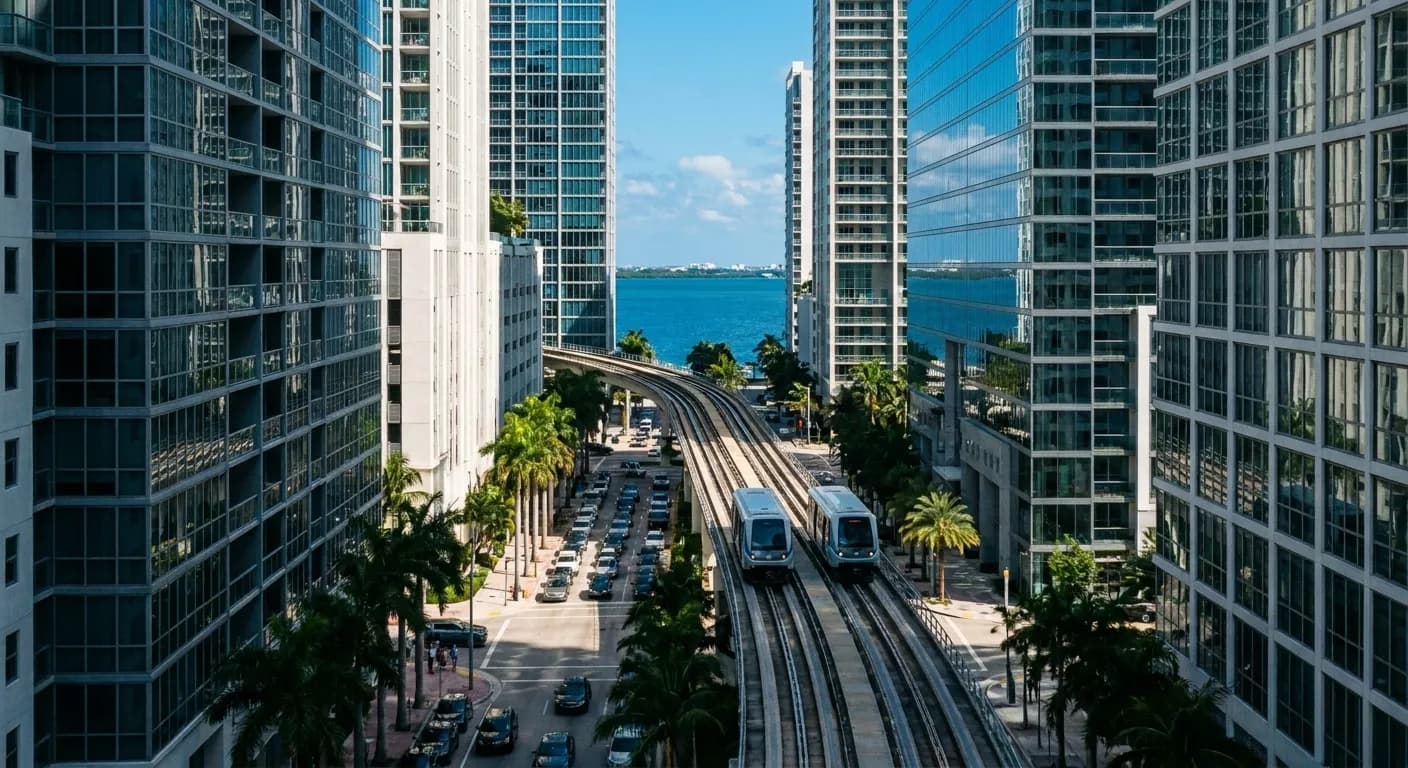
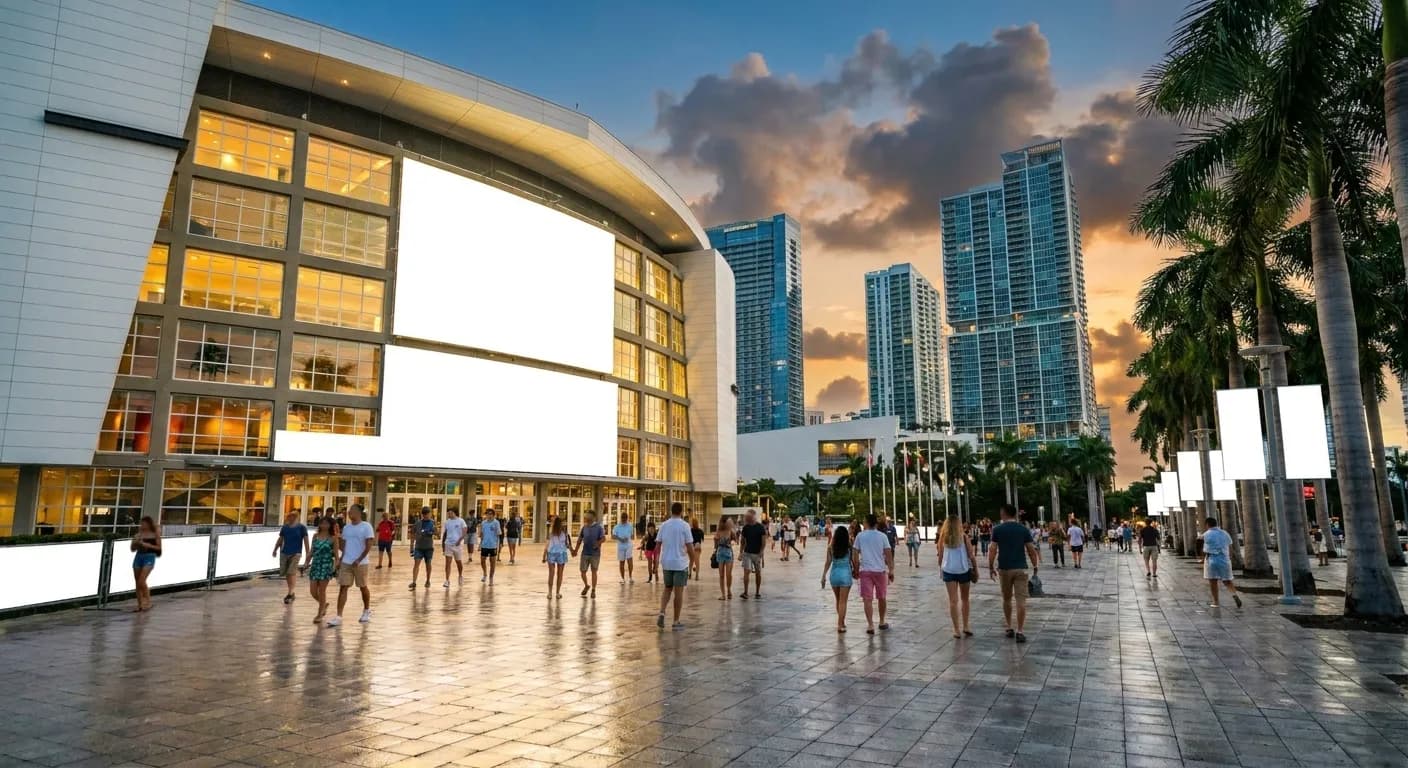
Arena-scale shows land at Kaseya Center on the downtown bayfront, which is the Heat's building and the default room for large tours passing through South Florida. Anything bigger than that goes to Hard Rock Stadium up in Miami Gardens — Dolphins home games, the largest touring concerts, the Miami Open's main draw in spring. Treat those as a different kind of evening: the stadium sits well north of downtown with no rail line to the gate, so the cost of the night includes parking or a surge-priced ride at the exact moment forty thousand other people want one. The Adrienne Arsht Center downtown covers touring theater, opera and orchestral programming, and is the one venue of the three you can reasonably reach on the Metromover.
On all of them, the number on the listing page is not the number you pay. Service and facility fees are added at checkout and commonly add something between a fifth and a third to the face value, which is worth doing the arithmetic on before you compare two shows. If a venue sells at its own box office window without the online fee, that is usually the cheapest version of the same seat — but call and confirm rather than driving over on faith, because policies differ by venue and by promoter.
The free tier that runs like clockwork
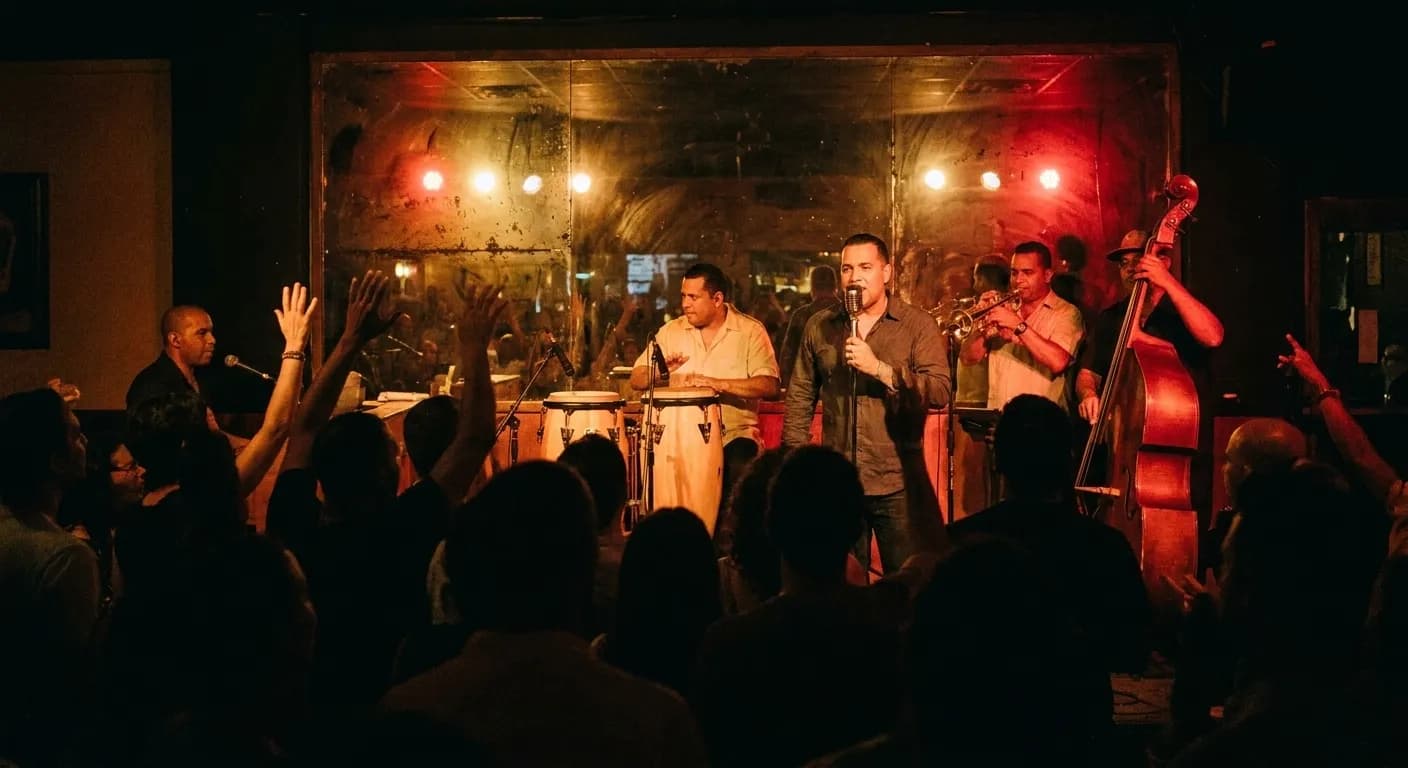
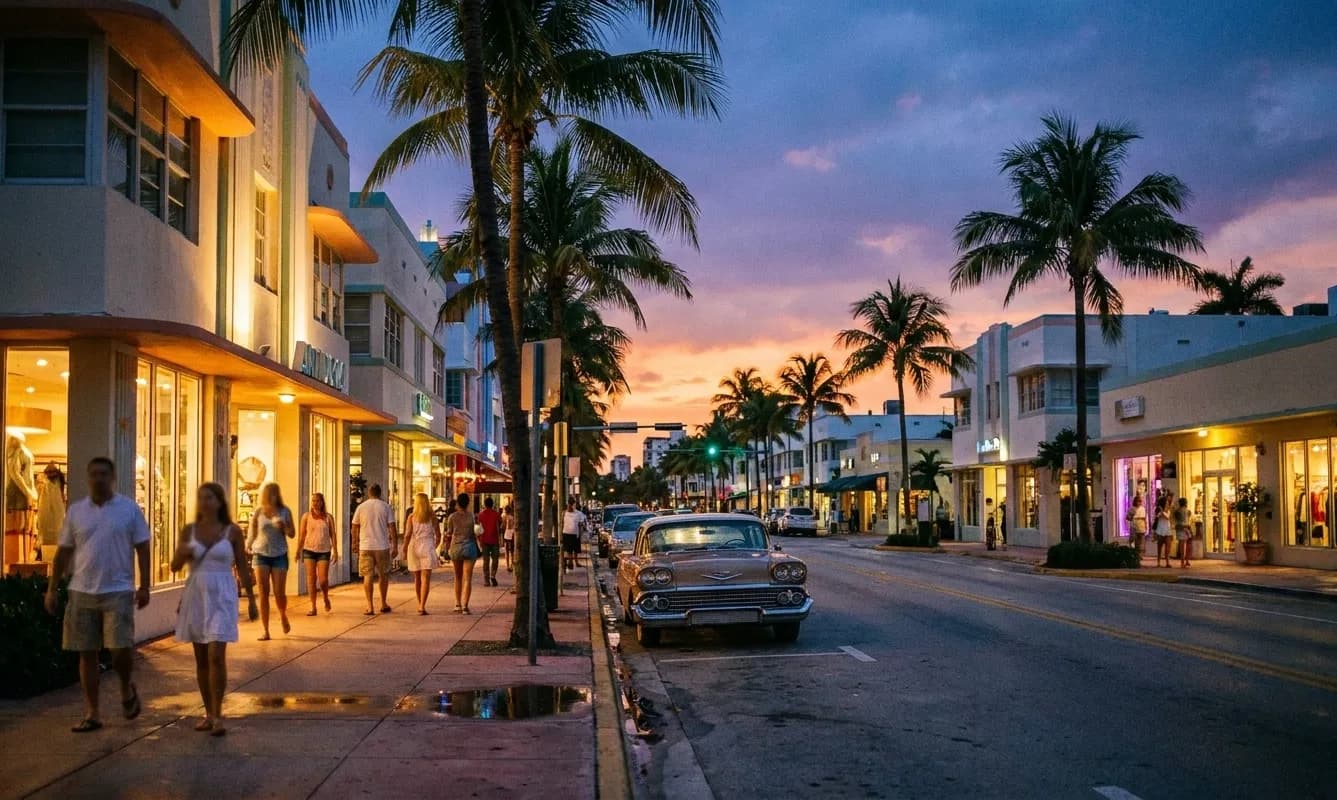
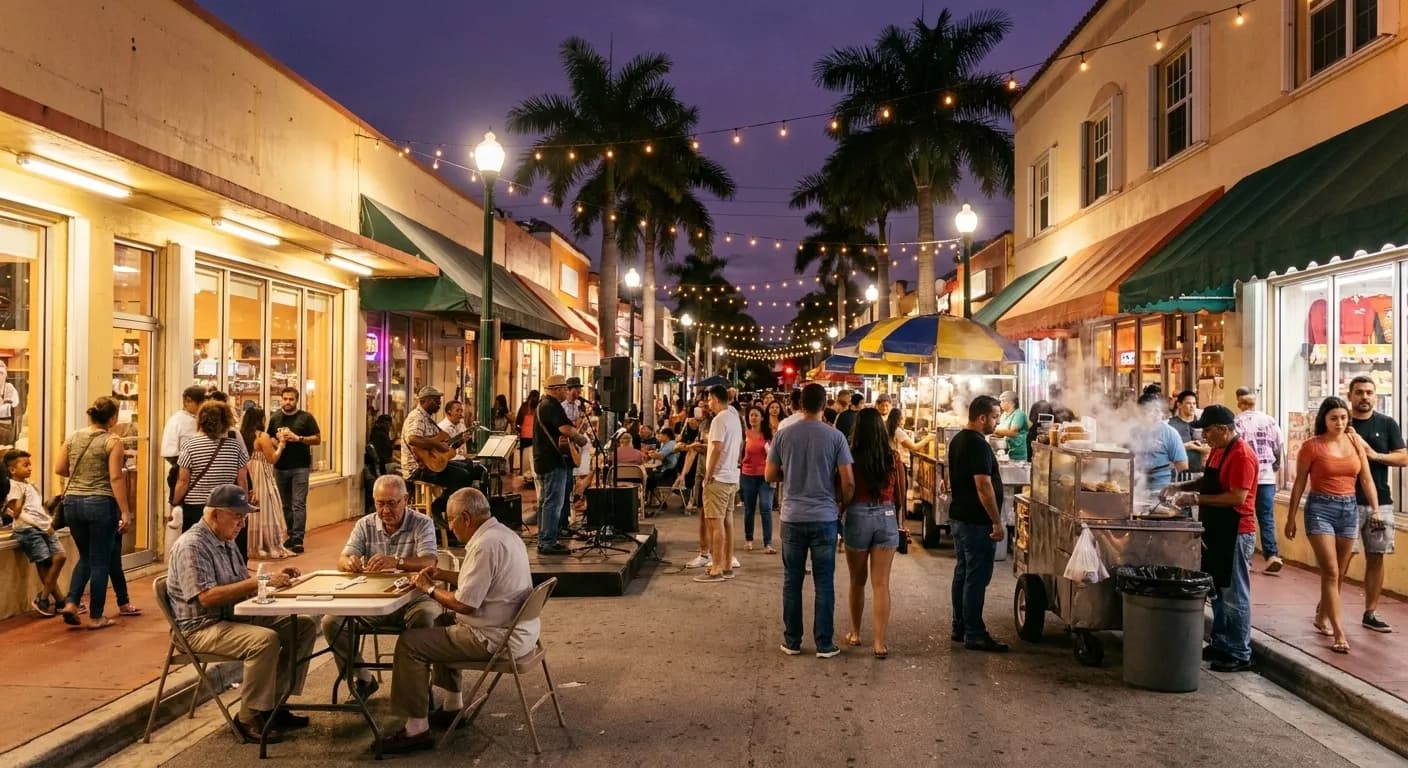
Two recurring nights carry most of the free calendar. Viernes Culturales takes over Calle Ocho in Little Havana on the last Friday of the month, with galleries staying open late, live music on the street and the domino tables running past dark. Wynwood's gallery night lands on the second Saturday, when the warehouse spaces open their doors and the whole district turns into a walkable loop. Neither charges admission, both repeat on a date you can put in a calendar a year ahead, and neither requires you to check a listings site at 6pm on a Friday hoping something turned up.
Museums: the best-value column in the city
The Institute of Contemporary Art in the Design District is free every day, which is unusual for a contemporary museum of its size anywhere in the country, and it is the single most reliable free two hours in Miami. HistoryMiami downtown runs a free second Saturday each month, which pairs neatly with the Wynwood gallery night on the same date if you want a full free Saturday rather than a free hour. Between those two you can build an entire rainy afternoon for the cost of parking.
How to sort a weekend into the two columns
The rule that holds up: pay for the things that will not repeat, and take the free version of everything that will. A touring act that plays Florida once every three years is worth the fees. A DJ night, a gallery opening or a waterfront market is not, because there will be another one in a two weeks and probably a free one this weekend. Apply the same test to seasonal spectacle — the big arena residencies and stadium events are genuinely one-off, while the outdoor programming that surrounds them is usually free and usually better weather.
Three fee traps specific to this market
First, dynamic pricing: on high-demand nights the face value moves during the on-sale, so the price you saw in the announcement email may not be the price twenty minutes later. Second, resale listings that surface above official ones in search results — check whether you are on the venue's own page before entering a card. Third, the Miami-specific one: an event that is free to attend can still cost forty dollars in parking if it sits on the beach or in the Design District on a Saturday night, so price the whole evening rather than the ticket line.
A weekend that uses both columns
A version that works most months: Friday for the paid thing if there is one worth paying for, because that is when touring schedules cluster. Saturday daytime free at ICA and whatever is running at HistoryMiami if it is the second weekend, then the Wynwood gallery loop after dark on the same day. Sunday for the outdoor tier — a park, a beach, a bayfront walk — which in this city is free by default and is the part visitors most often pay for by accident. That structure gets you one ticketed highlight and two full days that cost close to nothing, which is roughly the right ratio for a city where the weather is the main attraction.
What the free tier gets wrong, and how to work around it
The honest weakness of the free calendar is that it is built around a date rather than a program, so quality swings. A monthly gallery night is excellent when three good shows happen to open that week and thin when they do not. The workaround is to check what is actually hanging before you commit an evening: most galleries post their current exhibition rather than just the event, and ten minutes of looking is the difference between a night out and a walk past closed roller shutters. The same applies to park programming, where the listing rarely distinguishes a full concert from a covers duo with a PA.
Where the two tiers overlap
There is a middle column worth knowing about: paid events with a free perimeter. Big waterfront festivals and stadium-adjacent events generate free public programming around themselves — outdoor screens, plaza stages, practice sessions and open training days that cost nothing to attend and often have better sightlines than the cheap seats. Boat races and air shows are visible from public shoreline for free while tickets sell for the grandstand behind you. Before buying into any large-scale Miami event, spend two minutes working out whether the thing you actually want to see is visible from a park.
Dates and hours move, particularly around holidays and the summer slow season, so confirm the monthly nights on the organiser's own page before you build a Friday around one. The pattern is stable; the specific date occasionally is not.
Tags: #majoreventsmiami #miamitickets #freeeventsmiami #miamievents #kaseyacenter #hardrockstadium #arshtcenter #viernesculturales #wynwoodartwalk #icamiami #historymiami #miamiweekend #thingstodomiami
All trademarks are the property of their respective owners.
Ask Karpo first
Miami's free calendar runs on fixed monthly dates that nobody publishes together, and the paid one runs on dynamic pricing. Ask Karpo what is on the weekend you care about and it can tell you which half of the calendar actually deserves your money.