 Wynwood Domino Set Gift Browsing Walk: Acrylic Designs
Hidden Gems & Odd Finds
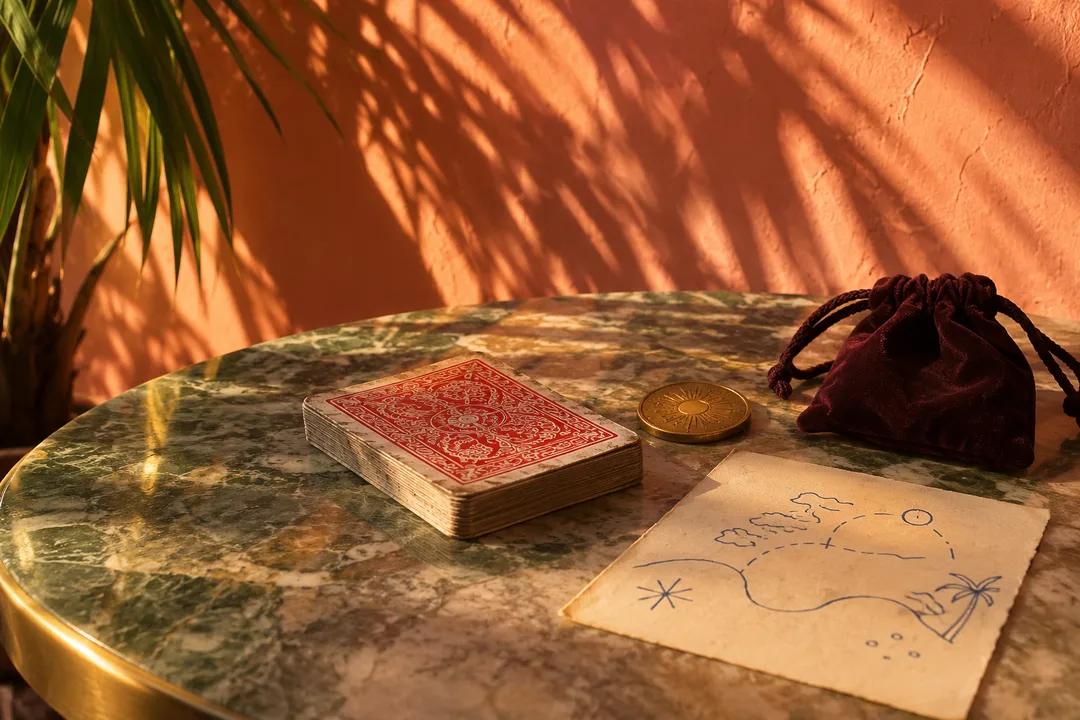
Miami Magic Shop: Compare Card Kits Before Buying
Compare card kits for a Miami practice table by handling, reset time, and teaching support before you spend; the checklist keeps a first purchase focused.
A Miami magic shop search works better when you name the routine first. Decide whether you want a self-working card effect, a visual change, or a short story for two friends. Then write the table space, lighting, and practice time you actually have. A shop conversation can answer those constraints; a vague request usually produces a pile of colorful boxes with no clear first move.
Start with the routine, not the box
Bring three details to the counter: your hand size, your experience level, and the audience distance. A packet trick for a close-up table behaves differently from a full-deck routine across a patio. If you practice after work, say so. The useful recommendation is the item whose reset and explanation fit your evening, not the one with the loudest packaging.
Handle a deck before discussing price. Spread it, square it, and try one controlled cut. Notice whether the stock feels slippery, stiff, or forgiving. Ask how long the effect takes to reset and whether the instructions teach the grip or simply reveal the secret. A beginner should leave knowing the first three actions, not just the effect's final image.
Check handling before price
Compare complete kits against single props on the same worksheet. Record deck type, gimmick count, written instruction length, and what must be supplied at home. A low-cost kit can become expensive when it needs a special mat, duplicate deck, or replacement pieces. A higher price is sensible only when the extra component solves a problem you have already named.
Ask whether the routine can be performed surrounded. Miami apartments, cafés, and outdoor tables rarely give you a perfect camera angle. If an effect works only from one side, mark that limitation. Ask for an alternative that survives a friend leaning in or a breeze moving the cards. The honest constraint is more valuable than a promise that every audience will see the same picture.
Ask for teaching support
Do a short demonstration request, then watch the explanation rather than the flourish. Good instruction identifies finger positions, timing, and a natural reason to touch the deck. It also tells you what not to do. If the explanation skips the reset, the pocket arrangement, or the first practice drill, do not buy on excitement alone. Leave the gap written on your comparison sheet.
Use a second stop only to test a different approach. One counter can show a visual card change; another can show a self-working prediction. Repeating the same sales pitch doubles travel and teaches nothing. Give each stop one question and a ten-minute limit. A focused contrast makes it easier to remember which routine felt teachable after you leave the shelves.
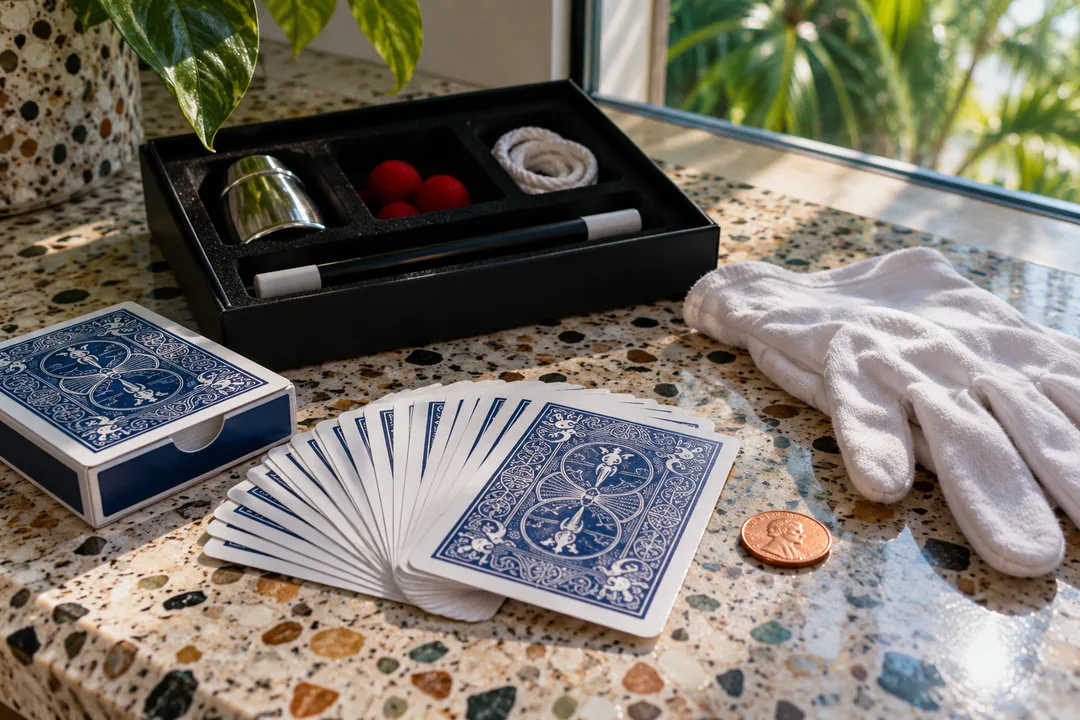
Use a two-stop comparison
Schedule the comparison when your hands are calm. Early afternoon often gives you more room for questions than a crowded Saturday rush. If you arrive during a demonstration, stand back and wait for the performer to finish rather than interrupting the reveal. The small courtesy protects the learning moment and usually earns a more useful answer afterward.
Write a hard spending ceiling before you enter. Separate the deck or prop price from transport, sleeves, a mat, and any class fee. Do not let a bundle turn a $25 decision into a $100 afternoon without naming each extra. If the shop cannot explain what a component does, place it in the 'later' column and keep your first kit simple.
Practical Notes for a clean first buy
Take a notes pause after handling each option. Score setup, reset, explanation, audience distance, and storage from one to five. Add one sentence about the first practice you can complete tonight. This turns a sensory browse into a decision you can defend. It also exposes a pretty prop that creates more maintenance than actual practice.
Ask how the routine travels in Miami heat and humidity. Cards can bow in a hot car, and small gimmicks disappear in a loose tote. A shop worker can suggest a case, a flat storage habit, or a replacement part. These are practical questions, not afterthoughts. The best purchase remains usable when your route includes a bus ride, beach air, or an unplanned stop.
Decide with a small test
Keep a backup plan that uses ordinary objects. If your chosen deck sells out, a coin sequence or a borrowed-bill routine can still meet the same audience goal. Write the substitute effect and the one skill it practices. That keeps a rain delay or stock gap from turning into a wasted trip, while preserving the story you wanted to perform.
Before paying, perform the opening move once without looking down. Check that the package contains every listed piece and that the instructions identify the first drill. Ask for a receipt and store the loose parts together. A clean handoff prevents the common first-night problem of finding a missing gimmick after the shop has closed.
Make the next search sharper
On the way home, edit your brief to one sentence: 'I want a two-minute card story for three people at a small table.' If the kit does not fit that sentence, return to the comparison rather than forcing it. Miami magic-shop discovery is successful when the next practice is obvious, repeatable, and small enough to finish before dinner.
Save a route card with your chosen effect, setup time, reset method, storage place, and first audience. Add the question you still need answered so your next shop visit has a purpose. This simple record makes a future upgrade deliberate. It also gives the Karpo APP enough structure to suggest a more focused local search when you are ready. Add one more check before closing the decision. Place the deck where you will practice, set a simple timer, and imagine the audience sitting at the distance you described. If the routine still feels natural, keep it. If the setup now looks fussy, choose the smaller option. A good comparison ends with a usable object in a real room, not a perfect score on paper. Save the result with your route notes so a future search can begin from evidence rather than memory.
Ask Karpo for more information.
Keep reading
- Wynwood Domino Set Gift Browsing Walk: Acrylic Designs
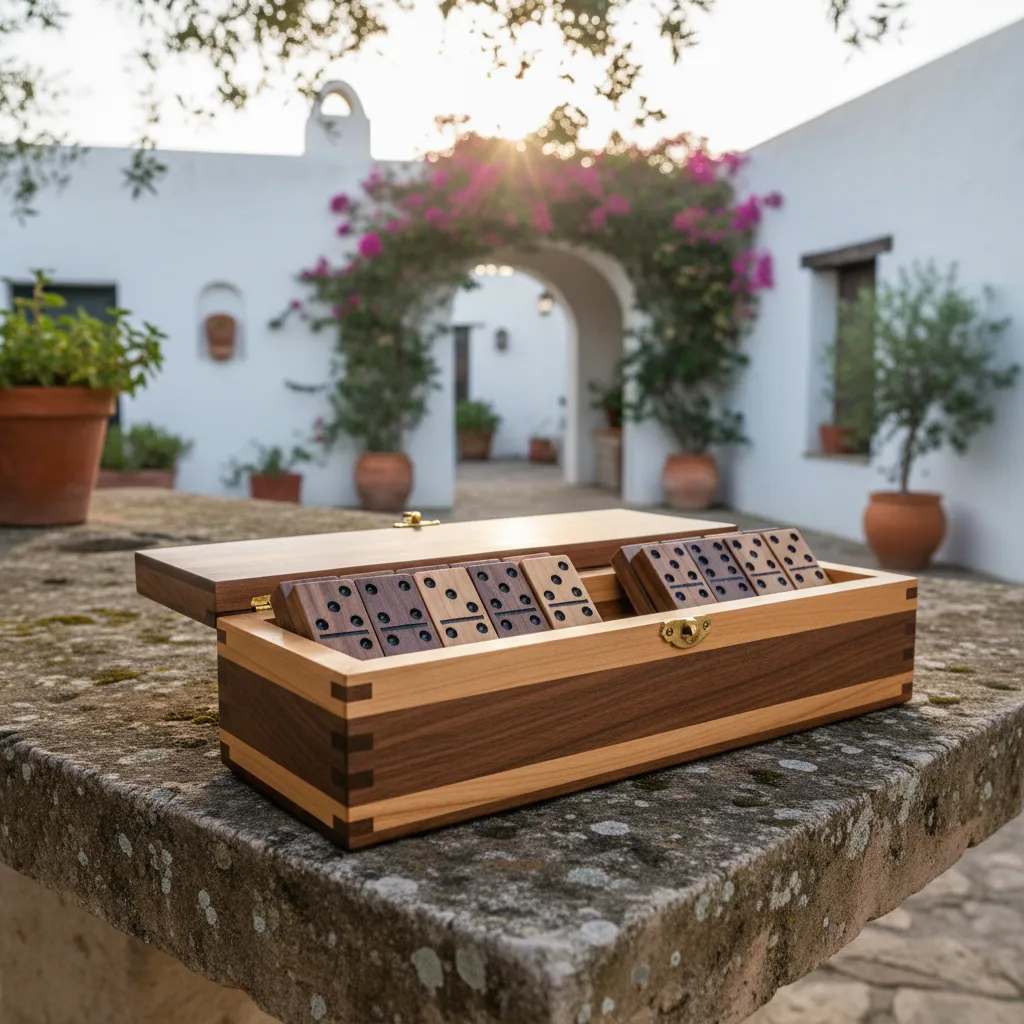 Coral Gables Domino Set Gift Browsing Walk: Wood Sets
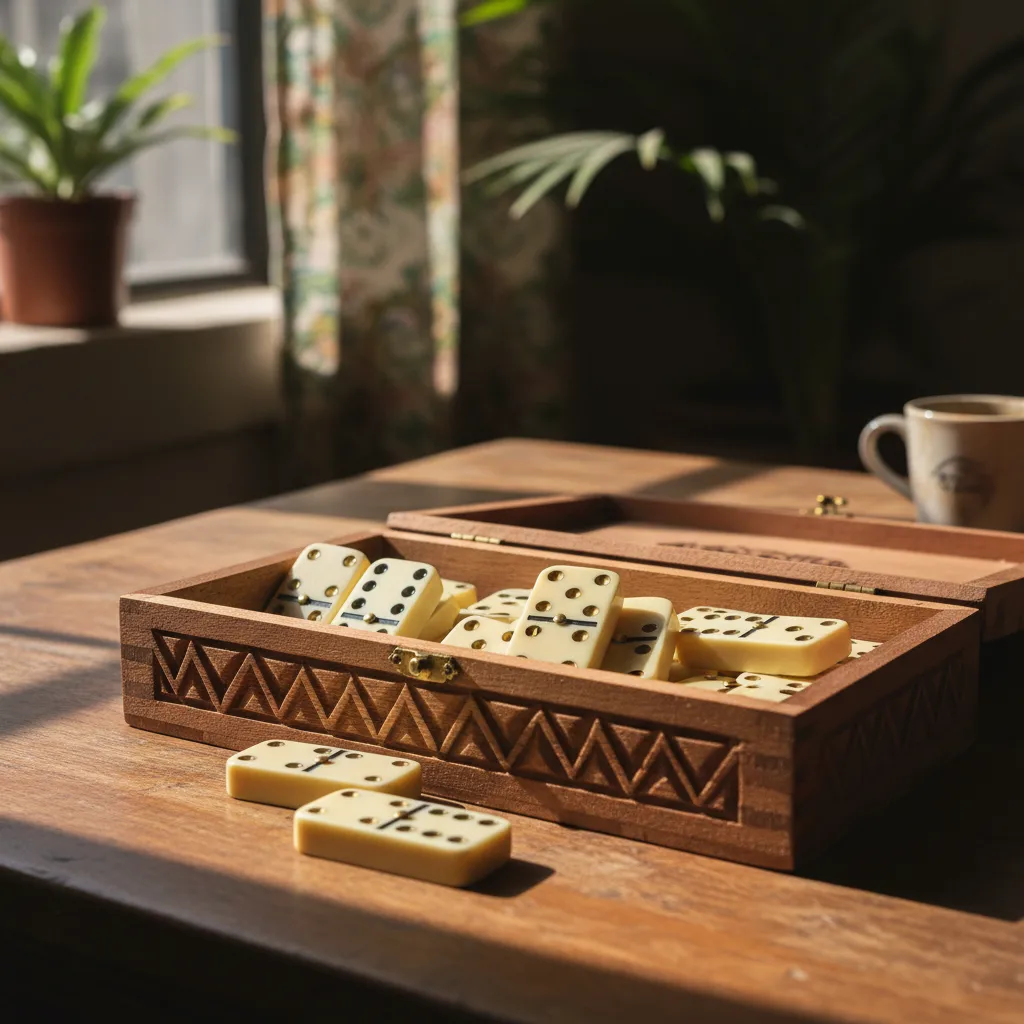 Little Havana Domino Set Gift Browsing Walk: Clay Tiles