 Wynwood Domino Set Gift Browsing Walk: Acrylic Designs
Hidden Gems & Odd Finds
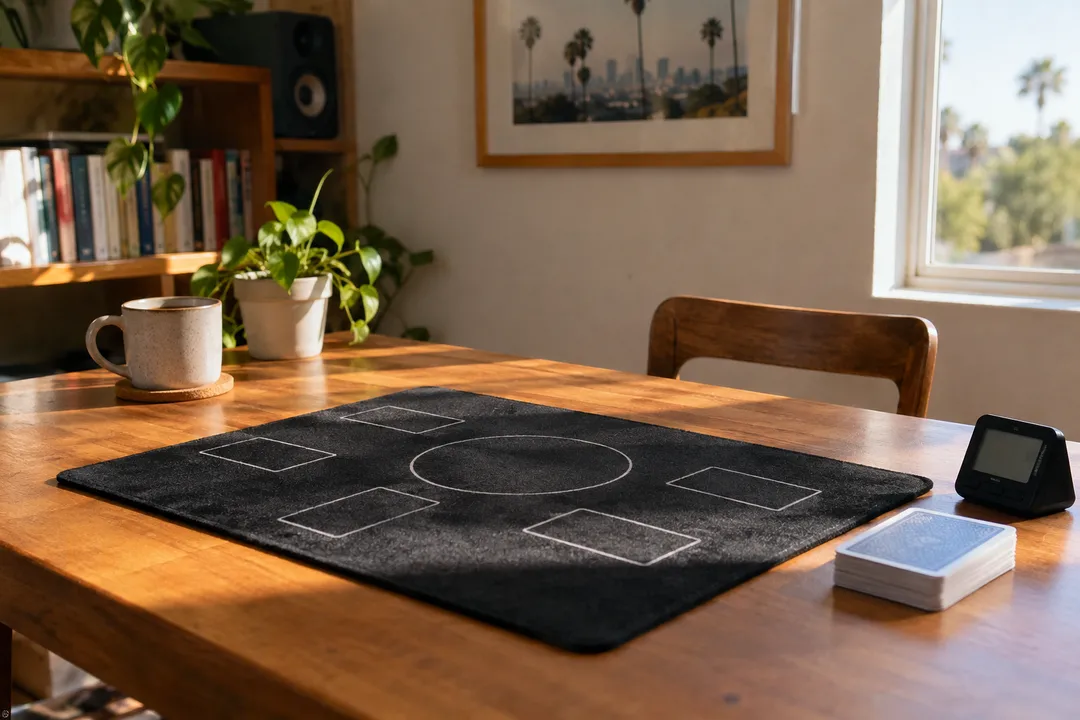
Miami Magic Shop: Compare Card and Coin Practice Kits
Compare card and coin practice kits during a Miami magic shop outing, weighing hand comfort, surfaces, learning order, and what you will actually use.
Card-and-coin comparison is an ergonomics problem disguised as shopping. Start by describing the practice you will repeat in Miami: shuffling at a table, holding a coin while standing, or switching between both. Ask Karpo APP to organize discovery around that use case and your available afternoon. The useful answer will be a route, not a verdict about one universal kit.
Start with the hands, not the label
Test finger tension first. A deck asks for spread, square, and transfer motions, a coin asks for a relaxed palm and controlled pickup. Notice which hand tires after five minutes. Bring that observation into the shop conversation. Comfort decides whether a clever method becomes a habit or stays unopened in a drawer.
Choose a practice surface before comparing materials. Cards prefer a clean rectangle with enough room to square, coins punish a surface that lets them roll under furniture. Lay a mat, towel, and bare table side by side at home. The result tells you what accessory, if any, genuinely supports the two-medium project.
Separate practice needs from novelty
Separate novelty from sequence. A card routine may train timing, while a coin exercise may train attention at close range. Write the skill beside each candidate and rank the first two skills only. This keeps a comparison from becoming a collection of unrelated props and gives your next lesson a visible order.
Ask how the learning materials name the moves. If the card lesson assumes a break or the coin lesson assumes finger palm, you need a path into that vocabulary. Request one beginner drill and one stopping point. Specific teaching information is more useful than a package that lists a dozen effects without explaining where to begin.
Test the order of learning
Use the Karpo APP to state the tradeoff plainly: compare a compact card practice and a coin practice for my Miami route, with one surface and a modest carry. That sentence gives local discovery a job while leaving the final handling test to you. Avoid implying that any shop offers a special comparison service.
A no-buy result can sharpen the experiment. Maybe the deck feels right but needs a mat you cannot carry, or the coin is comfortable but the lesson requires a mirror. Keep the evidence. The next search can preserve the skill you want while changing the medium that created the friction.

Choose one kit and stop
Rehearse card and coin openers back to back. Give each one a clear object, a pause, and a place where the audience should look. Notice which beginning feels honest in your voice. The comparison is not about ranking magic traditions, it is about finding the first minute you are willing to repeat.
Record hand position, not just success. A coin can vanish while your wrist looks tense, a card can appear while your shoulders announce the move. Ask a spectator what they noticed physically. That feedback points to the next drill and prevents you from buying a more complicated method to cover a basic posture issue.
Practical Notes for card and coin work
Keep a medium-neutral backup. A borrowed object or short verbal puzzle can preserve the lesson of directing attention when neither cards nor coins feel cooperative. Use it as a bridge, not a third collection. The goal is to keep practice alive while you decide which physical tool deserves regular space.
Tell a partner which medium they will handle. A deck may invite a shuffle, a coin may invite a toss. Set the boundary before the test and explain why. Respectful handling protects the equipment and gives you cleaner feedback about whether the routine communicates without extra coaching.
Turn notes into the next decision
Split storage by texture. Cards stay flat, coins stay in a soft pocket, and the mat rolls without pressing a deck. Place the next drill on top of each section. This arrangement makes a ten-minute session easy and stops a comparison project from becoming one mixed pouch of forgotten pieces.
Use a Miami pause to write a two-column note: what the cards made easier, and what the coin made easier. Keep the language specific—timing, grip, surface, audience distance. A quiet bench or cafe table gives your judgment room to settle before you add another item.
Practical Notes for card and coin work
End with a short trial plan: three card sessions, three coin sessions, then one mixed session. Save the schedule in Karpo APP and use your observations to plan the next local discovery. A measured comparison produces better decisions than switching media every time a new package looks exciting.
Close the shopping question with a rule: buy the medium you can practice on an ordinary day. If both qualify, choose the one whose first drill you can explain in one sentence. A Miami magic shop route is successful when it leaves you with a clear next repetition, not a shelf full of competing intentions. Let the comparison end with a physical choice. Hold the deck, palm the coin, and ask which movement you would willingly repeat tomorrow. That answer has more weight than a feature list. Save it with the practice schedule so your next Miami discovery can refine technique instead of reopening the same card-versus-coin debate from the beginning. Keep the card-and-coin trial honest by changing only one variable at a time. Use the same chair, light, and spectator for both openers, then compare the notes. You will learn whether the difference came from the medium or from the setting. This simple discipline gives a future lesson a clear question and prevents a new purchase from becoming a substitute for careful observation. A measured comparison also tells you when to stop researching. Once one medium gives you a comfortable grip and a repeatable drill, practice it before reading another review. The next Miami visit can solve a new problem—presentation, timing, or audience distance—rather than reopening a decision your hands have already answered. Place the next drill beside the props so tomorrow's comparison starts without another search.
Ask Karpo for more information.
Keep reading
- Wynwood Domino Set Gift Browsing Walk: Acrylic Designs
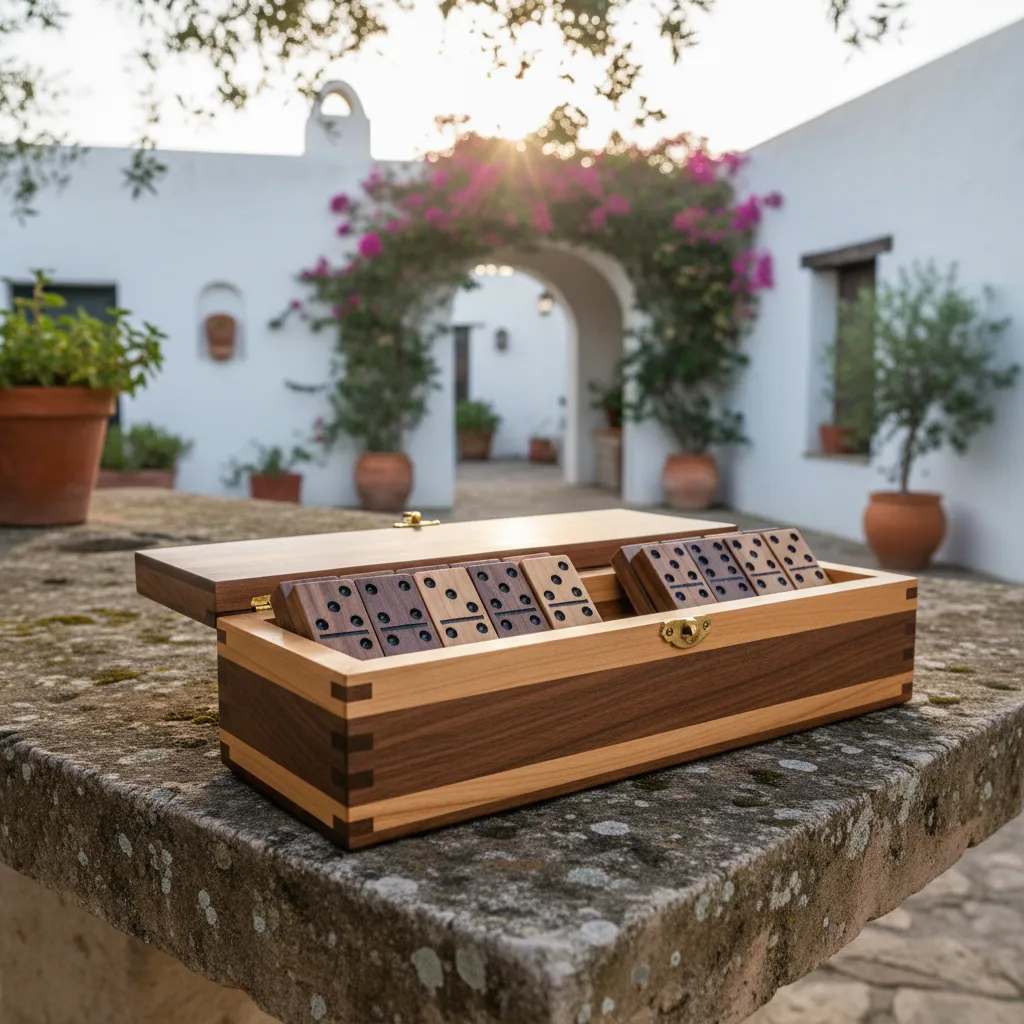 Coral Gables Domino Set Gift Browsing Walk: Wood Sets
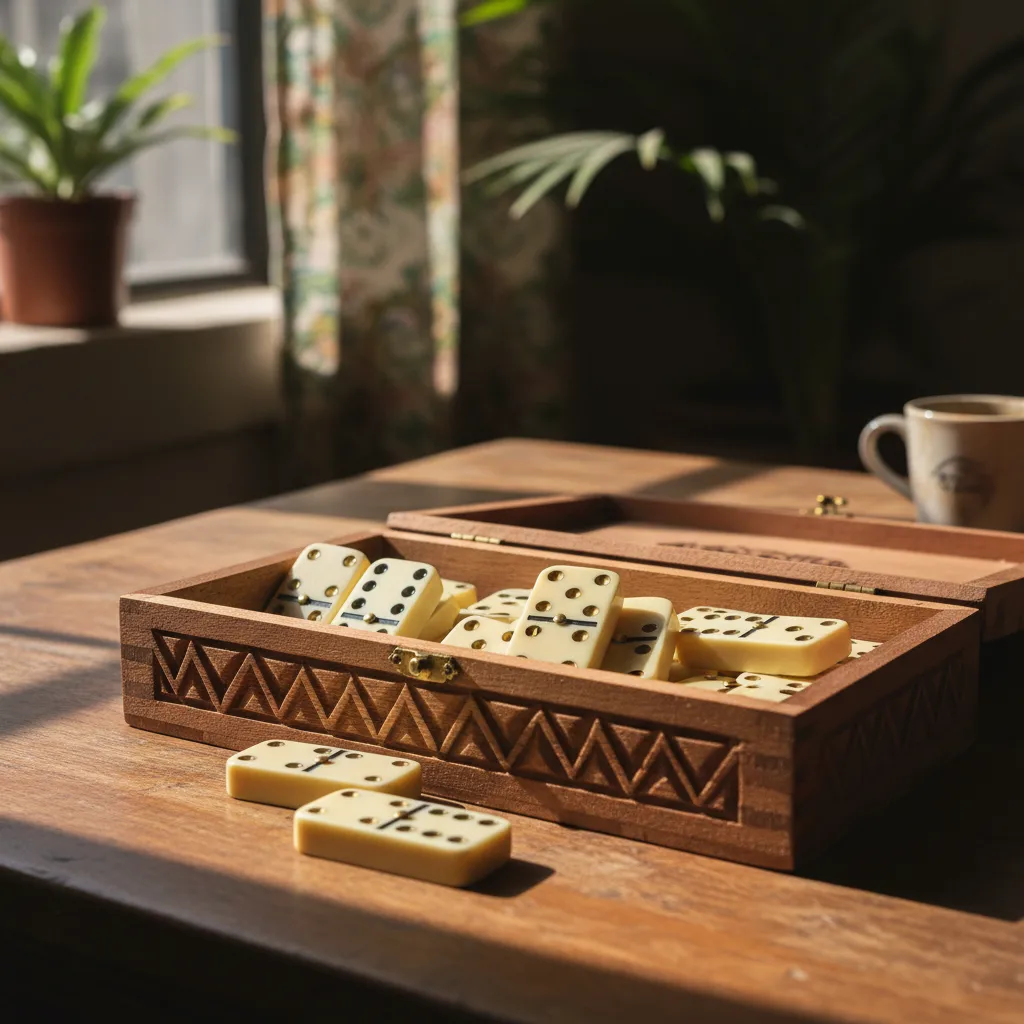 Little Havana Domino Set Gift Browsing Walk: Clay Tiles