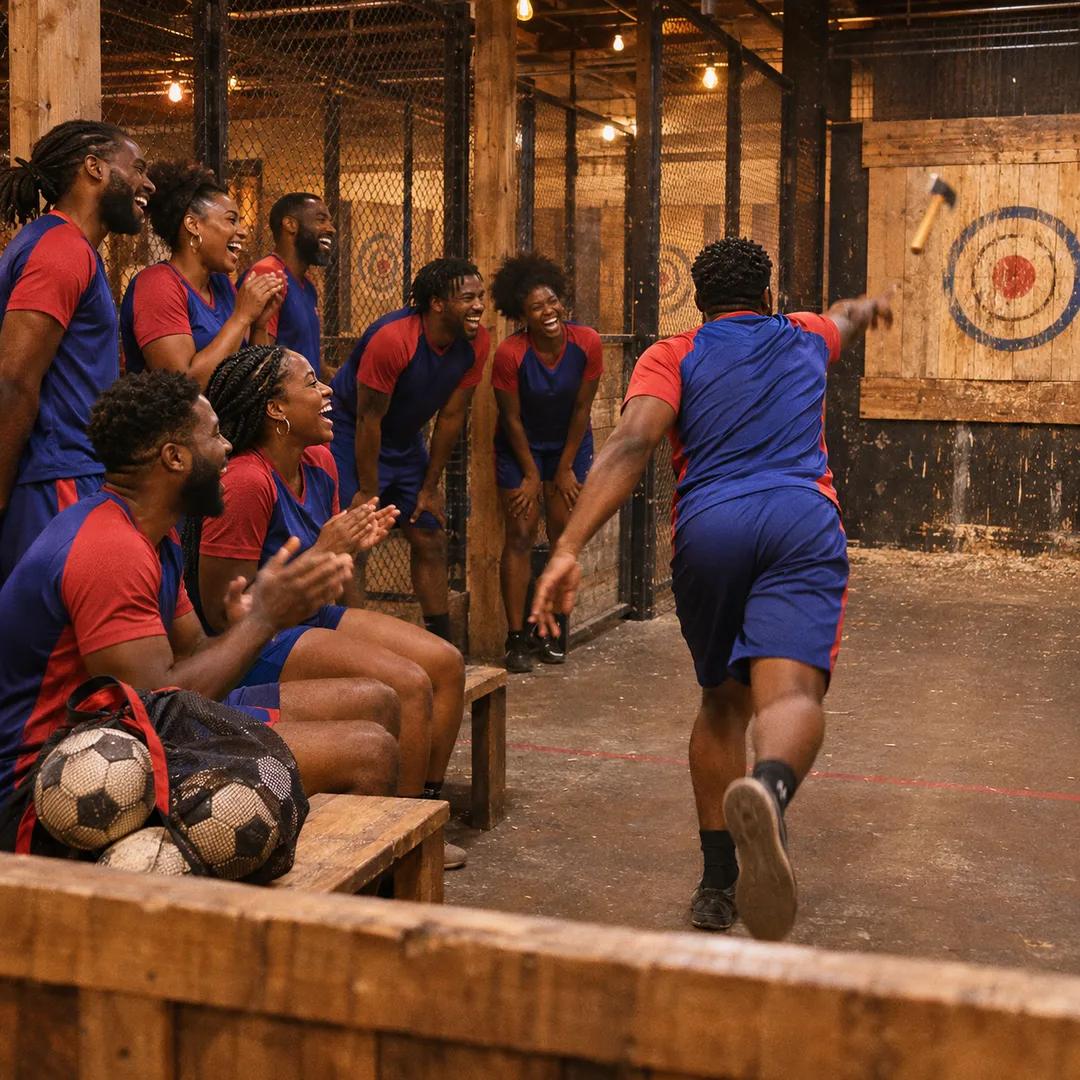
 Little Haiti Axe Throwing Group Night Picker, Soccer Edition
Sports Social
Miami Kickboxing Gym: Find Your Pace in 3 Steps
Choose a Miami kickboxing gym by separating effort, teaching pace, and contact; describe the challenge you want before comparing introductory sessions.
A Miami kickboxing gym can feel demanding for several different reasons: unfamiliar movements, a fast group rhythm, sustained exercise, or partner expectations. Before choosing an intense-looking class, identify which kind of challenge you actually want. You might welcome physical effort while preferring simple instructions, or enjoy learning detailed combinations at a slower pace. Treat intensity as a set of questions about the experience rather than a single label. That makes your search clearer without asking a photograph or a class name to predict your response.
Separate effort from complexity
An exercise can be unfamiliar without being the hardest part of a session physically. Equally, a simple repeated movement can become demanding when the work continues. These distinctions help explain your preferences to a provider. If following several instructions at once makes you hesitant, ask about the teaching sequence and beginner demonstrations. If your concern is the amount of exercise, ask how participants manage the pace and what alternatives the particular class provides.
Avoid turning those questions into a promise about what your body can do. This page does not prescribe a training load or evaluate individual health. It offers a way to describe the class you want to explore. You can say that you would like time to understand each movement before combining it with another, or that your goal is a clear introduction rather than a maximal workout. The useful comparison is whether the session's stated structure matches that request.
Find the adjustable parts of the session
Ask what participants are expected to follow together and what they may change independently. A group may share instructions while using different equipment or pacing, but that arrangement must come from the actual provider. Do not infer it from the phrase all levels. If you want opportunities to pause or ask for an explanation, make that requirement visible before purchase. An option with a clear answer is easier to assess than one whose flexibility exists only in your imagination.
Keep class duration separate from active exercise time. A session can include explanations, transitions, warm-up, and practice, and this general article does not assign a universal proportion to any of them. Ask about the sequence of the specific lesson rather than assuming every minute follows the same rhythm. Knowing where instructions and demonstrations belong can help you understand the offer. It does not predict how tired you will feel or establish whether a session is appropriate for your personal circumstances.
Understand what partner work adds
Intensity sometimes describes the social experience as much as the physical one. Being paired with a stranger may feel more demanding than practicing independently, even when the movements look similar. Identify whether you want to receive strikes, hold equipment, coordinate with another person, or avoid partner assignments. Those are separate choices. Someone seeking vigorous bag work may still want no sparring, while someone interested in technique may welcome controlled partner learning under the provider's stated arrangements.
Put the firm boundary before the softer preference. For example, a no-received-strikes requirement should not disappear because a recommendation looks friendly or convenient. Ask what participation actually involves and keep the answer with the selected class. You do not have to rank another person's preferred training format above your own comfort. The purpose of this search is choosing an introduction you understand, with the right to decline an activity that does not fit your stated intention.
Replace dramatic labels with an ordinary description
Marketing words such as powerful, high-energy, or challenging do not tell you what happens during a first visit. Translate your response to those words into a concrete request. Perhaps you like a lively room but want the coach to explain the basics. Perhaps loud group motivation puts you off while structured individual practice sounds appealing. These are useful distinctions because they describe what matters to you without pretending that one universal intensity rating exists across unrelated providers.
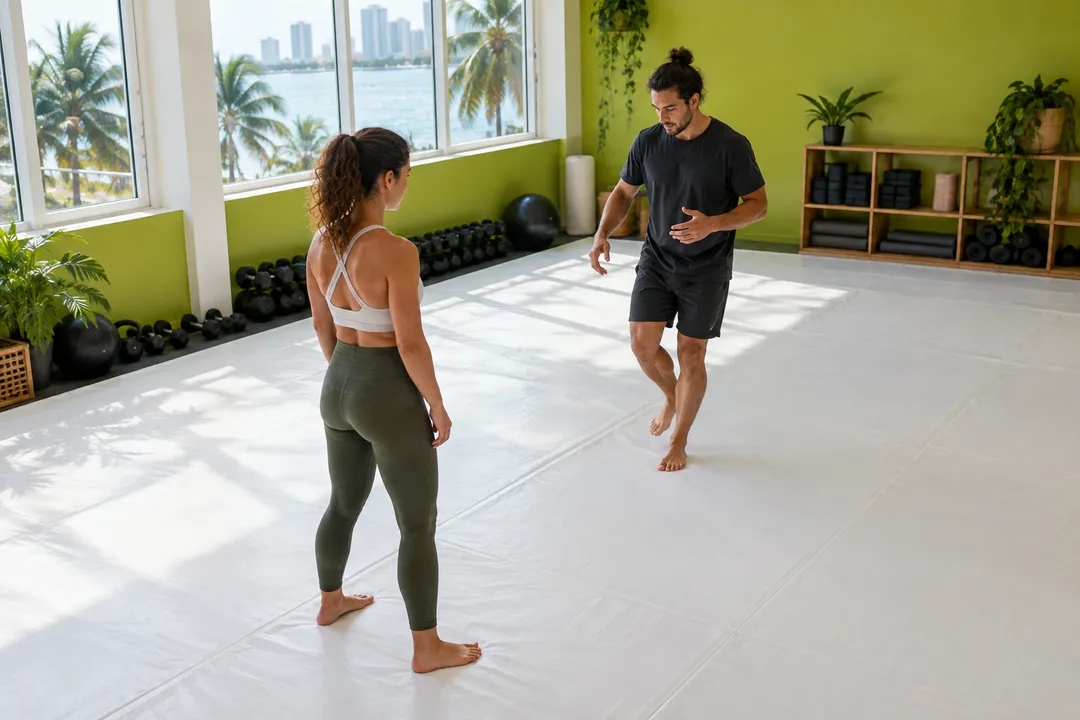
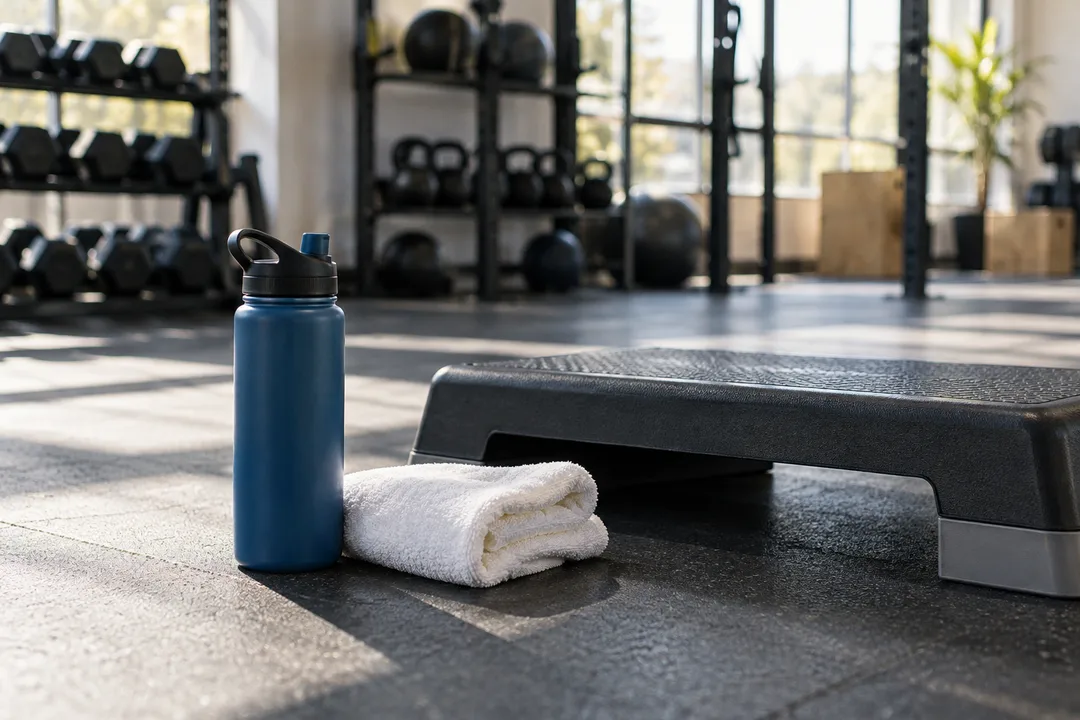
A class photograph can help you notice equipment and visual atmosphere, but it cannot establish how an instructor teaches or whether participants can choose an alternative. Treat it as an illustration of the listing rather than a substitute for the session description. The images attached to this article are generated anonymous scenes, not photographs of an identified Miami gym. They show instruction and a pause between activities, with no claim about the arrangements offered by a real venue.
Make the request specific enough to answer
You could write in the Karpo APP: "Help me compare Miami kickboxing introductions with clear beginner teaching. I want an active session without sparring, and I prefer a format where the pace and alternatives are explained." Add your area, available day, and any firm practical limit. This request describes the search you want to make. It does not report that a suitable session has been located, that places remain available, or that a reservation is complete.
When comparing suggestions, choose the unresolved variable rather than asking broadly for something easier. If the movement sequence seems too complicated, ask about a fundamentals introduction. If the partner role is the concern, keep your desired effort level and change that condition alone. If the timing fails, revise the day without silently changing the format. This makes the next conversation more informative because you can see which preference caused an option to leave the shortlist.
Use a first visit as information
After an actual introduction, separate what you observed from the impression you arrived with. Did you understand the instructions? Did the described contact arrangement match the class? Were your questions answered in a way you could use? Those observations give you a more useful basis for a second visit than a general declaration that the lesson was hard. They concern the experience you just had rather than a prediction of future fitness or performance.
An enjoyable challenge does not require an immediate package purchase. Compare any continuing offer with the schedule and spending commitment you actually want. Likewise, finding one part uncomfortable does not mean you must abandon the whole idea of kickboxing. You may prefer a different teaching format, another introduction, or a session with a clearer explanation of participation. Leave room to make that distinction before treating your first reaction as a permanent judgment about every class.
Practical Notes for choosing your kind of challenge
Write one sentence about the effort you hope for, one about how you want to learn, and one about contact boundaries. Carry those preferences into the actual session inquiry and keep any provider answers alongside the booking terms. No calorie burn, weight change, injury prevention, or individual medical outcome is promised here. The next step is a class comparison built around your stated experience, followed by the provider's own booking process when you have enough information to choose.
Ask Karpo for more information.
Keep reading
- Little Haiti Axe Throwing Group Night Picker, Soccer Edition
 Midtown Miami Axe Throwing Group Night Picker for Nurses
 Downtown Miami Axe Throwing Group Night Picker for Visitors