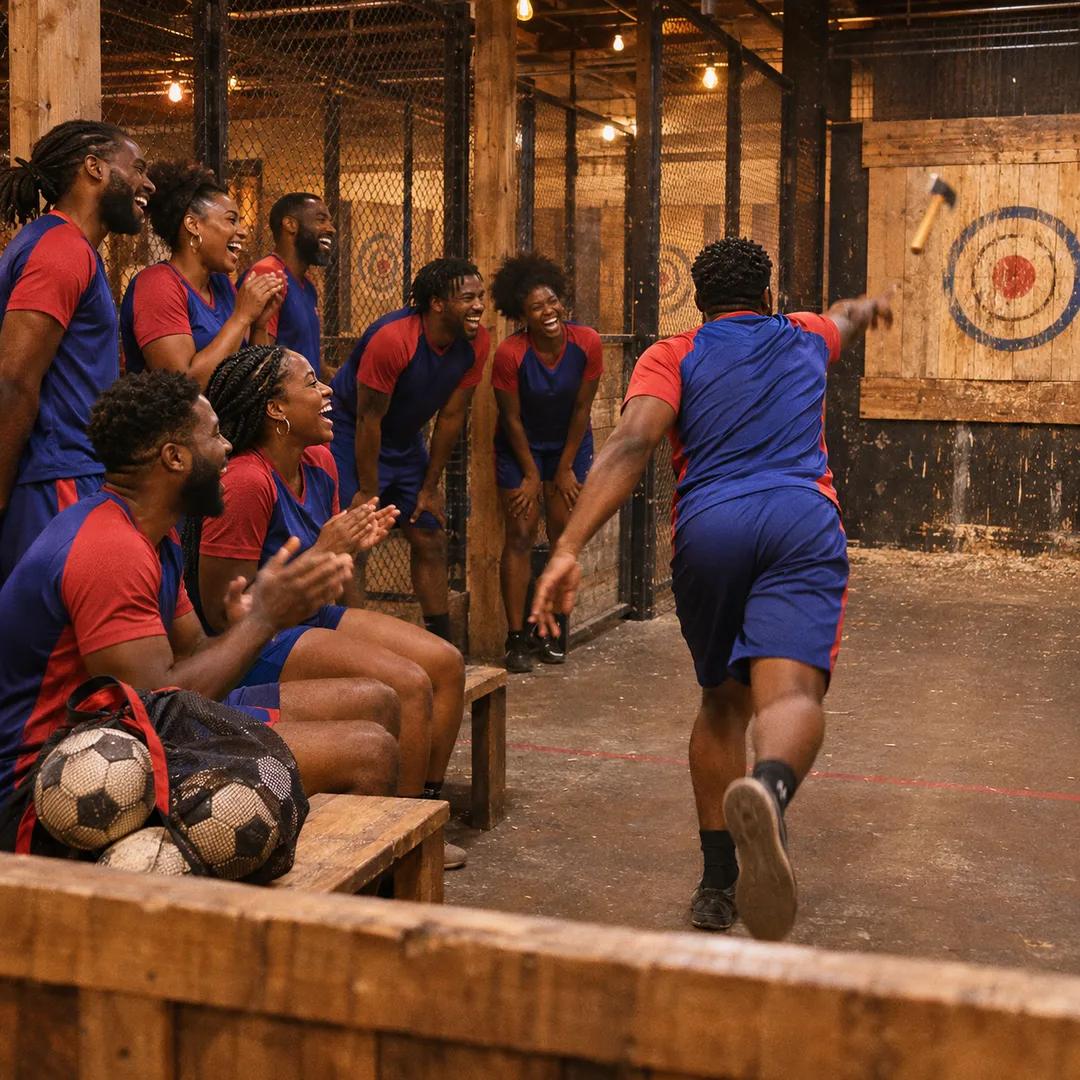
 Little Haiti Axe Throwing Group Night Picker, Soccer Edition
Sports Social

Miami Kickboxing Gym: Plan a First Class for Two
Plan a Miami kickboxing gym trial for two by comparing both friends' experience, contact preferences, travel needs, and separate booking confirmations.
Two friends can choose one Miami kickboxing gym class without wanting the same thing from it. One may be curious about technique while the other mainly wants company for a first visit. Start by writing each person's preferences separately, then look for the overlap. That small pause prevents the more enthusiastic friend from making every decision. A shared introduction should give both people a reason to attend, with space for either person to decide that a different session would suit them better.
Begin with two short briefs
Ask each other what would make the visit worthwhile. You might want a clear explanation of the movements, a lively group atmosphere, or an activity that fits between other weekend plans. Those aims can coexist, but they are not interchangeable. Saying that you both want to try kickboxing is only the beginning of a brief. Add what each person would rather avoid, and resist turning one friend's uncertainty into a problem the other friend must solve.
Discuss experience honestly. Someone who attends other exercise classes may still be completely new to this format. A friend with previous martial arts experience may enjoy a slower introductory lesson, or may want a different level. Neither person has to act as the other's instructor. For this first outing, choose whether learning together matters more than matching each individual's preferred pace. If the answer differs between you, it can be better to meet afterward instead of forcing one shared class.
Keep contact preferences individual
Agree separately on receiving strikes, being assigned a partner, holding equipment, and working independently. A shared booking does not necessarily mean you will be paired together, and friendship does not establish consent to any partner activity. Ask what the proposed session involves. If either person wants a no-sparring introduction, make that boundary explicit in the search rather than hoping it will be easy to explain after the lesson has begun.
You can be supportive without making a matching promise. One friend might accept pad work while the other prefers a bag-based session without partner assignments. The right first choice may be a format both accept, or two different introductions. Avoid using phrases such as "we will probably be fine" to erase a preference someone has already stated. A plan becomes more comfortable when the limits are known and respected before money or travel makes changing it feel difficult.

Compare the overlap before the extras
Put the shared requirements first: an acceptable class level, a date both can attend, a contact arrangement both understand, and spending conditions each accepts. Preferences such as a particular neighborhood or an optional meal come later. If the shortlist is empty, decide together which flexible condition to change. Changing a day may be reasonable; changing another person's firm contact boundary on their behalf is not a useful way to make the list longer.
Keep disagreement visible. You could write that one option has the preferred teaching format but an inconvenient journey for your friend, while another is easier to reach but needs an answer about beginner instruction. This is a comparison, not a vote on who is being difficult. An apparently perfect suggestion can fail because one person cannot use it. The best outcome of planning is sometimes discovering that the original shared idea needs a smaller or different version.
Ask Karpo with both people in view
Try a request in the Karpo APP such as: "Help two friends compare a Miami kickboxing introduction. We are both new, prefer no received strikes, and want a class that fits our different starting areas." Add the actual day and describe the important differences. You do not need to share private home addresses to express an area preference. The sample is an input for recommendations, with no claim that two spaces have been located or held.
When a suggestion arrives, give feedback from both perspectives. One person may like the schedule while the other needs a clearer explanation of the format. Ask for the unresolved detail or narrow the next comparison to the shared priorities. Karpo can help you organize the conversation around those preferences. A recommendation remains a recommendation until the provider's booking process establishes what each person has purchased and whether both are attending the same session.
Separate the bookings even when the outing is shared
Each friend should understand their own purchase. Introductory eligibility, equipment requirements, cancellation, and package conditions may need individual attention. A price described as per person should not be read as a combined payment, and a checkout completed by one friend should not automatically be treated as two reservations. This page quotes no actual provider offer. Its practical point is to keep the unit being purchased and the person it belongs to clear.
After purchase, compare the session details rather than assuming matching names guarantee matching bookings. Keep each person's confirmation with the date and class they selected. If only one reservation succeeds, treat the second as unresolved and discuss what you both want next. Do not buy another commitment simply to rescue the original plan. The shared aim is enjoying an introduction together, and that aim is better served by a deliberate change than by two people believing different arrangements are settled.
Choose where the together part begins and ends
You can meet at the venue even if the journeys start separately. Decide whether arriving together matters, and choose a meeting arrangement that fits the actual first-visit instructions. One person's short walk does not establish enough time for the other person's route. Avoid making the later arrival responsible for everyone else's registration. Keeping the meeting plan separate from the class booking makes it easier to adjust travel without reopening the whole decision.
Afterward, leave a little independence. One friend may want to return home while the other would enjoy a snack nearby. An optional stop can stay optional without making the outing less social. If you ask Karpo for a food idea, describe the direction you each need to travel and any spending preference. Do not turn that suggestion into a stated reservation. Finishing the class is already a complete shared experience; another purchase is not required to make it count.
Practical Notes for a shared decision
Keep one joint note with the selected session and the preferences you agreed on, alongside two individual booking records. Include equipment tasks separately so one person does not assume the other is bringing everything. After the introduction, ask what each of you actually enjoyed before discussing a package. The photographs are generated illustrations of anonymous friends and training preparation, not evidence of a named business. A successful first outing leaves both people free to choose their own next step.
Ask Karpo for more information.
Keep reading
- Little Haiti Axe Throwing Group Night Picker, Soccer Edition
 Midtown Miami Axe Throwing Group Night Picker for Nurses
 Downtown Miami Axe Throwing Group Night Picker for Visitors