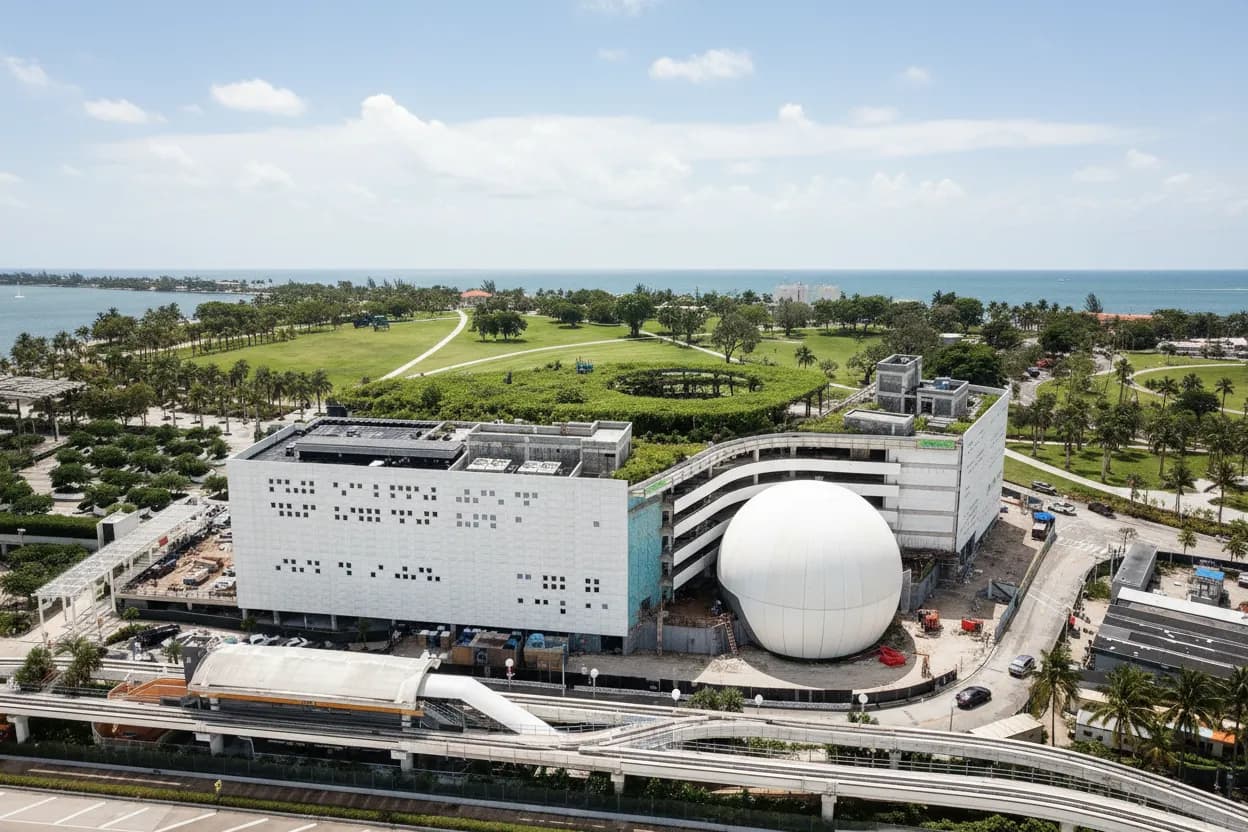
Interest in joanna gaines colorado family trip is really interest in something more useful for Miami parents: a family day that feels intentional before school starts again. The Phillip and Patricia Frost Museum of Science gives that search a local answer without pretending there is any celebrity connection to the venue. On Tuesday, August 4, 2026, the practical plan is a hot-afternoon, daytime-weekend museum outing built around air-conditioned learning, short outdoor exposure, and a clear sequence through the aquarium, planetarium, and hands-on galleries. The goal is not to see everything. It is to leave with one school-year conversation starter per child.
Want the Frost Science route, ticket check, and backup stops in one tap? Text Karpo before you go so your Miami family plan matches the day’s hours, transit alerts, and exhibit fit.

Frost Science at 1101 Biscayne Boulevard as the Anchor Stop
Start with the official basics because they control the whole day: Frost Science lists its museum address as 1101 Biscayne Blvd. in Downtown Miami and posts daily operating hours of 10:00 a.m. to 6:00 p.m. Its Explorer Ticket includes museum exhibitions, the aquarium, and one planetarium show, but the show is based on availability and booked onsite. That matters for families who arrive after lunch, when preferred times can already be gone.
For a back-to-school outing, treat Frost Science as a three-hour learning block rather than a full-day marathon. The venue itself says visitors can spend up to three to four hours if they take in all exhibitions. Younger children may do better with two big goals: the aquarium and one hands-on gallery. Older students can add a planetarium show or a special exhibition if timing, energy, and budget still line up.
Museum Park Station on Metromover for a Cooler Arrival
The strongest transit choice is Metromover when it fits your starting point. Frost Science says the museum is directly adjacent to the Museum Park station on the Omni Loop, and Miami-Dade describes Metromover as a free elevated service operating in Downtown, Omni, and Brickell. For a hot afternoon, that removes the stress of circling for parking near Maurice A. Ferré Park and keeps the first family task simple.
The failure mode is service disruption, not distance. Miami-Dade’s Metromover page currently notes upgrade work, modified Inner Loop operations, and rider alerts, so check the official page before leaving. If an elevator is down and someone in your group uses a wheelchair or mobility aid, Miami-Dade says backup accessible service can be requested at the station. Build in extra time rather than making the planetarium your first reservation target.
Gulf Stream Aquarium for South Florida Science First
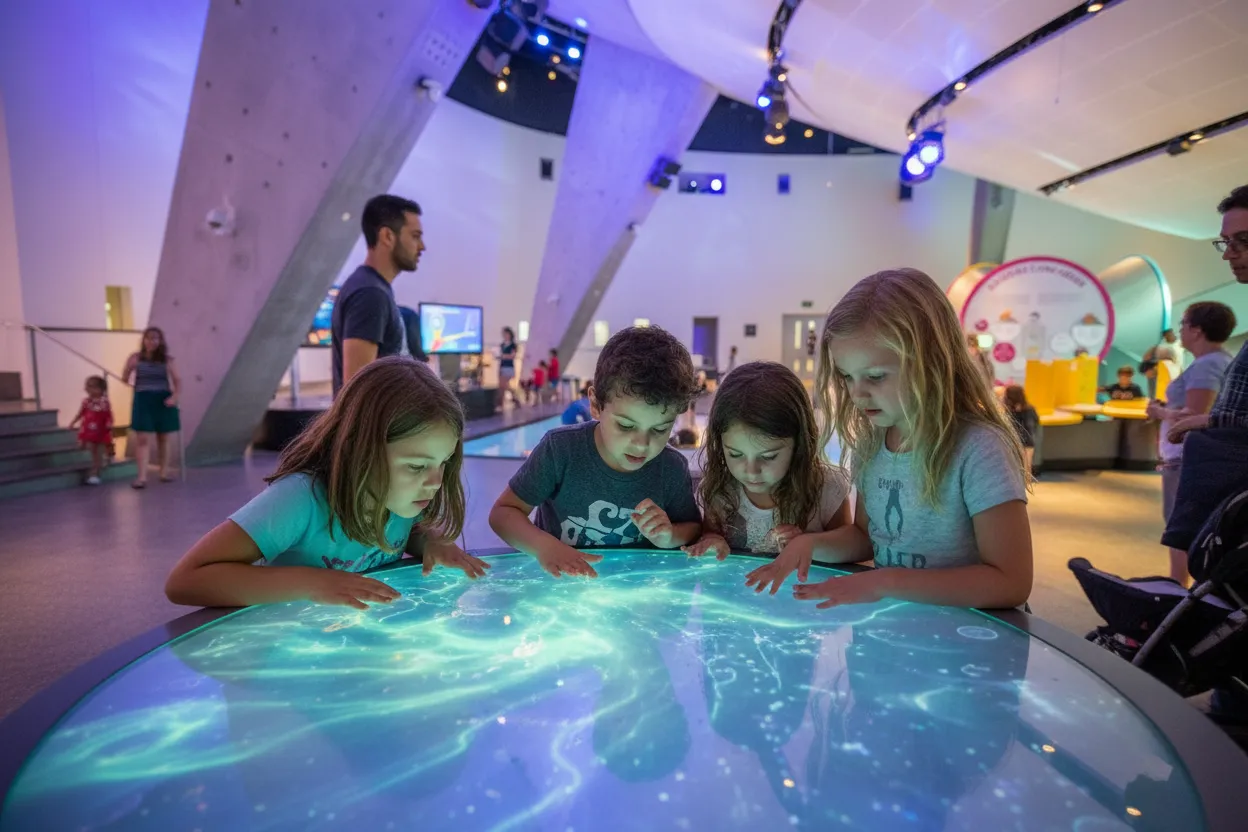
Make the Aquarium the first learning stop if your family arrives organized and still patient. Frost Science describes a three-level Aquarium that moves from surface habitats to underwater views and the Deep, including the Gulf Stream, mangroves, the Everglades, coral reef material, jellies, and the 31-foot Oculus. That sequence gives Miami children a local science thread they can connect to school lessons about ecosystems, climate, and observation.
The tradeoff is that part of the Vista level is open-air, and Frost Science specifically advises visitors to check Miami weather because rooftop terraces and the Aquarium’s Vista level are exposed to the elements. On a hot afternoon, keep the outdoor portion short, use sunscreen, and descend inside before kids get depleted. If storms roll in, shift the conversation from animals outside to what the indoor exhibits show about Florida’s water systems.
Frost Planetarium Kiosk for One Timed Decision
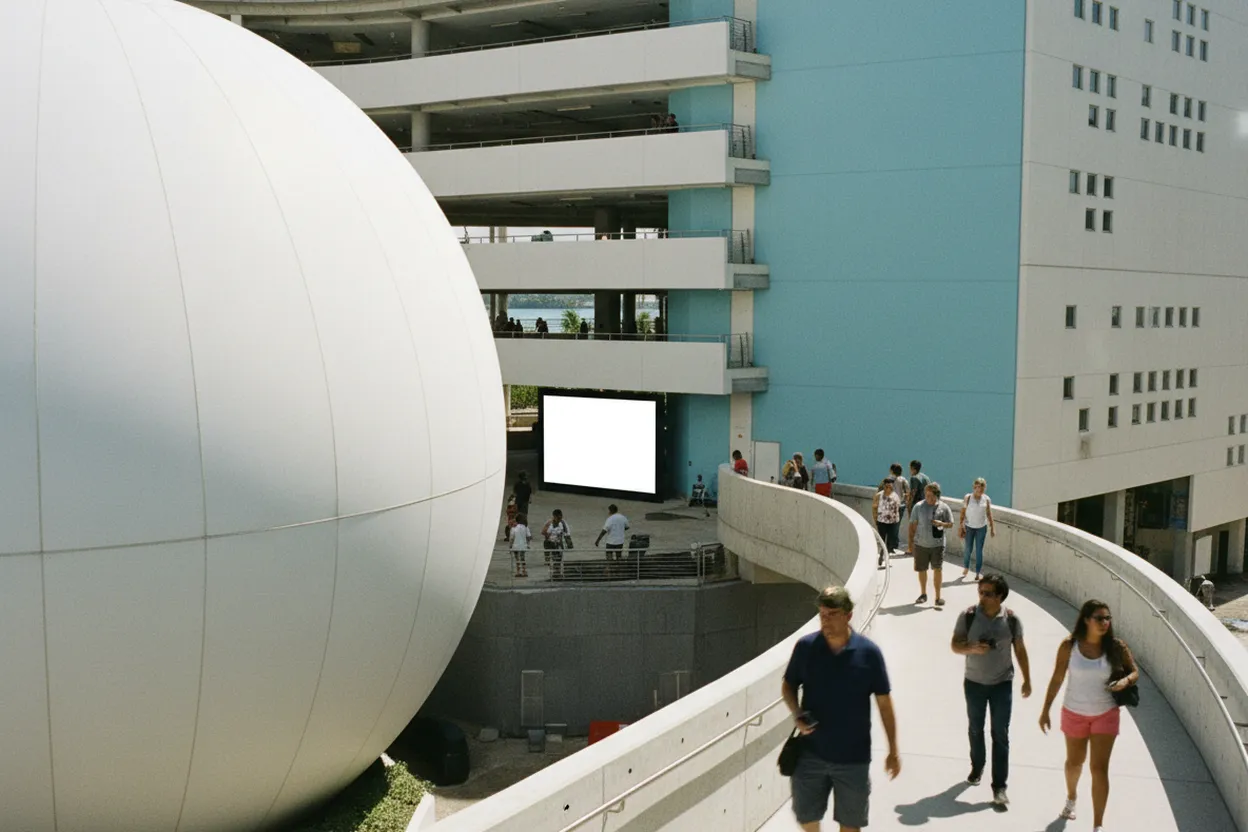
Do not promise children a specific planetarium show until you have confirmed it onsite. Frost Science says show reservations are made on the visit date at the planetarium kiosk or by personal smartphone, and shows are first come, first served. Current listed shows include options such as Spark: The Universe in Us, How to Survive in Space, Dynamic Earth, One Sky, and Lights, Music, Magic, though daily availability should be checked.
For pacing, use the planetarium as the day’s one fixed-time event. Families with younger kids should choose a show that leaves recovery time afterward instead of stacking galleries immediately before and after. Families with middle-schoolers can turn the show into a school-year prompt: ask each child for one question about space, weather, navigation, or storytelling before entering, then compare answers over a snack after the show.
The Dig and Extreme Sports Galleries for School-Ready Questions
Two current exhibitions are especially useful for a back-to-school frame. Frost Science lists The Dig on Level 4 through October 31, 2029, focused on how scientists discover and study ancient life. It also lists Extreme Sports: Beyond Human Limits in the Hsiao Family Special Exhibition Gallery through September 7, 2026. Together, they let a family compare evidence, bodies, motion, risk, and design without making the museum day feel like homework.
Capacity can be the hidden friction point. Frost Science’s field-trip guidance notes limited-capacity entry for The Dig and small-group admission patterns for Extreme Sports during organized trips, which signals that crowded moments may require waiting even for regular families. If attention spans are thinning, pick one gallery and give children a specific object hunt: a fossil clue, a body-performance example, or one design choice that changed what people can do.
Accessibility Desk, Sensory Backpacks, and Mamava Pod
Accessibility planning should happen before the family is tired. Frost Science says elevators serve all museum levels, including an elevator connecting all four Aquarium levels, with wheelchair-accessible restrooms on Levels 1 through 5. Courtesy manual wheelchairs are limited, free with ID, and first come, first served. Sensory toolkit backpacks are also first come, first served at the front kiosk in child and adult sizes.
For families with sensory needs, the useful move is to ask early rather than waiting for overload. Frost Science identifies a Just for Me program for visitors with diverse sensory and accessibility needs and says assistive listening is available for planetarium shows. Nursing families can request access to a Mamava lactation pod through Guest Services or staff. Service animals are allowed, while pets and emotional-support animals are not permitted.
Ticket Page, Bag Rule, and Same-Day Verification Action
The final checklist is mostly about avoiding preventable friction. Frost Science says adult Explorer Tickets start at $29.95, youth ages 4 to 11 start at $24.95, children 3 and under are free, and pricing varies by visit date on the ticket calendar. Bags or purses must be smaller than 14 inches by 12 inches unless they are medical or infant bags, with larger backpacks, duffles, and suitcases stored at entry.
On the morning of your visit, verify four live items before you leave: the ticket calendar price for your date, museum hours or private-event notices, planetarium show availability, and Miami-Dade Metromover alerts for Museum Park. If any one fails, the backup is still workable: arrive earlier, switch to paid garage parking if spaces are available, skip the planetarium, or make the Aquarium and one indoor gallery the whole win.
Tags: #AskKarpo #BeforeYouGo #Miami #FrostScience #MuseumPark #BackToSchool #FamilyLearning #MiamiKids #DowntownMiami #ScienceMuseum #Planetarium #Aquarium #Metromover #WeekendPlan
Sources consulted: Source 1: frostscience.org · Source 2: frostscience.org · Source 3: frostscience.org · Source 4: frostscience.org · Source 5: miamidade.gov · Source 6: people.com
All trademarks are the property of their respective owners.
Ask Karpo first
Tell Karpo your date, group size, budget, and starting point. We’ll check current access, timing, transit, and the cleanest Miami plan for Phillip and Patricia Frost Museum of Science before you head out.