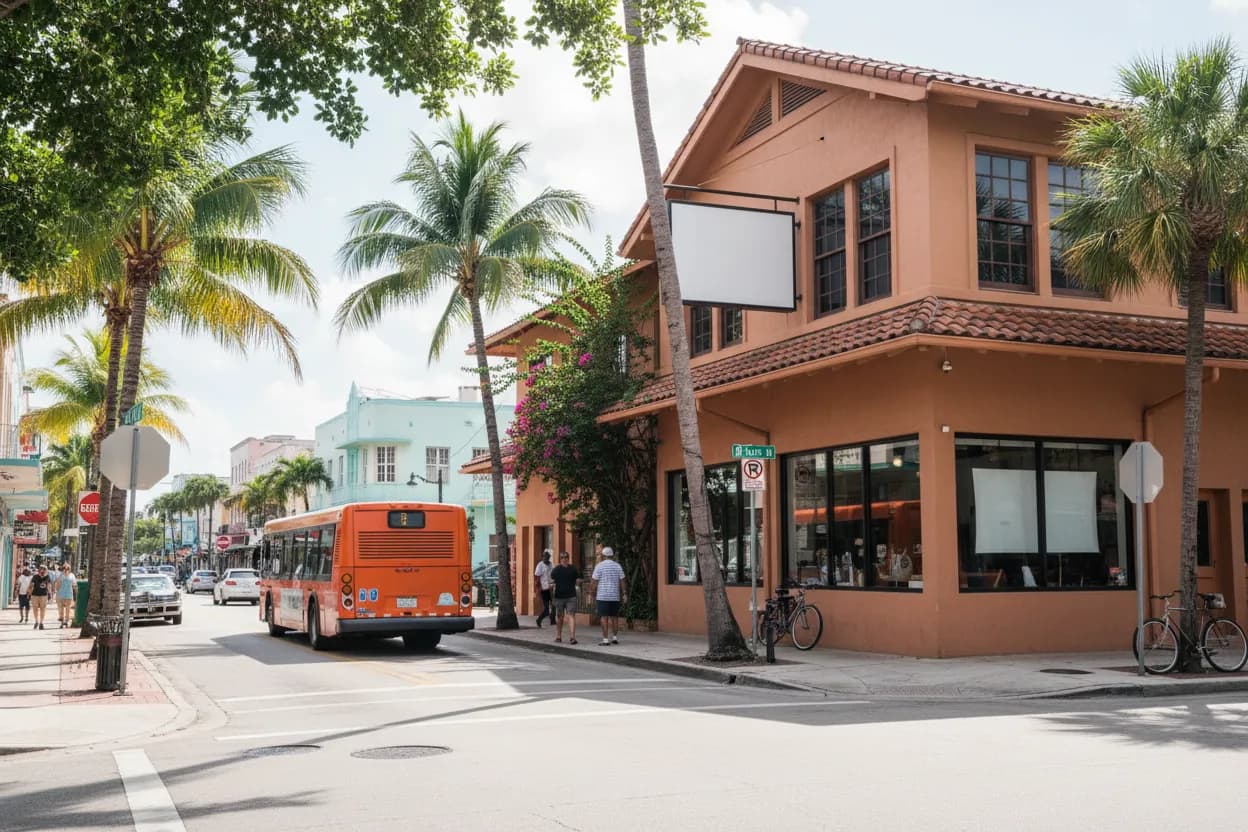
Miami residents searching for ways to respond to the japan earthquake should slow down just enough to make help useful. As of Wednesday, July 29, 2026, official relief channels and local Japan-connected organizations are the safest starting points, especially while early information can shift by the hour. Cash donations, employer matches, verified community briefings, and quiet coordination usually do more than boxes of supplies that no one requested. This guide is built for a humid daytime errand in Miami: easy steps, low drama, and clear backup choices if a fundraiser, link, or venue detail cannot be confirmed before you act.
Want a Miami-specific relief checklist you can use before donating or attending a community event? Text Karpo for verified links, local transit prompts, and last-minute checks tied to Japan support.
Start With the Japanese Red Cross Donation Page
The most direct first move is checking the Japanese Red Cross Society’s current donation listings before sending money anywhere else. Its active page separates domestic disaster relief funds from overseas relief funds and shows acceptance periods, which matters because disaster campaigns open and close. If a new Japan-specific appeal is not visible when you check, do not assume an old earthquake label applies. Use the organization’s official donation navigation and keep a screenshot or receipt for your own records.
Cash is usually the best fit for a Miami resident acting from home, an office in Brickell, or a phone at a cafe. It lets responders buy locally, avoids shipping delays, and reduces the chance of sending unusable supplies into a damaged area. The tradeoff is emotional: money can feel less personal than collecting goods. Solve that by pairing the donation with a note to friends explaining why verified cash beats unrequested blankets, bottled water, or clothing.
Check the Consulate-General of Japan in Miami Before Mailing Anything
Miami has a local official touchpoint: the Consulate-General of Japan in Miami, listed at 80 SW 8th Street, Suite 3200. Its site has previously documented Miami’s relationship with Japan and earthquake commemoration activity, but that does not automatically mean it is accepting donations today. Before mailing a check, showing up with cash, or naming the consulate in a flyer, verify the current notice on its official site or call the posted office line during business hours.
This step is especially important for accessibility and pacing. Downtown and Brickell errands can be harder in humid weather, heavy rain, or for anyone who needs elevators, shade, or a predictable drop-off point. If the consulate has not published a current donation instruction, treat that silence as a stop sign, not an invitation to improvise. Your backup is to use a national or Japan-based official relief channel and reserve in-person visits for confirmed appointments or public events.
Use Japan-America Society of Miami/South Florida for Community Signals
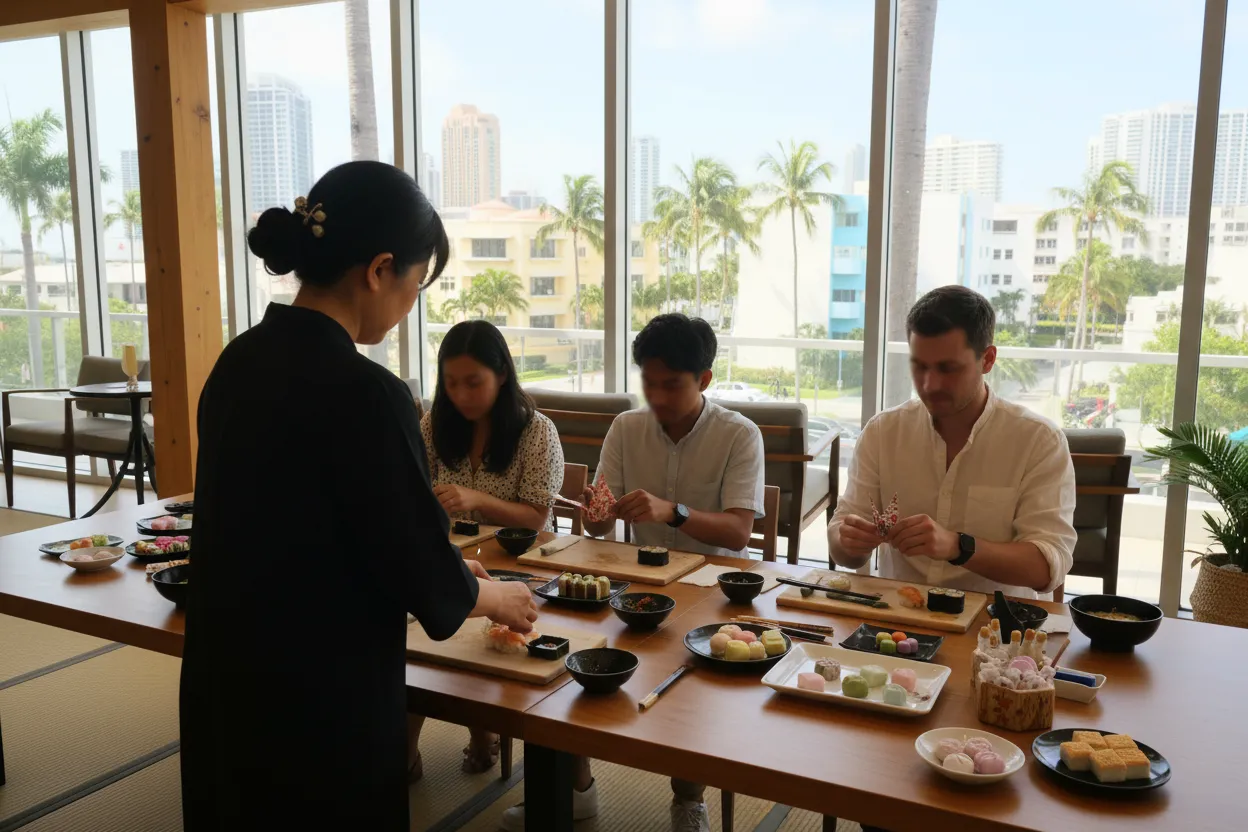
The Japan-America Society of Miami/South Florida is a local nonprofit focused on friendship, education, culture, business, and policy links between South Florida and Japan. For residents who want community context rather than a random viral fundraiser, its website is a reasonable place to check for announcements, volunteer pathways, or partner events. Do not assume every Japan-related group is running disaster relief; read the current page, contact the listed organization, and ask what action is actually requested.
Community groups are useful because they can translate concern into respectful local action: a small briefing, a verified donation page, a school collection policy, or a business match. The failure mode is social momentum outrunning verification. If a WhatsApp post claims a Miami event benefits victims, look for the host, beneficiary, date, refund policy, and donation mechanism. If those details are missing, share the official relief link instead and invite the organizer to publish specifics.
Ride Metromover or Metrorail for Brickell Verification Stops
If your plan includes visiting the Brickell area for a consulate-related question or a meeting with Japan-connected organizers, choose transit deliberately. Metromover and Metrorail can reduce parking friction in central Miami, but service conditions, station access, and weather disruptions can change. Check Miami-Dade Transit status before leaving, carry water, and avoid building a tight schedule around an unconfirmed office visit. Relief work should not require a stressful trip across town for information available online.
For people with mobility needs, heat sensitivity, caregiving duties, or limited time, the better plan may be a phone call plus an online donation from home. That is not a lesser contribution. It is often the most accessible, lowest-waste option. If you do travel, set a simple rule: one verified destination, one clear purpose, and one backup action if the office, event, or meeting cannot accept donations or answer questions that day.
Bring a Verification Script to the Japanese Cultural Exchange Center of Miami
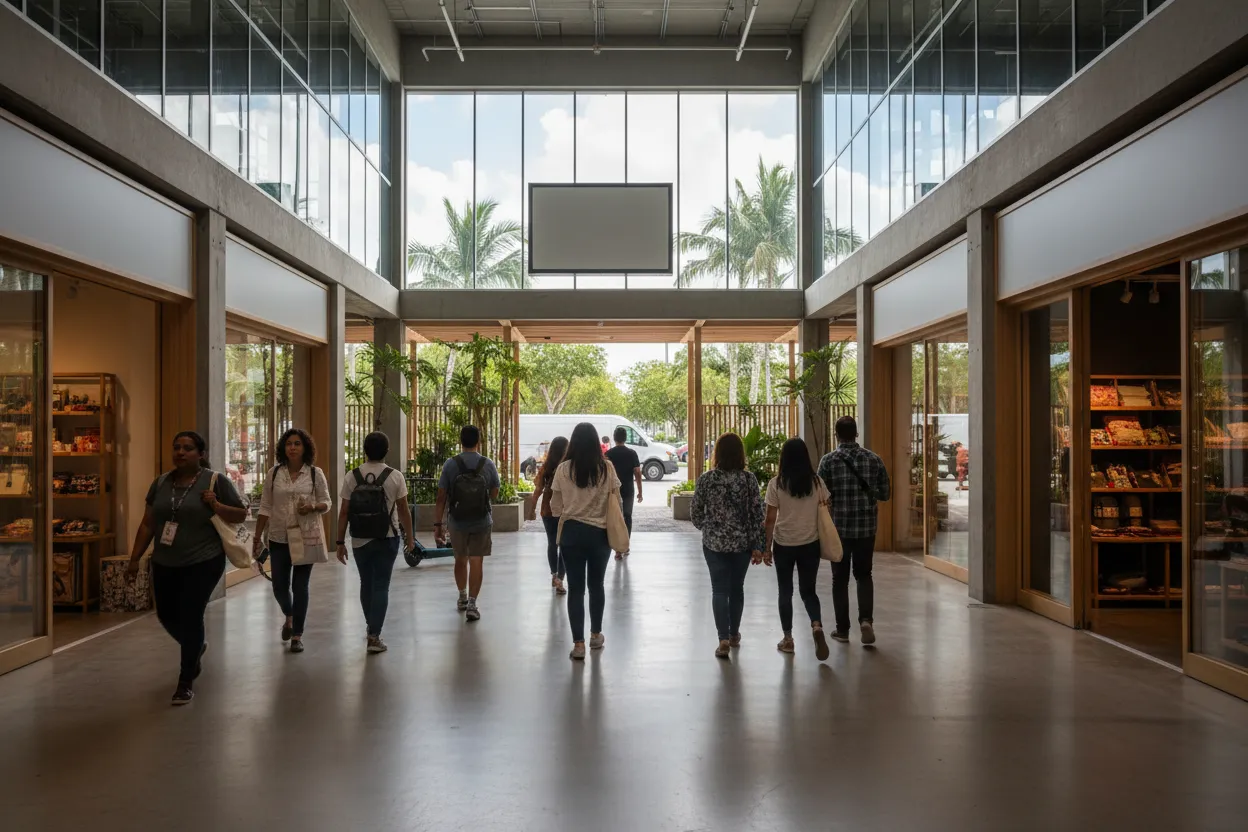
The locked local venue for this guide is the Japanese Cultural Exchange Center of Miami, but venue names, calendars, and affiliations must be verified before you rely on them. If you are using a cultural center, classroom, meetup space, or community room as a gathering point, bring a short script: Who is hosting? Which relief organization receives funds? Is the donation tax-deductible in the United States? Will receipts be issued? When will totals be reported?
That script protects both donors and organizers. It keeps compassionate people from pressuring volunteers for instant answers, and it gives the venue a clear way to say, “We are sharing information only,” if no fundraiser is authorized. The strongest Miami support event may be a quiet public learning table with QR codes to official sources, not a cash box. If a venue cannot confirm its role, keep the gathering educational and let attendees donate independently.
Ask Your Miami Employer About Matching Gifts Before You Donate
A practical Miami office move is to check employer matching before making the first donation. Banks, hospitality companies, universities, hospitals, law firms, and logistics employers may have approved charitable platforms that can double an eligible gift or route it through a U.S. 501(c)(3). The catch is timing: some portals require preapproved charities or exact campaign names. Search the portal for Japanese Red Cross, American Red Cross international relief, or other vetted disaster partners before entering payment details.
If your employer’s system does not list a Japan-specific campaign, ask human resources whether a general disaster relief fund is eligible and whether restrictions can be noted. Avoid stretching the truth in memo fields; a match only helps if it reaches the intended purpose. For freelancers, students, and retirees, the parallel action is simpler: donate directly through verified channels, then share a concise post explaining the source you used and why you avoided unverified links.
Do One Final Source Check Before Sharing a Miami Fundraiser
Before you share any Miami fundraiser, run one last check in this order: official Japan government or consulate notice, Japanese Red Cross listing, local host page, charity rating or registration, and payment destination. Look for exact dates, named beneficiaries, and whether administrative costs or platform fees are disclosed. If the event promises urgent access, special rescue contacts, or guaranteed delivery without evidence, do not amplify it. Calm skepticism protects the people the fundraiser claims to serve.
Your final action should be specific and repeatable: open the source links again on the day you donate, confirm the campaign is still active, save the receipt, and update any post if details change. For Miami readers, the easy plan is a verified online donation, one local community check, and a brief share that points others to official channels. That combination respects distance, humidity, limited time, and the real needs of disaster response.
Tags: #Miami #JapanEarthquake #DisasterRelief #JapaneseRedCross #JapanAmericaSociety #Brickell #MiamiCommunity #VerifiedGiving #PublicService #FreeThingsToDo #DonateSafely #CommunitySupport #AskKarpo #BeforeYouGo
Sources consulted: Source 1: mofa.go.jp · Source 2: jrc.or.jp · Source 3: jasmsfl.org · Source 4: miami.us.emb-japan.go.jp · Source 5: theguardian.com
All trademarks are the property of their respective owners.
Ask Karpo first
Tell Karpo your date, group size, budget, and starting point. We’ll check current access, timing, transit, and the cleanest Miami plan for Japanese Cultural Exchange Center of Miami before you head out.


