 Wynwood Domino Set Gift Browsing Walk: Acrylic Designs
Hidden Gems & Odd Finds
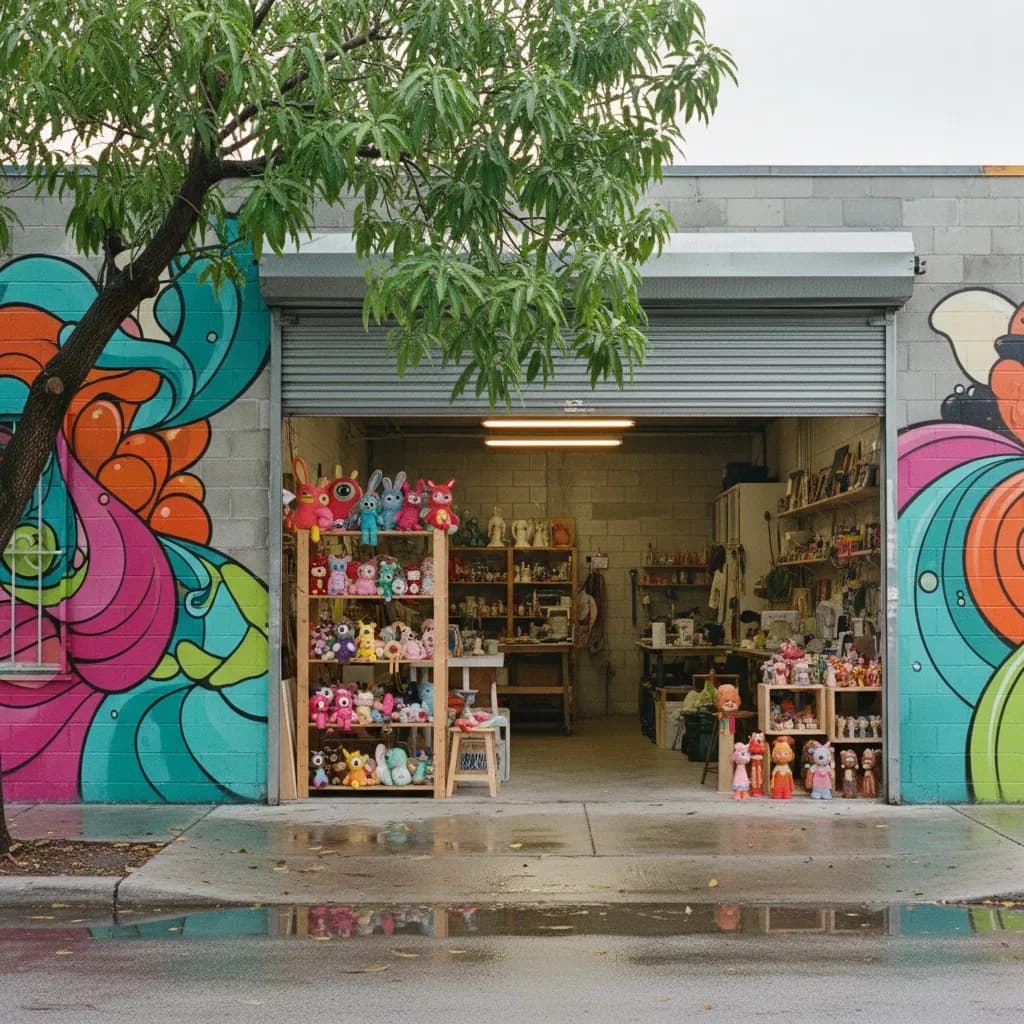
Independent Toy Shop Finder: Little River Handmade Toys
Little River's toy finds come from maker studios and warehouse pop-ups, not chains. Go on a weekend and meet the people who sew, carve and paint them by hand.
Little River is not where you would expect to go toy shopping, and that is its charm. This low-slung pocket of north Miami, laced with railroad tracks, mango trees and old industrial buildings, has filled up with artist studios, small workshops and design collectives. Some of those makers sew stuffed animals, carve wooden figures or paint tiny ceramic creatures, and they sell straight from the space where the work happens. Plan a weekend visit, when more roll-up doors are open and studios welcome walk-ins.
From Warehouses to Workshops
For decades these blocks were mostly storage, auto shops and small factories. As rents rose in Wynwood and the Design District, artists and craftspeople drifted north into Little River's wide, cheap spaces with high ceilings and loading docks. Today a single warehouse might house a ceramics studio, a printmaker, a woodworker and a textile designer, each with a corner of shelving where finished pieces wait for buyers. Toys are rarely the main product, which makes finding them feel like a small discovery.
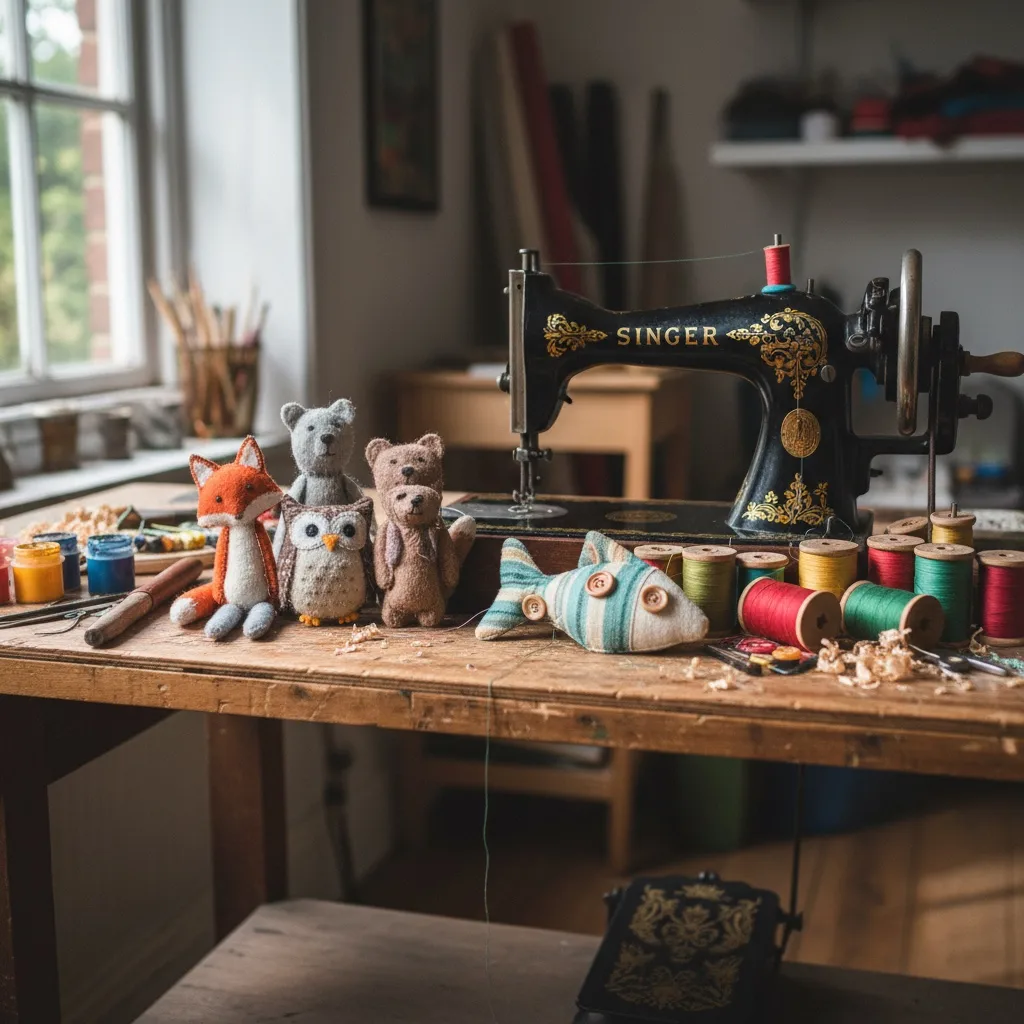
The handmade pieces you find here carry fingerprints, literally. A felt fox might have slightly uneven whiskers, a wooden whale may show the grain where the chisel turned. That character is the reason to come. Children respond to toys that are obviously made by a person, and when they get to meet that person, the gift comes with a story that no big-box toy can match. Ask the makers how long a piece took, and listen to the answer together.
What Makers Here Tend to Make
Textile artists in the neighborhood often turn offcuts into plush animals, finger puppets and soft blocks for babies. Woodworkers produce pull-along animals, simple cars and spinning tops, sometimes from reclaimed lumber found in the very buildings they work in. Ceramicists make little figurines, tiny tea sets and decorative critters, which are better suited for display than for rough play. Printmakers may sell coloring sheets or illustrated card decks that work beautifully as stocking stuffers.
Expect small batches. A maker might have only three of a particular toy on the shelf, and when they are gone, the next run could be weeks away. If something catches your eye, it is fine to ask whether they take commissions or can make a version in a favorite color. Many are happy to, as long as you give them enough lead time. Just be clear about the age of the child, because safety details like eyes and small parts matter.
Older kids often gravitate toward the tools rather than the toys. A beginner's carving set, a small loom or a bag of clay with a few sculpting sticks can be more exciting to a ten-year-old than any finished figure. Some studios run family workshops or sell starter kits made from their own materials, which is a lovely way to bring the neighborhood home. Ask whether the kit includes everything needed, so the project does not stall on day one.
Planning a Loop With Kids
The neighborhood is spread out and the sidewalks can be uneven, so a stroller with sturdy wheels or a carrier works better than a lightweight buggy. Start with a café or bakery to fuel up, then visit two or three studios before the heat peaks. Weekend markets and open-studio events bring the most activity, with food vendors, music and makers set up in courtyards, which turns a shopping trip into a small festival for children.
Let kids help with the hunt by giving them a mission: find a toy made of wood, one made of fabric and one made of clay. It keeps them looking closely at shelves rather than rushing through. Tell them that the people they meet made what they are looking at, and encourage a question or two. Most makers enjoy talking to young visitors, and a child who has met the person behind a toy tends to treat it with real care.
An Honest Word on Price and Patience
Handmade toys reflect hours of work, so they cost more than a mass-produced equivalent. If budget is tight, focus on one meaningful piece rather than several small ones, or look for seconds with tiny flaws that makers often sell at a gentler number. Skip the urge to haggle hard in a studio. Unlike a vintage dealer, a maker sets prices based on their own time, and polite interest goes further than pushing for a discount.
Some days you will find studio doors closed even when you expected them open, because makers are also working artists who travel to fairs, teach classes or simply need a quiet day. Build a flexible plan with a few backup stops and enjoy the street art, the old railway crossings and the tropical gardens peeking over fences. Little River rewards wandering, and the walk itself is part of what kids remember.
Using Karpo APP to Find Studios and Markets
Ask Karpo APP for maker studios, artisan markets and small gift shops in Little River that might carry handmade toys. Add the child's age and whether you want something soft, wooden or decorative, and Karpo will suggest nearby places and a sensible order to visit them. You can also ask about nearby bakeries or shaded parks where the family can take a break between stops.
Because studio schedules shift, the most useful approach is to plan a short list and stay flexible. Karpo helps you organize the route, while the makers themselves tell you what they have that day. If you love the experience, ask Karpo afterwards for similar maker neighborhoods elsewhere in Miami, so the next gift hunt has a different flavor.
Practical Notes Before You Go
Wear comfortable shoes and bring water, since shade can be patchy between buildings. Carry a sturdy bag for fragile ceramic pieces and ask makers to wrap anything breakable. Some studios accept only cards, others prefer digital payment, so have both options ready. If you are buying for a baby, ask about materials and finishes, as many makers use natural dyes and food-safe oils and are glad to explain their choices.
Most of all, give yourself time. A Little River toy hunt is less about crossing items off a list and more about meeting people who make things by hand. Children who see that process up close often go home wanting to make something themselves, and a simple craft kit picked up on the way out can turn that spark into an afternoon project the following weekend.
Ask Karpo for more information.
Keep reading
- Wynwood Domino Set Gift Browsing Walk: Acrylic Designs
 Coral Gables Domino Set Gift Browsing Walk: Wood Sets
 Little Havana Domino Set Gift Browsing Walk: Clay Tiles