 Wynwood Domino Set Gift Browsing Walk: Acrylic Designs
Hidden Gems & Odd Finds
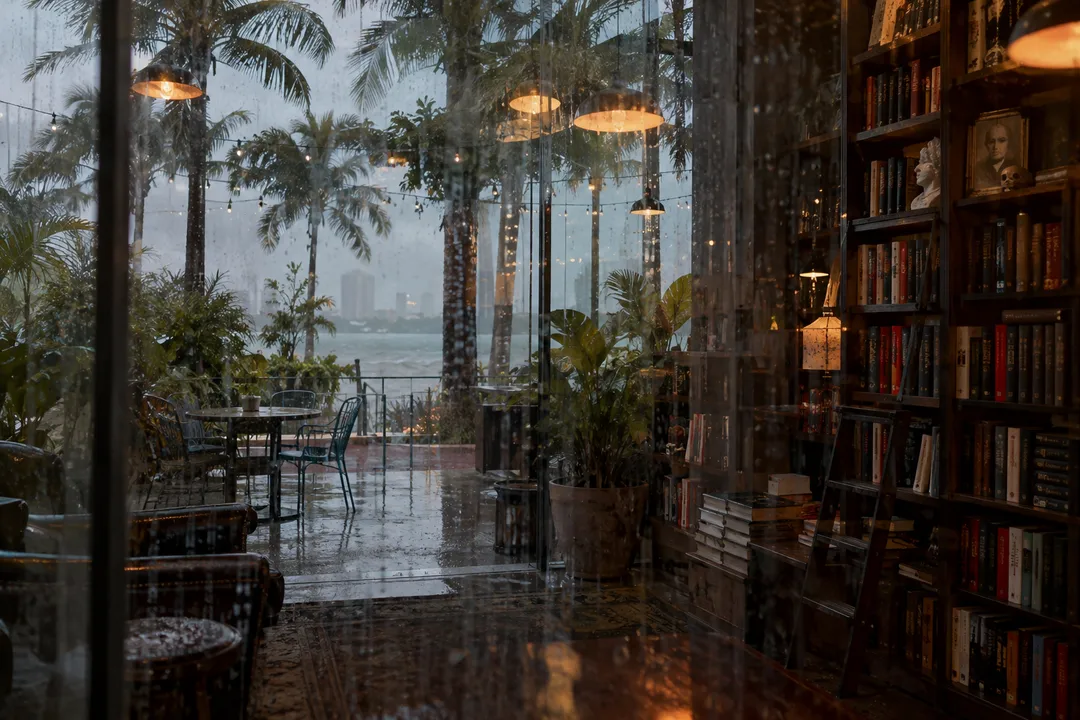
Miami Horror Bookstore: Build A Rainy Day Browse
Build a Miami horror bookstore rainy-day plan around psychological suspense, one indoor stop, and a fallback that keeps the route flexible. Stay practical.
Rain changes the useful shape of a Miami horror-bookstore search. This sheltered brief is for psychological suspense, humid noir, and short mysteries that can travel after a storm. Ask for one indoor destination, a compact read, and a no-buy branch. Karpo APP can organize the decision. It cannot confirm a closing time, reserve a copy, or know whether a wet afternoon changed a merchant's plan.
Shape a Miami brief around the mood
Start with the shelter you need rather than the title you think you should want. Say whether you prefer an unreliable narrator, a family secret, or a brief mystery with a damp-city mood. Add a small ceiling. A precise request keeps the results from expanding into every thriller in the metro area and makes the fallback part of the first plan.
Read the first answer for calm clarity. Ask each candidate to explain pace, emotional weight, and why it suits a rainy browse. If two suggestions are interchangeable, request a difference in length or setting. The seller's own current listing is the proper place to confirm inventory and access. The planner should help you decide what deserves that check, not imitate it.
Separate reading copies from collectibles
Use one favorite and one limit in the next prompt. You can welcome psychological tension but skip graphic violence, or want a paperback that fits a wet commute. Explain that a compact read matters. Those constraints let the assistant find a neighboring title when the obvious choice is absent and keep an atmospheric cover from doing more work than the actual reading brief.
A rain-day purchase still has a physical form. Separate an ordinary paperback, an illustrated hardback, and a signed copy, then ask which condition and return questions belong to each. Do not ask the tool to authenticate an item from a photograph. A seller-stated price is a fact about one listing, not a guarantee that every nearby copy costs the same.
Give the route one indoor stop and one way out. A rainy-day single-stop plan is easier to follow than a long chain of transfers. Ask Karpo to rank shelter and travel separately from mood fit. If the storm worsens, the fallback should remain inside or close to transit. A plan that survives the weather is more valuable than a larger list.
Turn a shortlist into a route
Put evidence in plain view. A category page or staff note may support a lead, but it cannot prove that a copy is available after the rain starts. Ask the answer to identify the sentence you should check with the seller. That label prevents a hurried reader from treating editorial confidence as a promise and keeps the visit grounded.
Compare two options by how well they work under shelter. Consider reading length, portability, tone, route, and the question each seller needs to answer. Ask for a deciding sentence and a backup. The best rainy browse may be the less glamorous book that fits the commute, not the title that would have won on a dry Saturday.
Keep evidence beside every suggestion
Protect the small ceiling and the no-buy outcome. Leave when every candidate misses the format, the route becomes awkward, or the rain makes another transfer unwise. Tell Karpo to keep that stopping rule visible. A plan that lets you go home without spending is still a complete response to a weather problem.
An indoor alternative within the same district can keep the route useful, but do not invent its hours, price, or house number. Ask for a direction and verify the venue separately if you decide to go. The planning layer can compare distance and tone. The local operator remains the source of truth when sidewalks and schedules change.
Protect the ceiling and the return trip
Make the storm explicit in the timing. Carry a sleeve, protect your pages, and ask whether the browse can move later without an approximate opening claim. If the answer lacks a schedule, write a question for the merchant. That is more responsible than copying an old hour into a plan meant for a day when rain is already rewriting the route.
Practical notes should cover how long you can wait indoors, whether a step-free entrance matters, what you can carry, and which payment or return question you need answered. Ask the shop directly. The tool cannot promise a dry seat, a hold, or a bag. It can keep those ordinary needs from disappearing beneath the mood language.
Make the fallback part of the plan
When the rain stops, note the tradeoff. Did psychological suspense travel better than a longer novel? Was the indoor fallback enough? Tell Karpo which part of the plan should stay. A short weather debrief gives the next Miami search a real constraint instead of another generic adjective and helps you spend less time correcting the same mistake.
End with a dry next step: save one candidate, write one seller question, and mark the indoor fallback. The sheltered voice can stay moody without inventing facts. Current stock and hours belong to the merchant. Your choice may be a purchase, a later return, or the pleasure of getting home with the right paperback protected from the storm. Rain rewards a plan that is willing to stop. If the storm fills the road, protect the paperback and return home rather than turning a short browse into a test of endurance. If the clouds lift, keep the indoor alternative optional. Ask the assistant to preserve the reason you chose the compact mystery, the price boundary you protected, and the seller question you still need answered. Those details are more durable than an approximate schedule. They will help the next search feel calm even when Miami weather is not cooperating. A sheltered browse can end without a purchase and still improve the next request. Save the question that remained unanswered, the route that felt simplest, and the format that stayed dry. That small record helps the planner understand your real priorities. The next storm will then find you with a better brief and less pressure to improvise. A rainy plan earns its value by making the exit easy. Protect the pages, keep the question for the seller, and let the next dry day carry any unfinished browse.
Ask Karpo for more information.
Keep reading
- Wynwood Domino Set Gift Browsing Walk: Acrylic Designs
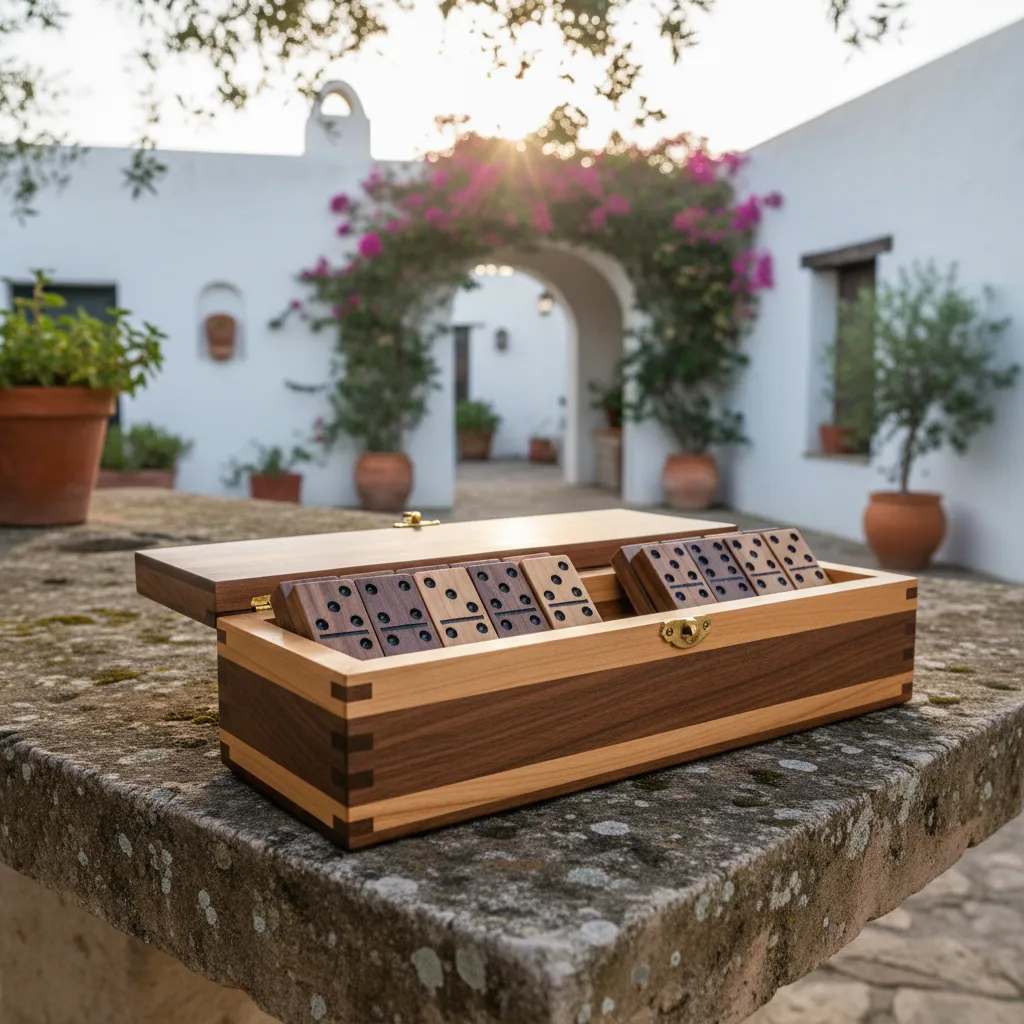 Coral Gables Domino Set Gift Browsing Walk: Wood Sets
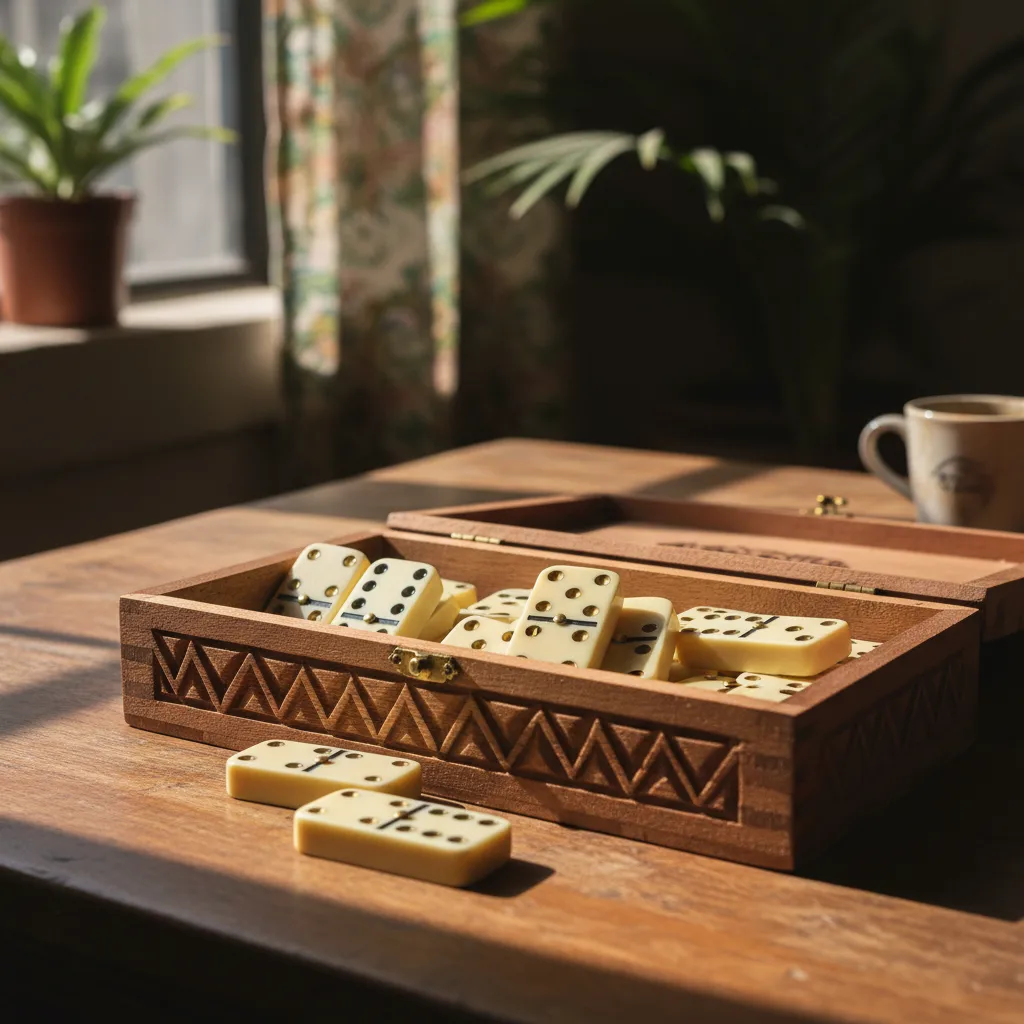 Little Havana Domino Set Gift Browsing Walk: Clay Tiles