 Wynwood Domino Set Gift Browsing Walk: Acrylic Designs
Hidden Gems & Odd Finds

Miami Horror Bookstore: Compare Horror Editions With Care
Compare Miami horror bookstore editions by illustration, condition evidence, and travel fit before deciding whether a collectible earns the trip.
For a Miami collector, the horror-bookstore search begins at the display table. This curatorial brief is for art books, illustrated monsters, and contemporary horror where paper, image, and binding matter. Tell Karpo APP what kind of comparison session you can make and tie the ceiling to condition. The planner can organize a shortlist; it cannot authenticate an object or guarantee that an edition is still at the counter.
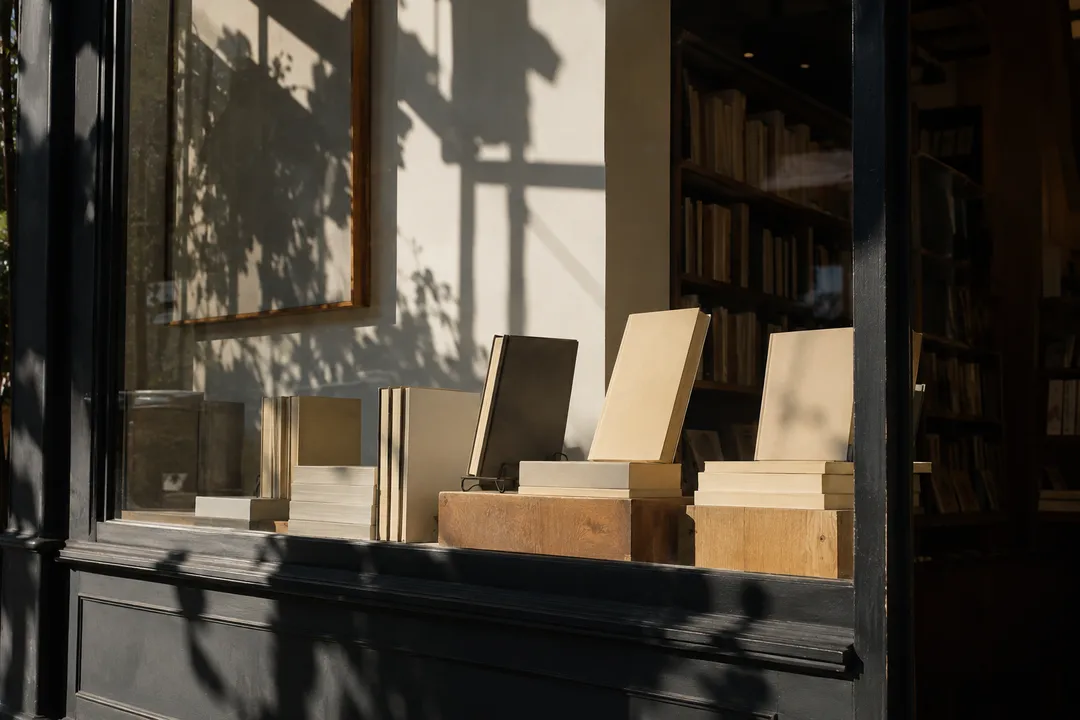
Start with the object, not the aura
Name the visual evidence you value. You may care about illustration credits, paper stock, a slipcase, or a signature that sits in a particular place. Ask for those fields rather than the vague word rare. A precise brief gives a seller something useful to answer and keeps the recommendation from equating scarcity with quality. The final inspection remains yours.
Request three distinct candidates: one image-led book, one contemporary title with a strong design idea, and one object whose material is the story. Ask why each fits and what remains unknown. The categories prevent a glossy cover from doing all the persuasive work. A current listing may support a lead, but only the merchant can speak for the copy in front of you.
Separate reading copies from collectibles
Use a personal visual filter. Explain whether you prefer grotesque linework, surreal color, or restrained black-and-white plates, and whether the book must fit a shelf or a carry bag. Mention the tactile object you want, not just the mood. That language helps Karpo suggest adjacent choices without claiming that every illustrated monster book shares the same audience.
Condition evidence deserves its own paragraph in the comparison. Ask about binding, pages, jacket, insert, signature, and stated restoration. Keep a listed price beside the evidence rather than treating it as a valuation. The assistant can create a question list. It cannot inspect a corner, authenticate a signature, or predict what a collector will value later.
A collector-led session still needs a humane route. Choose one primary stop, one return line, and enough time to examine an object without rushing. Ask the planner to score travel separately from visual appeal. A gallery-minded pause can be optional. Heavy sun outside and cool air inside may make the shorter route the better one, even when another destination looks more glamorous on a map.
Turn a shortlist into a route
Keep documented facts and editorial judgment side by side but distinct. A publisher page may explain the art; a merchant page may describe the edition. Neither confirms the state of the individual copy. Ask Karpo to flag that gap in each recommendation. The collector then knows where to look closely and where to ask a specialist before taking out a wallet.
Build a grid with columns for image, material, evidence, price stated by the seller, and route. Ask which tradeoff matters most to this collection. A less famous book with excellent paper may beat a louder title with uncertain condition. Choose a primary and a reserve. The value of the grid is clarity, not a pretend numerical score for taste.
Keep evidence beside every suggestion
Tie the stopping rule to the condition ceiling. Walk away when the object lacks the evidence you need, the seller-stated price exceeds the boundary, or the journey leaves no time to inspect it. No purchase is a valid collecting decision. Keeping that choice visible protects the collection from heat, hype, and the feeling that a long trip must end in a transaction.
A gallery-minded route can add context, but do not invent its schedule. Ask for a short optional pause and leave door numbers, admission, and opening claims to the venue's own page. If the pause becomes essential, verify it separately. Karpo can compare atmosphere and distance; it cannot turn an old map line into current access information.
Set a stopping rule before you leave
Heavy sun and cool interiors create their own logistics. Carry a sleeve, allow time for air-conditioning transitions, and keep the object out of a hot car. Ask whether timing can move without writing an approximate opening hour. A missing schedule is a question for the shop or organizer, never a blank to fill with optimistic guesswork.
Curatorial practical notes include how you will carry a large book, whether an entrance is step-free, and which receipt or return question matters. Put those questions beside provenance. Sellers control bags, holds, payment, seating, and exchanges. The tool keeps your checklist together so fascination does not make you forget the ordinary safeguards of collecting.
Make the fallback part of the plan
After the comparison, write a provenance note for yourself. Did image quality outweigh a signature? Did the route leave enough time to inspect the paper? Did a contemporary object feel more honest than a hyped older one? Feed the answer into Karpo APP. A collection becomes clearer through remembered choices, not through an ever-growing pile of links.
Choose the next action deliberately. Save one object, record one evidence question, and keep one alternative that respects condition. The curatorial tone can remain excited without promising rarity. Current stock belongs to the seller and authenticity belongs to the specialist. You decide whether this Miami horror-bookstore stop earns a purchase, a wait, or a better question. A curatorial search can end with an object that is modest but exact. The right paper, image sequence, or binding may matter more than a famous name. If the evidence is thin, leave the candidate on a note and ask the seller what would clarify it later. Do not confuse a dramatic presentation with proof. Record the route, the questions, and the reason you chose to wait or buy. That small archive becomes a personal reference for future Miami searches. It also lets Karpo distinguish your taste in material from a temporary fascination with rarity, which makes every later comparison more useful. Keep a collector's patience visible in the final note. If you need another photograph, a condition answer, or a specialist opinion, say so. Waiting protects the object and the budget. A later request can use that evidence as a filter, which is more useful than chasing a new list of expensive-looking editions every time the mood strikes.
Ask Karpo for more information.
Keep reading
- Wynwood Domino Set Gift Browsing Walk: Acrylic Designs
 Coral Gables Domino Set Gift Browsing Walk: Wood Sets
 Little Havana Domino Set Gift Browsing Walk: Clay Tiles