 Wynwood Domino Set Gift Browsing Walk: Acrylic Designs
Hidden Gems & Odd Finds

Miami Horror Bookstore: Budget Paperback Picks For Tonight
Set a practical ceiling for a Miami horror bookstore search, then compare approachable paperbacks with route length and a no-buy option. Stay practical.
A Miami horror-bookstore search for tonight should respect the clock, parking, and the amount of cash you actually want to spend. This pocket brief favors supernatural paperbacks, quick reads, and welcoming classics. Tell Karpo APP the budget and the time you can browse, then ask for one primary stop and one backup. A useful answer leaves room for a simple decision instead of turning a short errand into a citywide hunt.
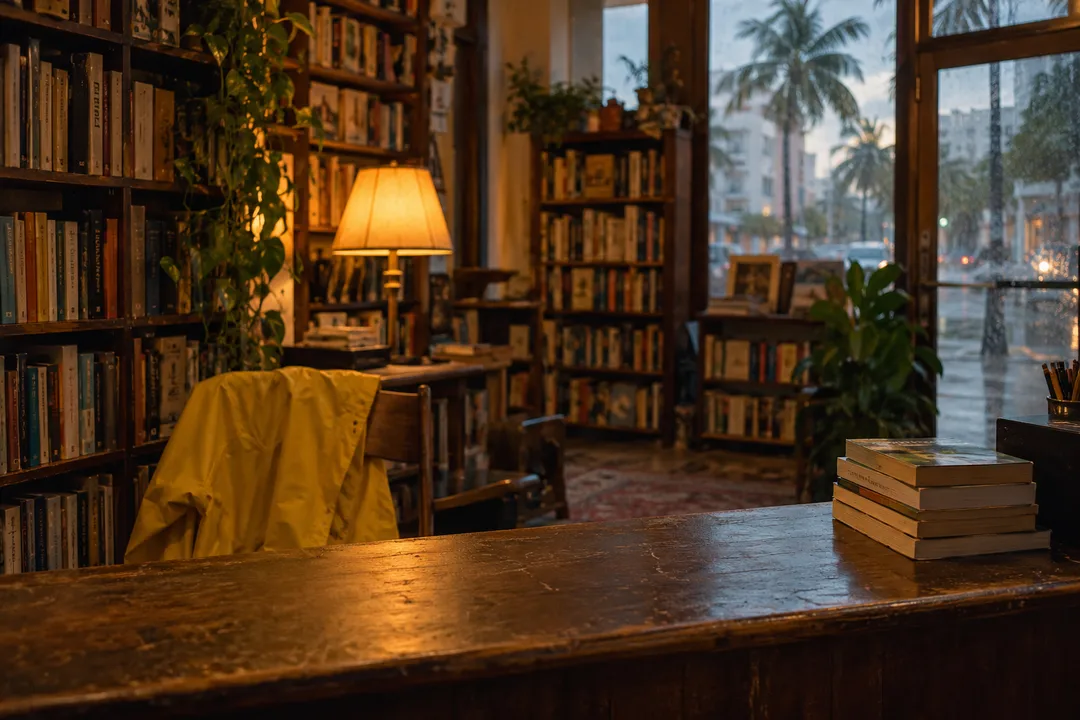
Shape a Miami brief around the mood
Name the first page you want to read. You might want a compact ghost story, a friendly classic, or a supernatural mystery that does not demand a month of commitment. Add the cash limit and the air-conditioned detour you can manage. Those details help the planner remove grand, impractical suggestions before they become another tab you will never open.
Use the first results to check ease as well as mood. Ask each one to state the reading length, tone, and practical reason it belongs on tonight's list. A famous doorstop may be less useful than a modest paperback you can start immediately. Current price and stock still come from the seller. The planning layer only helps you decide which listing deserves attention.
Separate reading copies from collectibles
Give the second prompt a favorite and a boundary. Perhaps you want supernatural fiction but not a series, or a classic that feels approachable after a long day. Explain that low commitment matters. The assistant can then suggest a neighboring title without claiming that every affordable-looking book will suit your mood or fit the time you have left.
Keep format questions brief but real. Ask whether the copy is used, new, illustrated, or signed, and which condition detail affects the decision. A seller's stated price can guide the budget; it cannot authenticate a book or promise that another branch has the same number. Make the question list small enough to use at a counter with a tote in one hand.
Parking and a short clock are route facts, not afterthoughts. Choose one start, one finish, and a maximum number of stops. Ask Karpo to rank ease separately from atmosphere. A brief air-conditioned detour is welcome only if it leaves time to get home. The best plan for tonight may have one stop and a clear reason for not adding another.
Turn a shortlist into a route
Ask the tool to identify evidence without pretending to be a live feed. A catalog section or staff note can support the genre lead. The current merchant page can answer availability, price, access, and timing. Put those roles beside the suggestion. A quick shopper can then act on a useful lead without confusing editorial language with a guarantee.
Compare candidates on four practical lines: mood, reading length, route, and cash. Ask for one winner and a backup that remains within the limit. A welcoming classic may beat a dramatic new release if it fits the evening. The comparison should make the tradeoff visible, not hide it beneath a long paragraph of praise.
Keep evidence beside every suggestion
Set the stop rule before you leave. End the browse when the cash limit is reached, parking becomes a second errand, or no copy meets the format requirement. A no-buy result keeps tomorrow flexible. Tell Karpo to retain that branch. A small budget plan is successful when it helps you choose deliberately, including the choice to wait.
The air-conditioned detour should be brief and optional. Ask for a direction rather than inventing hours, prices, or a door number for a nearby place. If the extra stop earns your time, open its current page separately. The planner can compare tone and distance; local operators control the details that make a quick Miami errand work.
Protect the ceiling and the return trip
Heat is logistics. Move the browse earlier, keep a book out of a hot car, and ask for a fallback if parking or weather shifts. Do not write an approximate opening time into the article. If a schedule is missing, make it a seller question. That keeps the plan useful tonight without pretending the city has a fixed, frictionless timetable.
Practical notes can fit on a phone-sized checklist: browse minutes, step-free access if needed, payment, receipt, and one return question. Ask the shop rather than assuming. A light bag and a clear limit make a short read feel like a treat. Karpo helps you remember the questions; it does not set the store's policy.
Make the fallback part of the plan
On the way home, record the immediate winner. Was the compact ghost story right? Did the parking plan save the evening? Should the next request include a different ceiling? Tell Karpo the answer. A two-sentence debrief is a better starting point for tomorrow than another unsorted collection of search results.
Finish tonight's plan with three actions: save one book, write one seller question, and keep one backup inside the cash limit. The direct voice stays practical without stripping away the fun of a strange story. Current stock and price belong to the merchant. You decide whether to buy, return later, or leave with a next read in mind. A tonight search can still create a longer reading habit. After the first page, mark whether the low-commitment format helped you start or whether you wanted a bigger story. Keep the cash limit as a guide, not a challenge to spend it. If parking or heat made the detour annoying, shorten the next route. Tell Karpo what made the quick browse feel generous: the welcome, the choice, the cover, or simply the fact that you got home on time. That note turns one pocket-sized errand into a better plan for the next evening. If the first book is exactly right, let the night end there. If it is not, keep the backup for another day rather than spending to make the errand feel complete. A short note about what you wanted to read is enough. The next Miami search can begin with that note and a fresh, manageable clock. A short errand can leave a useful trail. Save the title, the limit, and the reason the route worked so tomorrow begins with a better brief.
Ask Karpo for more information.
Keep reading
- Wynwood Domino Set Gift Browsing Walk: Acrylic Designs
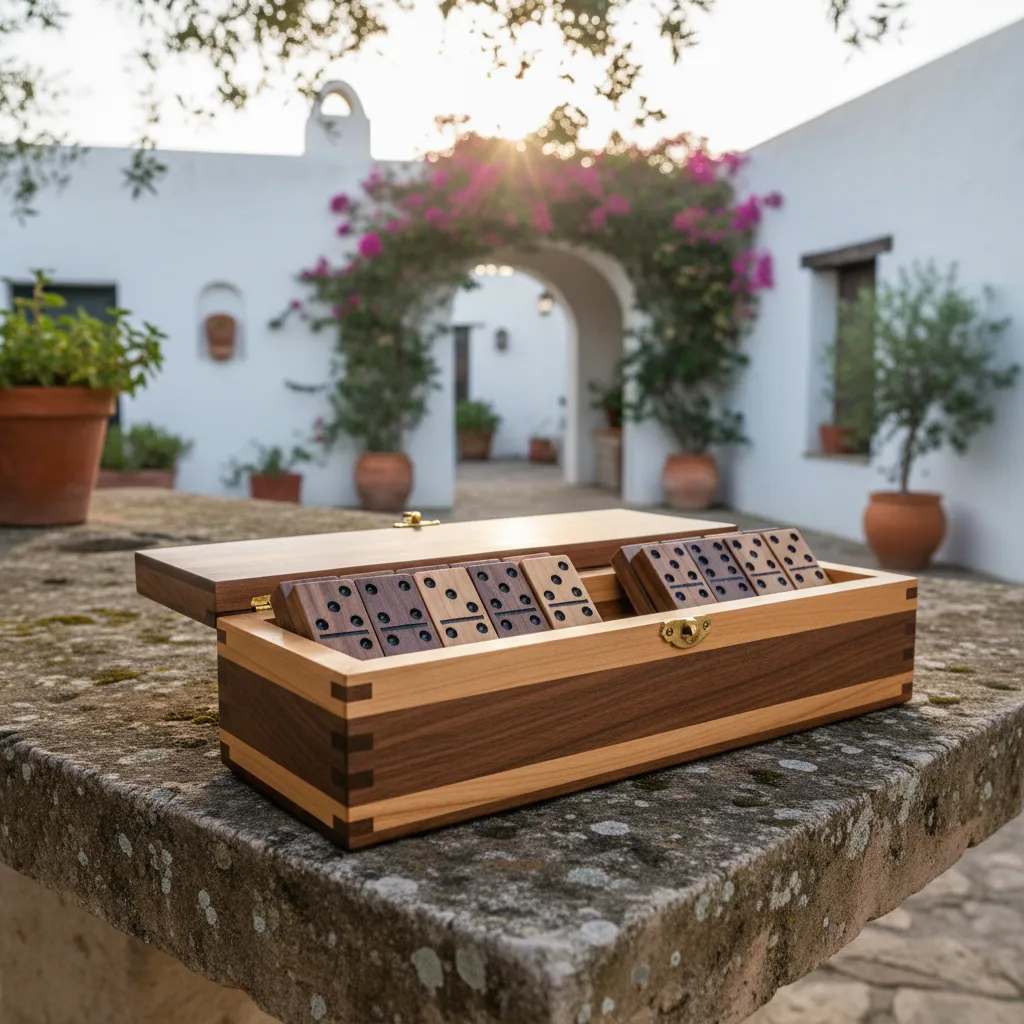 Coral Gables Domino Set Gift Browsing Walk: Wood Sets
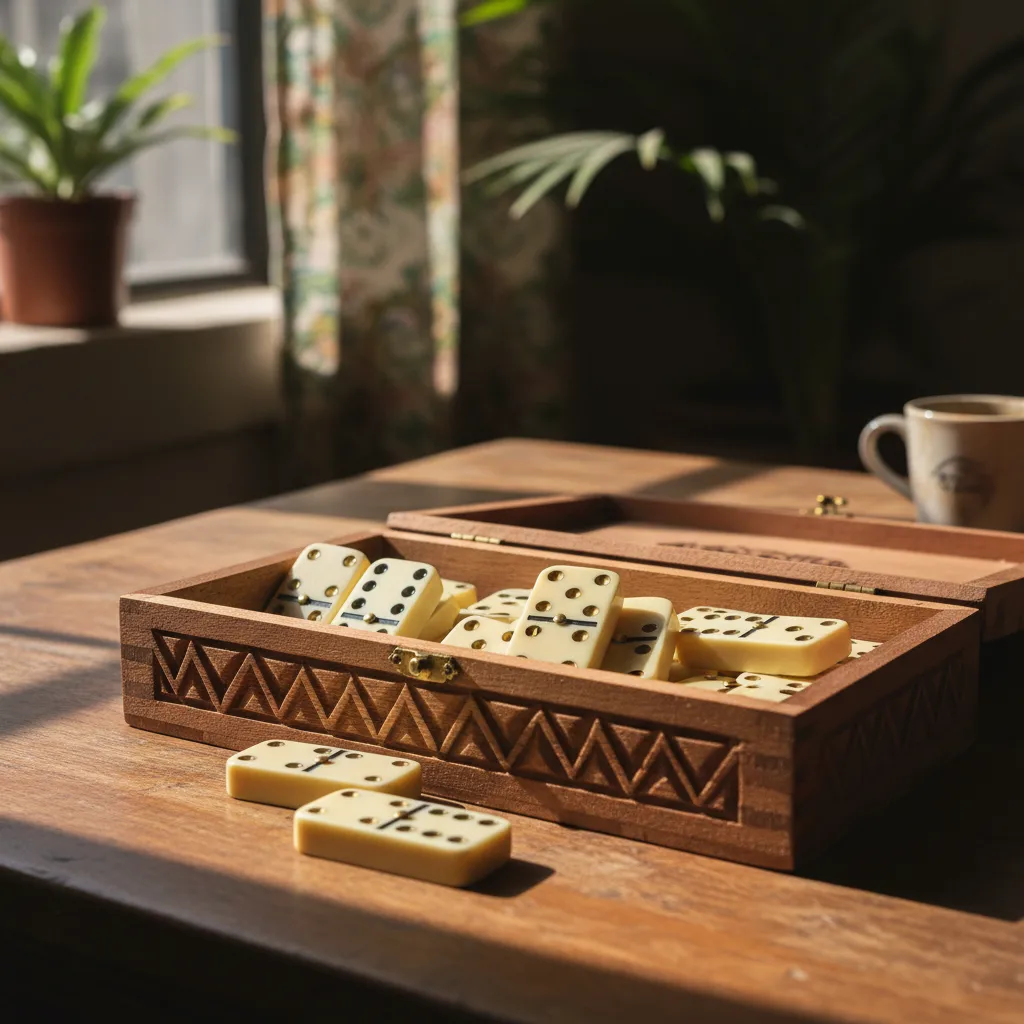 Little Havana Domino Set Gift Browsing Walk: Clay Tiles