 South Miami Country Bar Night With a DJ: Pub 52
Bars & Nights Out
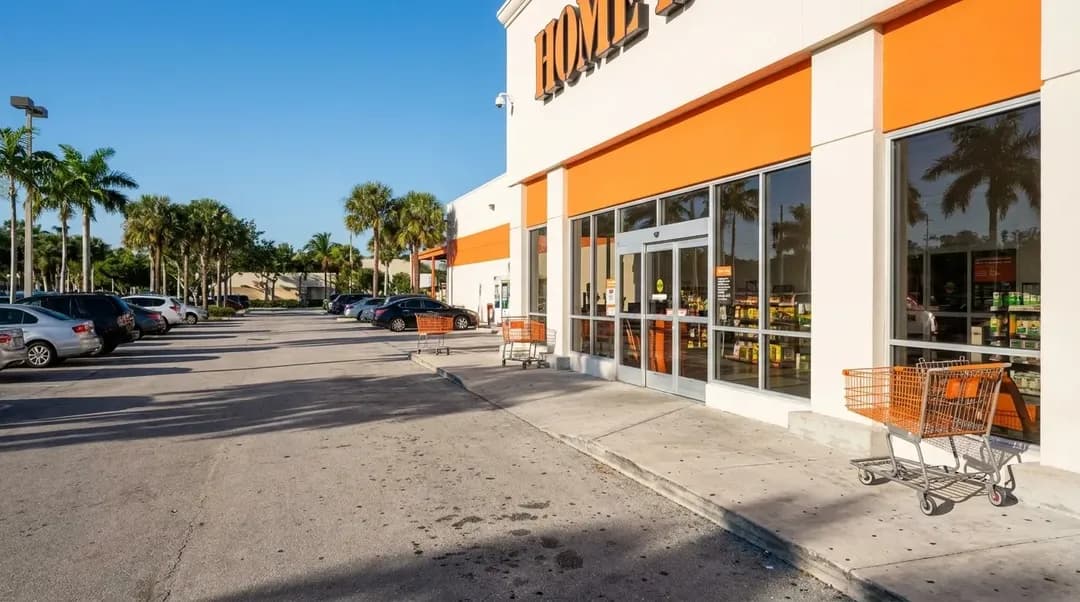
Home Depot Miami: A Hurricane-Season Prep Shopping Checklist
The plywood, batteries, and tarps you need before the next storm, plus which Miami Home Depot locations handle pickup fastest.
The moment the National Hurricane Center draws a cone anywhere near South Florida, every Home Depot in Miami-Dade turns into a staging ground. Parking lots fill by 9 a.m., plywood flatbeds empty faster than staff can restock them, and the generator aisle looks like a picked-over produce section by noon. If you wait until a watch is issued, you're not shopping—you're scavenging. The difference between a calm Tuesday prep run and a Friday panic buy is whether you still have choices.
Text Karpo before you drive out to check current stock at your nearest location, compare pickup wait times across Miami stores, and get a route that skips causeway backups if the forecast changes while you're shopping.
Know What You're Walking Into Before You Leave
Home Depot's inventory system updates in real time online, but what the website says and what's actually on the shelf when you arrive are two different things during hurricane season. Call the specific Miami location you're headed to and ask for Lumber or Hardware—not the main switchboard—and confirm they have plywood sheets, not just the count. A store might show 50 in stock, but if 48 are already spoken for in will-call, you're fighting for scraps. The Midtown Miami location on Northeast 2nd Avenue and the Flagler Street store near Little Havana both see heavy foot traffic, so pickup waits stretch long even on calm-weather days. If you're buying bulk supplies, the South Dixie Highway location in Pinecrest tends to move faster for loading because the lot layout gives trucks and SUVs more room to maneuver.
Timing matters as much as location. Go early—before 8 a.m. if the store opens at 6—or go late, after 7 p.m. when the after-work wave clears. Midday is when contractors and property managers sweep through with commercial orders, and you'll spend twenty minutes waiting for a forklift to free up. Afternoon rain is a given from June through October, so if you're loading plywood or sandbags, plan to tarp your vehicle or accept that everything's getting wet. The Coral Way store has covered loading zones, but they fill fast.
Start With Structure, Then Power and Water
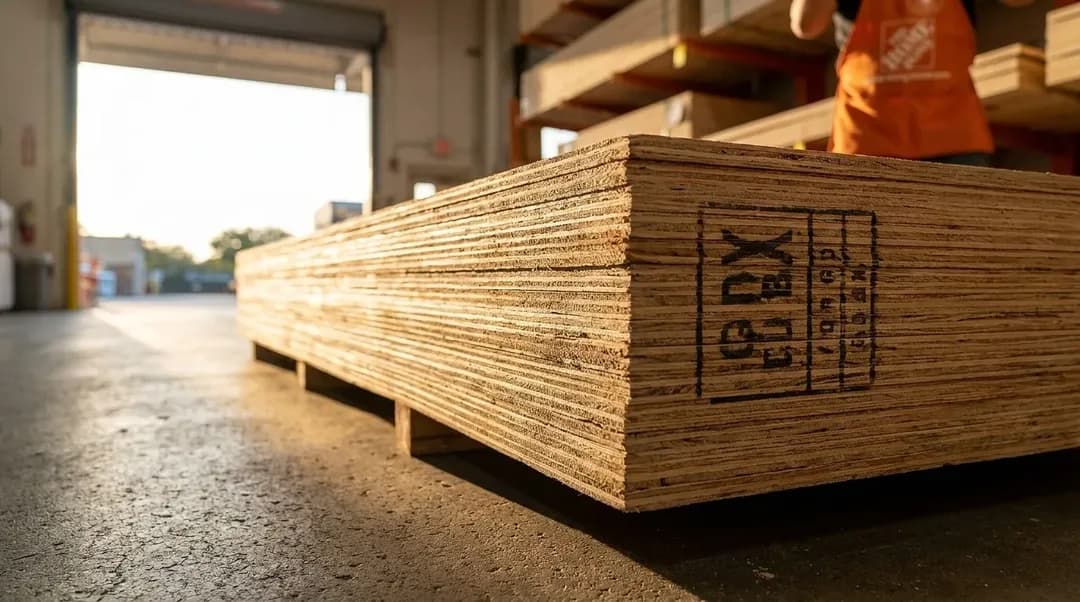
Plywood comes first. Half-inch CDX exterior-grade sheets, cut to fit your window and door frames. If you don't know your measurements, you're guessing, and a sheet that's six inches short leaves a gap for wind-driven rain to pour through. Bring a tape measure, or better yet, bring the measurements already written down. Home Depot will cut sheets for you, but during hurricane prep season the saw station backs up for an hour or more. If you have a circular saw at home and a sawhorse, buy full sheets and cut them yourself.
After plywood, move to fasteners. Galvanized screws, not nails—screws hold better in wind and you can remove them without tearing up your door frames when the storm passes. Tapcons if you're mounting into concrete block, which most Miami houses are. Buy more than you think you need; you'll strip heads, miss studs, and drop a dozen into the grass. Then tarps—heavy-duty, at least 6-mil thickness, in blue or silver. Tarps cover everything plywood can't: generators, outdoor furniture, the gap between your roof and where the rain decides to test your flashing.
Batteries and flashlights sit in their own aisle, and they vanish as fast as plywood. D-cells for big lanterns, AA for everything else. Buy lithium if the store still has them; alkaline batteries leak in Miami's heat if they sit unused for months. Portable phone chargers, the kind with 10,000mAh or higher, will keep your phone alive longer than a household generator will run. The Home Depot app lists stock counts by battery type, but again, verify in person before you drive across town.
Water storage is the gap most people miss. You need containers—5-gallon jugs, not just cases of bottled water. Fill them at home before the storm. If power's out and the water treatment plants go down, you'll have three to five days before service comes back. Home Depot sells food-grade buckets with gamma-seal lids in the paint aisle; those work. So do the Rubbermaid Roughneck totes if you sanitize them first. Don't buy a generator unless you already own one and know how to run it safely outside, away from windows. Carbon monoxide kills people every hurricane season because someone ran a generator in a garage or under an eave.
Add the Small Stuff That Breaks Your Day When It's Missing
Duct tape, zip ties, bungee cords, contractor-grade garbage bags. These are the things you don't think about until you're trying to secure a tarp at 11 p.m. in sideways rain and realize you have nothing to tie it down with. Grab a multipack of each. Zip ties hold tarps to chain-link fences; bungee cords keep plywood sheets tight against a door frame when the wind picks up. Garbage bags—the black 42-gallon size—line your bathtub if you're storing extra water, and they'll hold wet insulation or shredded palm fronds after the storm when you're cleaning up.
Work gloves, the leather-palm kind. You'll be handling splintered wood, metal edges, and wet tarps covered in grit. A box of N95 masks if you're clearing moldy drywall later. A manual can opener, because the electric one is useless when the power's out and you're three days into canned food. And a weather radio, the kind with a hand crank and a USB port. When your phone dies and the cell towers are down, that radio is your link to emergency broadcasts.
If you're picking up sandbags, check whether the store still has pre-filled ones or just the empty bags and sand. Filling sandbags yourself in a Home Depot parking lot is miserable work—each bag weighs 40 to 50 pounds when full, and you'll need at least a dozen to protect a single doorway. Some Miami municipalities open free sandbag distribution sites when a storm approaches; verify those before you pay for sand. The bags themselves are cheap—buy extras to protect the base of sliding glass doors and garage door tracks, where water flows in first.
Double-Check Before You Commit to the Drive
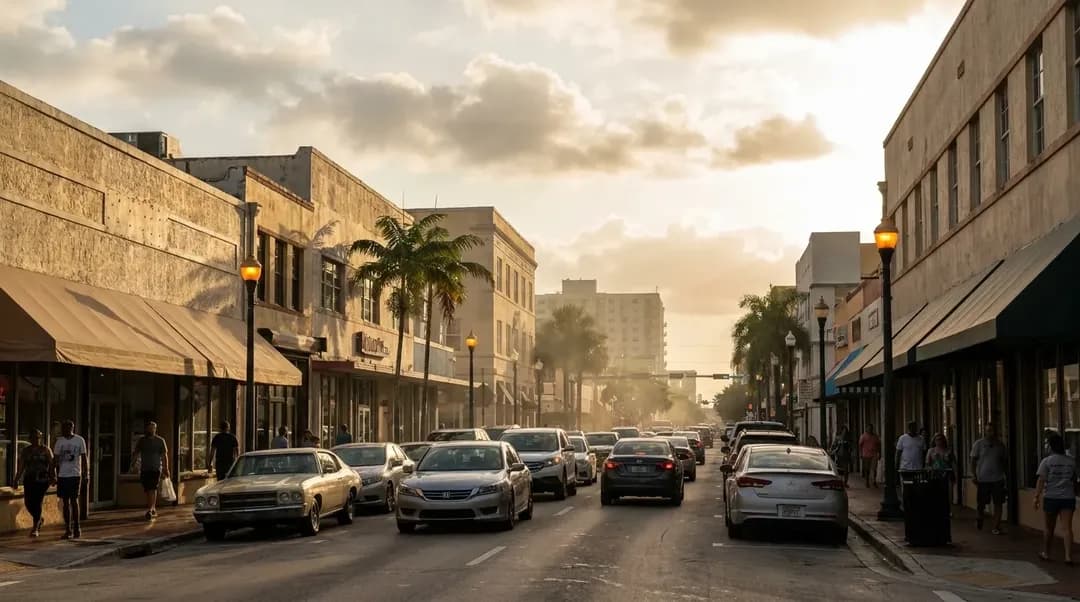
The morning a hurricane watch gets issued, Home Depot's website will say one thing and the reality on the ground will say another. Call the store. Ask for the department, not customer service. Ask if they have plywood in the size you need, not just "in stock." Ask what the current wait time is for loading assistance. If the answer is more than 30 minutes and you don't have help loading, go to a different location or come back at opening the next morning.
Check the parking situation before you leave. The Flagler store near Little Havana shares lot space with other retail, and it's a tight squeeze when trucks are double-parked for loading. The Coral Gables location on Ponce de León has better flow but fills up fast with Pinecrest and Coconut Grove shoppers. If you're coming from Miami Beach or Key Biscayne, assume causeway traffic will add 20 minutes each way, longer if the forecast has people evacuating barrier islands. Have a backup location in mind—West Kendall, Doral, North Miami—so you're not driving in circles if your first choice is cleaned out.
Verify your vehicle can handle what you're buying. A sedan will not fit eight 4x8 plywood sheets; you'll need a truck or a trailer, or you'll need to pay for delivery, which during storm prep can take two to three days. Home Depot rents trucks by the hour from most locations, but they book out quickly once a storm enters the Gulf. Reserve online the night before if you can. And if you're buying a generator, confirm it will fit in your vehicle before the staff loads it—some portable units are compact, others are the size of a small air conditioner.
One last thing: if you're stocking up on hurricane supplies and you're planning to ride out the storm with a few drinks to calm the nerves, remember that power outages mean no air conditioning, no cold beer unless you iced your cooler in advance, and no way to charge your phone if you overdo it. Keep your drinking moderate, keep your phone charged, and keep a sober driver or a rideshare budget in your plan for any post-storm errands. The goal is to be prepared and safe, not stranded and regretful when the next squall rolls in.
Practical notes
- Go before 8 a.m. or after 7 p.m. to avoid contractor rushes and midday crowds
- Call the specific department—Lumber or Hardware—to confirm plywood and supply stock before driving over
- Bring your own measurements for plywood; saw-station waits stretch past an hour during storm prep
- Causeway and bridge traffic adds 20+ minutes if you're coming from the Beach or Key Biscayne
- Reserve a rental truck online the night before if you need to haul sheets or bulk supplies
- If you're buying supplies and plan to drink while riding out a storm, line up a sober driver or rideshare budget and keep your phone charged—no power means no cold drinks and no easy recharge
Tags: #karpo #miami #homedepot #miamihurricane #hurricaneprep #stormseason #littlehavana #miamiliving #hurricaneshopping #plywood #miamistorm #southflorida #hurricanechecklist #miamiready #stormsupplies
Sources consulted: Home Depot · National Hurricane Center · Miami-Dade Emergency Management
Please drink responsibly. Must be of legal drinking age.
All trademarks are the property of their respective owners.
Ask Karpo first
Text Karpo to check which Miami Home Depot locations have the shortest current pickup waits, confirm real-time plywood and battery stock at stores near you, and get a route that avoids causeway backups if weather's building. Karpo pulls live conditions so you're not guessing.
Ask Karpo for more information.
Keep reading
- South Miami Country Bar Night With a DJ: Pub 52
 Doral Country Bar Night With Line Dancing: Copper Blues
 Miami Country Bar With Free Bull Rides: PBR Cowboy Bar