 Wynwood Domino Set Gift Browsing Walk: Acrylic Designs
Hidden Gems & Odd Finds
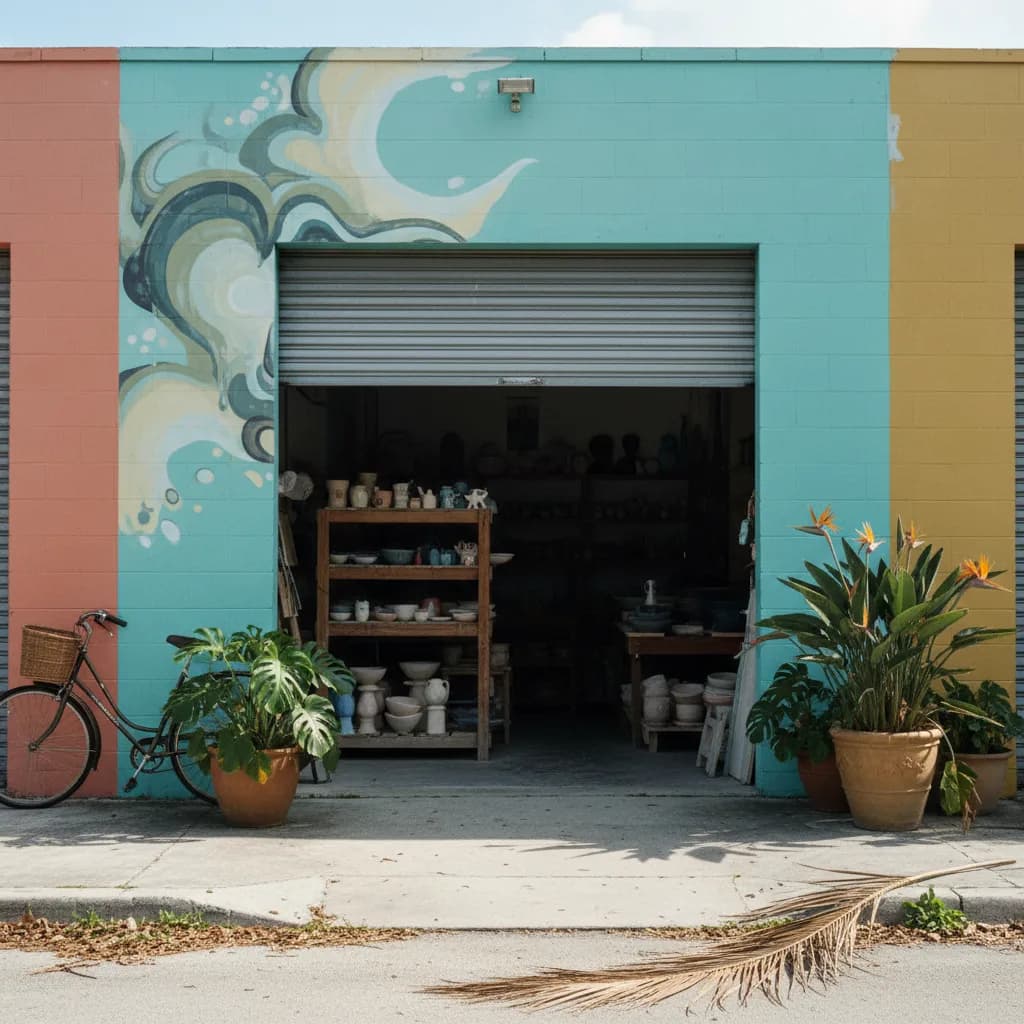
Little River Holiday Gift Shop Crawl: Studios, Plants, Vinyl
A Little River holiday gift shop crawl moves through warehouse studios, plant nurseries and record shops, where many gifts are made by the people selling them.
Little River is the Miami neighborhood for a holiday gift shop crawl that skips retail altogether and goes straight to the people who make things. Old warehouses here hold ceramic studios, candle makers, furniture builders and plant nurseries, with record shops and small galleries scattered between them. The streets are less polished than Wynwood, which is part of the appeal. You shop slowly, talk to makers, and leave with gifts that carry a fingerprint.
A Neighborhood Built Around Workshops
Little River grew from industrial lots, rail lines and family-run businesses, and much of that texture remains. Many studios share space with the workshop where the product is made, so a single visit can show you kilns cooling, wax being poured or a table being sanded. That closeness changes how gifts feel. Instead of a product with a tag, you are giving someone a mug whose maker you met, and that detail becomes part of the present.
Because studios keep working schedules, the neighborhood rhythm feels different from a shopping strip. Some spaces welcome walk-ins every day, others open their doors for open-studio events or on weekends only. It is wise to plan a route with a few anchors you know will welcome visitors, and treat anything else as a bonus. Following studios on social media in the weeks before a visit often reveals holiday markets and pop-ups.
What Makers Here Do Well
Ceramics are the headline. Mugs, planters, bowls and vases made in the neighborhood suit nearly anyone, from the coffee-obsessed coworker to the friend who just bought a house. Candles and soaps from small-batch makers are another strong category, and many use scents inspired by Florida, such as citrus, sea salt or night jasmine. Woodworkers and furniture makers often keep smaller items like cutting boards or trays on hand for shoppers who cannot carry a dining table.
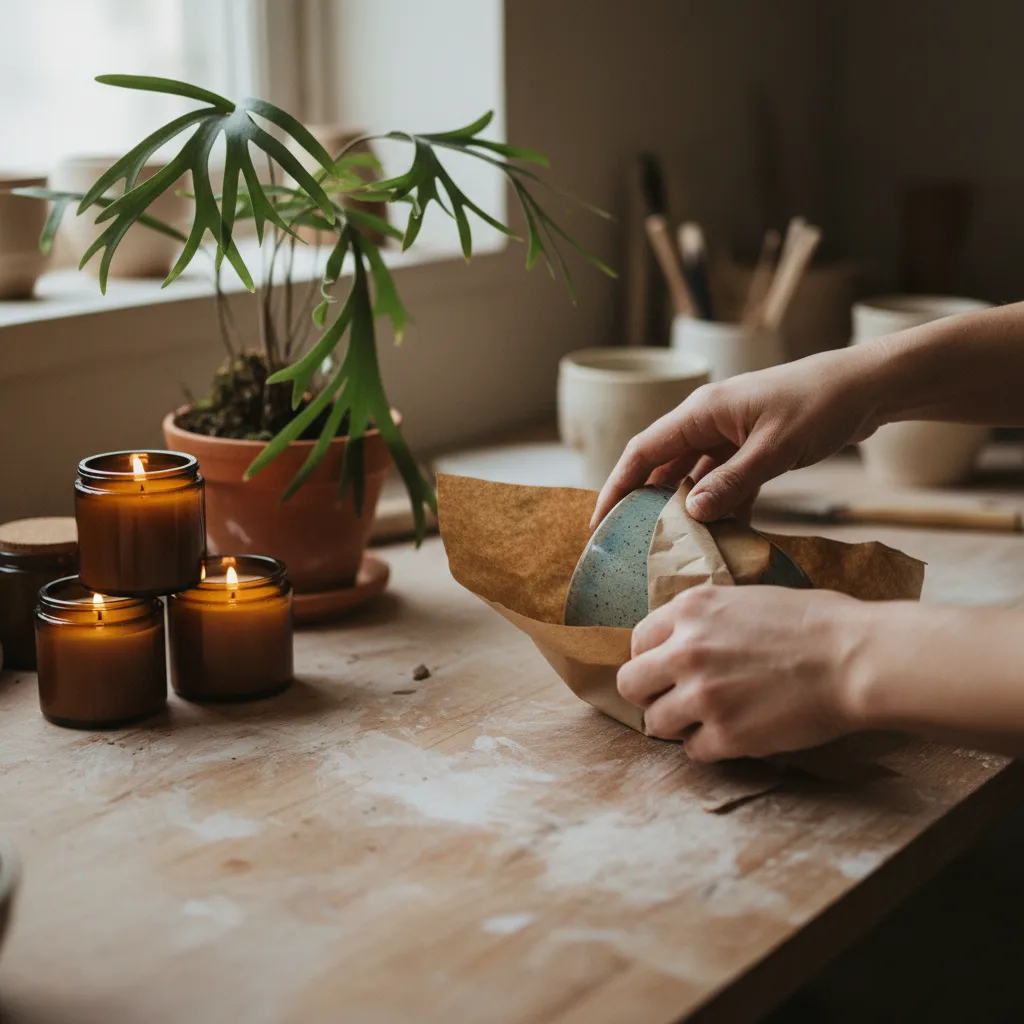
Plants are the other Little River specialty. The area's nurseries and plant shops stock tropical species that thrive indoors, and staff will happily match a plant to the light in a recipient's apartment. A potted fern or orchid wrapped in kraft paper makes a living gift that lasts well beyond the season. Record shops round out the list with vinyl for music lovers, from Caribbean and Latin releases to local artists.
How to Shop a Maker Studio
Ask first, then browse. Makers usually love to explain their process, and a short conversation reveals which pieces are seconds, which are part of a new series and which can be personalized. Some studios accept commissions, though holiday timing is tight, so ask early if you want a name glazed onto a mug or a custom size for a tray. Small imperfections in handmade work are often signs of the process rather than flaws, so ask before assuming.
Carry your purchases thoughtfully. Ceramics should travel wrapped and upright, plants need a stable spot on the car floor, and candles should stay out of the sun. A shallow cardboard box in the trunk solves most of this. If you are flying home, ask whether the studio ships, since many small makers do, and that saves your carry-on from an anxious trip through security with a fragile vase.
Timing a Little River Afternoon
Weekend afternoons are the most reliable time for this crawl, when more studios welcome visitors and the neighborhood feels social. Holiday open-studio events and maker markets bring a cluster of artists together, which makes them efficient for gift lists, though the busiest stalls draw lines. Weekday visits can be lovely for quiet conversations, yet some doors stay closed while makers focus on production, so build a short list with backups.
Start with the plant shops, which feel calmest earlier in the day, then move to ceramics and candles, and finish at a record shop where browsing can stretch as long as you like. That order keeps the most fragile and heaviest items near the end, close to when you head home. A mid-crawl coffee or a pastry from a Haitian bakery in nearby Little Haiti keeps energy up and adds a local flavor to the outing.
Honest Advice on What to Pass Up
Pass on large plants for anyone without the light or space to care for them, since a drooping fiddle-leaf fig is a sad gift by February. Choose a smaller, hardy plant instead, such as a snake plant or pothos, and include a care card. Skip commissions you cannot collect in time. Also skip buying a candle scent you have not smelled in person, because names alone can mislead and fragrance is very personal.
Linking Little River With Nearby Areas
Little Haiti sits right beside Little River and adds a cultural center, Caribbean bakeries and art shops with paintings and metal sculptures that make bold gifts. The MiMo District is a short drive east along the boulevard, perfect for adding a vintage piece. The Design District is just south if one person on the list needs a luxury item. Mixing two of these neighborhoods in one outing balances handmade finds with something polished.
A smart way to split the day is by recipient type. Practical people get a ceramic piece they will use every morning. Dreamers get a plant and a hand-poured candle for the windowsill. Music lovers get a record plus a small print from a neighborhood gallery to hang near the turntable. Grouping the list this way keeps you from wandering aimlessly between warehouses and makes each stop feel purposeful, which matters when doors are spread across several blocks.
Building the Route in the Karpo APP
Ask Karpo for maker studios, plant shops and record stores in Little River that suit a specific recipient, such as a coworker who loves coffee rituals or a niece starting a vinyl collection. The Karpo APP suggests nearby options and helps you sequence them into a walkable or short-drive loop. For commissions, shipping or studio visiting days, message the maker directly, then return to Karpo to adjust the order of stops.
Practical Notes
Wear closed shoes, since some studios have concrete floors, clay dust or sawdust. Bring a box, kraft paper or old towels for ceramics, and a tote for vinyl. Street parking is easier than in Wynwood, but watch for loading zones near warehouse doors. Carry water and sunscreen, because the streets have limited shade. Ask before taking photos inside workshops, and keep plants away from the air conditioning vents on the drive home.
Ask Karpo for more information.
Keep reading
- Wynwood Domino Set Gift Browsing Walk: Acrylic Designs
 Coral Gables Domino Set Gift Browsing Walk: Wood Sets
 Little Havana Domino Set Gift Browsing Walk: Clay Tiles