 Wynwood Domino Set Gift Browsing Walk: Acrylic Designs
Hidden Gems & Odd Finds
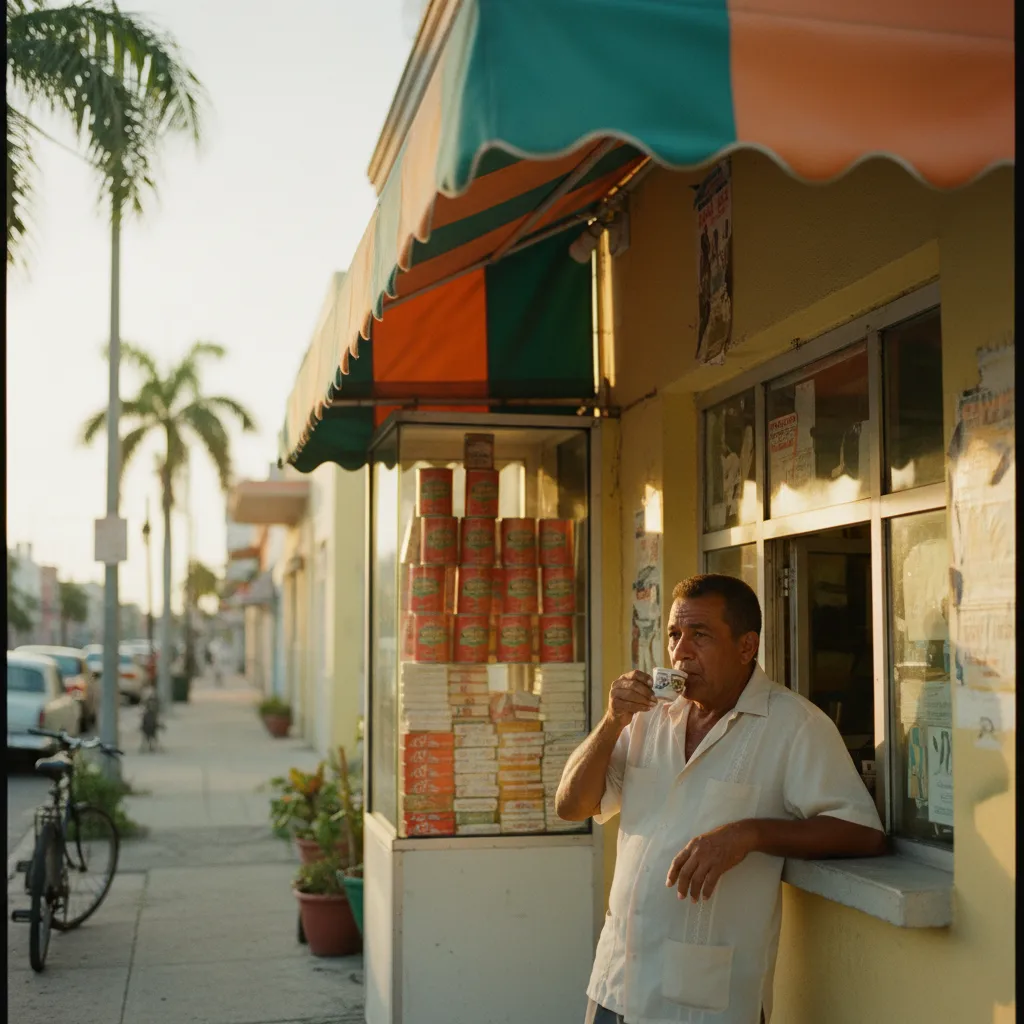
Little Havana Holiday Baking Supply Shop Finder for Guava
Little Havana is where Miami shops for Cuban holiday baking: guava paste, puff pastry and turrón for Nochebuena, with a Calle Ocho cafecito between each stop.
In Little Havana the holiday baking season does not begin with gingerbread. It begins with a brick of guava paste, a block of cream cheese and a box of frozen puff pastry, because the pastelito is the pastry Cuban families bring to every December gathering. This holiday baking supply shop finder follows that rhythm, from Nochebuena on December 24 through Three Kings Day on January 6, and shows how to shop Calle Ocho for it with help from Karpo APP.
How Cuban Holiday Baking Shapes the Shopping List
A Cuban Christmas table is built around the roast pork, black beans and yuca of Nochebuena, so the baking tends to be supporting cast: trays of guava and cheese pastelitos, a flan or a tocinillo del cielo, buñuelos drizzled with anise syrup, and bars of turrón set out for nibbling. Each of those needs a slightly different set of ingredients, and most of them are easier to find on and around Calle Ocho than in a big suburban supermarket.
That is the real advantage of Little Havana for a baking run. The bodegas and corner markets here stock the Cuban and Spanish pantry as a matter of course, not as a seasonal novelty aisle. Guava paste comes in tins and bricks, turrón from Alicante and Jijona arrives in stacks before December, and the anise, cinnamon sticks and condensed milk that Cuban desserts rely on sit on the same shelf. You can often finish the pantry list in one or two stops.
Guava, Cheese and Pastry: The Core of the Run
Most families here make pastelitos with store-bought puff pastry rather than laminating dough at home, and nobody considers that a shortcut. Buy more sheets than the recipe says, because a cracked sheet from a warm car is hard to rescue. Pick guava paste in the firm block form if you plan to slice it into squares, and the softer tinned style if you prefer to spread it. Plain cream cheese is the classic partner. Keep it cold until the moment you fill the pastry.
If you plan to bake for a crowd, count on roughly two pastelitos per guest, more if there are teenagers in the house. Brush the tops with a simple syrup the moment they leave the oven, which is what gives the bakery versions their shine. A pastry brush, a sharp pizza wheel for cutting squares and a couple of rimmed sheet pans are the only tools you really need. Pick those up first so the cold items ride home last.

Flan, Buñuelos and Turrón for Nochebuena
For flan, the shopping list is short but particular: evaporated milk, condensed milk, eggs, vanilla and sugar for the caramel. A flanera, the lidded metal mold many Cuban households still use, makes the water bath far easier, and you can usually find one in the housewares corner of a neighborhood market or a nearby kitchen shop. For buñuelos, look for yuca and malanga in the produce section, plus anise seed and a bottle of good honey or cane syrup for the glaze.
Turrón is the easy win. Many Little Havana families buy it rather than make it, choosing the hard almond Alicante style and the soft, crumbly Jijona style so the table has both. If you are giving it as a gift, pair a bar of each with a small box of homemade pastelitos for a present that reads as properly Cuban. Skip the giant decorative tins aimed at tourists. The plain bars are the ones locals actually reach for after dinner.
Planning Ahead for Three Kings Day
The holiday does not end on New Year's Day here. Three Kings Day on January 6 brings a parade down Calle Ocho and, in many homes, a roscón de reyes, the ring-shaped sweet bread topped with candied fruit and sugar. If you bake your own, put candied orange and cherries, orange blossom water and a small ceramic figurine on the shopping list in December, while the shelves are full. By the first week of January the good candied fruit can be hard to find.
Making Calle Ocho Part of the Errand
Shopping Little Havana well means slowing down. Walk Calle Ocho between stops, pause at a ventanita for a cafecito or a colada to share, and drop by Domino Park to watch the afternoon games before heading back to the car. The Walk of Fame stars along the sidewalk, the murals and the cigar rollers in shop windows make the errand feel like a neighborhood visit. Many shopkeepers speak Spanish first, so a polite buenas and a little patience go a long way.
If your Spanish is limited, write the key items on a card in both languages: guava paste is pasta de guayaba, condensed milk is leche condensada, puff pastry is hojaldre. Showing the card at the counter saves time and usually earns a helpful suggestion about which brand the store's regulars prefer. That kind of local tip is the best part of shopping here instead of online.
Using Karpo APP to Plan the Loop
Open Karpo APP before you go and ask it for Cuban bakeries, bodegas and kitchenware shops around Calle Ocho. Save the stops into a single plan in the order you want to walk them, with the heavy cans and housewares first and the dairy last. Karpo APP can also point you to a bakery nearby if you decide halfway through that this year the pastelitos will be bought, not baked. Nobody in Little Havana will judge you for that.
Practical Notes for a Little Havana Baking Run
Bring a cooler bag for cream cheese, butter and eggs, because the walk between stops on a warm December afternoon adds up. Carry a few small bills for the cafecito windows. Buy puff pastry on the last stop and freeze it as soon as you are home. And give yourself time to talk. Ask the person behind the counter how their family makes flan, and you may come home with a better recipe than the one you brought.
One more habit worth borrowing from Little Havana grandmothers: bake the pastelitos in two rounds. Fill and freeze half the tray raw on the morning of the 23rd, then bake them straight from the freezer while the pork rests on the 24th. They puff better from frozen, the house smells like a bakery when guests walk in, and you are not stuck at the oven while everyone else is opening the cider.
Ask Karpo for more information.
Keep reading
- Wynwood Domino Set Gift Browsing Walk: Acrylic Designs
 Coral Gables Domino Set Gift Browsing Walk: Wood Sets
 Little Havana Domino Set Gift Browsing Walk: Clay Tiles