 MiMo District Free Indoor Weekend Plan Finder for Retro Fans
Free Things to Do

South Beach Historic Civic Square Promenade Guide
Discover South Beach historic civic plazas along an inspiring pedestrian promenade connecting Lincoln Road Mall to historic Espanola Way plazas.
South Beach is renowned worldwide for its extraordinary concentration of Art Deco, Streamline Moderne, and Mid-Century Modern architecture. This historic civic square promenade invites pedestrians to experience the city's visionary pedestrianized spaces, from the groundbreaking outdoor civic mall of Lincoln Road to the romantic Mediterranean revival mews of Española Way. Walkers discover how visionary civic designers pioneered outdoor pedestrian corridors that celebrate Florida's tropical climate, public art, and democratic open-air gathering.

Lincoln Road Mall and Morris Lapidus Modernism
Redesigned in 1960 by legendary neo-baroque architect Morris Lapidus as one of the nation's earliest pedestrian outdoor shopping malls, Lincoln Road transformed an eight-block commercial roadway into a landmark civic concourse. Lapidus conceived the mall as an urban stage set, famously declaring that human beings are naturally theatrical creatures who desire to see and be seen. The promenade features geometric black-and-white zig-zag terrazzo paving, cantilevered concrete shade folies, and sculptural reflecting pools filled with tropical water lilies.
Walking the mall reveals an extraordinary sequence of outdoor architectural installations, including circular stone bandstands, raised garden islands planted with native royal palms and bougainvillea, and modernist fountains where cascading water cools the ambient air. Abundant built-in concrete benches and outdoor cafe terraces allow pedestrians to relax in the shade while observing a vibrant international parade of walkers, rollerbladers, and local residents.
Bordering the promenade, historic commercial structures from the 1930s showcase classic Art Deco relief carvings, vitrolite glass facades, and soaring vertical pylons. The landmark Lincoln Theatre (built in 1936) and the Colony Theatre (opened in 1935) anchor the western blocks with theatrical elegance. The completely car-free environment ensures an unhurried, safe walking experience that remains a masterpiece of twentieth-century American civic design.
Española Way Historic Mediterranean Plaza
A gentle stroll southward along Pennsylvania Avenue brings walkers to Española Way, conceived in 1925 by visionary developers N.B.T. Roney and William Whitman as a romantic Spanish Mediterranean artists' colony. Spanning two dedicated pedestrian blocks between Washington and Pennsylvania Avenues, the street features pink-stuccoed facades, hand-carved wooden balconies, decorative iron grilles, and barrel-tiled clay roofs that evoke historic villages of Spain and France.
The street is paved with historic stone pavers and illuminated by festive overhead string lights that cast a warm golden glow across outdoor cafe tables as twilight descends. Historic archways, shaded courtyard porticos, and decorative wall fountains line the corridor, creating an intimate human-scale environment. Street performers, flamenco guitarists, and community gatherings frequently animate the street, carrying on its original purpose as a vibrant cultural gathering square.
The architectural harmony of Española Way showcases the finest Spanish Mediterranean revival detailing in Miami Beach, providing a stunning contrast to the Art Deco geometries of neighboring avenues. Bollards and pedestrian gates restrict all vehicle traffic, allowing walkers to wander freely from sidewalk to sidewalk without interruption.
Connecting to Lummus Park and the Oceanfront Promenade
Continuing eastward toward the Atlantic shore brings pedestrians into Lummus Park, a seventy-four-acre oceanfront park established in the early twentieth century along historic Ocean Drive. The park features a winding, paved serpentine beach walk that meanders beneath swaying coconut palms, flanked by expansive sandy beaches on one side and the iconic pastel Art Deco hotels of Ocean Drive on the other.
The park's historic stone pavilions and public exercise plazas, including the legendary Muscle Beach South Beach, function as active civic gathering spaces where fitness enthusiasts, volleyball players, and strolling visitors converge under open skies. Wide paved pathways accommodate wheelchairs, strollers, and pedestrians, offering sweeping panoramic vistas of the turquoise Atlantic waters.
At Tenth Street and Ocean Drive, the Art Deco Welcome Center and civic plaza, founded in 1976 by the Miami Design Preservation League under Barbara Capitman, anchors the park's cultural heritage. Informational displays and commemorative plaques celebrate the successful grassroots civic battles that saved over eight hundred historic buildings from demolition, securing South Beach's place on the National Register of Historic Places.
Resting on a limestone bench beneath the palm canopy while watching waves break along the shore provides a refreshing, contemplative conclusion to the South Beach promenade. The seamless pedestrian connection between modernist urban malls, historic Mediterranean plazas, and oceanfront parklands demonstrates the rich diversity of public spaces in Miami Beach.
Effortless Urban Routing With Karpo APP
Navigating South Beach's iconic pedestrian promenades and historic plazas is delightfully easy when using the Karpo APP. Rather than getting distracted by static tourist maps, Karpo helps you map smooth pedestrian connections between Lincoln Road, Española Way, and Lummus Park, locate shaded rest stops, and bookmark historic architectural landmarks along the journey. Karpo delivers a clear, interactive visual map of South Beach public squares, letting you customize every step.
Whether you are planning an Art Deco architecture sketch crawl, a sunset photography stroll, or an unhurried afternoon promenade with friends, Karpo keeps your saved spots neatly organized. You can pinpoint accessible crossings and shaded rest areas throughout South Beach using Karpo's clean interface. The application's clean design lets you focus entirely on the architectural splendor and coastal warmth of South Beach.
On South Beach, the Karpo APP helps walkers navigate between Morris Lapidus's modernist fountain plazas and shaded Mediterranean courtyard alleys. Karpo keeps your Art Deco architectural coordinates and breezy oceanfront paths neatly organized for an unforgettable architectural walk.
Practical Tips for South Beach Walkers
Morning hours offer the calmest atmosphere and mildest temperatures across Lincoln Road Mall, providing ideal conditions for photography before afternoon retail crowds arrive. Late afternoons during golden hour bring warm amber light across Española Way and refreshing sea breezes along Lummus Park. Public transit connectivity is superb, with the free Miami Beach Trolley operating frequent routes connecting Lincoln Road with Ocean Drive and major transit hubs.
The walking route follows smooth, level concrete and stone promenades equipped with ADA-compliant ramps at all crossings for complete accessibility. Public restrooms are located along Lummus Park at 10th and 14th Streets and within the Lincoln Road public facilities near Washington Avenue. Wearing comfortable walking sneakers, sunglasses, and sun protection ensures an enjoyable experience exploring South Beach's celebrated outdoor civic spaces.
Ask Karpo for more information.
Keep reading
- MiMo District Free Indoor Weekend Plan Finder for Retro Fans
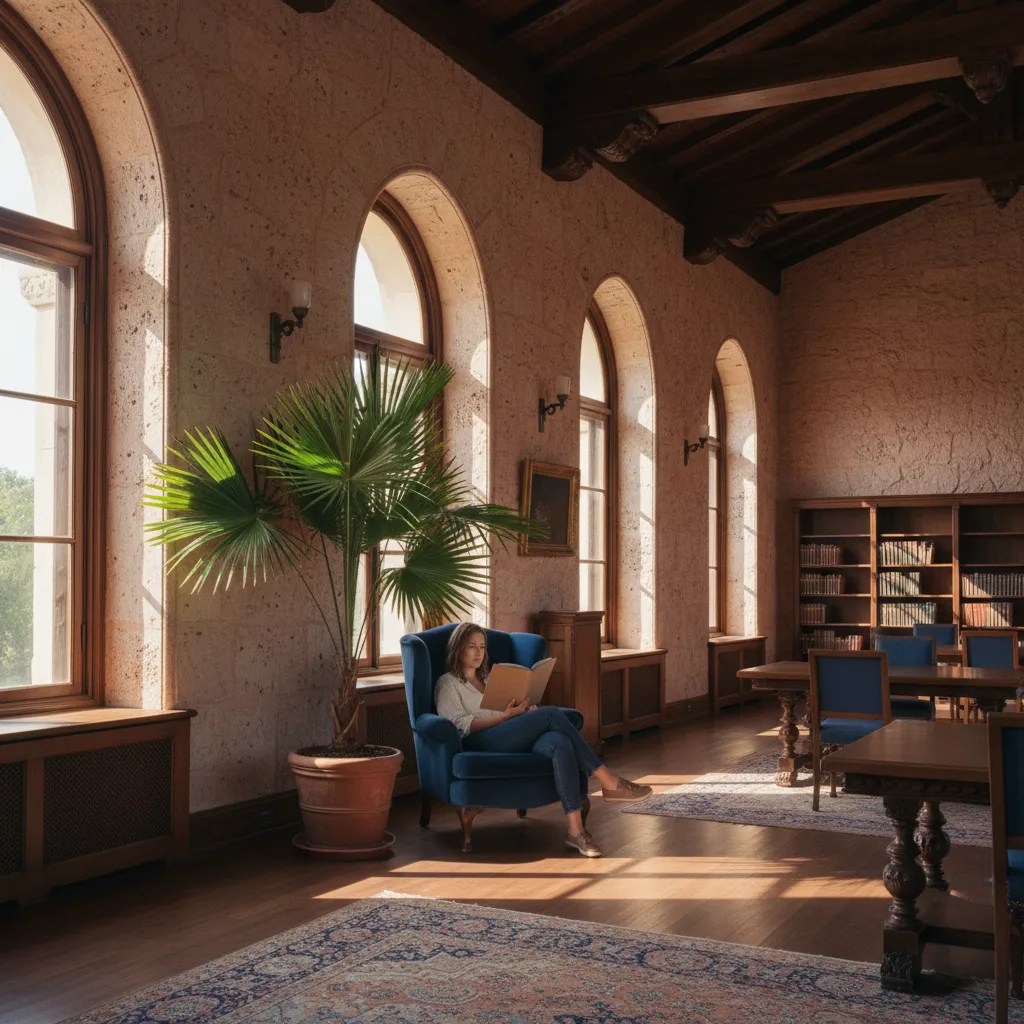 Coral Gables Free Indoor Weekend Plan Finder for Book Lovers
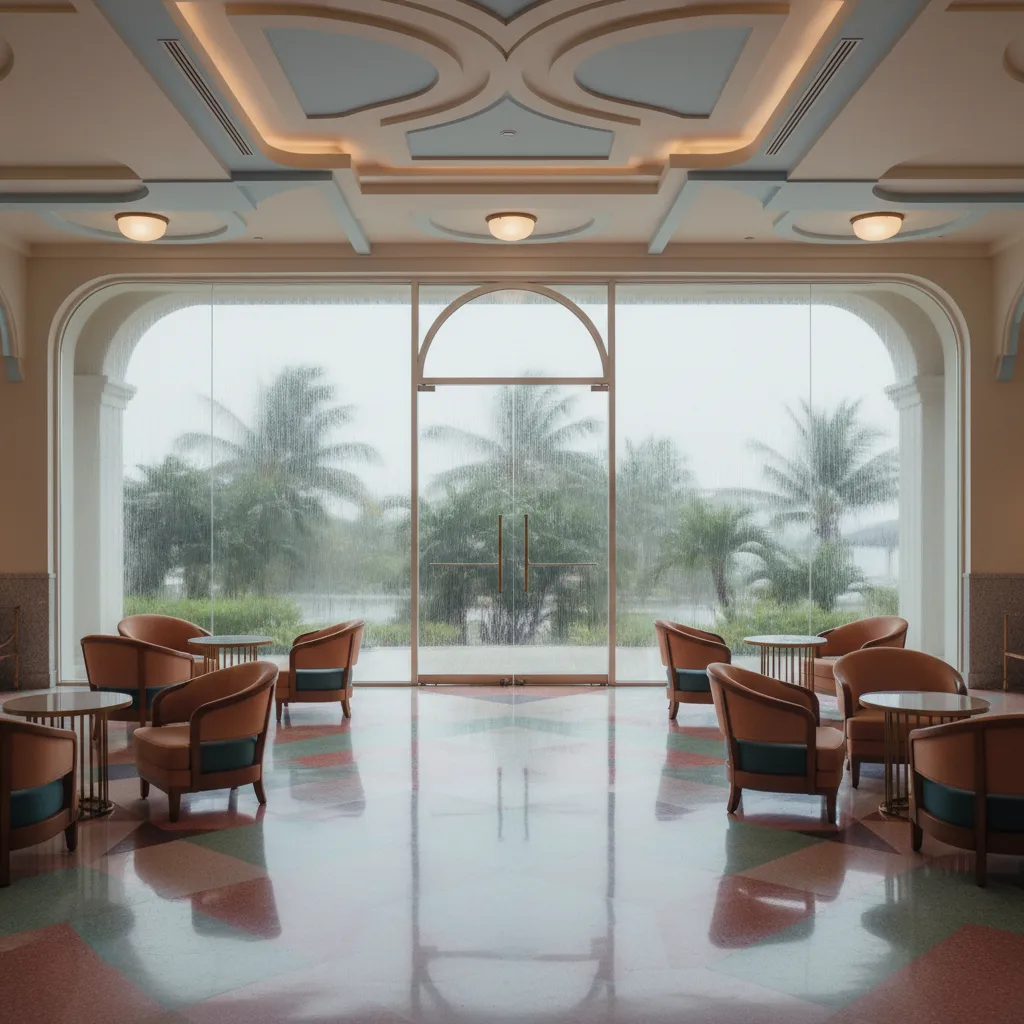 South Beach Free Indoor Weekend Plan Finder for Rainy Days