 Wynwood Domino Set Gift Browsing Walk: Acrylic Designs
Hidden Gems & Odd Finds

Shell Lumber Hardware Store: Coconut Grove Weekend Advice
Shell Lumber and Hardware at 2733 SW 27th Ave serves Coconut Grove with lumber, fasteners, tools, and practical project help for Miami repairs.
Shell Lumber and Hardware is the kind of hardware store where a repair starts with a conversation about the material, not a rushed scan of a shelf. At 2733 SW 27th Ave, the Coconut Grove shop sits on a busy working road and feels geared to people carrying a real cut list. The useful first move is to arrive with measurements, photos of the broken part, and the question you want answered. That turns a broad hardware-store search into a shorter, more confident stop.
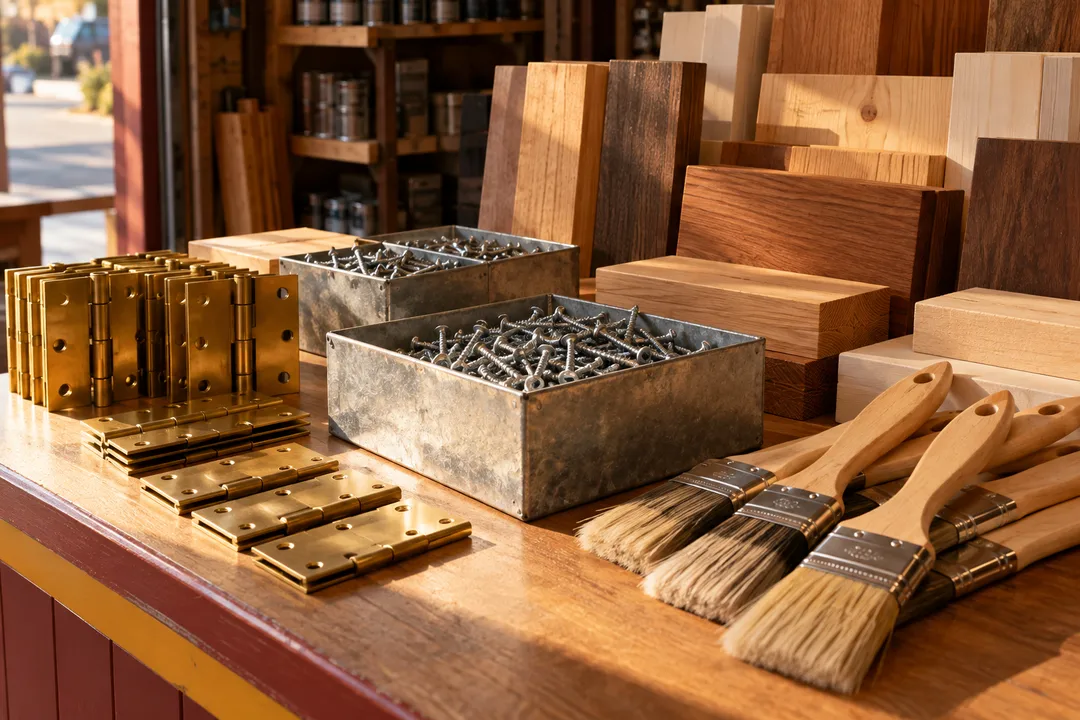
Plan the first stop
The store makes sense for Miami homes because its inventory leans toward building materials as well as the small hardware that finishes a job. Think boards, trim, screws, hinges, adhesives, paint supplies, and the fittings that disappear into a porch, gate, or kitchen repair. If you are rebuilding a shelf, patching an exterior door, or preparing for storm season, organize the list by material first. Staff can then point you toward compatible pieces instead of treating every item as interchangeable.
Match the material to Miami
Coconut Grove gives this errand a useful neighborhood rhythm. Contractors arrive with trucks, homeowners come in for one missing fastener, and DIY customers linger over the difference between two grades of lumber. The informal rule is simple: let the customer with a measured project finish explaining before asking for a shortcut. A quick sketch on your phone or a sample of the old part is more useful than guessing from memory, especially when threads, thickness, or wood species matter.
Ask the counter question
For a first visit, walk the aisles with three questions in mind: what must be cut, what must be weather-resistant, and what can be repaired rather than replaced? In South Florida, humidity and salt air change the answer. Exterior screws, sealants, and hinges need a different plan from an indoor cabinet project. Shell is particularly helpful when you need several related materials at once, because you can compare the main piece with the small connectors before leaving the counter.
Build a measured list
The best queue strategy is to avoid arriving with an unstructured wish list. Put every item in a note under headings such as lumber, fasteners, finish, and tools. If another shopper is discussing a larger build, use the time to check dimensions and count quantities. That is faster than circling the store twice. Bring a tape measure, but keep the damaged hinge, latch, or bracket too; matching the actual part is more reliable than describing its color.
Move through the queue
A hardware store can also be a place to learn the limits of a repair. If a board is warped, a latch has failed because of a misaligned gate, or a fastener has rusted into a coastal exterior, replacing only the visible piece may repeat the problem. Ask what caused the failure and what the surrounding material needs. Shell works well for this kind of practical diagnosis because the purchase and the advice happen in the same conversation.
Respect the weather
The shop is a strong stop before a storm-prep weekend. Make a short list of screws, exterior-rated sealant, batteries, work gloves, and the tools needed to secure shutters or repair a fence. Buying only what the house can use keeps the trip focused. Skip the impulse to build an entire emergency cart if the actual job is a loose gate; a precise list leaves room for the one fitting that turns a temporary fix into a durable one.
Keep the repair safe
Coconut Grove rewards a walking add-on after the hardware run. You can leave the commercial strip and head toward the leafy residential streets, where older homes show the kinds of gates, porches, and garden structures that send people into a shop like Shell. A short loop around the Grove keeps the errand from feeling like a warehouse mission. Bring the receipt and measurements along if you plan to return for a second piece after seeing the project in place.
Walk the neighborhood
Shell is best for people who want materials and human judgment in the same stop: homeowners working through a renovation, makers who need a precise part, and tradespeople picking up a small but urgent item. It is less useful if you only want a one-click delivery comparison. The value is in handling the piece, checking fit, and hearing a suggestion that prevents an unnecessary return trip.
Who this store suits
Practical notes: write the address exactly as 2733 SW 27th Ave, Miami, FL 33133, and use the official Shell Lumber website for the store’s current information. Bring your project dimensions, a sample part, and a way to carry long or sharp materials safely. If the project involves electrical, structural, or gas work, treat the counter conversation as material guidance and use a licensed professional for the regulated portion.
Practical notes
A useful Coconut Grove route starts with the hardware counter, continues through the nearby residential streets, and ends with a coffee or meal after the list is checked off. That sequence matters because it gives you a chance to notice whether the replacement part actually solves the problem. Hardware shopping is often framed as a frantic search for one item; at Shell, the better approach is a small plan, a clear question, and enough time to compare the answer.
Finish with a test
The result is a grounded kind of Miami hardware-store visit. You are not browsing for a fantasy workshop; you are assembling the right materials for a door, deck, shelf, garden edge, or storm repair. Shell Lumber and Hardware earns its place in a Coconut Grove search because it connects the big material with the tiny fitting and treats the customer’s project as the unit of work.
Why this address works
Before leaving, read the receipt against the actual job and keep the small parts together. A board, latch, hinge, or fastener only becomes useful when it fits the surface it is meant to serve. If the project is for a rental or an older home, photograph the original installation before changing it. That record protects the next repair and helps a future visit begin with evidence. The store is at its best when the customer returns with a solved problem to refine, rather than a vague request to start over. Keep the scope visible and test the hinge before the next trip.
Ask Karpo for more information.
Keep reading
- Wynwood Domino Set Gift Browsing Walk: Acrylic Designs
 Coral Gables Domino Set Gift Browsing Walk: Wood Sets
 Little Havana Domino Set Gift Browsing Walk: Clay Tiles