 MiMo District Free Indoor Weekend Plan Finder for Retro Fans
Free Things to Do

Design District Free Indoor Weekend Plan Finder for Students
A free indoor weekend for design students in Miami's Design District: study showrooms and galleries, sketch materials and lighting, then head to Little Haiti.
Miami's Design District is famous for luxury flagships, but for design and architecture students it works as something else entirely: a free indoor classroom. In a few walkable blocks, you can study how the world's top brands use light, material and space, see contemporary art in museum-quality galleries and sketch furniture you could never afford. This free indoor weekend plan finder treats the district as a study trip. You arrive with a notebook, follow a plan built around observation and leave with a portfolio of sketches and ideas without spending a cent on admission or shopping.
Why the Design District Works as a Classroom
The Design District grew from an old furniture and decorating area into one of the most deliberately designed neighborhoods in the United States. Developers invited famous architects to create storefronts, commissioned large public artworks and turned parking structures into design statements. The result is an outdoor and indoor gallery of contemporary architecture that changes regularly as stores update their spaces.
For students, this matters because you can see design decisions at full scale. Facades, stairs, display systems, lighting, materials and wayfinding are all on view, and many interiors are open to walk through. Miami's heat and summer storms also make indoor study the smart choice for most of the year, so a weekend spent in galleries and showrooms feels natural rather than like a compromise.
Saturday Morning: Contemporary Art Galleries
Start with art. The Design District is home to a contemporary art museum and several galleries that show work by international and Miami-based artists. Arrive early to enjoy the rooms while they are quiet, and spend time with a few pieces rather than rushing through every gallery. Notice how curators use wall color, lighting and spacing to guide your eye, which is a design lesson in itself.
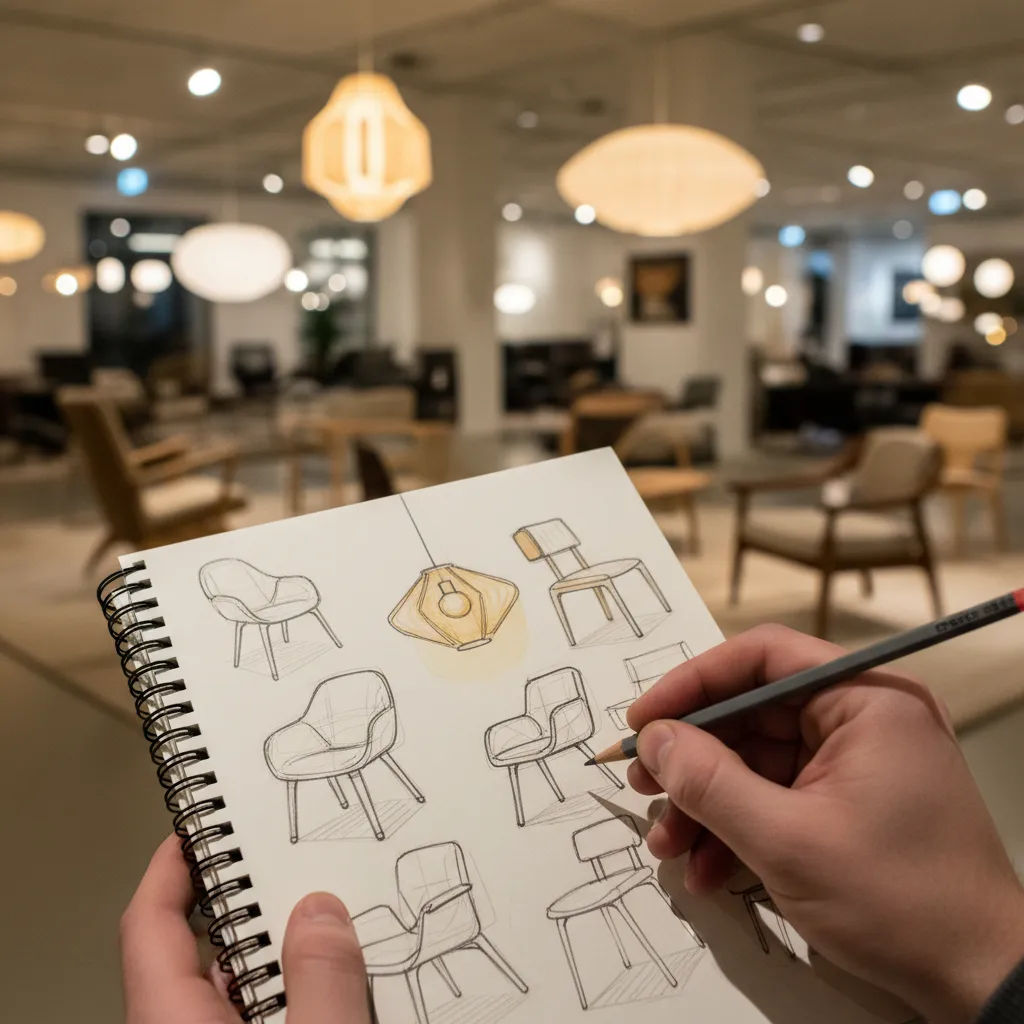
Bring a sketchbook and practice quick studies. Draw the plan of one room, note where the light comes from and sketch how visitors move through the space. Try a thirty-second gesture drawing of a sculpture, then a slower five-minute version. These exercises sharpen observation skills that will serve you in any studio class.
Read the wall texts carefully, especially for exhibitions by local artists. Many explore themes like migration, climate, water and identity, which are central to life in South Florida. Understanding those themes helps you see why Miami's architecture and design look and feel the way they do.
Saturday Afternoon: Showrooms as Material Libraries
After lunch, walk into the furniture, lighting and home design showrooms. These spaces exist to be explored, and staff are generally used to design students and curious visitors. Be polite and low-key. Introduce yourself as a student, ask if you may sketch, and never touch fragile pieces without permission.
Treat each showroom as a material library. Note how designers combine stone, metal, leather, glass and wood. Study joints, edges and finishes up close. Look at how lighting is layered with ambient, task and accent sources, and sketch how each fixture throws light onto the floor and walls. Many showrooms display chairs and lamps in carefully staged rooms, which teaches proportion and composition better than any textbook.
Fashion flagships can be studied the same way. Look past the products and focus on the architecture. Notice staircases, ceiling details, mirror placement and how the entrance draws you inside. Do not linger in fitting areas or photograph staff, and keep your visit short in busy stores. A quick sketch of the floor plan from memory once you are back on the sidewalk is often more useful than a photograph.
Sunday: Public Art, Atriums and Little Haiti Next Door
On Sunday, explore the covered walkways, atriums and parking garage facades that make the district famous. Several large artworks are installed in courtyards and passages, and many garages are wrapped in experimental facades designed by well-known architects. Shaded passages and atriums let you study these works out of the worst of the sun, and lingering in a covered arcade is the right move if a summer storm rolls through.
In the afternoon, cross into Little Haiti, which sits right next to the Design District. Its cultural center, small galleries and colorful storefronts tell a very different story about design, rooted in Haitian art, music and craft. Walking from polished luxury to hand-painted signs and community murals in a few minutes is one of the most valuable lessons in the city. It reminds students that design is about people and culture, not only expensive materials.
Visit with respect. Little Haiti is a residential neighborhood facing real pressure from development, and longtime residents have strong feelings about change. Support local artists when you can, listen more than you photograph, and treat the visit as a chance to learn.
Turn the Weekend Into Portfolio Work
The real value of a study weekend comes afterward. On Sunday evening, lay out every sketch and pick the three that taught you the most. Redraw one of them carefully at home, adding notes on materials, light and circulation. Write a short paragraph explaining what you would change about the space and why. This kind of reflective exercise is exactly what tutors and admissions panels like to see, and it proves you can learn from real buildings rather than only from screens.
You can also build a small material board from memory. List the finishes you saw most often, describe how they felt under the light and note which combinations seemed fresh and which felt tired. Compare the luxury interiors with the hand-made details you found in Little Haiti. The contrast often sparks better ideas than either place would on its own.
If you are studying with classmates, split the district between you. One person can focus on lighting, another on stairs and circulation and another on signage and wayfinding. Meet at the end of the day to swap sketches and notes. Sharing observations this way covers more ground than wandering together, and it mirrors how real design teams divide research before a project begins.
Practical Tips for Your Design Weekend
Bring a sketchbook, a few pens and a small folding stool if you plan to draw in public spaces. Wear comfortable shoes and dress neatly, since you will be walking into high-end interiors. Carry water and sunscreen for the stretches between buildings, and plan indoor stops for the hottest part of the afternoon.
Use the Karpo APP to find other free indoor design and art stops across Miami, such as galleries in nearby neighborhoods or library rooms with good tables for drawing. Save your favorite spots so your next study weekend starts with a ready list, and build your own map of places that inspire your work.
Ask Karpo for more information.
Keep reading
- MiMo District Free Indoor Weekend Plan Finder for Retro Fans
 Coral Gables Free Indoor Weekend Plan Finder for Book Lovers
 South Beach Free Indoor Weekend Plan Finder for Rainy Days