 Wynwood Mofongo Dinner Picker: Arts District Evening Plates
Restaurants

Little Haiti Food Truck Lunch Finder for Creole Learners
Learning Haitian Creole? Practice a few phrases over lunch in Little Haiti, order griot or diri ak pwa from a truck or counter and listen to the talk nearby.
This Little Haiti food truck lunch finder is for people learning Haitian Creole who want to use it in real life. Little Haiti is the heart of the Haitian community in Miami, a neighborhood where Kreyol is spoken on the sidewalks, in bakeries, at market stalls and at the windows of food trucks and takeout counters. For a learner, there is no better classroom than lunch. Ordering a plate, greeting the cook and saying thank you in Kreyol are small steps that build real confidence, and the food you get in return is a delicious reward.
Why Little Haiti Is a Living Classroom
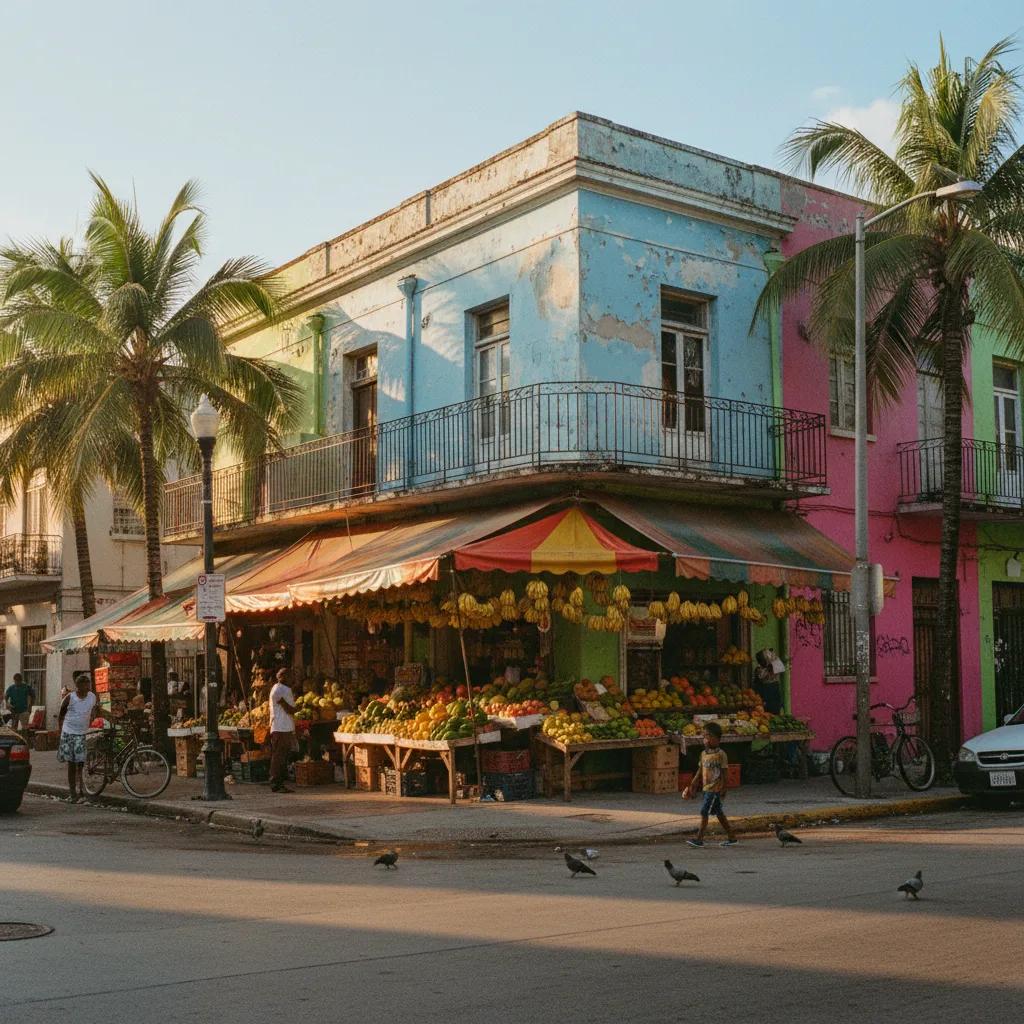
Little Haiti grew as Haitian families settled in this part of Miami and built shops, churches, schools and community centers. Today, the neighborhood still carries that identity, with colorful buildings, Caribbean plants and the sound of Kreyol, French, Spanish and English mixing in everyday life.
For language learners, that mix is valuable. You can hear Kreyol spoken naturally, at real speed, by people going about their day. Listening on a sidewalk or at a lunch counter teaches you rhythm, tone and common phrases in a way no app or textbook can match. Lunch gives you a reason to be there and a friendly, low-pressure moment to try speaking.
Simple Phrases to Practice
Start with greetings. Bonjou is a polite way to say good morning or good day, and bonswa is used later in the afternoon and evening. A warm greeting before you order is an important part of Haitian manners, and it sets a friendly tone for the whole conversation.
A few other phrases go a long way. Tanpri means please, and mesi means thank you, or mesi anpil for thank you very much. To point to something on the menu, you can say sa a, meaning this one. When you taste the food and love it, li bon anpil means it is very good, a phrase that almost always brings a smile.

Dish Names Worth Knowing
Learning the names of a few classic dishes makes ordering easier. Griot is fried pork, marinated and crisp at the edges, one of the most loved Haitian plates. Diri ak pwa is rice cooked with beans, a staple at many meals, while diri djon djon is rice colored dark with a special black mushroom.
Bannann peze are twice-fried green plantain slices, and pikliz is a spicy pickled cabbage and carrot relish often served on the side. Other dishes you may see include legim, a vegetable stew, and tasso, fried goat or beef. Knowing these words helps you read menus and follow what other customers order.
Finding Trucks and Counters
Food trucks and takeout windows appear around Little Haiti and along its busier streets, especially at lunch when workers and residents look for a quick plate. Some focus on Haitian food, while others serve Caribbean, Latin American or American dishes. Following the line and the smell of frying plantains is often a good start.
Trucks move from day to day, so it helps to have a backup. The neighborhood holds small Haitian restaurants, bakeries selling pate, a flaky savory pastry, and markets with prepared food. A counter with a menu board can be a gentle first step, since you can read the dish names before you try saying them aloud.
Ordering With Confidence
When you reach the window, greet the cook with a friendly bonjou or bonswa. Then try ordering one simple item in Kreyol, such as griot with diri ak pwa. Do not worry if you mix in English or pause to find a word. Most people appreciate the effort and will help you along.
If you do not understand a reply, it is fine to smile and ask the cook to repeat it, or to switch to English. The point is not perfection but connection. Each small exchange builds your ear and your courage for the next one, and over time the words start to come more naturally.
Listening While You Eat
Once you have your food, find a shady spot nearby and listen. Notice how people greet one another, how they joke and how they ask for things. You will often hear words you studied, used in new ways, along with expressions you can look up later.
Keep a small notebook handy to jot down words or phrases you catch. Writing them down while you eat helps them stick. If you are learning with a friend, you can quiz each other quietly over lunch, testing how many words you each heard and understood.
Respectful Habits as a Visitor
Little Haiti is a home for many families, not a theme park, so it is important to be a respectful guest. Greet people before asking questions, be patient at busy windows and do not take photos of people without asking first. Supporting local businesses by buying lunch and small goods is a simple way to give back.
It is also worth learning a little about Haitian history and culture alongside the language. Understanding the deep pride the community has in its heritage, music and food makes your conversations richer. Showing genuine curiosity, rather than treating the neighborhood as a backdrop, is always appreciated.
A Walk to Hear More Kreyol
After lunch, take a slow walk through the neighborhood. Stop by a cultural center or a marketplace where art, crafts and music bring the community together. Painted buildings, small shops and churches reflect the life of the people who live here.
As you walk, keep listening. Kreyol greetings at corners, music drifting from doorways and conversations at bus stops are all part of your lesson. Some learners enjoy browsing a bookshop or a music store for Haitian books or songs to continue practicing at home.
Ideas for Different Learners
Beginners might set a simple goal for each visit, such as greeting the cook and saying thank you in Kreyol. Intermediate learners can try ordering a full meal and asking a simple question about a dish. Advanced learners might chat with a cook during a quiet moment, respecting how busy the window is.
Teachers or tutors can bring small groups for a field trip, giving each student a phrase to practice. Families with Haitian roots who want to reconnect with the language can use lunch as a warm, everyday way to practice together, perhaps with a grandparent leading the way.
Let Karpo APP Plan Your Next Practice Lunch
Before your next visit, open Karpo APP and ask for food truck or Haitian lunch ideas in Little Haiti. Karpo can suggest options that suit a relaxed practice session. Trucks move from day to day, so keep a bakery or counter in mind as a backup, bring your notebook and remember that every bonjou and mesi counts.
Ask Karpo for more information.
Keep reading
- Wynwood Mofongo Dinner Picker: Arts District Evening Plates
 Allapattah Mofongo Dinner Picker: Dominican Heritage Plates
 Little Havana Mofongo Dinner Picker: Calle Ocho Sunset Bowls