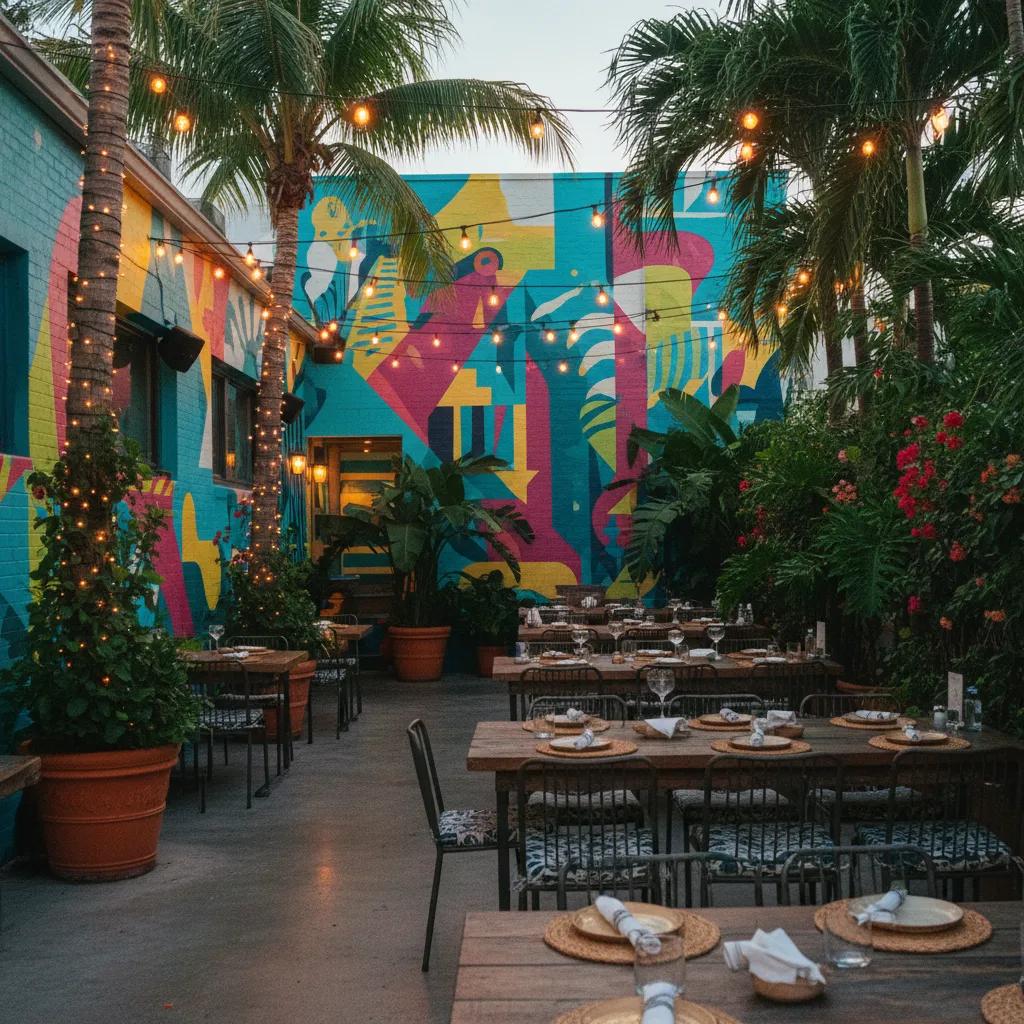
 Wynwood Mofongo Dinner Picker: Arts District Evening Plates
Restaurants
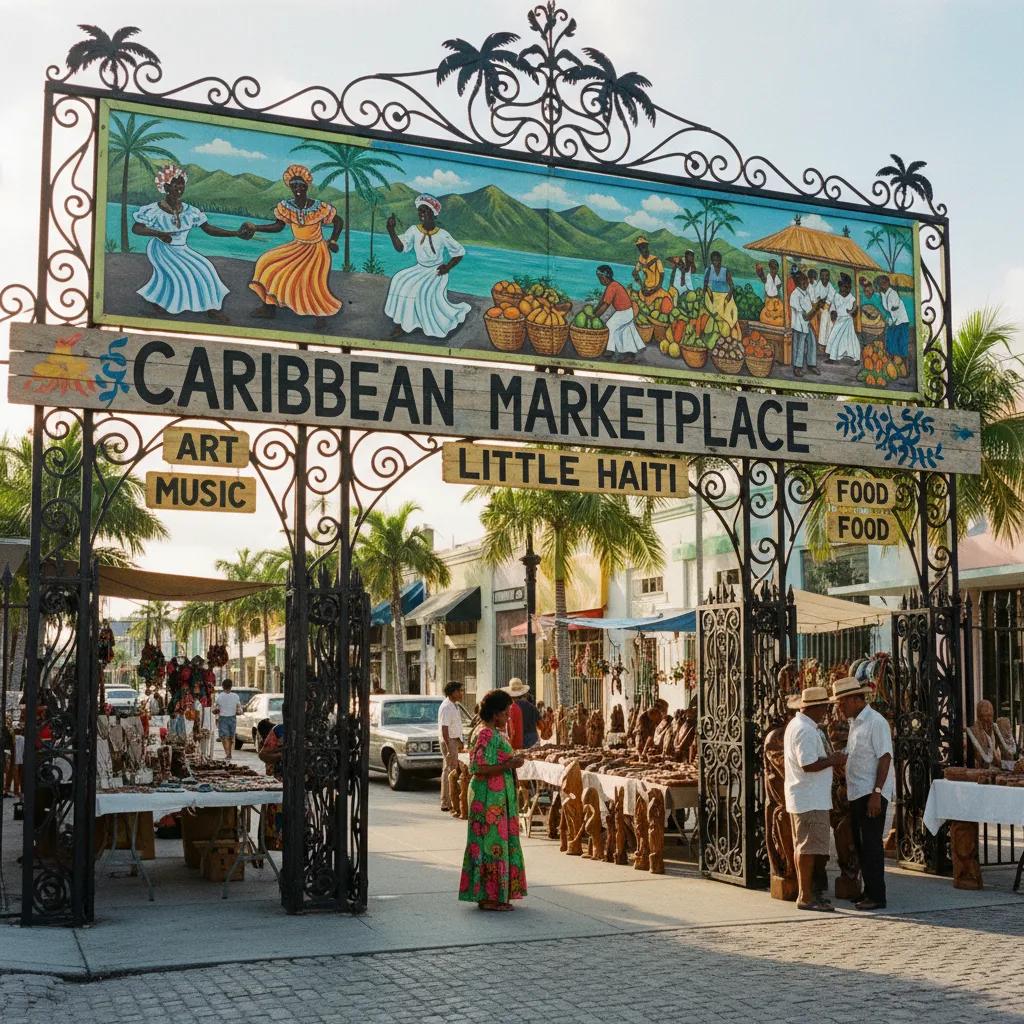
Little Haiti Food Places Near Me: Caribbean Marketplace's Iron Market Replica
Experience Little Haiti's vibrant culinary heart at Caribbean Marketplace, a replica of Port-au-Prince's Iron Market, serving authentic Haitian street food amidst a bustling, open-air bazaar atmosphere.
Nestled squarely within Miami’s vibrant Little Haiti, the Caribbean Marketplace on NE 2nd Avenue stands as more than just a retail hub; it’s a living, breathing cultural embassy. This architectural homage to Port-au-Prince’s iconic Marché en Fer, or Iron Market, transports visitors directly to the bustling heart of Haiti. From the moment you step under its distinctive wrought-iron arches, the air thickens with the scent of spices, the rhythm of Kompa music, and the warmth of a community fiercely proud of its heritage. It’s a sensory immersion, a vital conduit to the island’s soul right here in South Florida.
Open the Karpo APP to explore real-time table availability, walking routes, and insider tips for Caribbean Marketplace.
The Soul of Little Haiti: Caribbean Marketplace's Enduring Legacy
The Caribbean Marketplace, often affectionately known as 'Marché en Fer,' was meticulously designed to replicate the historic Iron Market of Port-au-Prince, Haiti. Conceived as a beacon for Haitian culture and commerce in Miami, its construction in the early 1990s was a monumental undertaking, a testament to the community's desire to preserve and celebrate its roots. The original Iron Market, a magnificent structure of cast iron and steel, was prefabricated in France in the late 19th century and shipped to Haiti. Miami's iteration captures this essence, not just in its distinctive architecture—the ornate, filigreed metalwork, the soaring ceilings—but in its very spirit. It was envisioned as a vibrant economic engine for Little Haiti, providing a dedicated space for artisans, vendors, and culinary entrepreneurs to share their craft. This marketplace isn't just a building; it's a cultural anchor, a place where the diaspora can reconnect with traditions, where the uninitiated can discover the rich tapestry of Haitian life, and where the community gathers, not just to shop, but to celebrate, to converse, to simply 'be.' It embodies the resilience and creative spirit of a people, serving as a powerful symbol of identity within the broader Miami landscape.
Navigating the Market: Seating Dynamics, Event Days & Timing Your Visit
The Caribbean Marketplace operates primarily as an open-air, multi-vendor establishment, meaning formal 'seating dynamics' in the traditional restaurant sense are fluid. Most culinary offerings are from individual stalls or food trucks, providing a more casual, street-food experience. You’ll find an array of communal picnic tables and benches scattered throughout the market's central courtyard and along its perimeter, encouraging a relaxed, convivial atmosphere. Walk-ins are the only modus operandi here; reservations are simply not part of the market’s ethos. For the most vibrant experience, target weekend event days, particularly during the 'Big Night in Little Haiti' series or various cultural festivals. On these days, the market truly comes alive with live music, dance performances, and an expanded array of food vendors. Arrive mid-afternoon (around 2-3 PM) on an event day to secure a good spot, soak in the initial buzz, and then settle in as the energy crescendos into the evening. During non-event weekdays, the market can be quieter, offering a more intimate browsing experience with fewer culinary options, but still a chance to connect with local artisans. Bar etiquette is straightforward: approach a vendor, place your order, and often enjoy your beverage standing or at a nearby communal table.
Culinary Blueprint: Griot, Pikliz & Beyond the Signature Orders
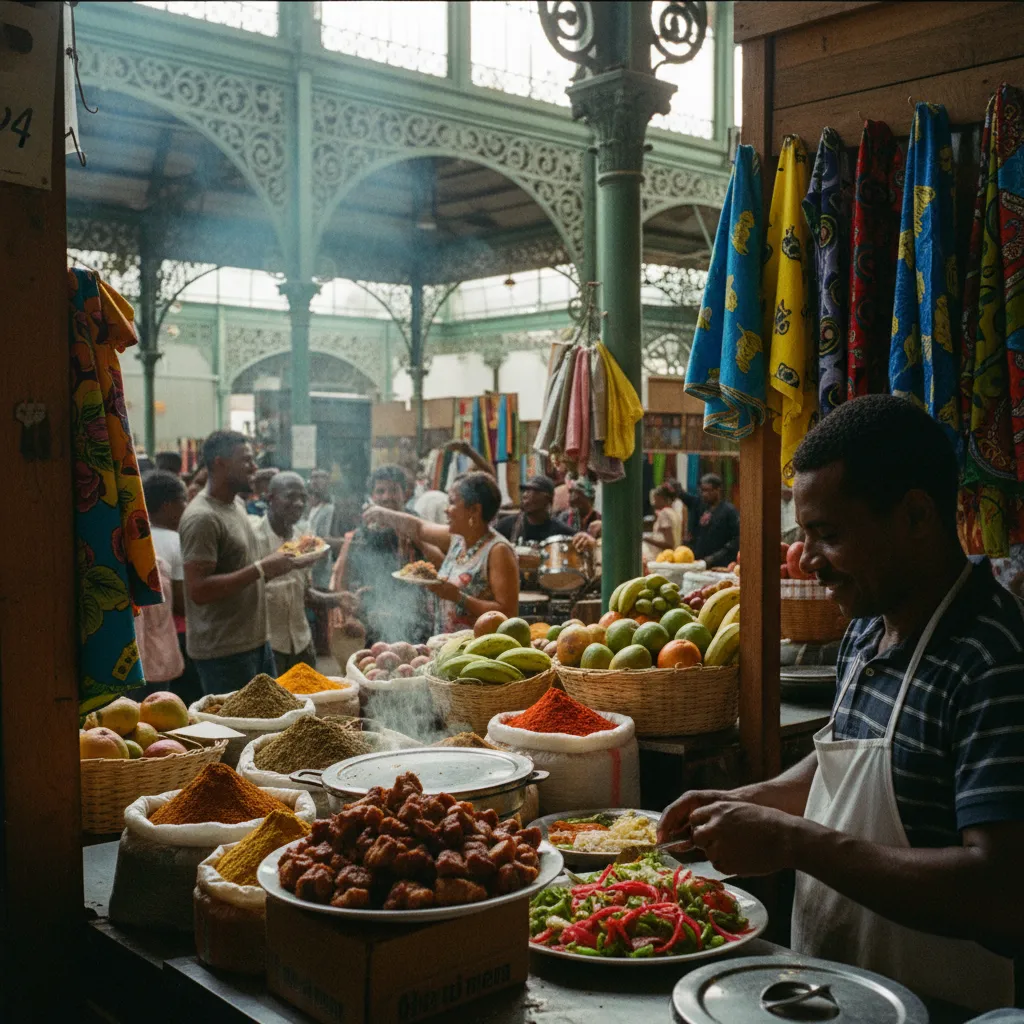
The culinary heart of the Caribbean Marketplace beats with the robust, aromatic rhythms of Haitian cuisine. The undisputed king of the menu, and a mandatory initiation for any first-timer, is the Griot. Imagine succulent pieces of pork shoulder, marinated for hours in a potent blend of citrus (often sour orange and lime), garlic, and Scotch bonnet peppers, then slow-boiled until tender, and finally deep-fried to a glorious, crispy-edged perfection. The exterior shatters with a satisfying crunch, yielding to an incredibly juicy, flavorful interior. This is always served with Pikliz, a fiery, tangy relish of finely shredded cabbage, carrots, bell peppers, and onions, all pickled in vinegar with a generous kick of Scotch bonnet. The bright acidity and heat of the pikliz cut through the richness of the griot beautifully, creating a harmonious textural and flavor interplay. Beyond griot, seek out Tasso de Dinde, equally flavorful fried turkey, or the hearty Legim, a rich vegetable stew often prepared with beef or crab, served over rice. Don't miss the Accra, fried malanga fritters, light and airy with a delicate crisp. For beverages, explore the fresh juices like passion fruit or soursop, or a potent Cremas, a creamy, spiced coconut liqueur often served chilled. Each dish is a testament to the island’s culinary ingenuity, blending African, French, and indigenous Taino influences into a distinctly Haitian expression.
Tropical Refreshments: Juices, Rhum & the Market's Liquid Delights
While the Caribbean Marketplace is not home to a single, monolithic 'bar program,' its vendors offer a fascinating array of liquid refreshments that are integral to the Haitian experience. Beyond the ubiquitous Coca-Cola, dive into the world of fresh, vibrant tropical juices. Seek out vendors offering freshly squeezed passion fruit (grenadia), soursop (corossol), or tamarind, often sweetened just enough to balance their natural tartness. These are not merely thirst quenchers; they are liquid expressions of the island's bounty, bursting with concentrated fruit flavor and often served over ice, providing a welcome respite from Miami's heat. For those seeking a more spirited experience, look for booths offering Rhum Barbancourt, Haiti's world-renowned rum. Often served neat or on the rocks, it’s a smooth, complex spirit, with notes of sugarcane, caramel, and sometimes a hint of oak, depending on its age. Some vendors might even prepare a simple yet effective rum punch, a blend of Barbancourt, fruit juices, and a dash of grenadine. The market’s beverage culture is one of refreshing simplicity and authentic flavor, perfectly complementing the robust street food. It’s about experiencing the true taste of the tropics, whether in a sweet, tangy juice or the warm embrace of a fine Haitian rum.
Little Haiti's Cultural Tapestry: A Walking Itinerary Beyond the Market
After immersing yourself in the Caribbean Marketplace, extend your exploration into the vibrant streets of Little Haiti. Begin by strolling north on NE 2nd Avenue, where you'll immediately encounter a kaleidoscope of colorful murals adorning building facades, many depicting scenes of Haitian life, folklore, and heroes. These public artworks are a cornerstone of the neighborhood's identity. A short walk will bring you to the Little Haiti Cultural Complex (212 NE 59th Ter), a pivotal institution showcasing Haitian art, dance, and music. Check their schedule for gallery exhibitions or live performances. Continue your artistic journey by meandering through the surrounding blocks, discovering smaller, independent galleries like Libreri Mapou, a legendary Creole bookstore that doubles as a cultural hub, offering not just books but also a space for community gatherings and discussions. For a moment of tranquility, visit the Notre Dame d'Haiti Catholic Church (130 NE 62nd St), a spiritual anchor for the community, often featuring stunning stained glass and a vibrant atmosphere during services. Before heading back, explore the myriad of small, family-owned shops offering everything from traditional Haitian clothing and religious artifacts to medicinal herbs and exotic produce. This neighborhood is a living museum, where every corner holds a story, every storefront a piece of Haiti’s enduring spirit.
Practical Notes for Visiting
- Transit: Accessible via Miami-Dade Transit bus routes (e.g., 9, 10, 79). Free parking is often available on surrounding streets or dedicated lots on event days.
- Arrival Window: For peak vibrancy and full vendor selection, visit on weekend event days, especially 2 PM - 7 PM. Weekdays offer a quieter, more intimate experience.
- Vibe: Energetic, family-friendly, culturally immersive. Expect live music, dancing, and a bustling communal atmosphere, particularly during festivals.
- Reservations: Not applicable. All vendors operate on a walk-up basis. Cash is often preferred by smaller vendors, though many accept cards. Plan accordingly.
Why Caribbean Marketplace Remains Irreplaceable in Miami
The Caribbean Marketplace is far more than a collection of vendors; it is the beating heart of Little Haiti, an indispensable cultural institution in Miami’s diverse urban fabric. It stands as a physical manifestation of Haitian resilience, creativity, and communal spirit, offering a vital space for cultural preservation and economic empowerment within the diaspora. In a city rapidly gentrifying, the Marketplace serves as an authentic, unvarnished touchstone, a place where traditions are actively lived, celebrated, and passed down. Its role extends beyond commerce, fostering community cohesion through shared food, music, and art. For Miamians and visitors alike, it provides an unparalleled opportunity to engage directly with Haitian culture, fostering understanding and appreciation. This marketplace is an irreplaceable testament to the power of heritage, a vibrant, essential counterpoint to the city's ever-evolving landscape, ensuring that the soul of Haiti continues to thrive in South Florida.
Ask Karpo first
Planning your visit to Caribbean Marketplace? Check the Karpo APP for real-time neighborhood crowd density, transit updates, and curated evening itineraries across Miami.
Ask Karpo for more information.
Keep reading
- Wynwood Mofongo Dinner Picker: Arts District Evening Plates
 Allapattah Mofongo Dinner Picker: Dominican Heritage Plates
 Little Havana Mofongo Dinner Picker: Calle Ocho Sunset Bowls