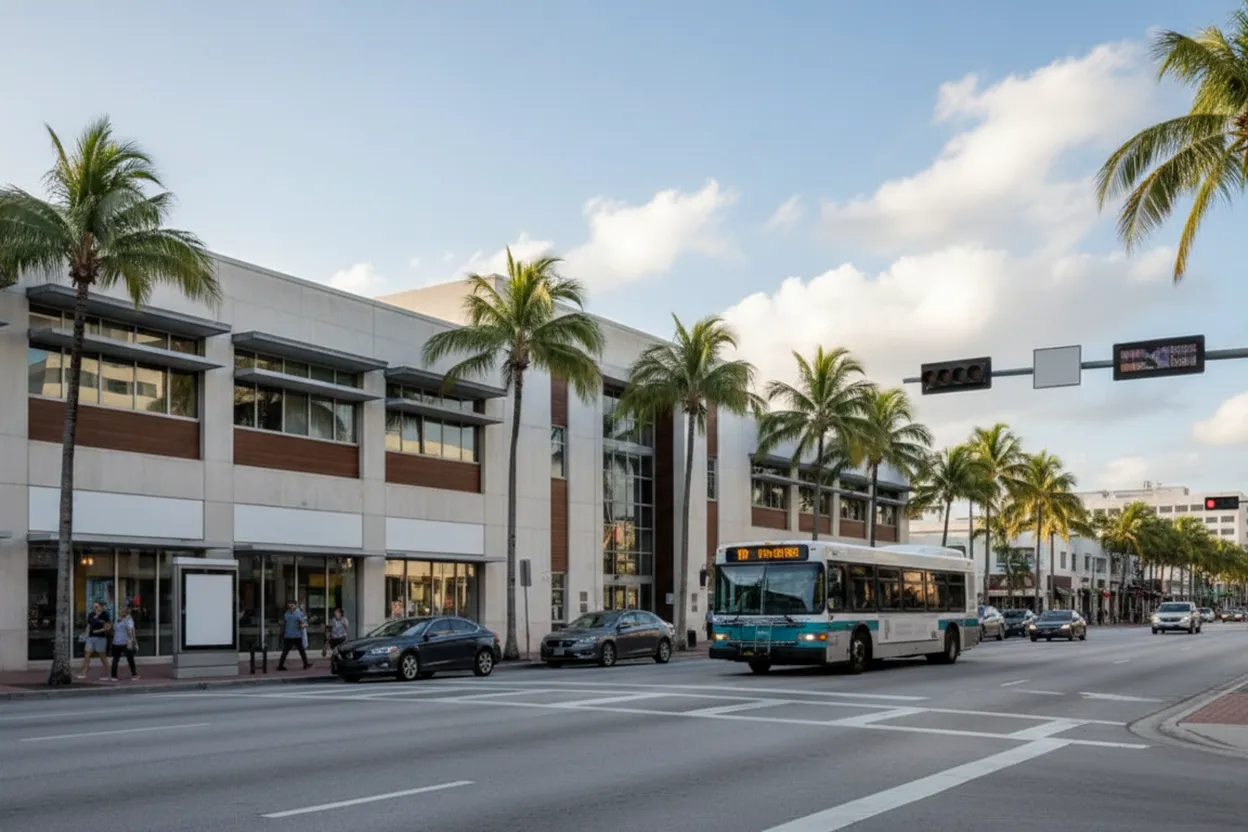
Miami searches for fauci can pull families into old clips, partisan commentary, recycled pandemic posts, and legitimate public health updates all at once. On Wednesday morning, July 29, 2026, the practical move is not to argue with a feed. It is to build a quick verification route that works in Miami’s warm, humid day: check the source, compare it with official guidance, ask a librarian when the page is confusing, and call a health office or clinician before acting. The Miami-Dade Public Library System is a useful free starting point because it offers internet access, staff help, branch choices, and accessibility services.
Want a faster Miami check before sharing a health claim with family? Text Karpo for the official links, nearest library option, and call-first steps that match today’s concern.
Main Library at 101 W Flagler Street for a Calm First Check
The Main Library in Downtown Miami gives this plan a concrete place to start if home internet is noisy, slow, or shared. Its official branch page lists 101 W Flagler Street, phone support through 305-375-2665, and a Wednesday schedule of 9:30 a.m. to 6:00 p.m. for July 29. Treat those hours as a live detail: confirm the branch page before leaving, especially during storms, county alerts, or service changes.
Use the visit like a focused errand, not a research marathon. Bring the claim, screenshot, headline, or family text that raised concern, then write down the exact medical question in plain language. A librarian can help you reach reliable websites, but they should not be asked to diagnose symptoms. The tradeoff is time: an in-person stop is slower than scrolling, but it lowers the chance of acting on an edited clip or unattributed post.
Florida Health Miami-Dade Health District Center Phone Check
For local public health services, the Florida Department of Health in Miami-Dade County lists the Health District Center at 1350 NW 14th Street with phone number 305-575-3800 and email MiamiDade@FLHealth.gov. Its page shows weekday hours and identifies services including immunizations, tuberculosis, STI services, refugee health, family planning, and vital records. If your question involves eligibility, records, clinic procedures, or a county service, call before traveling.
That call-first step matters because public health pages can be accurate yet incomplete for your situation. Ask what office handles your question, whether an appointment is needed, what documents to bring, and whether the information you saw online matches current local practice. If nobody can confirm a specific claim, do not fill the gap with social media consensus. Mark it as unverified, keep the source link, and ask your clinician or the listed health department contact for the next step.
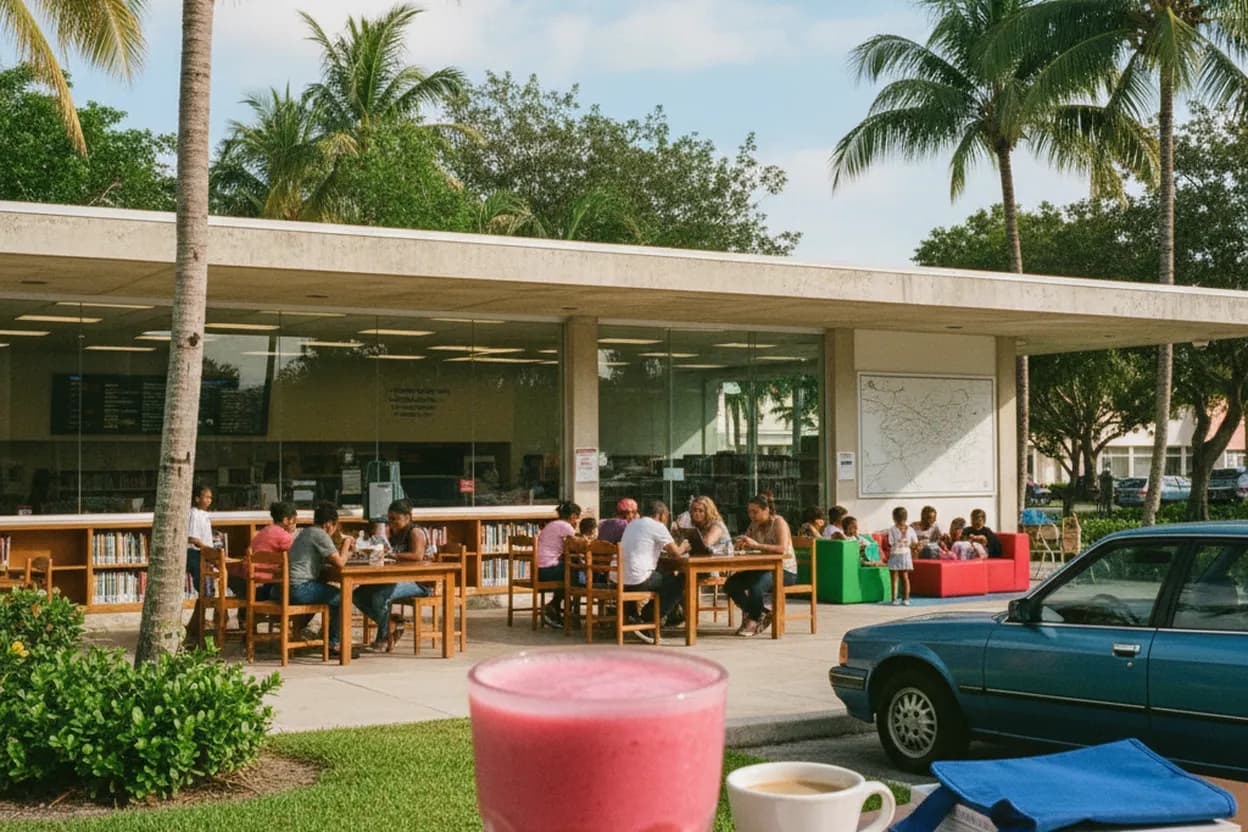
CDC, NIH, and MedlinePlus Tabs on a Library Computer
Open three tabs before reading commentary: CDC for public health topics, NIH or NCCIH for science-based explainers, and MedlinePlus for patient-friendly summaries. NIH guidance says government agencies, medical schools, hospitals, and professional organizations are stronger starting points than anonymous pages. MedlinePlus emphasizes checking who runs a site, why it exists, whether experts reviewed it, and whether it is current enough for health decisions.
The pacing is simple: spend ten minutes identifying the original source, ten minutes comparing it with one federal health page, and five minutes saving or printing the useful result. Avoid changing medication, delaying care, or starting supplements because a post sounds confident. Health information online can make a doctor visit more productive, but it cannot replace care from someone who knows the patient, the diagnosis, allergies, and current prescriptions.
Miami-Dade Transit Alerts Before a Downtown Library Trip
If you plan to reach the Main Library by transit, check Miami-Dade Transportation and Public Works updates before leaving. The county transit page supports rider alerts, route planning, real-time bus and train tracking, and elevator or escalator status. On July 29, its public page also flagged Metromover operating details and upcoming service adjustments, which is exactly why a health-information errand should include travel verification.
For families, the backup logic is practical: if heat, rain, elevator outages, or a service alert makes the trip harder, switch to the nearest branch locator, phone the library, or use a home connection. Transit is useful because parking downtown adds friction and cost, but it introduces timing risk. Keep the visit short, carry water, and avoid planning the health research stop so close to another appointment that a delay forces rushed decisions.
Ask A Librarian When the Source Trail Gets Messy
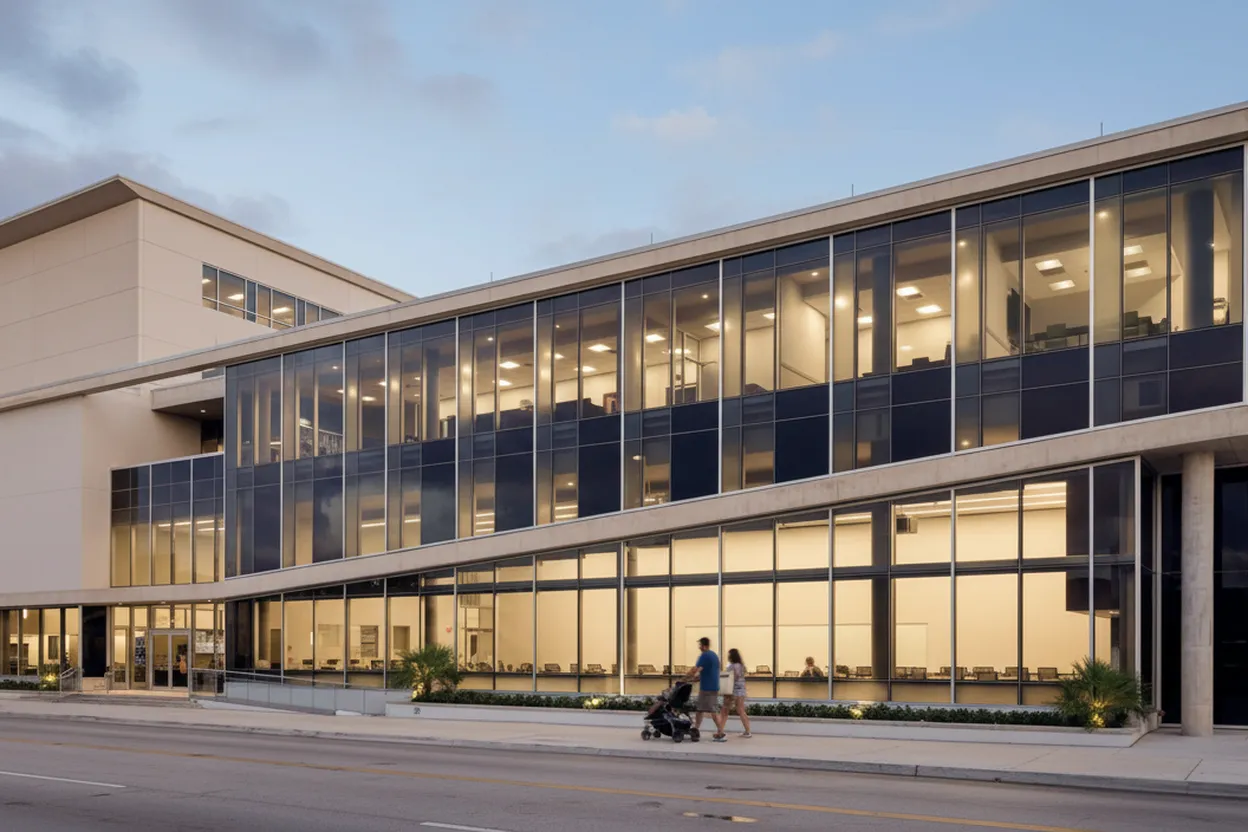
Miami-Dade Public Library services include Ask A Librarian, computers and internet access, eBooks and more, mobile printing, adult learning, and social services connections. That mix is useful when a family member sends a claim with no author, no date, or a link that points through several sites. Ask for help finding the original agency page, not for an opinion on whether a public figure or influencer is trustworthy.
The failure mode to watch is source laundering: a post quotes an article, the article quotes a video, and the video never names the study or agency. Stop following the chain when authorship disappears. If the claim involves a medical product, treatment, or diagnostic test, compare it with FDA, NIH, CDC, or MedlinePlus material and then ask a clinician. A librarian can improve your search path; medical risk still belongs with qualified health professionals.
Assistive Services, 7-1-1 Relay, and Home Library Options
Accessibility should be part of the plan, not an afterthought. Miami-Dade Public Library states that its branches are wheelchair accessible and that library computers include Windows accessibility tools. Its assistive services page also lists ZoomText availability, assisted listening devices for programs, sign language interpreter requests with advance notice, and Florida Relay Service access through 7-1-1 for people using TTY or TDD equipment.
If someone in the family cannot comfortably visit, the Connections Home Library Service is a backup to explore because it serves people who have difficulty visiting due to physical limitations, short-term illness, disabilities, limited transportation, or caregiving barriers. This does not replace urgent medical care, and it may not answer a same-day health question. It does widen access to reliable reading materials and staff-supported information routes when a branch trip is not realistic.
Final Verification Action Before Sharing in a Family Chat
Before forwarding any public health claim in Miami, take one final verification action: open the original agency or medical source, confirm the page date or review date, compare it with another reputable source, and note what remains uncertain. If the claim tells people to ignore doctors, buy a product, treat one remedy as a cure, or act immediately without evidence, slow down and verify through official channels.
For a family chat, share the confirmed link, one sentence about what it does and does not say, and the phone number or office to call for local details. If your question is personal, include the instruction to contact a healthcare provider rather than treating the thread as advice. The best outcome is modest: fewer rumors, clearer next steps, and a Miami-specific habit of checking before reacting.
Tags: #AskKarpo #BeforeYouGo #Miami #MiamiDade #PublicHealth #HealthLiteracy #MDPLS #FloridaHealth #CDC #MedlinePlus #FamilySafety #FreeThingsToDo #DowntownMiami #VerifyFirst
Sources consulted: Source 1: mdpls.net · Source 2: miamidade.floridahealth.gov · Source 3: mdpls.org · Source 4: miamidade.gov · Source 5: nccih.nih.gov · Source 6: medlineplus.gov
All trademarks are the property of their respective owners.
Ask Karpo first
Tell Karpo your date, group size, budget, and starting point. We’ll check current access, timing, transit, and the cleanest Miami plan for Miami-Dade Public Library System before you head out.


