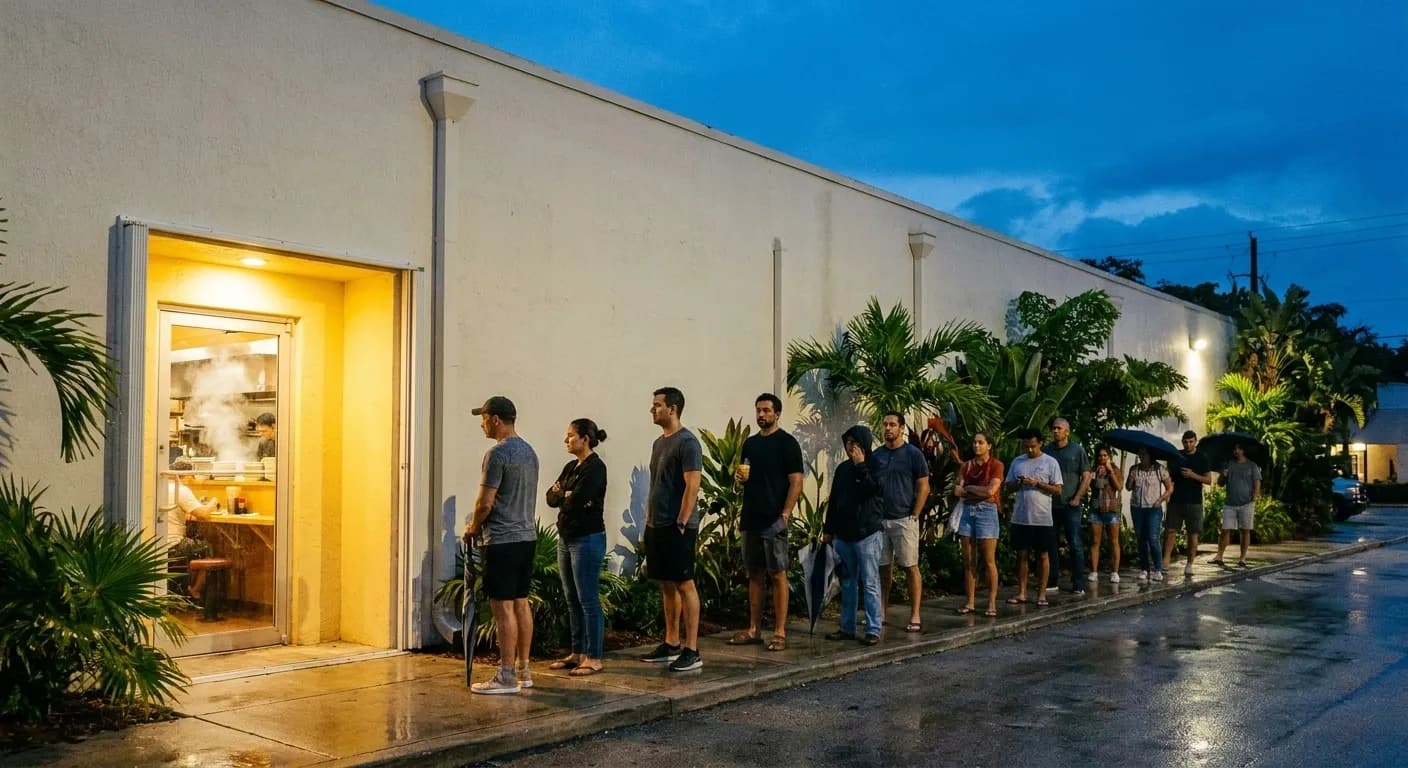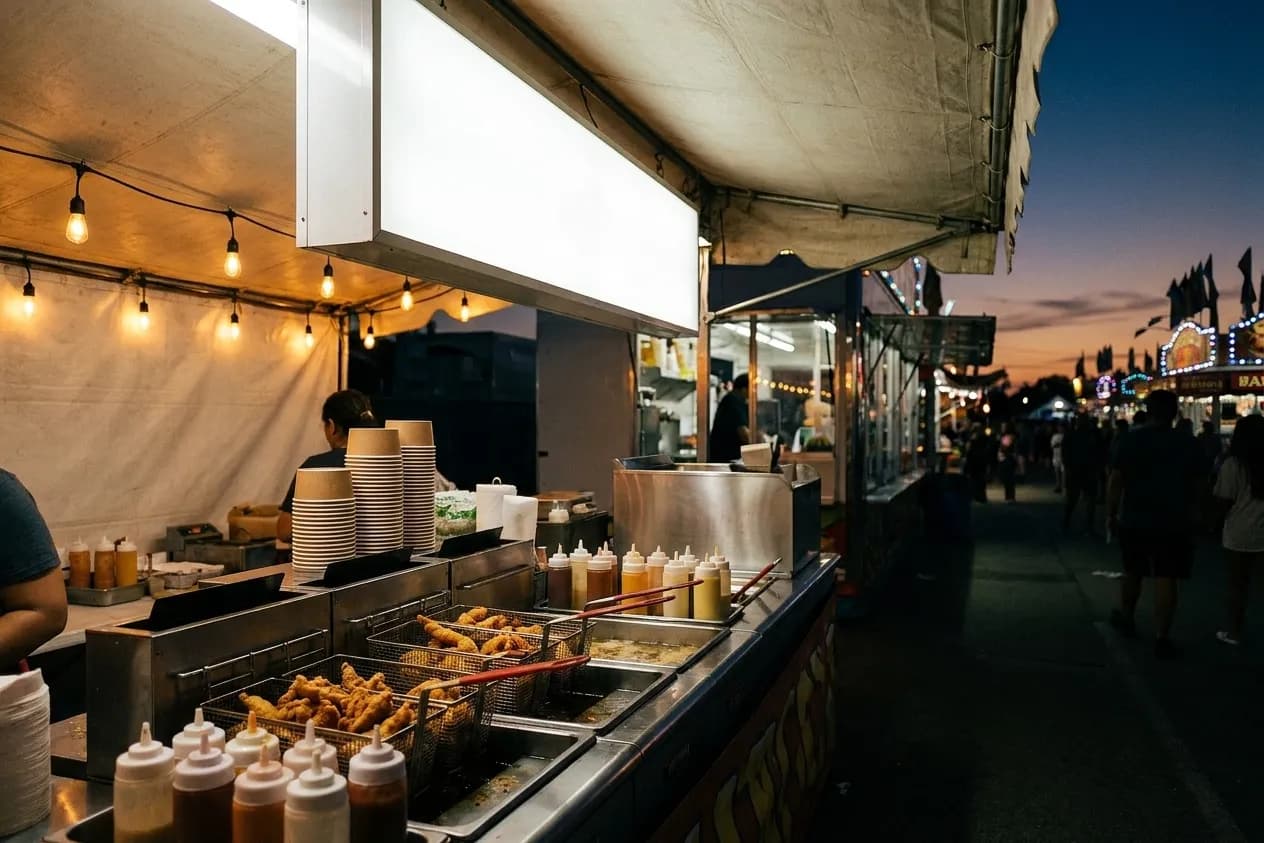
The Miami-Dade Youth Fair is one of the largest fairs in the country and it runs for about three weeks, from the middle of March into the first days of April, with more than a hundred and fifty food stands on the ground at Tamiami. That is a wonderful three weeks and a slightly absurd basis for a craving that arrives in September. The useful question is not where the fair is. It is where the same food lives for the other eleven months, and in this city the answer is unusually good.
Carts move, festivals rotate and the bakery that fries fresh at four in the afternoon is not the one that fries at nine in the morning. Tell Karpo which part of the county you are in and what you are craving, and get where the fryers are running today, what time the good batch comes out, and whether it is cash only.
The fair is a spring event and the food is not
Fair food is a technique rather than a place: batter, hot oil, sugar, and an item you would not normally eat with your hands. Miami has a permanent version of every part of that. The churro carts that appear outside supermarkets and at the edges of parks are running the same equipment as the midway stands. The bakeries produce fried sweets daily. The only thing the fair adds is a fried version of something that had no business being fried, which is genuinely fun and genuinely a once-a-year thing.
Ventanitas and panaderías do the everyday work
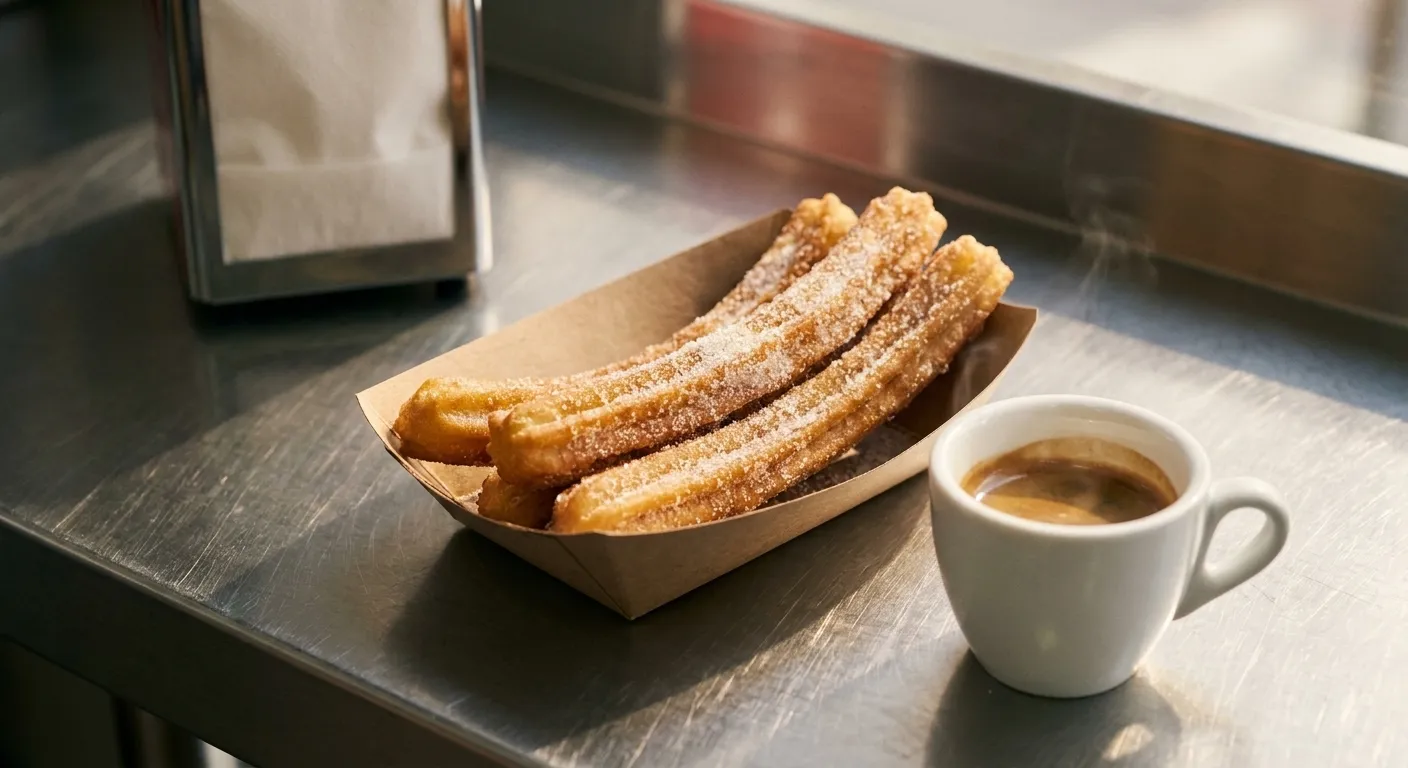
The counter window on the side of a Cuban bakery is the closest thing this city has to a permanent fair stand. Pastelitos come out of the fryer or the oven in batches through the day, the guava and cheese ones being the standard order, and a small coffee alongside is a dollar-fifty proposition rather than a fairground five. The trick is timing rather than location — ask what time the next batch lands and come back then. A pastelito twenty minutes out of the oven is a different pastry from one that has been sitting since ten.
Croquetas belong in the same conversation. Fried, handheld, eaten standing up, and available on almost every commercial block west of I-95.
Churro carts run on a schedule you can learn
The carts cluster where the foot traffic is — outside big supermarkets in the late afternoon, near Little Havana on weekend evenings, around parks when a game lets out. They fry to order when they are busy and reheat when they are not, and the difference is obvious. Cash is common and a queue is a good sign rather than a deterrent. If there is nobody waiting, the churros in the warmer have been there a while.
Festivals fill the gap between fairs
Miami's festival calendar is dense enough that some version of midway food is available most months. Carnaval Miami and the Calle Ocho street festival in March overlap with the fair itself; through the rest of the year the county's neighbourhood festivals, church fairs and cultural events bring in the same vendors on a smaller scale. The pattern is worth knowing: a festival with rides has fair food, a festival without rides has restaurant stalls, and the two produce completely different afternoons.
What to skip and what to actually queue for
Skip anything sitting under a heat lamp that could have been fried fresh. Queue for the thing that is being made in front of you — churros extruded to order, croquetas straight out of the basket, a fresh batch of pastelitos. The other rule specific to this city is temperature discipline: fried food and ninety-degree humidity are a bad combination if you carry it any distance, so eat it where you bought it rather than driving home with it on the passenger seat.
The supermarket bakery tier
There is a whole category between the fair and the bakery that visitors miss entirely: the in-store bakeries and hot counters at the big Hispanic supermarket chains across the county. They fry and bake in volume through the day, prices are lower than anywhere else, and the quality on the standards — pastelitos, croquetas, empanadas — is frequently better than at places charging twice as much, because the turnover is enormous. It is not an atmospheric outing. It is, however, the correct answer if what you actually want is a bag of hot fried pastries for six dollars on a Tuesday afternoon rather than a night out.
Practical notes
The Youth Fair is a March-to-April event at Tamiami with more than 150 food stands, so plan the fair proper for spring. For the rest of the year, Cuban bakery windows cover the fried-sweet category daily — ask what time the next batch comes out. Churro carts work supermarket forecourts in the late afternoon and Little Havana at weekends, usually cash. Choose festivals with rides if it is specifically midway food you want, and always eat it on the spot.
Tags: #FairFood #MiamiFood #Churros #Pastelitos #LittleHavana #CubanBakery #StreetFood #MiamiEats #Restaurants #YouthFair #MiamiWeekend #FriedFood #MiamiGuide
All trademarks are the property of their respective owners.
Ask Karpo first
Want to know which carts and bakery windows are frying right now near you, what time the next batch lands, and whether you need cash? Ask Karpo for the closest options and the best hour to turn up.