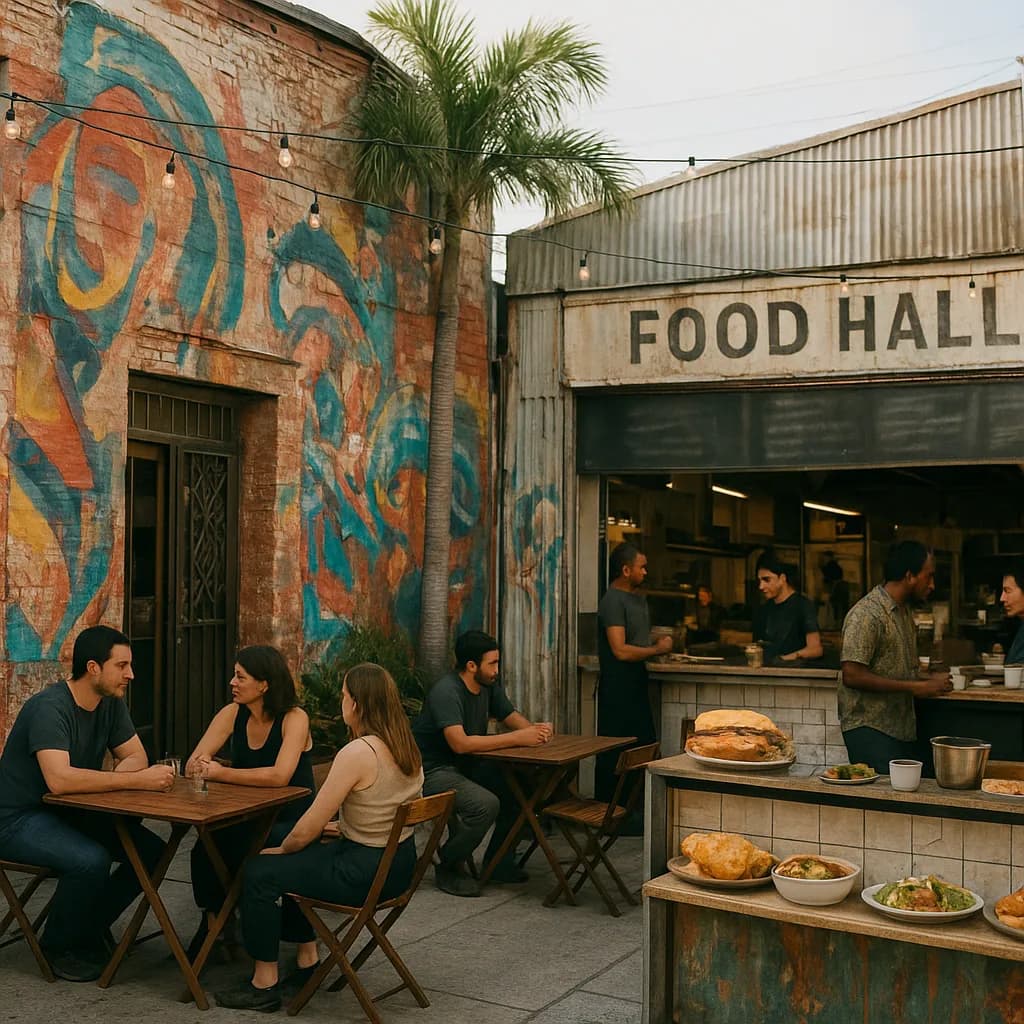
 Wynwood Near Me: A Two-Hour Murals and Food Hall Route
Neighborhood Guides
What Does Eugene Horsch Have to Do with Walking Downtown Miami?
A search term with no Miami landmark attached still needs a route that clears parking, rain, and bridge delays.
Someone types Eugene Horsch into a search bar, and the results don't hand them a street corner or a venue. The name floats without a fixed Miami anchor, so the next question becomes practical: if you're already curious enough to search, and you're in or near Miami, where do you actually go to turn that interest into a few useful hours? The answer isn't a landmark tied to the phrase itself—it's a neighborhood walk that absorbs the time you've set aside and delivers something concrete in return.
Karpo keeps tabs on bridge lifts, afternoon storms, and which rideshare zones are actually staffed. Text it before you leave so you're not standing in the heat when the weather flips.
Why People Search Eugene Horsch and End Up Planning a Walk
Downtown Miami handles this kind of open-ended outing better than the beach neighborhoods because it packs variety into a compact grid. You can cover Flagler Street, the bay walk along Biscayne Boulevard, and Bayfront Park without a car, and the density means you're never more than two blocks from air conditioning if the afternoon rain starts early. The terrain is flat, the sidewalks are wide near the water, and the mix of old storefronts and new towers gives you enough to look at that the walk doesn't feel like a chore. Eugene Horsch doesn't pin you to one spot, so the route needs to be flexible enough to absorb a detour or a longer coffee stop without falling apart.
Downtown's Grid and Why It Works for an Unscripted Afternoon
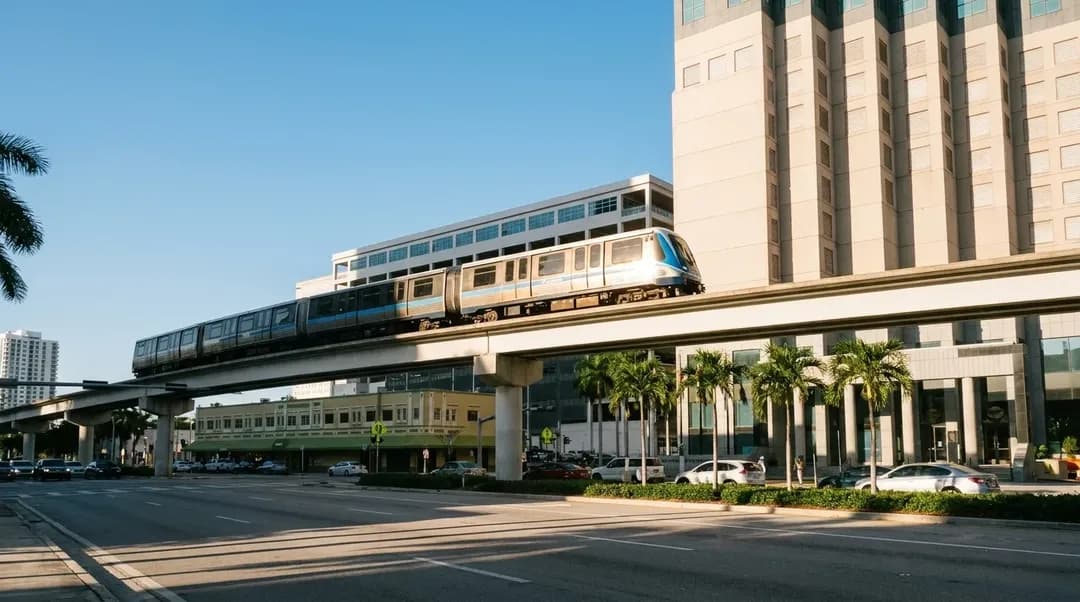
Start near the Metromover Government Center station, where Flagler crosses Northwest First Avenue. The Metromover is free, and the Government Center stop connects to Metrorail if you're coming from farther south or west. If you're driving, the parking garage under the Stephen P. Clark Center on Northwest First Street usually has space and posts rates by the hour—check the reader board at the entrance because weekend rates sometimes drop. Avoid the surface lots along Biscayne Boulevard near the arena; those fill early when there's an event, and you'll spend twenty minutes circling.
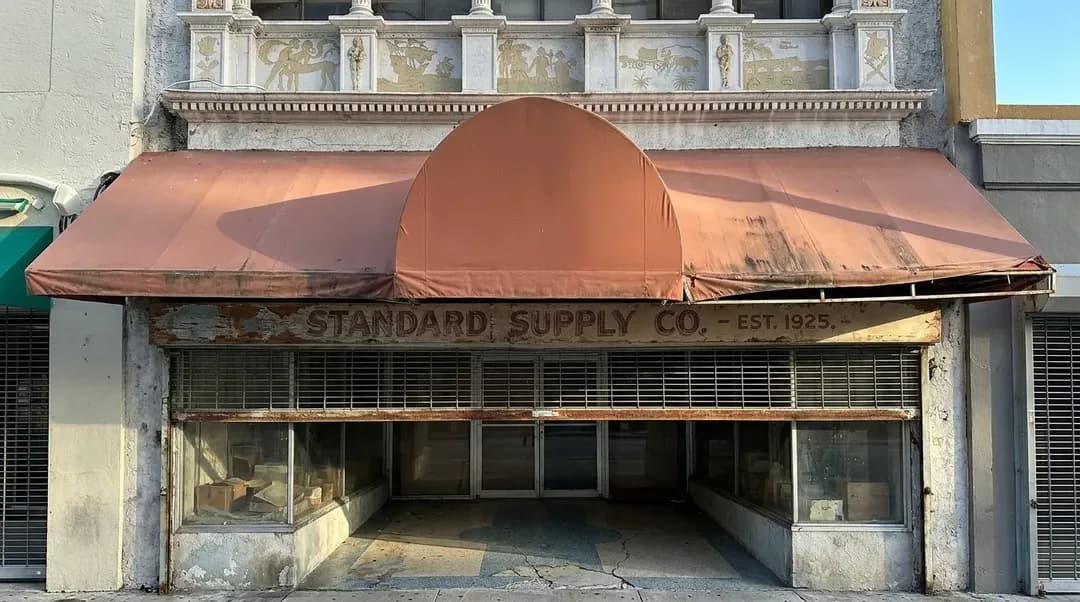
Walk east on Flagler toward the water. The stretch between First and Second Avenues still holds a few older storefronts—shoe repair, discount electronics, a cafeteria-style lunch counter that's been there since the eighties. The block isn't picturesque, but it's real, and it gives you a sense of the city's older commercial spine before the condo towers took over. By the time you reach Biscayne Boulevard, the streetscape opens up. Cross to the east side and head south along the bay walk. The path is paved, shaded in stretches by ficus trees, and wide enough that joggers and strollers don't bottleneck. Bayfront Park starts at the bottom of this stretch, and the open lawn facing the water is the best place to pause if you need to regroup or check your phone without standing in the sun.
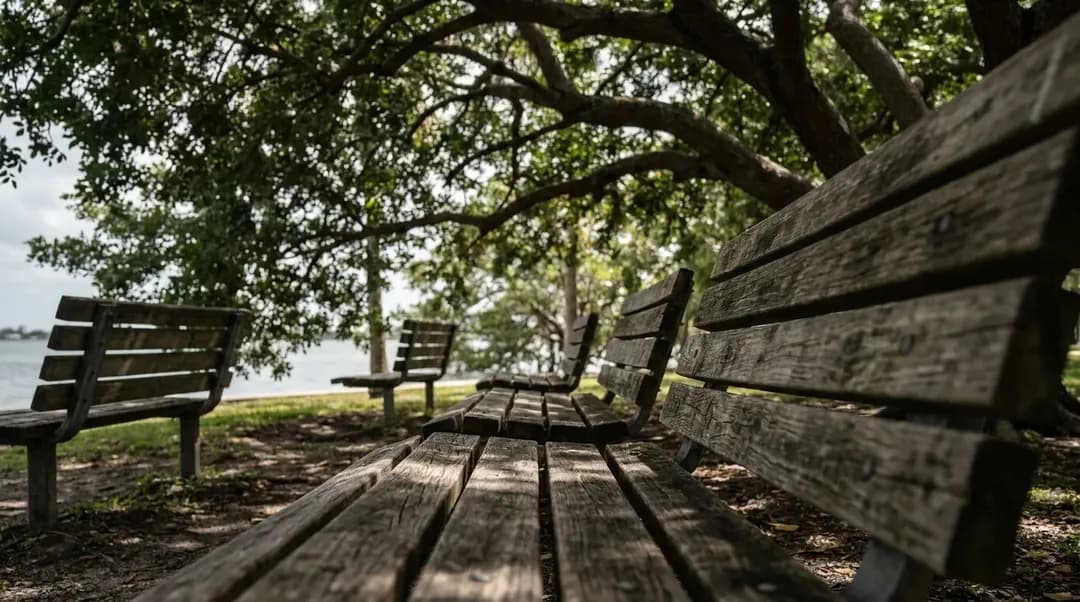
Inside Bayfront Park, the Tina Hills Pavilion sits near the center, a concrete bandshell that hosts free concerts some evenings—verify the schedule on the park's website before you plan around it. The pepper tree grove on the north side of the park offers the most reliable shade in the afternoon, and the benches there face away from the street noise. If you're walking with someone, this is the spot where conversation is easier because you're not competing with traffic. The southern end of the park, near the Torch of Friendship, gets more foot traffic from cruise passengers cutting through, so it's louder and less useful for a break.
When to Walk and When the Weather Decides for You
Miami's afternoon rain is predictable from June through September—plan to start your walk by ten or eleven in the morning, and you'll be back indoors or under cover by the time the first cells roll in around two or three. The rain usually lasts thirty to forty minutes, then clears, but the humidity afterward makes walking feel harder than it did in the morning. If you're visiting in winter, the opposite problem applies: the best light and the coolest air come after four in the afternoon, but that's also when causeway traffic backs up if you're driving back to the beach, and rideshare pickup times stretch past twenty minutes near the arena.
Bridge timing matters if your route involves crossing to or from the barrier islands. The Venetian Causeway lifts for boats, and the MacArthur Causeway slows to a crawl during evening rush. If your walk ends near the Metromover, use it to loop back to Government Center or Brickell instead of waiting for a car. The elevated track gives you a view of the whole downtown grid, and the stations are spaced closely enough that you can hop off if you see something worth a closer look. The Metromover runs every few minutes during the day, less frequently after eight at night—check the reader board at the platform for the next arrival rather than assuming it's immediate.
A Quieter Route if Bayfront Park Feels Too Open
If the bay walk feels too exposed or too crowded, cut west from Flagler at Second Avenue and walk south through the blocks between Miami Avenue and the boulevard. This section of downtown has less foot traffic and more mid-rise buildings from the seventies and eighties, the kind with ground-floor office lobbies and narrow plazas that catch shade in the late afternoon. The sidewalks are less scenic but also less chaotic, and you won't be dodging selfie tripods or street vendors.
At Southeast Second Street, turn east and walk toward the water. You'll pass the main library—Miami-Dade Public Library downtown branch—which has public restrooms, water fountains, and seating if you need a longer break. The building is concrete and angular, not charming, but it's cool inside and open most days until six. From there, continue east to Biscayne Boulevard and pick up the bay walk heading south. This route adds about ten minutes but keeps you off Flagler if that street feels too loud or too crowded for the kind of walk you're after when you searched Eugene Horsch and decided you wanted to move instead of sitting still.
What to Check Before You Commit to the Plan
Eugene Horsch as a search term doesn't come with built-in logistics, so you're responsible for confirming the pieces that make the walk work. Check the Metromover status before you leave—the system occasionally closes sections for maintenance, and the website posts alerts. If you're parking downtown, verify garage rates online because event pricing can double the cost without warning, especially near the arena or the Adrienne Arsht Center. The library's hours shift on weekends and holidays, so confirm it's open if you're counting on it for a midpoint rest stop.
Weather radar is non-negotiable in summer. The rain doesn't announce itself with dark skies; it just arrives. Pull up a local radar app before you start walking, and if you see a cell forming west of the city, assume it will reach downtown within thirty minutes. Bayfront Park has covered areas near the pavilion, but they fill quickly when the rain starts. The Metromover stations offer shelter, and so do the lobbies of the larger office buildings along Biscayne Boulevard, though some require a security check to enter.
If you're meeting someone or planning to end the walk with a meal, confirm the restaurant or café is open that day. Several spots near the bay walk close on Sundays or operate on reduced hours during the slower months. A quick call or a check of their website saves you the frustration of walking an extra ten blocks only to find a locked door. Eugene Horsch might not give you a destination, but that doesn't mean you should leave the rest to chance. The walk works when the timing, the weather, and the route all align, and that alignment takes five minutes of checking before you leave.
Practical notes
- Start before eleven in summer to finish before afternoon rain; winter afternoons offer better light and cooler air.
- Metromover is free and connects Government Center to Brickell; check the reader board for next arrival times.
- Parking garages under the Clark Center or along Flagler usually have space; avoid surface lots near the arena on event days.
- Bayfront Park's pepper tree grove on the north side offers the most reliable afternoon shade and quieter benches.
- Bridge lifts on the Venetian and MacArthur causeways slow evening traffic; plan your return route around that timing.
- Confirm library hours and restaurant schedules before you count on them as midpoint stops or meal destinations.
Tags: #karpo #miami #downtownmiami #eugenehorsch #neighborhoodwalk #miamiwalk #bayfront #metromover #miamidowntown #walkingroute #bayfrontpark #miamiguide #citywalks #southflorida #urbanwalking
Sources consulted: Miami-Dade Transit Metromover · Bayfront Park Management Trust · Miami-Dade Public Library
All trademarks are the property of their respective owners.
Ask Karpo first
Text Karpo before you head out to confirm which Metromover lines are running and whether the library or any cafés along your route have shifted hours. It can also build you a live route that skips crowded blocks and adjusts for current weather radar so you're not caught in the open when the rain starts.
Ask Karpo for more information.
Keep reading
- Wynwood Near Me: A Two-Hour Murals and Food Hall Route
 Byblos Miami: Miami Beach's Mediterranean Food Anchor Beyond the Grill
 Amal Miami's Mediterranean Food: Lebanese Mezze in Coconut Grove