 Mediterranean Food Near Me: Mandolin Aegean Bistro's Blue Garden
Hidden Gems & Odd Finds
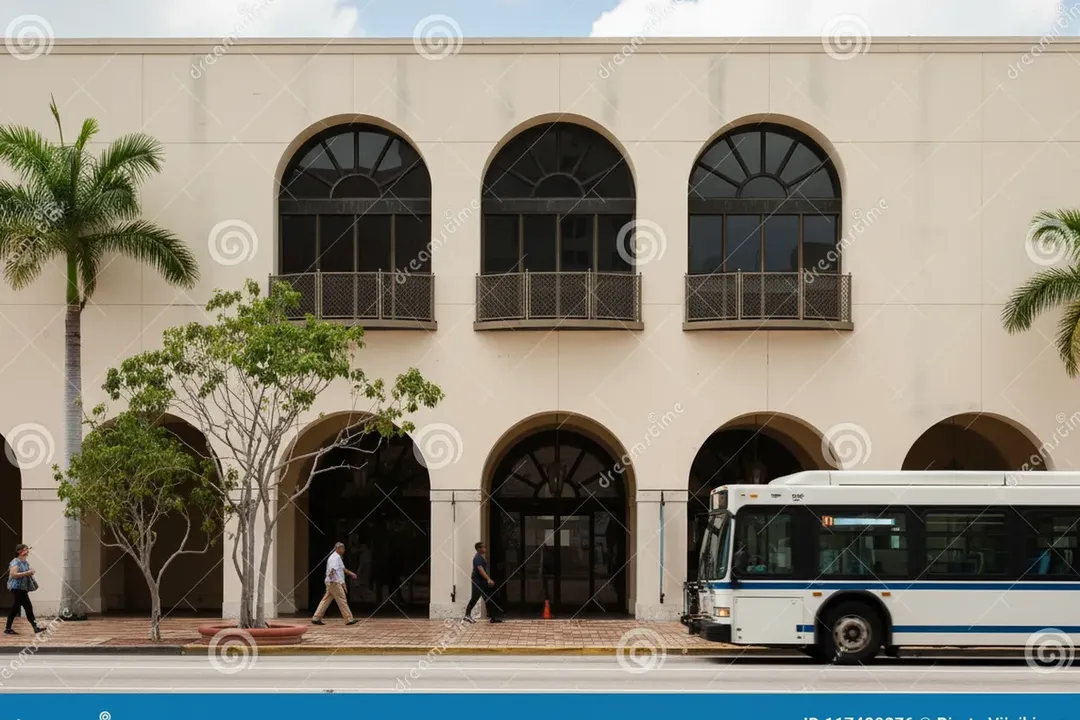
elisabeth jane ross Verification Walk Through Miami Library Records
A careful Miami workflow for checking public records, library indexes, archives, and transit access without turning a name search into speculation.
A name search can feel urgent, especially when the query is as specific as elisabeth jane ross and the trail appears to point toward Miami. The useful move is not to guess. Start at Miami-Dade Public Library System Main Library in the downtown Cultural Center, then separate library discovery tools from official county records, archival collections, and courthouse indexes. This walk-through is for a midday researcher working alone, with enough time to compare sources before making any claim. It treats a private individual’s name as a search term, not a story, and keeps the standard high: verify the record, verify the custodian, then verify whether the result is actually the person you mean.
Want the Miami version without losing the thread? Text Karpo for a click-ready verification path across Main Library, Clerk records, HistoryMiami backups, and transit checks before you go.
Miami-Dade Main Library At 101 West Flagler Street
Begin at Main Library, 101 West Flagler Street, because it sits near the county records ecosystem and offers a neutral place to organize a name search before contacting agencies. The branch page lists the library phone as 305-375-2665 and notes nearby Cultural Center Garage parking at 50 NW 2 Avenue with validation details. Hours can change by holiday or branch notice, so confirm the live branch page before leaving.
Use the first library stop to build a source log, not a verdict. Write the exact spelling, alternate initials, date ranges, possible Miami neighborhoods, and every database or index you check. Ask staff which library resources cover genealogy, newspapers, directories, local history, or obituary research, but do not ask them to identify a private person beyond what public records support. The best outcome is a short list of confirmed custodians and dead ends.
Information Desk Search Terms On The Second Pass
After the first sweep, take the query back to the Information Desk as a research question: which public-facing sources can confirm whether a Miami record exists for this exact name? That keeps the conversation practical and avoids rumor. If the name produces too many matches, narrow by document type, date, location, or associated institution. If it produces none, record that as a search result, not proof that no record exists.
The tradeoff is speed versus confidence. A general web search may surface profiles, scraped databases, and recycled snippets quickly, but those pages can merge identities or lag behind official records. Library databases and staff-guided searches are slower, yet they help identify whether the trail belongs in newspapers, city directories, property records, court records, vital records, or archives. If you cannot confirm the source owner, pause before saving or sharing the result.
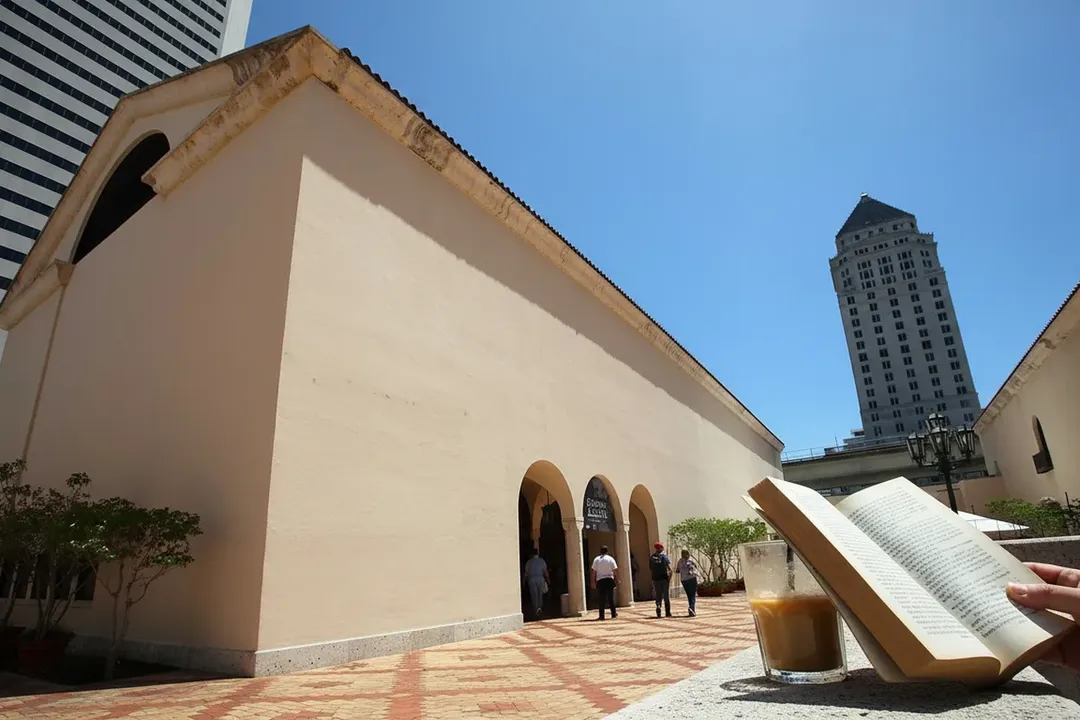
Miami-Dade Clerk Records Library At 20 NW 1st Avenue
For recorded county documents, move from library discovery to the Miami-Dade Clerk of the Court and Comptroller. The Records Library page says recorded documents and indexes are maintained there, with document types including deeds, mortgages, releases, assignments, liens, affidavits, judgments, and civil court orders. It lists the Office of County Recorder at 20 NW 1st Avenue, Suite 5.246, Miami, Florida 33128.
The Clerk page also explains practical limits: most recorded documents from 1974 to present can be searched online, while earlier documents are still being made available on the web. In person, records can be researched by party name, Clerk’s File Number, legal description, or official records book and page. If a name match appears, verify the document type, date, and parties before treating it as connected.
Official Records Copy Fees And Certified Copies
Budget expectations matter because verification sometimes ends with a copy request. The Clerk’s Records Library page currently lists recorded document copies at $1 per page and $2 to certify. It also says copies can be requested online, by mail, or in person. Do not assume a screenshot is enough if the purpose requires evidence; the needed standard may be a certified copy from the custodian.
A failure mode is paying for the wrong document because a name appears familiar. Before ordering, compare spelling, middle name, associated address, document date, and any related party names. If the Clerk’s online search does not show the older record, use the mail or in-person instructions rather than filling the gap with a third-party site. For any legal effect, get advice from a qualified professional, not from the search result itself.
HistoryMiami Research Center Appointment Backup
If the question shifts from county filings to local-history context, HistoryMiami Museum is the stronger backup. Its Research Center houses archives and a non-circulating library documenting the Miami region, South Florida, and the Caribbean. The center is appointment-only, with appointment windows listed Tuesday through Thursday from 12:00 p.m. to 4:30 p.m. and Friday from 10:00 a.m. to 4:30 p.m., subject to holiday closures.
Use HistoryMiami when you need context such as photographs, organizational records, maps, ephemera, or archival collections that may not appear in Clerk indexes. The pacing is different from a walk-in library stop: book ahead, describe the topic narrowly, and ask what materials are retrievable for the appointment. If the staff cannot identify a collection, ask what repository might hold it, then document that referral.
Government Center Transit And Metromover Access
For a downtown route, Government Center is the practical transit anchor because it connects Metrorail, Metromover, and nearby civic offices. Miami-Dade’s Metromover page describes the system as free, operating seven days a week in downtown Miami, Omni, and Brickell, with service hours listed as 5:30 a.m. to 10 p.m. It also notes ongoing upgrades and modified Inner Loop information, so check alerts before relying on a tight transfer.
Accessibility planning should be part of the workflow, not an afterthought. The county Metromover page notes tactile platform tiles, priority seating, and backup accessible service within 30 minutes upon request when an elevator is unavailable for a passenger using a wheelchair or mobility aid. If elevator status, weather, or construction would complicate the trip, call the library or choose online records first, then schedule an in-person visit only if needed.
Last Action: Confirm The Custodian Before Sharing
End the search by naming the custodian for every fact: Miami-Dade Public Library for research help and databases, the Clerk for official recorded documents and court-related public records, HistoryMiami for archival materials, and Miami-Dade Transit for trip conditions. If a detail has no custodian, mark it unverified. That single habit prevents a careful Miami lookup from becoming an unsupported claim about a private person.
Your final verification action is simple: save the URL, date checked, search terms used, and outcome for each official source, then contact the relevant office if the result is ambiguous. Ask whether the record type, date range, and access method are correct. If the answer cannot be confirmed, say so plainly. In records work, a documented uncertainty is more useful than a confident mistake.
Tags: #Miami #MiamiDade #MiamiLibrary #MainLibrary #PublicRecords #RecordsSearch #HistoryMiami #GovernmentCenter #Metromover #DowntownMiami #ResearchWorkflow #HiddenGems #AskKarpo #BeforeYouGo
All trademarks are the property of their respective owners.
Ask Karpo first
Tell Karpo your date, group size, budget, and starting point. We’ll check current access, timing, transit, and the cleanest Miami plan for Miami-Dade Public Library System Main Library before you head out.
Ask Karpo for more information.
Keep reading
- Mediterranean Food Near Me: Mandolin Aegean Bistro's Blue Garden
 Fast Food Near Me in Miami: Latin American Cafeteria Presses Cuban Sandwiches
 Fast Food Near Me: El Mago de las Fritas Stacks Cuban Burger