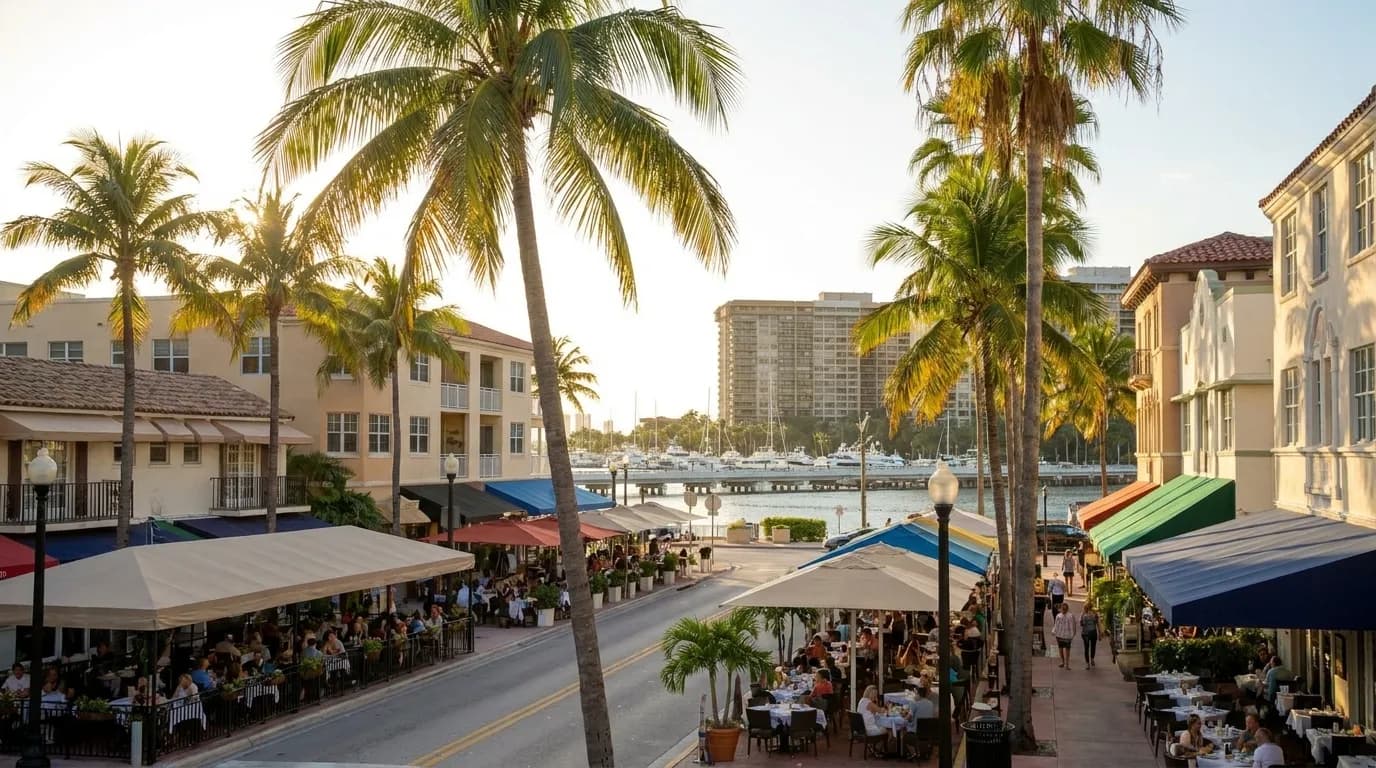
Drive down 107th Avenue in Doral any day in December and you'll see handwritten signs taped to restaurant windows: "Reserva tus hallacas aquí." This is Doralzuela—the nickname locals gave Miami's densest Venezuelan enclave—and it transforms every year when hallaca season begins. The Christmas tamale, stuffed with a stew of pork, chicken, olives, raisins, and capers, then wrapped in plantain leaves and boiled for hours, is the dish every Venezuelan family makes or orders by the dozen. Restaurants start taking pre-orders in November. By mid-December, the good spots sell out.
Karpo tracks which Doral spots are taking hallaca pre-orders right now and which Venezuelan tables have availability tonight.

El Arepazo: the December headquarters
El Arepazo on Northwest 107th Avenue has been the Doral Venezuelan anchor since 2010, and their hallaca pre-order operation runs like a military drill. Walk in any weekday morning in late November and you'll find a clipboard at the counter where regulars are already claiming their dozens. They make them fresh in-house—no frozen product—using a family recipe that leans heavier on the stew and lighter on the masa than most. Each hallaca runs around seven dollars during pre-order season, eight if you walk in without reserving.
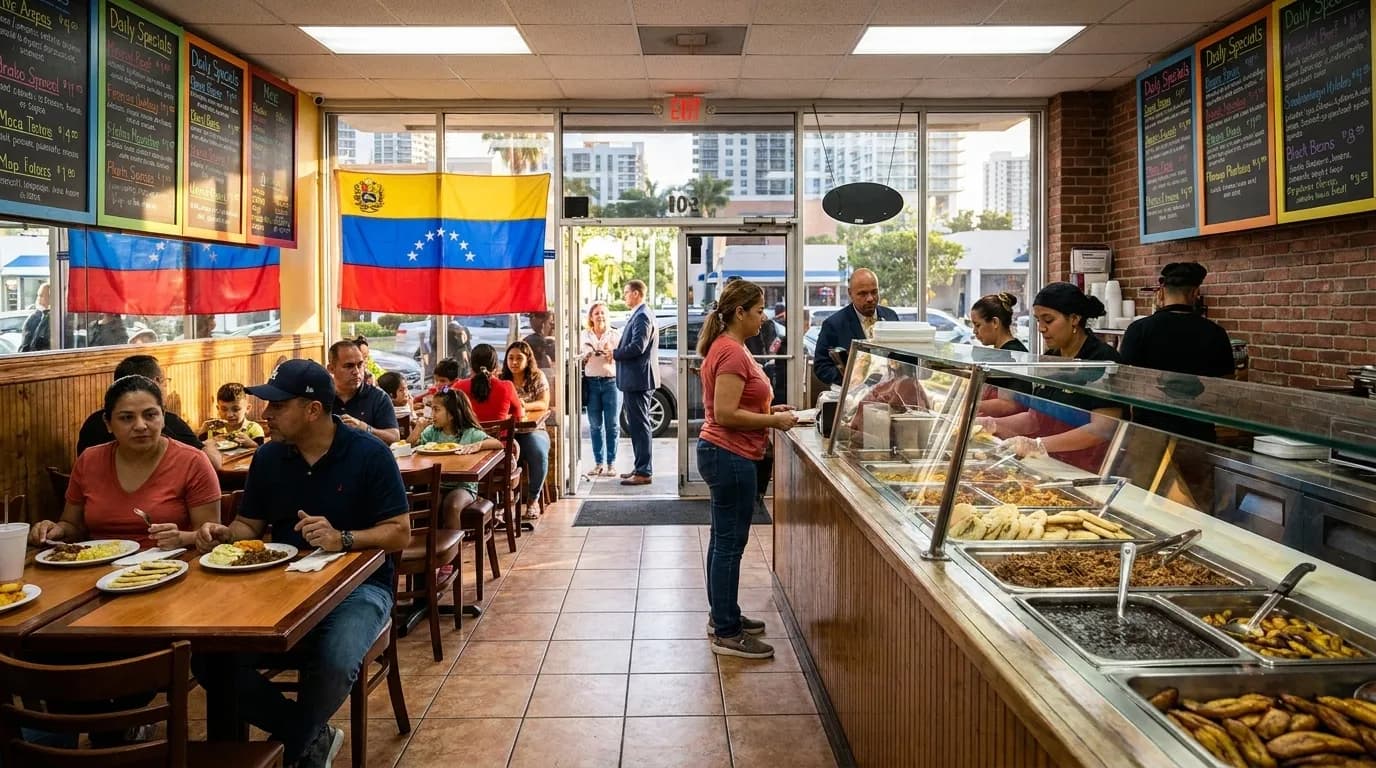
The rest of the year, El Arepazo is the place for reina pepiada arepas (shredded chicken with avocado), pabellón criollo (shredded beef, black beans, rice, and fried plantains), and weekend asado negro, the sweet-savory pot roast that simmers for hours. The dining room is small, always packed at lunch, and the counter moves fast. If you're there for hallacas, pick them up the day you're told—they don't hold extras past pickup day.
Doggis Arepa Bar: the late-night hallaca backup
Doggis Arepa Bar sits a few blocks south on the same strip, and while it's known for staying open later than most of the neighborhood (until ten on weeknights, midnight on weekends), it also quietly runs one of the better hallaca programs in Doral. They take pre-orders starting early December and often have a small batch available for walk-ins during the first two weeks of the month. The trick: call ahead after 8 p.m. and ask if they have any left from that day's batch. If they do, you can swing by and grab them warm.
Doggis also does a solid year-round menu. The cachapa—a sweet corn pancake folded around queso de mano—is one of the best in Miami, and their tequeños (fried cheese sticks) are the late-night move when you've been out in Brickell and want something that isn't a burger. The space is more bar than dining room, with a few high-top tables and a long counter facing the kitchen. It's louder, younger, and more casual than El Arepazo, but the food is just as serious.
December pre-order season: how it works
Most Venezuelan spots in Doral start advertising hallaca pre-orders the week before Thanksgiving. You'll see it on their Instagram stories, on flyers taped to the door, or on whiteboard signs behind the register. The system is low-tech: you walk in, tell them how many you want (most people order by the dozen), leave a deposit—usually half—and they give you a pickup date, typically between December 15 and December 23. Some places let you order by phone, but the smaller operations prefer in-person deposits to avoid no-shows.
Hallacas freeze well, so Venezuelans buy in bulk. A dozen is standard. Two dozen is common if you're hosting or gifting. The ones you buy in Doral are almost always homemade-style: dense masa, generous filling, and tied with kitchen twine. They come warm or cold depending on when you pick up, and most places will give you reheating instructions (boil for 20 minutes, don't unwrap until after). If you're new to this, order a half-dozen first. They're rich, and one hallaca with a side of ensalada de gallina (Venezuelan chicken salad) is a full meal.
What makes a good hallaca
Every Venezuelan family argues about this. Some want more raisins, some want less. Some like the masa firm, others want it soft and almost creamy. But there are a few universal markers: the stew should be deeply savory with just a hint of sweetness from the raisins and a briny punch from the olives and capers. The masa should hold together but not be gummy. The plantain leaf should impart a subtle vegetal flavor, not overpower. And the whole thing should be balanced—no single ingredient shouting over the others.
At both El Arepazo and Doggis, the hallacas skew traditional. You won't find fusion riffs or vegan versions here. If you want that, head to Brickell or Wynwood where newer Venezuelan spots experiment. In Doral, the standard is grandma's recipe scaled up. That means pork and chicken, hard-boiled egg slices, a few chickpeas, and the same ratio of filling to masa that families have been using for generations. It's not Instagram food. It's the food Venezuelans actually eat at Christmas.
Beyond hallaca season: why Doral matters
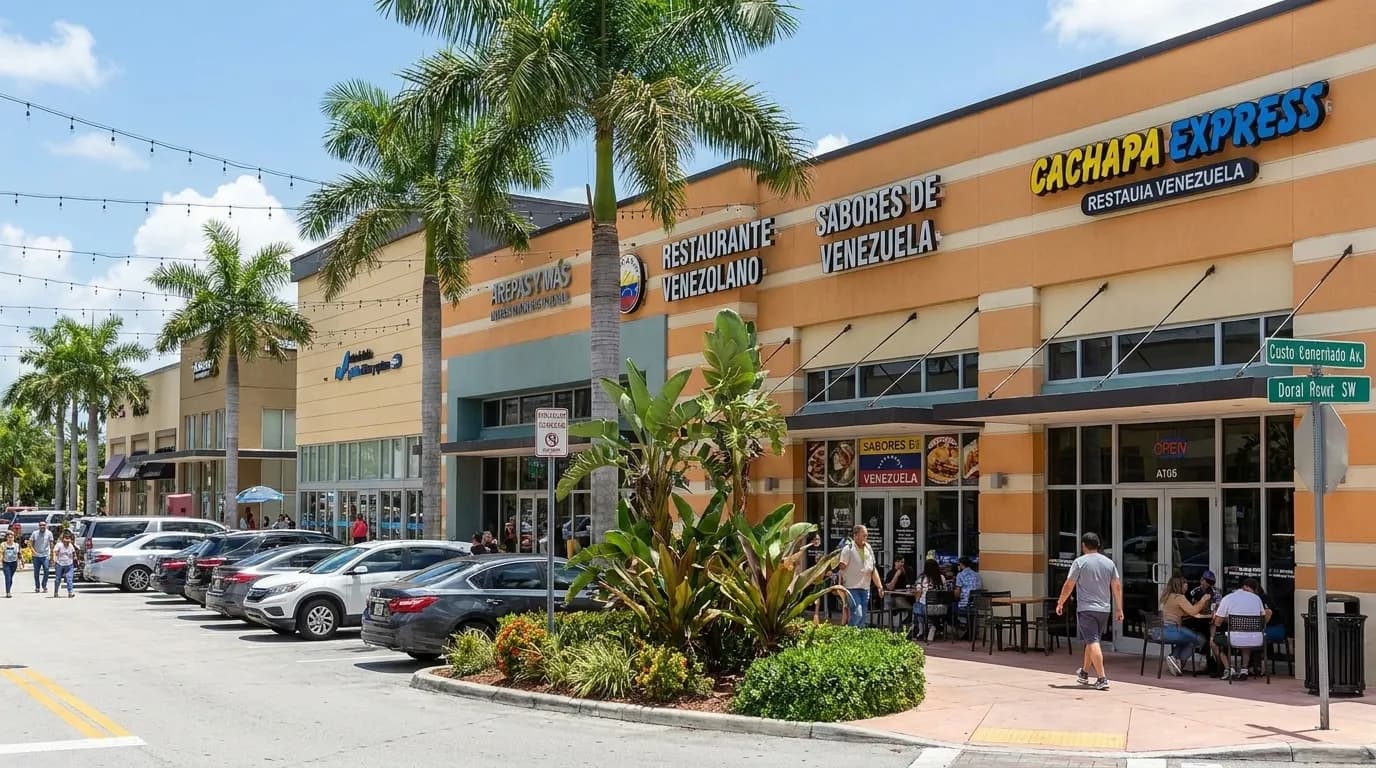
Doral is home to more than 100,000 Venezuelans, the largest concentration outside Venezuela. The neighborhood exploded in the 2010s as political and economic crisis sent waves of emigration north, and what was once a sleepy suburb of office parks and golf courses became a full-fledged cultural hub. You hear more Spanish than English. Every strip mall has a Venezuelan bakery, a pastelito counter, an empanada spot. The supermarkets stock Harina PAN, guasacaca, and malta by the pallet.
This density means competition is fierce, and quality stays high. A mediocre arepa won't last six months when there are five other spots within walking distance. The same pressure applies to hallacas. If your masa is too thick or your stew is bland, people will drive two blocks and order elsewhere next year. That's why the best strategy for finding great hallaca isn't Yelp reviews—it's watching which places have lines out the door in mid-December.
Practical notes
Both El Arepazo and Doggis Arepa Bar are on Northwest 107th Avenue between 41st and 58th Streets, a stretch you can drive in five minutes. Parking is plentiful in the strip mall lots. If you're coming from Miami Beach or downtown, budget thirty minutes via the Dolphin Expressway. For hallaca pre-orders, start calling spots the week before Thanksgiving. Leave a deposit in cash if you can—it's faster. Pickup dates fill first-come, so don't wait until December 20 and expect to get a slot. For walk-in dining, lunch is the busiest window. Go at 2 p.m. if you want a seat at El Arepazo. Doggis is quieter before 7 p.m. and gets loud after nine. No reservations at either spot.
Tags: #hallaca #venezuelanfood #doral #miami #miamifood #elarepazo #doggisarepabar #arepas #hallacaseason #doralzuela #venezuelanrestaurants #miamieats #southfloridafood #latinoculture #christmasfood
All trademarks are the property of their respective owners.
Ask Karpo first
Karpo knows which Doral spots are taking hallaca orders right now, which bakeries have fresh cachitos in the morning, and which Venezuelan tables in Brickell or Wynwood are worth the drive when you want something beyond arepas. Next time you're craving tequeños at midnight or need to know where to get a proper pabellón, ask. Karpo has the list.