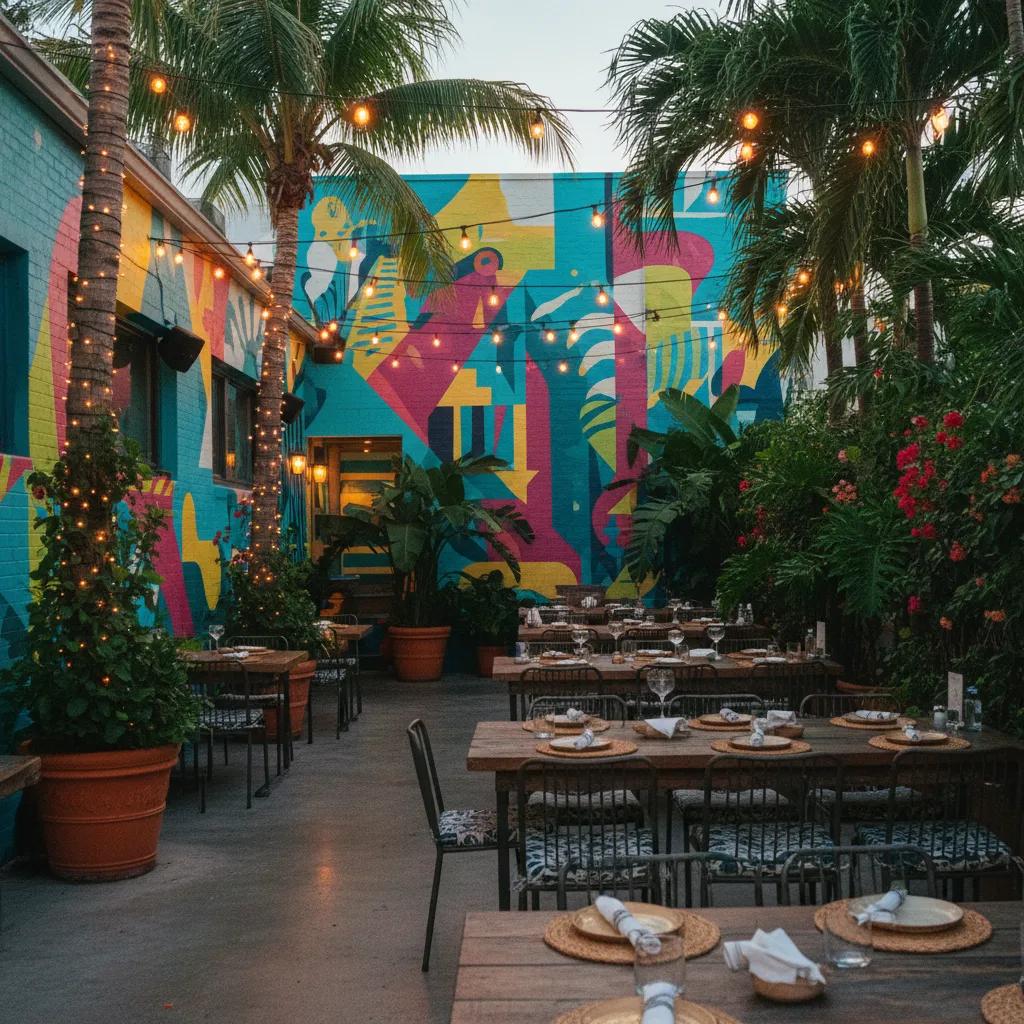
 Wynwood Mofongo Dinner Picker: Arts District Evening Plates
Restaurants
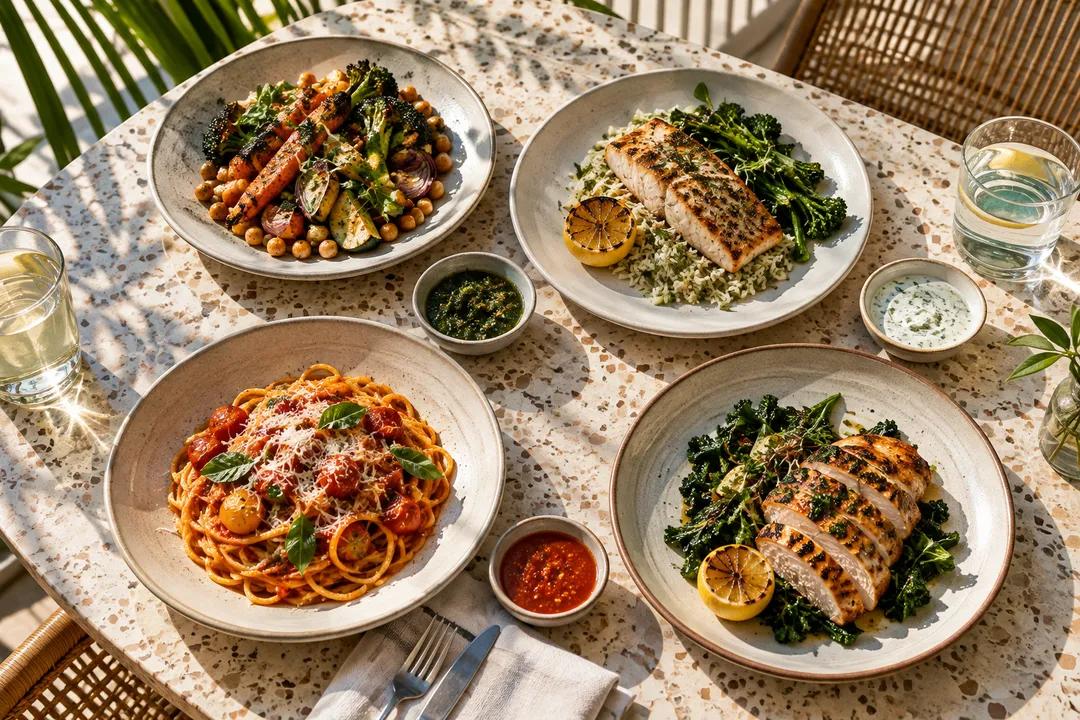
Miami Dinner Shortlist Builder: Four Diets, One Good Table
A Miami dinner can suit different diets when the shortlist compares real meals for each person. Start with individual needs, then choose a workable table.
Dinner gets complicated when one invitation contains four different meals. A vegan friend wants an actual main course, someone avoids dairy, another eats fish, and the host would love a dinner where nobody has to negotiate every bite. A Miami dinner shortlist builder starts with those people. Open Karpo APP and describe what each guest needs, where you want to meet, and how the meal should feel. Ask for a small selection with reasons attached, using the process below to turn a promising suggestion into a dinner everyone can enjoy.
Give each diner a complete meal
Begin with a private question to each person: what would make dinner satisfying for you? Collect the answer in their own words before assigning a cuisine. A person who says vegan might want a hearty grain dish and vegetables, while another would happily eat several small plates. Neither answer requires the whole table to order alike. The useful planning unit is one enjoyable meal per guest, including enough food and a price they are comfortable paying.
Put those meals side by side in your request. For example: four adults meeting in Coconut Grove, one vegan, one dairy-free diner, one pescatarian, and one flexible eater. Everyone wants a seated dinner and separate main dishes. Those are hypothetical preferences, not a claim about a particular restaurant. They give Karpo a clearer discovery brief than asking for somewhere with options, a phrase that can hide the difference between a full dinner and a side salad.
Separate preferences from essential requirements
Let each guest identify the requirements that decide whether a place is usable. An allergy, a religious food requirement, and a preference for lighter cooking call for different information. Describe the necessary outcome without asking friends to share medical histories with the group. Someone can tell the organizer that they need a direct conversation with the restaurant about ingredients and preparation. That is enough context to keep an uncertain candidate from becoming the default choice.
A recommendation or menu description cannot establish allergy safety. Preparation practices belong with the restaurant and the affected diner. Keep that conversation attached to a specific candidate, with a specific question, rather than treating a cuisine label as evidence. A vegan dish can still be unsuitable for another person's allergy, and a dairy-free request does not explain every ingredient somebody avoids. Preserve those distinctions in the brief so enthusiasm for a beautiful room does not erase the actual requirement.
Request a comparison that shows the tradeoffs
Try this wording: help me compare three Miami dinner possibilities for this group, centered on our chosen neighborhood. For each, explain the meal that could suit each person, the dining format, and any unresolved menu detail. Give one reason to choose it and one reason it might be awkward. This is a request for useful reasoning in the conversation. It does not assume a dedicated dietary filter, a special scoring screen, or access to a restaurant kitchen.
Read the response across guests rather than down restaurants. Can the vegan diner choose a substantial dish? Can the dairy-free guest order without rebuilding the entire menu? Does the pescatarian have an appealing alternative to the same plate everybody else is eating? If the evidence only supports one person's dinner, that candidate is unfinished. Ask a narrower follow-up about the missing person's meal before spending time debating the decor, drinks, or dessert possibilities.
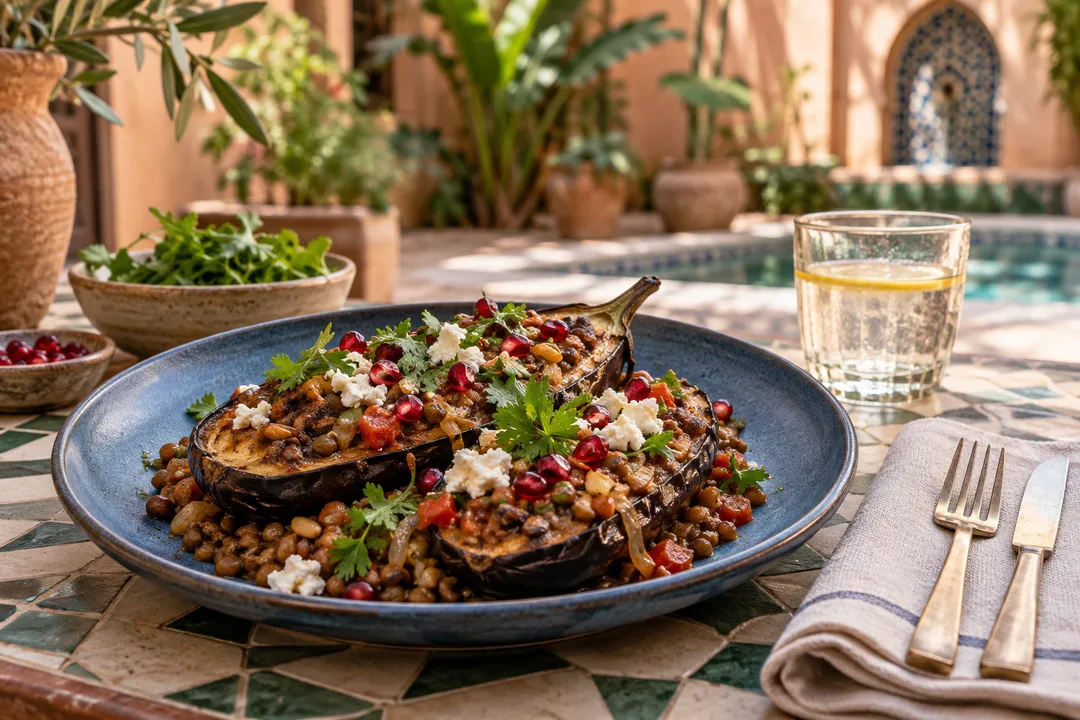
Choose a serving style that respects differences
Individual ordering can make different diets easier to manage socially. Each person has a clear plate and can decide what to spend without a table-wide agreement about every course. Shared dishes can also work when everyone actively wants that format. Describe which experience your group prefers and whether anyone dislikes explaining why they are passing on a communal platter. A relaxed meal includes the freedom to decline something without becoming the subject of the evening.
If sharing is part of the plan, agree on separate serving utensils and which dishes are intended for which guests. These are hosting choices, not assurances about restaurant procedures. Avoid a plan that counts the same small dish as a main course for three people simply because it fits several labels. Ask whether the proposed order gives everyone enough food independently. The omnivore's exciting dinner and the vegan's complete dinner should receive equal attention when you compare the choices.
Keep the journey as fair as the menu
Food is only one part of a workable Miami evening. Ask guests for a starting neighborhood and travel method, using a broad meeting point if they prefer privacy. A group already in Coconut Grove needs a different search area from friends beginning in Brickell and Miami Beach. Pick the area intentionally. Do not describe every Miami neighborhood as interchangeable, and do not attach a made-up journey time to a restaurant simply because it appears close on a map.
Include seating and access needs early. Someone may need a short walk from drop-off, a chair with a back, or a quieter part of the dining room. Request information about the relevant feature, and keep unanswered details visible in your notes. A room photograph can suggest an atmosphere without establishing the entrance layout or restroom access. The guest with the requirement should have a meaningful say in whether the available information is enough to proceed with that candidate.
Use a small rehearsal before choosing
Imagine the first ten minutes at each table. Everyone arrives, looks at the menu, orders a drink if they want one, and picks dinner. Where does the conversation stall? Perhaps one guest needs to ask for six substitutions, or the set menu requires everybody to participate. That exercise exposes a mismatch more clearly than a long list of cuisine names. Remove the option that depends on somebody quietly accepting a meal they would never choose for themselves.
Then ask each person whether they could happily eat at the remaining places. This is a suitability question before it is a popularity vote. Once all guests have a viable meal, compare the pleasures: an interesting vegetable course, a comfortable room, a location that allows an easy walk afterward. The dinner can still feel spontaneous. Doing the practical work ahead of time gives everybody more room to talk about something other than the menu when they arrive.
Practical notes for the final invitation
Send one compact plan with the chosen restaurant, meeting point, intended start time, and the ordering format the group expects. Assign any outstanding restaurant question to one person, with the affected guest involved where appropriate. A shortlist does not reserve a table, and an inquiry is not a booking confirmation. The organizer should base the invitation on the actual restaurant response and booking details rather than language that merely sounds confident in a recommendation.
Take the finished dietary brief into Karpo APP when you want to explore alternatives. Change the relevant constraint if the first selection feels wrong: more substantial plant-based mains, less emphasis on shared dishes, or a smaller travel area. Keep the useful preferences and revise the weak part. The outcome you are working toward is straightforward: four people who can recognize their own dinner in the plan, sitting at one table with the practical questions already given the attention they deserve.
Ask Karpo for more information.
Keep reading
- Wynwood Mofongo Dinner Picker: Arts District Evening Plates
 Allapattah Mofongo Dinner Picker: Dominican Heritage Plates
 Little Havana Mofongo Dinner Picker: Calle Ocho Sunset Bowls