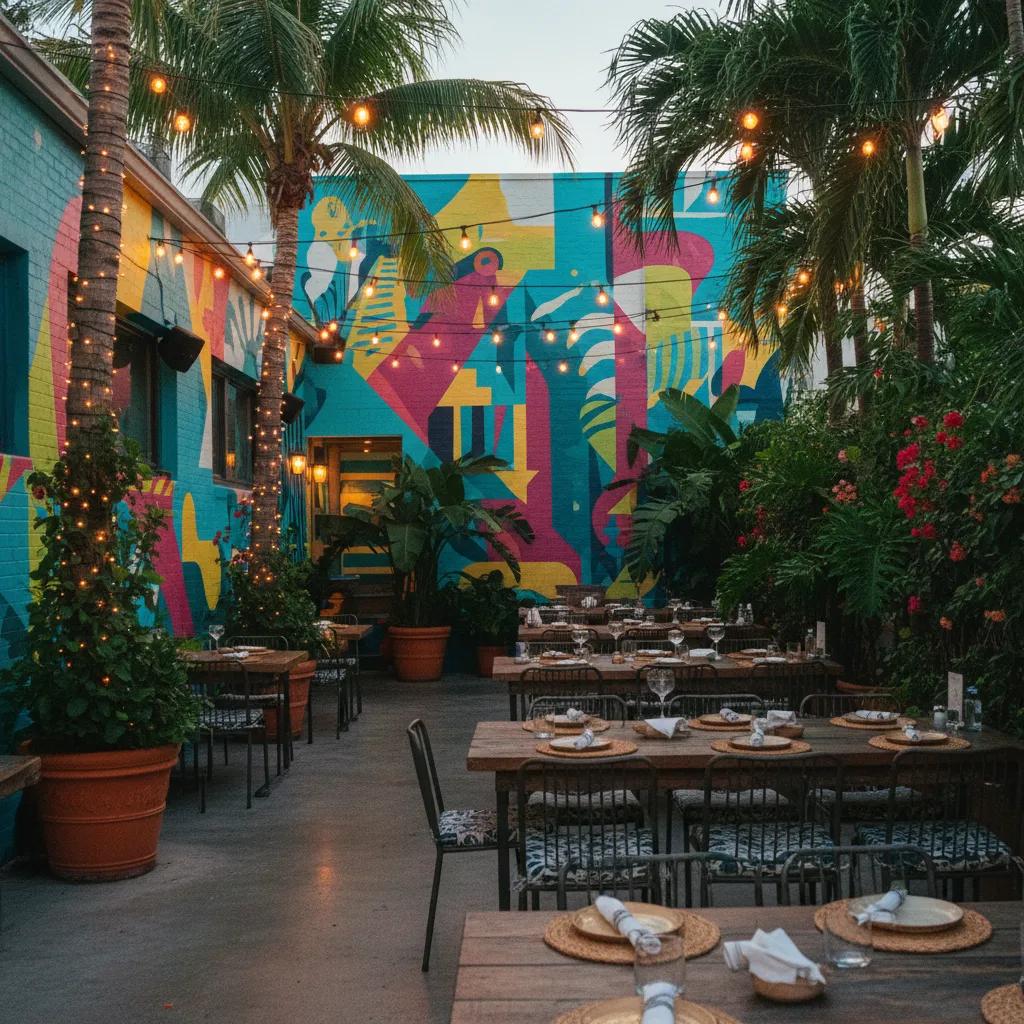
 Wynwood Mofongo Dinner Picker: Arts District Evening Plates
Restaurants

Miami Dinner Shortlist Builder: Six Friends Choose A Table
Six friends can choose a Miami dinner with a brief everyone recognizes. Separate essential needs from preferences, then give a small shortlist a clear vote.
The group has agreed to dinner, which is often the easy part. One friend proposes Miami Beach, another wants to stay near home, two are flexible, and somebody replies with a restaurant link without explaining why. A Miami dinner shortlist builder gives that conversation a useful next move. Gather the few facts that decide whether the evening works, then ask Karpo APP for a small comparison. You can bring the result back to your friends with a clear question, without turning their different tastes into a competition over who knows the most restaurants.
Give one person a small organizing job
Choose a coordinator whose job is to collect answers and keep the decision moving. That person does not need to become the group's permanent concierge or pay for everybody. The role is limited: write a brief, request a shortlist, and circulate a final plan. Giving the task a boundary makes it easier to volunteer. It also prevents six people from researching in parallel and returning with unrelated suggestions that cannot be compared on the same terms.
Agree on when the group wants to decide. This can be a friendly deadline that fits the evening rather than a pressure tactic. Invite people to state a requirement now if it could rule out a restaurant. Someone who cannot travel far after work needs to say that before the group falls in love with a faraway option. The organizer can then explain what information is still missing without repeatedly asking a general question that produces another round of restaurant links.
Collect answers that change the choice
Ask each guest for three things: an essential need, a preferred part of the evening, and a practical starting point. An essential need might concern food, access, or a firm spending ceiling. A preference could be a lively room or a longer conversation over dinner. A starting neighborhood and travel method explain how the person can reach the table. Guests can share sensitive requirements privately with the coordinator. The comparison needs the planning constraint, not a personal explanation of why it exists.
Give flexible people a way to be helpful. Instead of saying anything is fine, they can name what they are willing to trade: a wider range of cuisines, a longer journey, or a different dinner time. That information identifies where the group has room to adapt. It also makes flexibility concrete. A person who is happy with several cuisines but must leave early is not flexible about the whole evening, and the brief should preserve that distinction.
Convert the conversation into one shared request
Write a brief that somebody outside the chat could understand. For example, six friends want dinner in Miami, with two beginning in Brickell, two in Coconut Grove, and two already together elsewhere. State the meeting area the group is prepared to consider, the spending rule, dietary requirements, and whether conversation or a lively atmosphere matters more. These are illustrative inputs. They do not describe an actual restaurant or imply that a particular journey will take a predictable number of minutes.
Use Karpo APP to ask for three dining possibilities and the reason each fits this brief. Request a meaningful difference between them, such as easier travel, broader individual ordering, or a setting that suits the group's preferred mood. You are asking for a comparison in conversation. There is no need to invent a group ballot feature, automatic preference collection, or a special consensus dashboard. The coordinator can summarize the returned reasoning in whatever communication channel the friends already use.

Let suitability come before voting
Give everyone a chance to flag a genuine obstacle before collecting favorites. If a restaurant cannot support someone's essential food or access need, popularity does not solve the problem. Ask what information is missing and whether it can be established directly with the restaurant. A quiet objection deserves the same attention as an enthusiastic recommendation. This stage is about whether everyone can participate, so keep it separate from deciding which acceptable place sounds most exciting.
Once the usable options remain, choose a simple decision rule. You could ask each person to name a first choice and one acceptable alternative. That reveals a broadly supported option when the first choices are scattered. State the rule before people respond, including what you will do if two places tie. The group might let the person with the tightest travel constraint choose between tied options. Another group might favor whichever best fits the agreed purpose of the evening.
Explain what each vote actually buys
Present each candidate with the same short set of details: why it belongs, what the meal format is, and the main compromise. Avoid giving one restaurant a glowing paragraph and another only a name. Unequal descriptions can steer the vote accidentally. If a detail is unresolved, show it as an outstanding question instead of silently treating it as favorable. The purpose is to let friends compare the evening they would experience, rather than reward whichever link has the most attractive photograph.
Keep practical tradeoffs specific to your group. A venue near several friends may ask the others to make a longer trip. Shared dishes may be sociable but awkward for people with different spending limits. A room that appeals to someone seeking energy could disappoint a person expecting a quiet catch-up. Say those things plainly. A winning choice can involve compromise, provided that the compromise was visible and nobody was expected to accept an essential need being ignored.
Handle late suggestions without starting over
A new restaurant link arriving after the vote can derail a decision that was already good enough. Ask what problem the new suggestion solves. If it addresses a requirement the current winner cannot meet, revisit that issue. If it is simply another appealing place, save it for a different evening. This rule welcomes useful information while respecting the group's effort. Nobody needs to argue that the late suggestion is worse in every possible way to keep the existing plan.
If somebody withdraws or the party size changes, reassess only the parts affected. You may need a different table arrangement or booking, while the cuisine and neighborhood still work. Tell Karpo which input changed and ask whether the earlier comparison remains useful. Keeping the existing brief helps you avoid rebuilding the whole decision from memory. It also gives the organizer an easy explanation for the revision: one condition moved, so that part of the plan needs attention.
Practical notes for turning agreement into attendance
Send a final invitation with one restaurant, the intended dinner time, a meeting location, and the payment approach the group agreed on. Name the person handling the reservation and use the restaurant's actual confirmation to establish its status. A winning vote does not create a table. If the restaurant requires a deposit or has party-size terms, the people committing should understand those terms before the coordinator takes responsibility on their behalf. Keep the message short enough that friends can find it later.
After dinner, capture one useful preference rather than grading the whole evening. Perhaps the group liked individual ordering, preferred meeting closer to the person traveling farthest, or wanted a quieter room. Bring those lessons into a future request in Karpo APP when they still apply. The aim is a repeatable social habit: a small brief, a fair comparison, and one clear plan. Six people can have different tastes and still arrive at dinner feeling that the decision includes them.
Ask Karpo for more information.
Keep reading
- Wynwood Mofongo Dinner Picker: Arts District Evening Plates
 Allapattah Mofongo Dinner Picker: Dominican Heritage Plates
 Little Havana Mofongo Dinner Picker: Calle Ocho Sunset Bowls