 Wynwood Mofongo Dinner Picker: Arts District Evening Plates
Restaurants
Miami Dinner Reservation Finder: Brickell Late Night Tables
Plan a post-8pm Brickell dinner by comparing late seating, conversation comfort and arrival logistics before choosing a reservation path. Keep timing realistic.
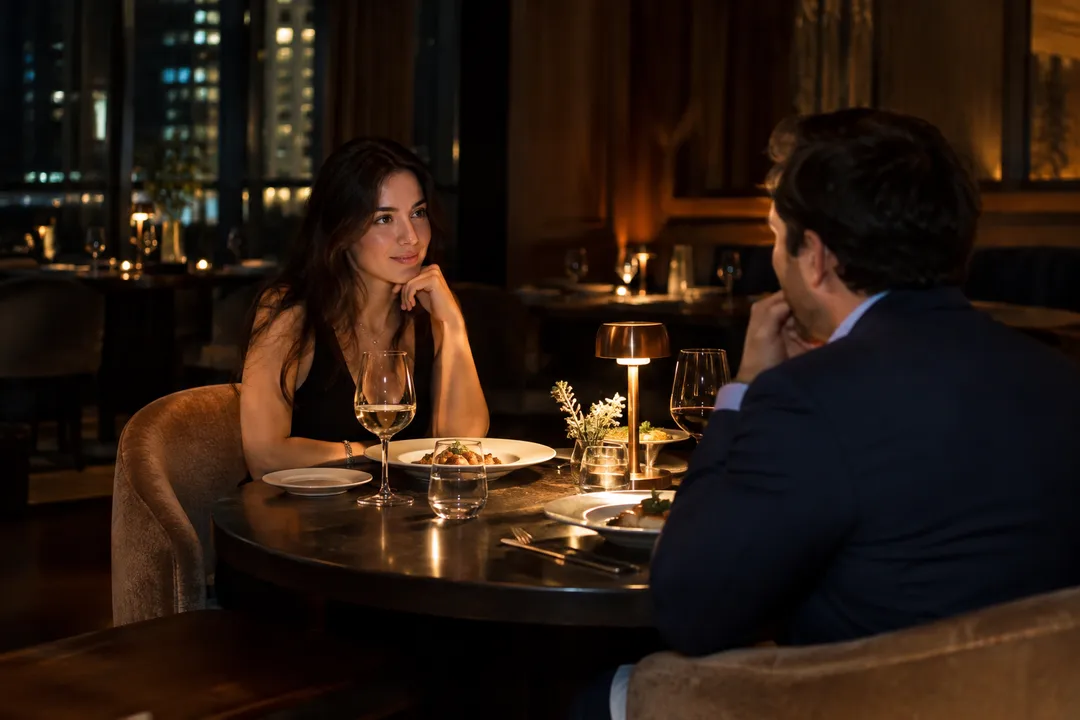
A Brickell dinner reservation finder is useful when the meeting cannot begin at the usual hour. You may be leaving an office, fitting dinner after a flight, or bringing two people together for a post-8pm conversation that should feel social rather than hurried. Tell Karpo APP the date, party size, latest acceptable arrival and the purpose of the meal. Add the amount of conversation you expect, your preferred noise level and whether everyone needs to leave by a certain point. The shortlist helps you compare possibilities; it is not a live statement that a table is available.
Define what late dinner must accomplish
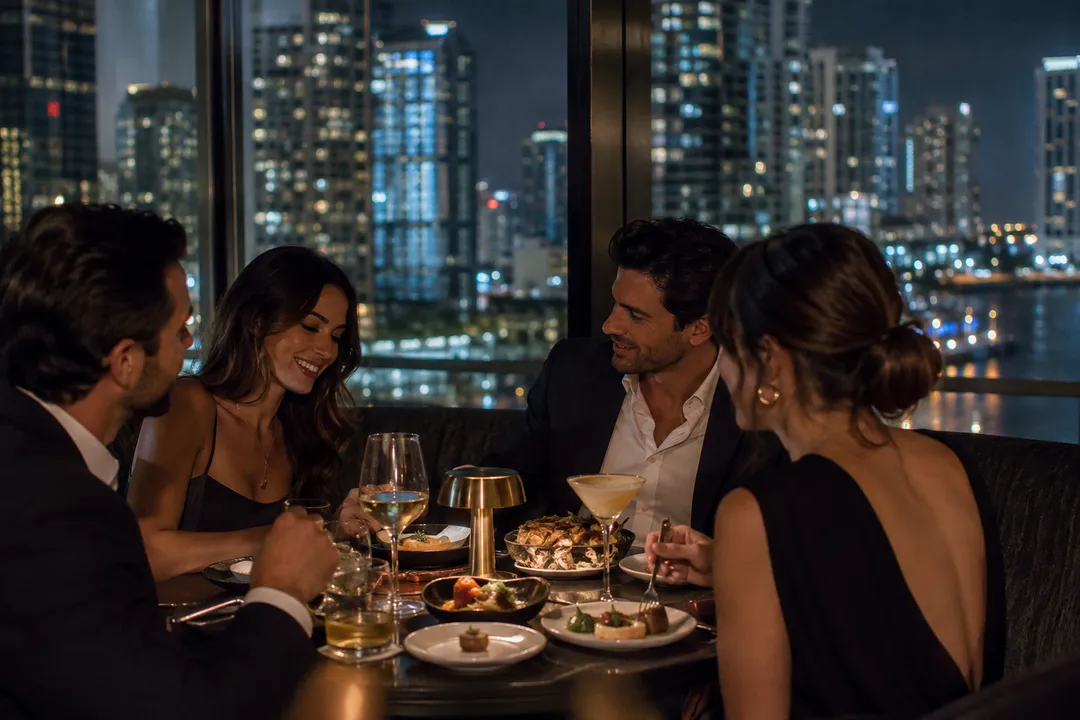
Clarify what late means for your group. An eight-thirty arrival with a relaxed two-hour meal is different from a nine-thirty seat before a last train or early start. Say whether a bar seat is acceptable, whether the group needs a proper table, and whether a shared menu would speed things up or create friction. Include dietary restrictions and the spending boundary before you ask for options. Karpo can organize the constraints so each candidate has a reason for appearing instead of relying on a generic nightlife label.
Late hours do not automatically mean a comfortable meeting. Ask for a room where voices carry without forcing people to lean across the table, and describe whether screens, music or a lively bar scene would distract from the discussion. If one guest joins remotely, say that you need a stable, respectful setting rather than assuming a restaurant permits calls. A dining photo can show lighting but not the sound at your arrival. Use the booking route for exact policies and treat Karpo’s comparison as preparation for that conversation.
Separate a late table from a rushed meal
Compare the meal format with the clock. A tasting menu, shared plates or a straightforward main-course dinner each creates a different pace, and the latest arrival time may affect what can still be ordered. Ask which options have enough flexibility for a delayed colleague and which require the party to arrive together. Avoid inventing a kitchen closing time or promising a particular dish. If current menu information is available, use it to distinguish a focused late meal from a full evening, then confirm the details with the venue.
Brickell travel can add uncertainty even when the distance looks short. Give Karpo your starting area, the arrival method and any handoff between people. Ask for a realistic comparison of walk, ride and parking effort without assigning a precise duration. A clear meeting point tied to the final venue is better than saying to meet somewhere in the district. If someone has mobility needs or carries work equipment, mention the entrance and seating requirements as questions for the booking provider, not as assumptions supplied by a neighborhood label.
Compare rooms for working conversation
Use a two-window strategy when the meeting is important. Ask for the preferred post-8pm time and a second option that still leaves room for the conversation if traffic, a delayed flight or an earlier engagement shifts the evening. Decide whether you would rather arrive early and wait, or move later and shorten the meal. A backup can be another room, another meal format or another date. The tool can compare these choices, while the restaurant or reservation service must answer whether the offered time and seating are truly open.
Late dining should still respect comfort. Note the need for a backed chair, room for bags, a table that supports papers or a calm corner for a sensitive conversation. Ask about the route from entrance to table and whether the seating is exposed to a louder bar or service station. Do not confuse a general accessibility statement with the exact arrangement offered that night. If the party includes an older guest, a child or someone avoiding alcohol-centered spaces, elevate that preference when the shortlist is ranked.
Make the arrival window realistic
Ask for three distinct candidates and give each a role. One may be strongest for quiet talk, another for a flexible late arrival and another for a dependable route home. State the tradeoff in one sentence: the quiet room may have fewer menu choices, the flexible option may be livelier, and the easiest arrival may not feel like the most polished meeting. Pick the criterion that protects the purpose of dinner. This prevents the search from drifting toward any venue that merely advertises a late service.
Plan the end of the night as carefully as the start. Tell the app whether the group needs a direct ride, a short walk to another commitment or time to settle a bill without rushing. A small after-dinner step can help a social meeting decompress, but keep it optional and avoid claiming a venue-to-transit time you have not confirmed. If the meeting may run long, ask for a plan that does not depend on an immediate second reservation. The strongest schedule leaves a little breathing room.
Keep a backup that still works
When you find a fit, open the stated booking path and read the exact date, arrival time, seating type, deposit, cancellation policy and any late-arrival language. If the offer says bar, counter, request or communal, repeat that wording before accepting. Karpo is a comparison and planning assistant; it does not place the booking automatically, monitor inventory or guarantee a late table. If the offer fails, adjust one constraint: move the window, accept a more active room or shorten the menu plan, then ask for a revised shortlist.
End with a compact record that separates confirmed facts from preferences. Keep the venue, time, party size and seating language supplied by the channel. Note the backup and the latest acceptable arrival so everyone understands the plan. If the workday changes, return to Karpo APP with the new cutoff or headcount instead of restarting from a vague search. A good Brickell dinner makes a late meeting feel deliberate: the group knows what is booked, what can bend and which part of the evening matters most.
Read the booking terms
A late reservation earns its place when everyone knows the arrival window, the conversation setting and the acceptable backup. That clarity makes the night feel unhurried.
Keep one alternate time or room in the notes, then stop searching. A clear endpoint protects the meeting from becoming another work task.
Ask Karpo for more information.
Keep reading
- Wynwood Mofongo Dinner Picker: Arts District Evening Plates
 Allapattah Mofongo Dinner Picker: Dominican Heritage Plates
 Little Havana Mofongo Dinner Picker: Calle Ocho Sunset Bowls