 Wynwood Domino Set Gift Browsing Walk: Acrylic Designs
Hidden Gems & Odd Finds

Miami Craft Class Shortlist: What Will You Keep?
Shape your Miami craft class shortlist around what you want to take home, including project size, finishing needs, collection, and room in your luggage.
Imagine setting your finished project on the kitchen table the morning after a craft class. Is it something you will use, a gift you will wrap, or a sample you will keep because you enjoyed learning? That picture is a useful starting point for a Miami craft class shortlist. It changes the decision from choosing the prettiest workshop photograph to choosing an outcome that belongs in your life. Work backward from the object, including how it is finished, when it leaves the studio, and how you will carry it home.
Find a place for the finished object
Begin with a real destination. A coaster needs a table where you will actually use it. A stitched piece needs a place to be displayed or stored. A notebook needs a purpose that makes you want to open it. You do not need an elaborate plan, but imagining the object in context makes the comparison more concrete. If every potential result would sit forgotten in a drawer, you may care more about the experience than the keepsake. That is a useful discovery rather than a reason to abandon the idea.
Scale matters alongside appearance. A small shelf, shared apartment, or lightly packed suitcase creates different limits from a large workroom at home. Write down the maximum dimensions or carrying weight you are comfortable with. Treat those as personal specifications for your search, not as measurements of any advertised class project. Look at whether the provider describes the actual item participants make. A display photograph might show advanced work, several sessions' output, or a decorative arrangement that is different from the beginner project included in the lesson.
Separate the making from the finishing
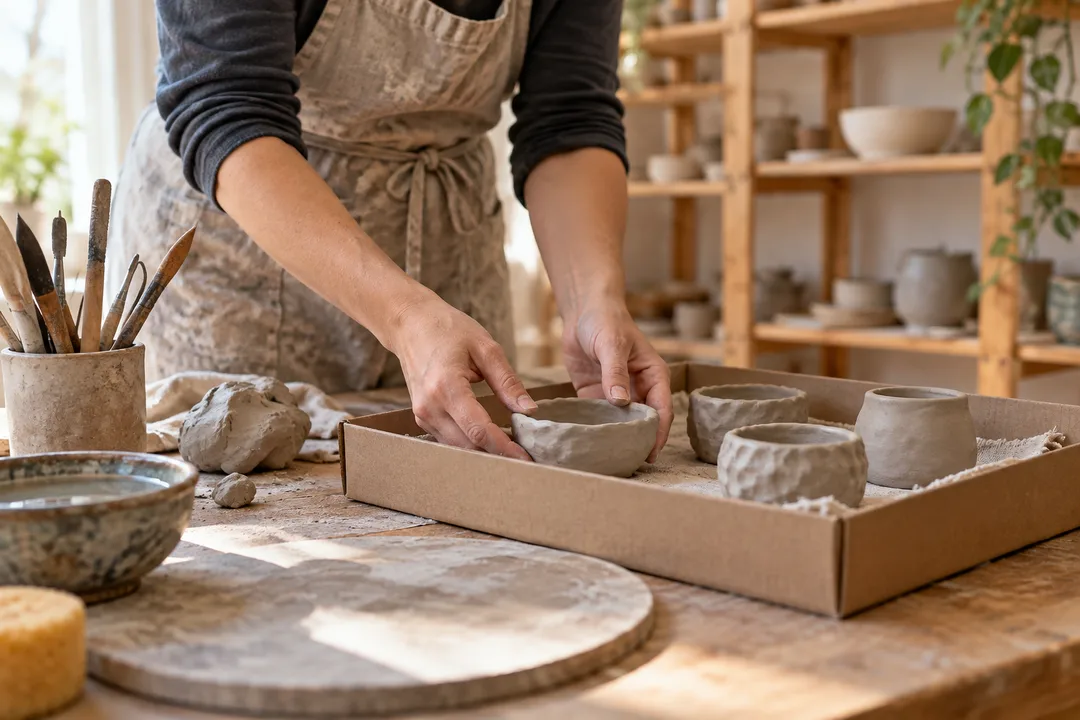
A project can reach the end of a class without being ready for everyday use. Depending on the material and process, finishing might involve drying, firing, sealing, pressing, or further assembly. Read the provider's project description for the relevant steps rather than assuming a general rule applies. A fired ceramic piece and an air-dry decorative object, for example, are different outcomes even when both begin with shaping clay. Your comparison should identify the process being taught and what the advertised session actually includes.
Put each candidate into one of three practical categories: ready to carry away, collected later, or continued at home. Leave the category unresolved when the description does not establish it. This prevents the project photograph from doing the work of a collection policy. If you are visiting Miami and leave shortly after the class, a return visit could decide the choice before colors or style enter the picture. If you live nearby, that same arrangement might fit comfortably and make a slower finishing process appealing.
Decide what quality means for your purpose
A decorative bowl, a food-use bowl, and a practice form are not interchangeable. The finished item's intended use should come from the provider's description and instructions. Do not infer suitability for food, washing, heat, or outdoor conditions from its appearance. When your goal involves regular use, look for the care information attached to the actual project. If the provider describes an object as decorative, keep that description in your comparison. A successful craft outing does not require turning a practice piece into something it was never intended to be.
For a gift, think about the recipient before choosing the technique. Would they appreciate visible handwork, a particular color, or an object with a practical role? Your personal attention can make a simple result meaningful. Avoid putting the entire occasion under pressure by choosing a process with finishing or collection needs that conflict with the gifting date. The useful shortlist includes the required completion point, not merely the date on which you begin making. You can enjoy the lesson separately from deciding whether its result suits this particular recipient.
Plan the project’s trip home
Walk through the journey from the workbench to your destination. Will you carry the object while walking, place it in a car, or take it onto public transport? A project that feels compact in a studio can still be awkward alongside a tote bag, umbrella, or dinner plans. Look for any stated packaging arrangements and distinguish them from packaging you would need to provide. Do not assume that a delicate object comes with a fitted container simply because the workshop describes it as take-home.
If you have a flight afterward, make the carrying problem part of your selection from the start. Choose a personal size limit and explain whether the object must fit inside existing luggage. Rules for carrying materials and tools belong to the airline and relevant authorities, so a general craft suggestion is not a statement that an item is cleared for travel. The simpler planning question is whether the completed object suits your available space and handling preferences. That can eliminate a poor fit without inventing transport advice.
Compare the outcome with the effort you want
There is a difference between wanting to learn bookbinding and wanting a personalized notebook. The first goal places value on practicing the structure. The second may put more weight on choosing the cover and finishing the object. Both are reasonable, but they could point toward different lessons. Read what participants do themselves and which elements are prepared in advance. A partly prepared kit can be a good fit when personalization is the attraction. It can be disappointing when the technique you hoped to learn has already been completed.
Consider whether you want to repeat the craft afterward. If you do, a class that explains a small reusable method may appeal more than an ambitious project requiring equipment you do not plan to use again. If this is a one-off treat, you can choose an experience on those terms without promising yourself a new hobby. Put that intention beside the desired object. It helps you assess whether the materials, complexity, and amount of instruction offer the kind of satisfaction you are actually seeking from the session.
Write a request that starts at the finish
Try this in the Karpo APP: “Help me build a Miami craft activity shortlist around a small, useful object. I want something that fits inside a tote, prefer no return collection trip, and care more about learning a technique than decorating a premade item.” Adjust the request if your priority is a gift, a decorative piece, or a project to continue at home. The point is to explain your intended result clearly enough that options can be discussed against the same purpose rather than as unrelated creative outings.
For your practical notes, keep five fields beside each real candidate: the object, its described use, the finishing steps, the collection arrangement, and the carrying plan. Include the stated materials and finishing inclusions when assessing the fee. These details turn the keepsake into a sensible decision tool without making it the only source of enjoyment. Choose a project you are excited to make and comfortable bringing into your life. Then the thing on your kitchen table becomes a reminder of a good afternoon, rather than a storage problem you brought home.
Ask Karpo for more information.
Keep reading
- Wynwood Domino Set Gift Browsing Walk: Acrylic Designs
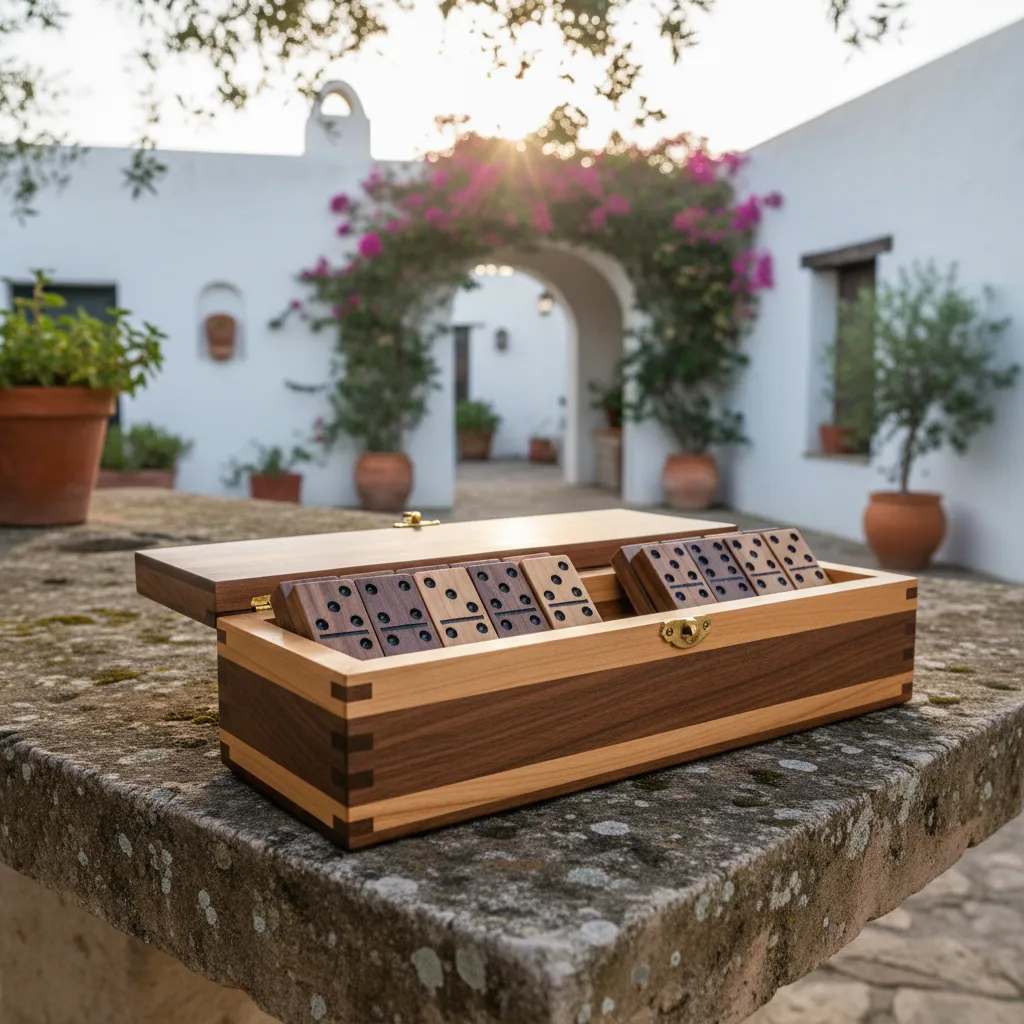 Coral Gables Domino Set Gift Browsing Walk: Wood Sets
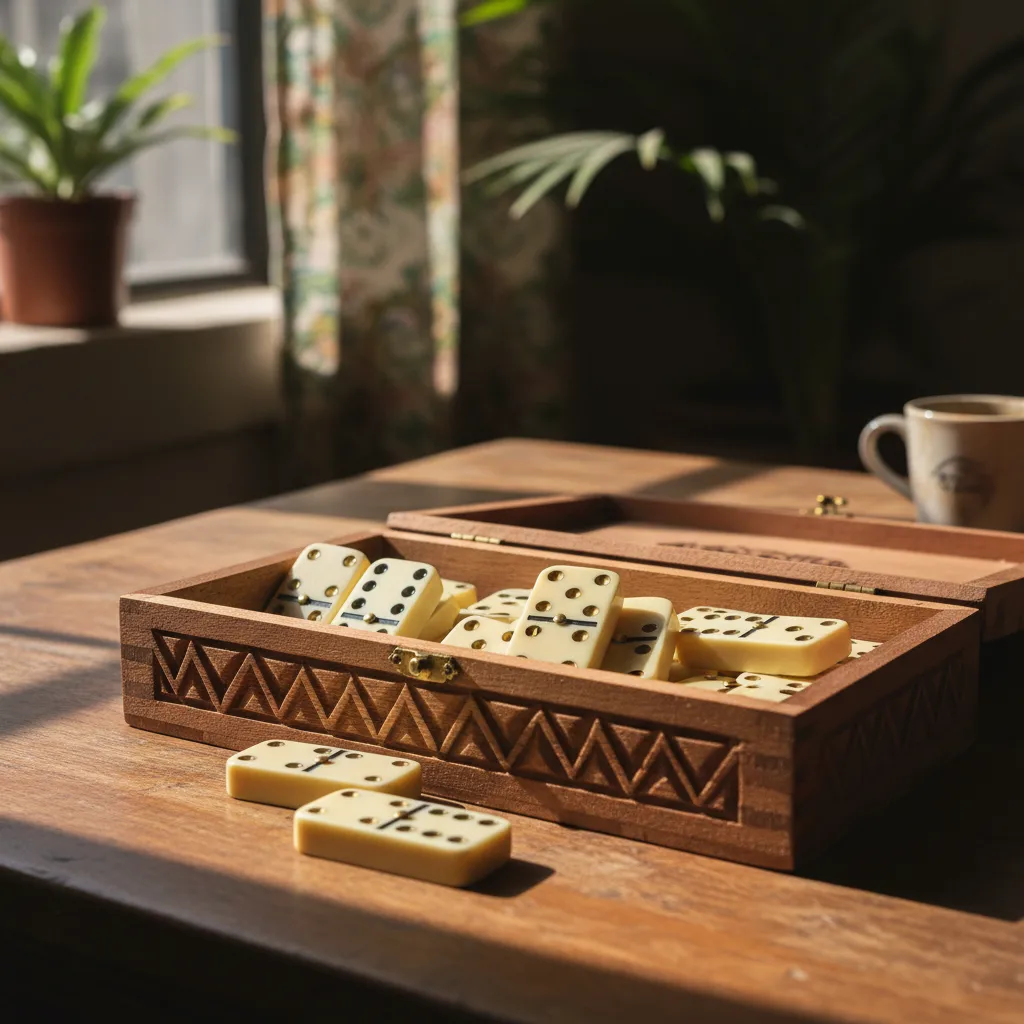 Little Havana Domino Set Gift Browsing Walk: Clay Tiles