 Wynwood Domino Set Gift Browsing Walk: Acrylic Designs
Hidden Gems & Odd Finds

Miami Craft Class Shortlist: Go Solo or Together
Choose a Miami craft class by the company you want: quiet individual learning or a shared workshop, with clear ways to compare the social experience.
Do you want to make something alongside other people, or do you want the making itself to hold your attention? Both can be good reasons to take a workshop, but they lead to different choices. A Miami craft class shortlist becomes easier to use when it starts with that distinction. Arriving alone does not necessarily mean wanting a solitary experience, and bringing friends does not guarantee time to talk. Choose the kind of company you want, then compare the teaching format, the project, and the room's published arrangements against that goal.
Arriving alone and working alone are different
You might book one place because you want to meet people, because your friends dislike crafts, or because a quiet afternoon sounds appealing. Those motivations should not disappear behind the label solo. Someone hoping for conversation may prefer a format with shared discussion or planned introductions. Someone seeking concentration may value individual workstations and time to practice independently. Neither preference tells you which venue to choose by itself. It tells you which details need to appear in the description before a candidate feels convincing.
Imagine your ideal first ten minutes. Would you like to introduce yourself to the whole room, quietly choose materials, or watch a demonstration before speaking? That imagined arrival can reveal more than a general claim that you are outgoing or shy. If social uncertainty is the main obstacle, look for practical information about how the session begins. You can also ask how people booking a single place are seated. A precise answer helps you picture the experience without relying on a photograph of a cheerful group.
What a shared activity needs to offer
A good activity for friends gives everyone something engaging to do without making conversation impossible. Consider the rhythm of the work. A sequence requiring constant instruction asks for attention, while a repeated technique might leave more conversational room once you understand it. These are questions to explore in the lesson description, not guarantees about a particular medium. Even a familiar craft can become demanding when the project is ambitious or the session is short. The actual lesson plan matters more than the category name.
Think about whether you want shared outcomes or separate ones. Making a single collaborative piece can encourage negotiation, but it also means agreeing on colors, style, and ownership. Individual projects allow friends to sit together while following different ideas. For a birthday gathering, that independence might remove pressure to produce matching results. For a reunion, a joint project could be exactly the point. Decide which experience appeals before comparing providers, and keep the distinction visible when an option is described only as suitable for groups.
Conversation is only one kind of connection
Some people enjoy learning together with very little talking. Watching a technique take shape, comparing small mistakes, and noticing each other's progress can be satisfying on their own. If that sounds like your afternoon, avoid judging a class solely by whether it promises a lively atmosphere. You may prefer a session where everyone works individually and the teacher brings the group together for demonstrations. That structure can offer company without asking you to perform sociability throughout the lesson or turn every pause into a conversation.
Other people want the craft to provide a gentle opening for meeting someone new. In that case, the arrangement of the class deserves attention. A listing that explains partner tasks or group discussion offers more concrete evidence than an adjective such as friendly. Read references to table layout cautiously, too. A long communal table does not establish whether participants interact, and an individual workstation does not mean that conversation is discouraged. Use described activities and provider answers to understand participation, rather than inferring the social experience from furniture.
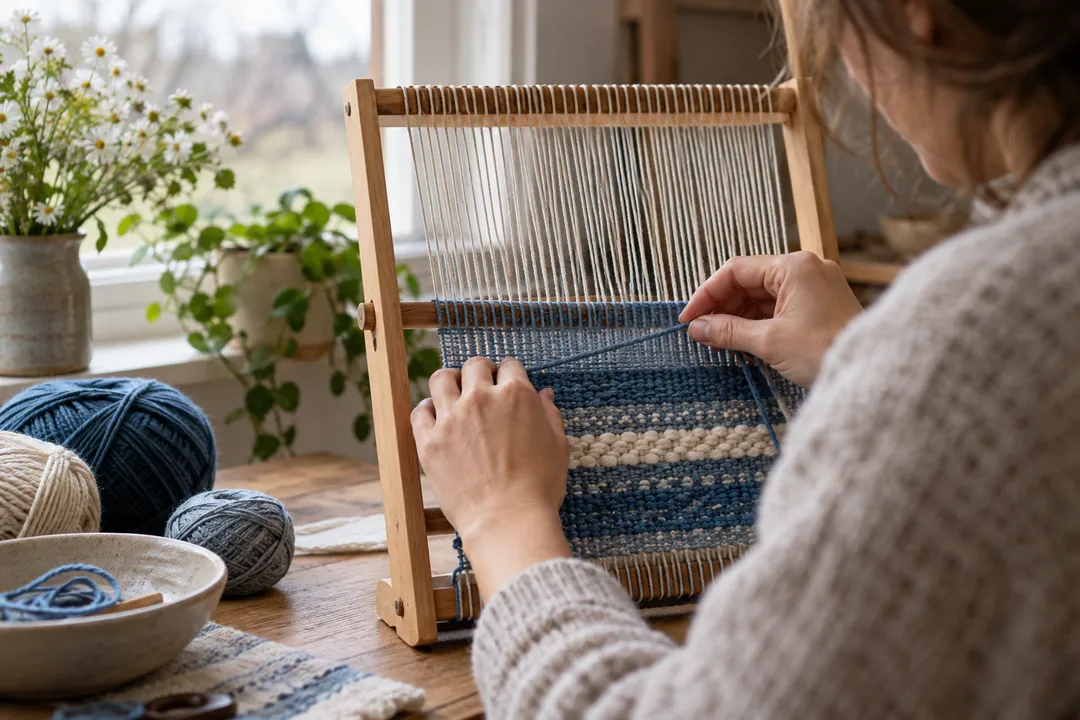
Choose a teaching format that suits your attention
Private instruction, a public group lesson, and an independent making session solve different problems. Individual teaching may suit someone with a specific technique to learn. A taught group can offer a shared starting point. A self-directed session asks you to be comfortable taking more responsibility for the process. Treat these as formats to distinguish in your search, rather than options asserted to be available on a particular Miami date. The key is knowing how much guidance you want and what evidence supports its inclusion.
When comparing a candidate, write down who demonstrates the task, when questions are invited, and whether beginners receive instruction. Keep any answer that is absent as an open point, rather than filling it with an assumption. If a friend already knows the technique, ask whether the advertised session would still interest them. A room can feel pleasant and the craft can look attractive while the teaching level remains a poor match. Social fit works better when participants also feel comfortable with what they are being asked to do.
Make a comparison without scoring your personality
Use two columns headed “what I want from the company” and “what I want from the making.” The first might say light conversation, time with one friend, or no expectation to interact. The second might say clear instruction, patient practice, or freedom to experiment. Now give each potential class a short description using those terms. This method avoids turning a preference into a personality test. You can want a quiet session this weekend and a more social one next month without either choice being more authentic.
If you and a companion disagree, look for the smallest adjustment that respects both preferences. Perhaps you can choose individual projects in a taught group, then leave time afterward to compare the results. Perhaps one of you wants to watch a demonstration together before deciding how independently to work. A workable compromise should be supported by the session's actual format. Do not assume a provider can rearrange the class simply because your plan sounds reasonable. Keep your proposed arrangement separate from any arrangements the provider has explicitly offered.
Turn your mood into a useful request
Open the Karpo APP with a description of the experience you want: “I am looking for a Miami craft activity to attend alone. I would enjoy some company, but I do not want partner work or an activity built around introductions. Help me compare suitable class formats.” For a shared outing, describe the group differently: “Two friends want separate projects and enough breathing room to talk.” Include preferences about noise, teaching, and the amount of concentration you want. Those details give the conversation a purpose beyond finding attractive workshop photographs.
Keep the practical notes brief and personal. Record whether you are booking alone or with someone, the interaction you prefer, the guidance you need, and any seating or communication requirements. Once actual candidates are in view, compare their written participation arrangements and booking terms. Leave the plan at the shortlist stage until you choose and complete the provider's booking process. The most useful outcome is a class that gives you the right balance of company and attention, with a craft you are pleased to spend time doing.
Ask Karpo for more information.
Keep reading
- Wynwood Domino Set Gift Browsing Walk: Acrylic Designs
 Coral Gables Domino Set Gift Browsing Walk: Wood Sets
 Little Havana Domino Set Gift Browsing Walk: Clay Tiles