 Wynwood Domino Set Gift Browsing Walk: Acrylic Designs
Hidden Gems & Odd Finds

Miami Craft Class Shortlist: Fit Your Free Afternoon
Build a Miami craft class shortlist around your actual free time, transport preferences, and collection needs, with a practical request for the Karpo APP.
An appealing class can still be the wrong plan if it makes the rest of your day awkward. Perhaps you finish work at a fixed hour, share a car, or need to reach dinner without carrying a delicate project across town. A Miami craft class shortlist should reflect those details from the beginning. Start with the hours you actually have and the journey you are willing to make. The questions below turn a loose wish to do something creative into a practical search request, without assuming that any particular session or seat is available.
How much free time do I really have?
Begin at the end. Write down when you need to be at your next commitment and work backward through travel, packing up, the lesson, arrival, and the journey there. The usable class window is what remains. A two-hour gap in your calendar does not automatically mean space for a two-hour lesson. Make your own allowance for transitions rather than squeezing every minute into a theoretical route. This is especially helpful if your afternoon includes more than one person, since a shared plan needs room for everyone to arrive and leave.
Distinguish a hard boundary from a preference. Having to collect someone at a set time is different from hoping to eat earlier. Tell the search which limit cannot move. If you have flexibility, specify where it sits: perhaps you can begin sooner but cannot finish later, or you can choose another day but want the same neighborhood. A precise window can produce a better comparison than a broad request for an afternoon activity. It also gives you a clear reason to reject a class whose published duration does not fit.
Should I choose the craft or the neighborhood first?
Choose the neighborhood first when the journey is your strongest constraint. That could mean staying near your starting point, remaining on one side of a planned trip, or avoiding an extra transfer. Choose the craft first when the technique is the main reason to go and you are happy to travel for it. Neither order is universally better. What matters is deciding which part of the plan you are willing to change before you compare options that satisfy different versions of the afternoon you imagined.
For a Miami search, name your actual starting area and destination instead of using only the city name. Explain whether you are beginning at home, a hotel, or work, and whether you need to return to the same place. You do not need to publish a private address to describe the plan usefully. A nearby landmark or neighborhood can communicate the broad route. Keep candidate travel estimates separate from lesson times so that an attractive start time does not conceal an inconvenient journey on either side.
What should I say about transport?
State the modes you are willing to use and the parts you want to avoid. “Walking and public transport are fine, but I would prefer one ride” gives a different brief from “I will drive and need a straightforward arrival.” Mention a maximum walking distance if that affects your comfort. These are personal planning preferences, not claims that a particular route, parking place, or accessible entrance exists. Any candidate that depends on those arrangements needs information that supports them rather than a hopeful interpretation of the map.
Consider the trip after the class as well. A workshop might fit the outbound journey but leave you carrying a project through a longer sequence of stops. If you are going directly to a meal, meeting friends, or continuing to another neighborhood, tell the search. The preferred craft format may change when the day's whole route is visible. A compact project that can be packed according to the provider's instructions might suit your plan better than an object that requires careful handling or an immediate trip home.
Does the advertised duration include everything?
Read the session description for its stated beginning and end, arrival instructions, and any collection requirements. A lesson duration does not establish how early participants are asked to arrive or whether finishing happens later. Keep those details in separate fields. If a provider publishes a late-arrival policy, include it in your decision when your preceding commitment is difficult to predict. The purpose is to find an activity that fits your actual day, not to rely on arriving halfway through a demonstration and hoping the project still works.
A return collection trip is another part of the time commitment. It can be perfectly manageable for a local resident and awkward for someone leaving Miami soon afterward. Decide whether you are willing to make that second journey before narrowing the list. If you want a project to leave with that day, state it as a requirement and look for a description that supports it. Do not treat the words workshop or take-home as evidence of immediate collection when the provider has not explained the finishing process.
What if I want to plan something for today?
Keep the initial request focused on fit, then use actual provider information to assess the date. A general suggestion for a craft format is not a dated class listing, and a dated listing is not a completed reservation. Those are separate steps in making the plan. A useful same-day comparison should preserve that distinction rather than turning a promising idea into a statement that a seat is waiting. If a suitable dated session is not established, keep the idea for another day or broaden the activity brief.
Have one preference you can relax without spoiling the outing. That might be the material, the length of the project, or whether you go alone. Keep the non-negotiable boundary fixed. This gives the search somewhere productive to move when your first combination is too restrictive. It also prevents a gradual drift toward an activity you never wanted simply because it happens to fit the clock. You are looking for a satisfying afternoon within your available time, not a way to fill the calendar at any cost.
How do I bring these details to Karpo?
Write a compact request in the Karpo APP: “I want to compare craft ideas for a free afternoon in Miami. I will start near my hotel, need to reach dinner afterward, prefer a simple journey, and want a project that does not require another collection trip.” Then add the actual date and personal time limits you have chosen. Ask for the comparison to explain the tradeoff between the activity and the journey. Avoid supplying an invented class time just to make the request feel complete. Your own availability is the useful starting fact.
Once you have real candidates, retain a small planning card for each: session window, journey there, onward travel, project handling, and the provider's booking conditions. Choose the one whose whole sequence feels comfortable. Leave enough room to enjoy the final stages of making and to pack the result as instructed. A well-fitted afternoon ends with you thinking about what you learned, rather than watching the clock through the last demonstration. Use the shortlist to find that fit, then complete the chosen provider's booking steps before treating the outing as arranged.
Ask Karpo for more information.
Keep reading
- Wynwood Domino Set Gift Browsing Walk: Acrylic Designs
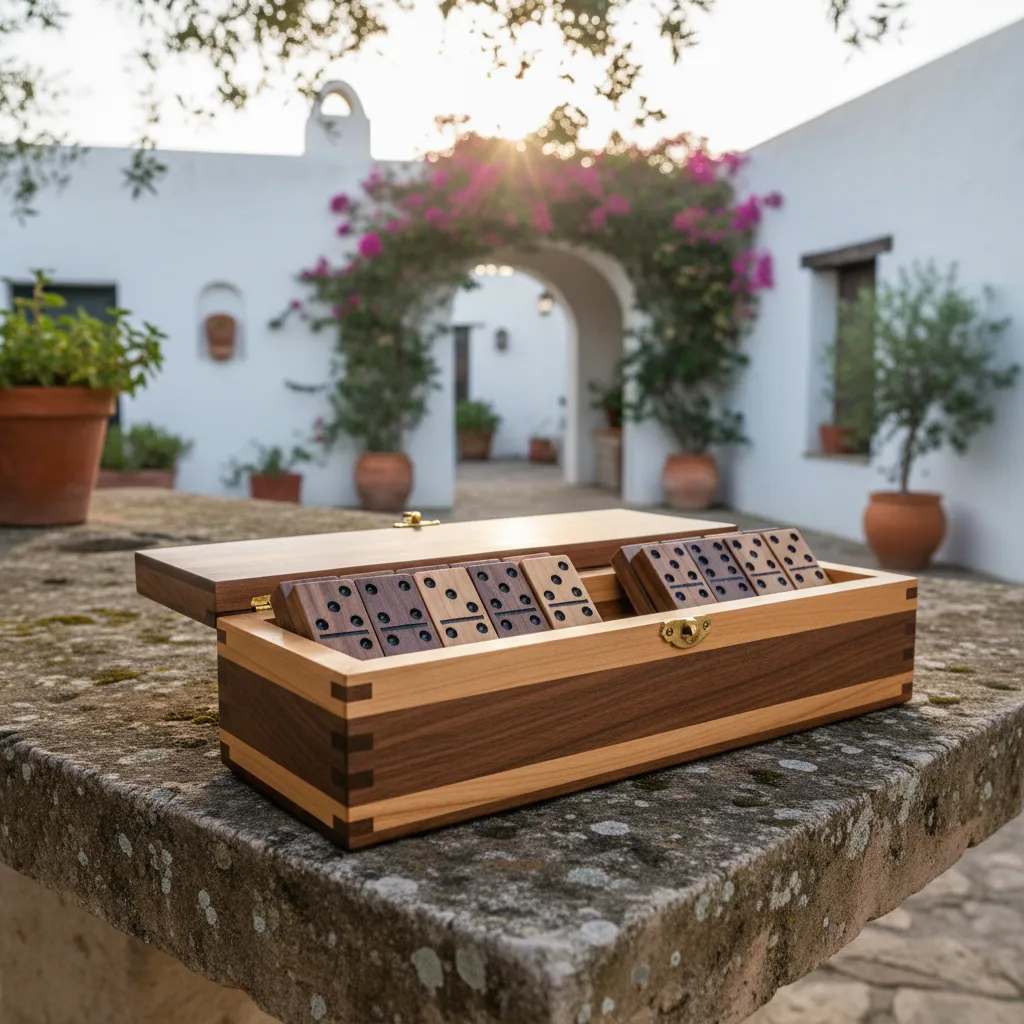 Coral Gables Domino Set Gift Browsing Walk: Wood Sets
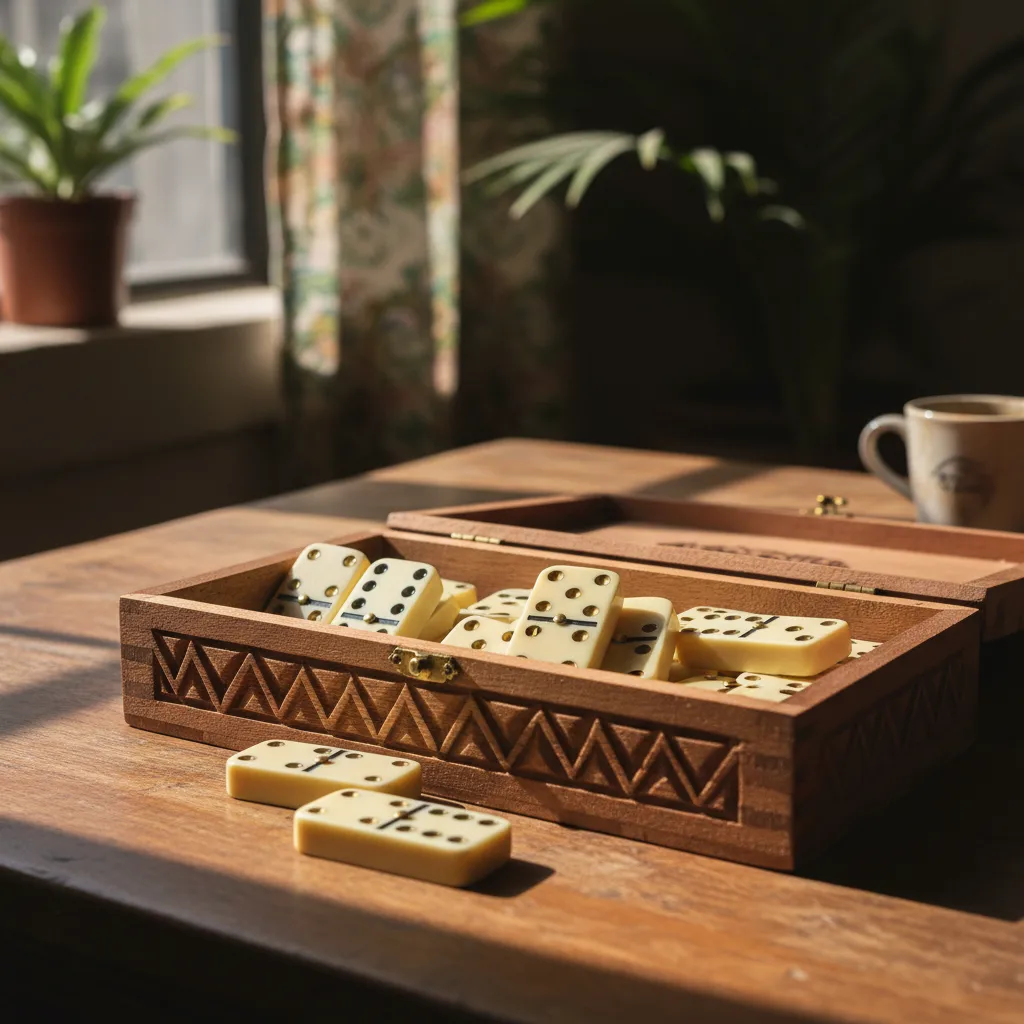 Little Havana Domino Set Gift Browsing Walk: Clay Tiles