 Wynwood Domino Set Gift Browsing Walk: Acrylic Designs
Hidden Gems & Odd Finds
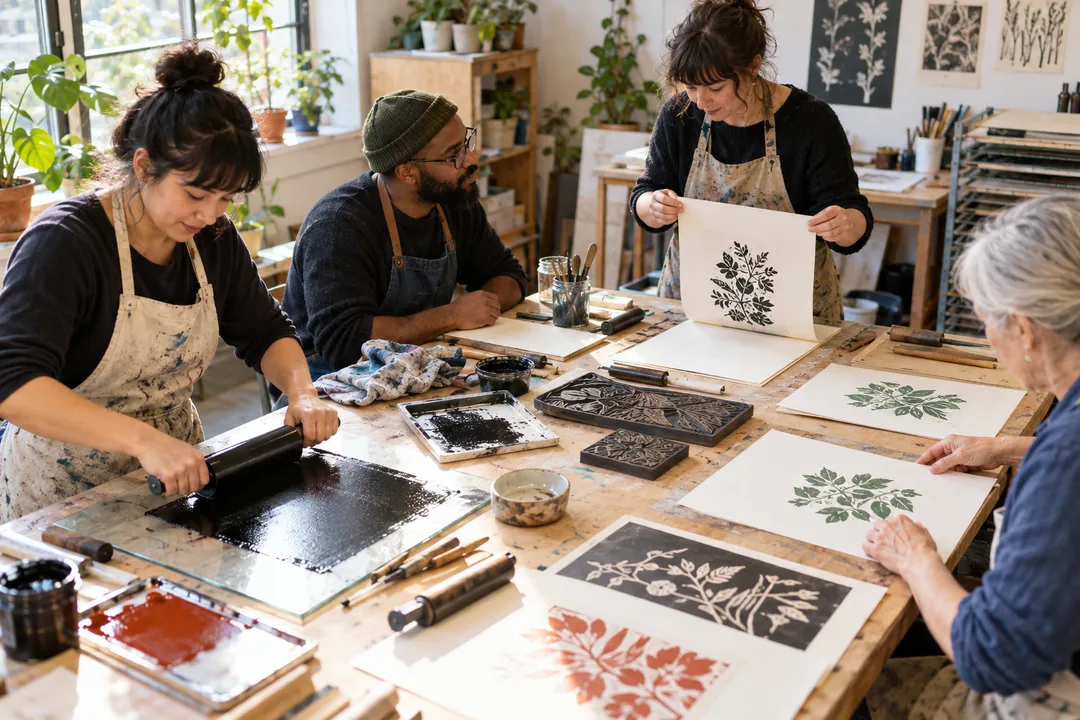
Miami Craft Class Shortlist: One Group, Mixed Skills
Create a Miami craft class shortlist for a mixed-skill group, balancing beginner instruction, experienced makers, individual projects, and shared plans.
One friend makes their own clothes, another has never threaded a needle, and a third mostly wants an afternoon together. Finding a class for that group starts with a better question than which craft everyone likes. What could each person enjoy doing in the same session? Use a Miami craft class shortlist to identify activities with a shared starting point and room for different ambitions. The aim is an outing where nobody feels left behind, nobody becomes the unpaid instructor, and the group can enjoy each other's work without competing over the result.
Agree on the purpose before the medium
Ask everyone to finish a simple sentence: “I would enjoy this afternoon if…” An experienced maker might want to learn a new process. A beginner might want patient demonstrations. Another person might value a finished object or time to talk. Put those answers together before searching for pottery, embroidery, or printmaking. You may find that the group agrees on the experience more readily than the medium. You may also discover a genuine conflict that deserves a decision before anyone starts collecting attractive class links.
Choose the priority that will organize the outing. If it is a birthday celebration, keeping the group together may matter most. If it is a learning day, the content of the lesson may deserve more weight. If it is simply a relaxed reunion, an ambitious technical result could become an unnecessary burden. Make that priority explicit so that a beautiful but unsuitable option does not keep returning to the conversation. A shared purpose gives you a fair way to decline ideas without dismissing the person who suggested them.
Give the beginner a complete route through the task
Look for a project whose advertised instructions cover the starting skills. A beginner should have a path from introduction to a meaningful result without depending on a more experienced friend to translate every step. That path might involve a demonstration, guided practice, and a manageable core project. Those are features to look for in a provider's description or ask about in an enquiry. They should not be assumed from a claim that an activity welcomes all abilities, especially when the photographs show complex finished work.
A useful question is what happens if someone needs to repeat the first step. Does the description allow room for practice, or is the entire session built around keeping pace with a fixed sequence? The answer can affect the whole group. When the new participant has enough support, their friends can focus on their own work and the teacher retains responsibility for instruction. Avoid promising that the experienced person will help everyone catch up. They are attending the outing too, and their ability to teach is separate from their skill at making.
Look for depth without demanding a different class
The experienced participant needs a reason to engage, but that does not always require advanced instruction. A familiar process can offer fresh choices in composition, color, texture, or precision. Look for a lesson description that allows those choices within the same project. For example, a simple print might offer different arrangements, while a stitched piece might allow an individual design. These are possibilities to investigate, not claims that a specific Miami workshop offers customization. The provider's actual project rules should determine how much variation is available.
Compare where the challenge sits. Is the session about mastering a technique, exploring a material, or producing a prescribed object? An experienced maker may enjoy a new material even if the project is introductory. They may be less interested in repeating a tightly specified task they already know well. Ask them to identify what would make the session worthwhile without turning the group's plan into a request for a private advanced lesson. The strongest shared candidate offers enough freedom for individual attention while keeping everyone inside the advertised scope.
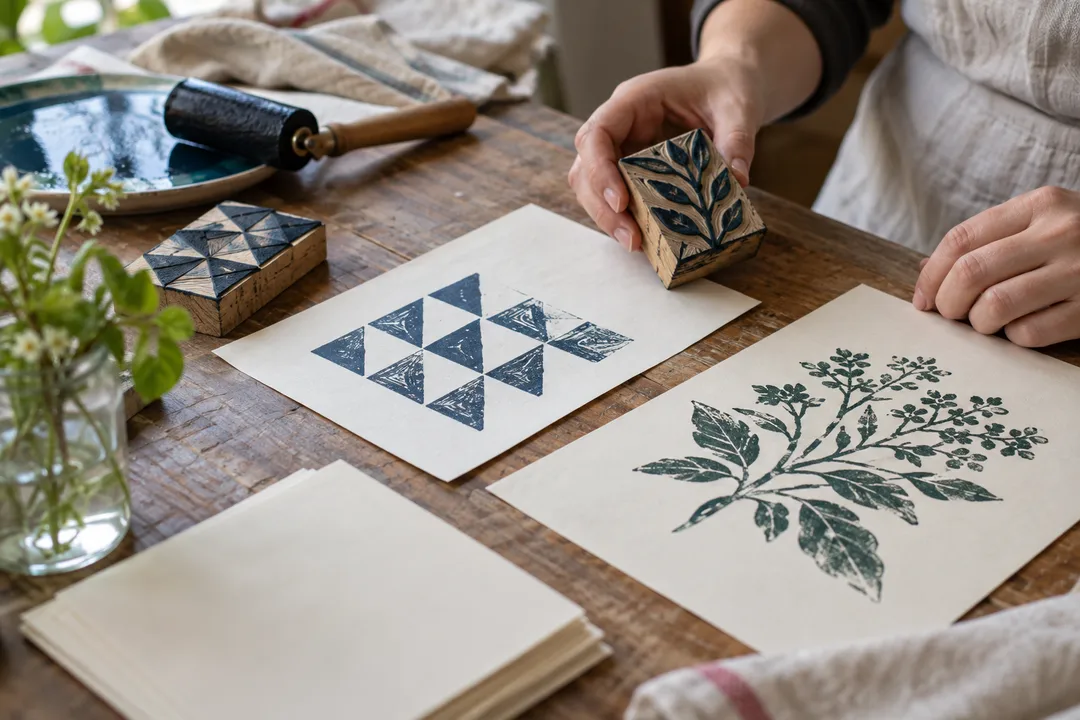
Decide whether the work belongs to individuals
Separate pieces are often easier to organize because each person can set their own visual goal. A collaborative piece creates different questions: who chooses the design, who handles each stage, and who takes the object home? Neither arrangement is automatically better for a group. The right choice depends on whether collaboration is itself part of the attraction. If you want to share a table while making independent work, put that clearly in the request. Do not allow the phrase group activity to decide ownership or working style for you.
Materials and equipment also shape participation. A lesson built around shared tools can involve waiting and turn-taking. Individual stations can allow different paces, but they do not establish how much help the teacher gives each person. Read the session details for the actual arrangements. When an important point is missing, keep it unresolved in your comparison. Your planning notes should describe what the provider offers, what the group prefers, and where the two still need to meet. That distinction keeps a hopeful idea from becoming an assumed promise.
Make the group request easy to answer
Prepare a short message with the number of participants, the spread of experience, the preferred date window, and the kind of result you want. Add one sentence about how you hope to work together. “We would like individual projects in the same taught session” is more useful than “we are a fun mixed group.” Include material restrictions and access needs directly, without making one person explain a private requirement in front of everyone. The information should help assess participation rather than persuade a provider to accept an unsuitable booking.
Before choosing, compare the provider's terms for the group size, changes to participant numbers, and any booking minimum that is actually stated. Different friends may also need different personal spending limits. Agree on a ceiling that everyone accepts and compare the described inclusions against it. There is no benefit in finding a technically ideal class that makes one participant uncomfortable about the cost. Keep unquoted charges out of the total and resolve essential gaps through the provider's booking information or a focused enquiry before anyone pays.
Use a decision rule everyone understands
Bring the group's priorities into the Karpo APP: “Help us compare craft activity ideas in Miami for four adults with different experience levels. We want separate projects, beginner teaching, and choices that keep an experienced maker interested. Our priority is enjoying the session together.” Add the location and time boundaries you have agreed. Ask for a comparison around those constraints rather than a long general list. The conversation can then focus on why a format suits the group and which details matter when you examine actual providers.
Give each real candidate a short verdict: good for the beginner, interesting for the experienced maker, and practical for the group. A serious weakness in one of those areas deserves attention even if the other two look excellent. Your practical notes can fit in one shared message containing the chosen project, instruction format, arrival arrangements, and booking responsibilities. Let the group know who will complete the reservation and what constitutes a confirmed booking. With the logistics clear, everyone can arrive as a participant and enjoy a different version of the same creative afternoon.
Ask Karpo for more information.
Keep reading
- Wynwood Domino Set Gift Browsing Walk: Acrylic Designs
 Coral Gables Domino Set Gift Browsing Walk: Wood Sets
 Little Havana Domino Set Gift Browsing Walk: Clay Tiles