 Wynwood Domino Set Gift Browsing Walk: Acrylic Designs
Hidden Gems & Odd Finds

Miami Craft Class Shortlist: 5 Steps for Beginners
Build a Miami craft class shortlist around beginner teaching, materials, and a manageable first project, then bring your preferences to the Karpo APP.
Your first craft class does not need to reveal a hidden talent. It can simply be an afternoon when someone shows you how to make a thing and you enjoy trying. The awkward part often comes earlier, when photographs of beautiful bowls, stitched bags, and intricate prints make every option look equally appealing. Build a Miami craft class shortlist around how you like to learn, rather than which finished object looks most impressive. Start with five decisions: the task, the teaching, the materials, the commitment, and the way you want to feel afterward.
Name the moment you actually want
Picture the middle of the session. Would you enjoy carefully folding paper while a teacher repeats a demonstration, or would you prefer mixing colors and exploring without a precise target? Those are different kinds of satisfaction. Write down an action you would like to try, such as stitching, shaping, weaving, or arranging. That action gives your search a clearer direction than a broad request for something creative. You can admire a ceramic vase without wanting to spend your afternoon learning to shape clay.
Choose one positive preference and one boundary. Perhaps you want a tactile activity but dislike sticky materials. Perhaps you enjoy detailed work but do not want sharp tools. These are personal constraints, not predictions about any particular class. A shortlist becomes more useful when it reflects them explicitly. Avoid labeling yourself uncreative before you have even chosen a format. The practical question is whether the task invites you to participate, including during the parts that involve repetition or a slightly uneven result.
Look for teaching that starts at the beginning
The word beginner is a helpful starting point, but the description of the lesson matters more. Look for an explanation of what participants learn first, whether demonstrations are included, and how the project develops. A class that introduces a single technique can be easier to assess than a description promising a whole new skill in one sitting. You are looking for a clear learning sequence. A polished photograph alone does not tell you whether the instructor teaches the foundations or expects you to arrive knowing them.
Think about how you prefer to receive help. Some learners want a teacher to demonstrate the entire sequence before they begin. Others need to try one step, ask a question, and then move forward. Use that distinction when comparing descriptions or writing an enquiry. You might ask whether participants can repeat a technique on scrap material before using the final piece. That question is specific enough to get a useful answer and avoids making the whole decision depend on a vague promise that everyone will have fun.
Make the material part of your choice
Consider what you want on your hands and around your workspace. Paper, thread, clay, paint, and adhesives have different textures and handling requirements. Treat examples as possible craft directions rather than a list of classes currently offered in Miami. If you dislike strong scents, need a particular seating arrangement, or avoid specific substances, name the requirement directly. The provider's description needs to support that requirement before an option earns a place on your final list. A photograph of a spacious room cannot establish the materials or access arrangements.
Clothing is another useful filter. Would you be happy wearing an apron, tying back your hair, or choosing clothes that can handle marks? If the answer is no, search for activities whose published instructions fit the way you want to spend the day. Do not assume that a delicate finished object means a clean process. Equally, a workshop photograph showing tools does not prove that every participant uses every tool. Read the actual activity details and distinguish demonstration equipment from the tasks you will perform yourself.
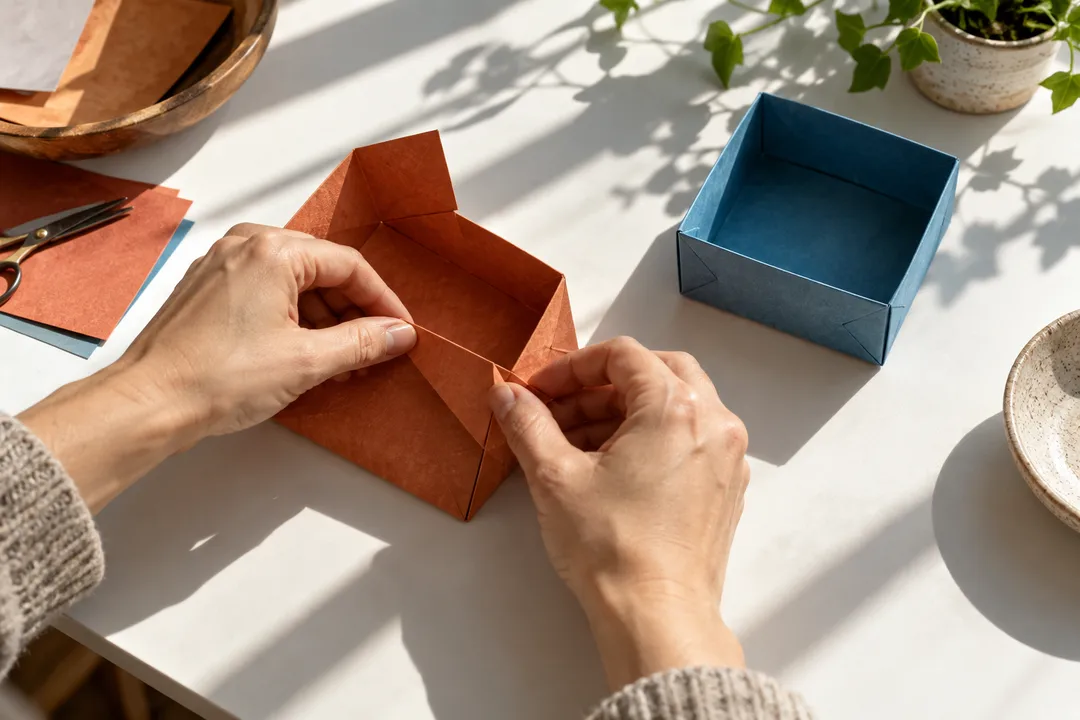
Keep the first commitment small enough to enjoy
Decide whether you want one introduction or the beginning of a regular practice. For a first experiment, a single session may fit your goal better than a course that stretches across several weeks. That is a preference to put into the search, not a claim about local course availability. Include the entire commitment in your comparison: lesson time, preparation, travel, and any return visit to collect the work. An activity that fits neatly into the calendar can still require another trip later.
Set a personal spending ceiling before comparing options. Separate the advertised tuition from materials, finishing, and delivery when those items appear in a provider's terms. An unpublished charge should remain unknown rather than becoming a guessed total. If two listings describe different inclusions, write down the difference instead of ranking them by the first number you see. For a first class, knowing what the fee buys is often more useful than chasing the cheapest headline. You can then decide which costs you are comfortable accepting.
Give your shortlist a simple shape
Aim for three distinct candidates: one closely matched to your preferred task, one that offers a different material, and one that fits your easiest travel window. Beside each, write a short reason you would choose it and a reason you might decline it. A paper project might appeal because the method sounds approachable, while a longer textile session might offer the slower pace you prefer. These are comparison categories, not named recommendations. The final candidates should come from descriptions that actually support the learning format you want.
You can turn those decisions into a request in the Karpo APP: “Help me compare beginner craft ideas in Miami. I like careful handwork, want a single introduction, and would rather avoid messy materials. Start with formats that include teaching from scratch.” Add your starting neighborhood and your personal travel limit. The useful outcome is a more focused conversation about fit. Keep provider-specific dates, fees, and booking conditions attached to the relevant listing instead of treating a general suggestion as a place already reserved for you.
Leave room for a satisfying imperfect result
A first attempt can be enjoyable even when the corners are uneven or the colors are different from the example. Choose a project whose imperfect version you would still like having. That small test helps separate curiosity from performance pressure. If you mainly want a beautiful object, buying one and taking a different class could be the more satisfying combination. If you want to understand a process, an unfinished sample may teach you more than a nearly completed item that someone else prepared before you arrived.
For practical notes, keep a short list with your chosen activity, the kind of instruction you need, the full time commitment, and the stated collection arrangements. Add any material or access requirements that affect your participation. Plan the rest of the afternoon lightly so the lesson has space to run its advertised course. Your next step is simple: open the Karpo APP with those preferences and ask for a first-class comparison. Choose the option whose process you want to experience, with enough clarity that you can arrive curious rather than worried about getting it right.
Ask Karpo for more information.
Keep reading
- Wynwood Domino Set Gift Browsing Walk: Acrylic Designs
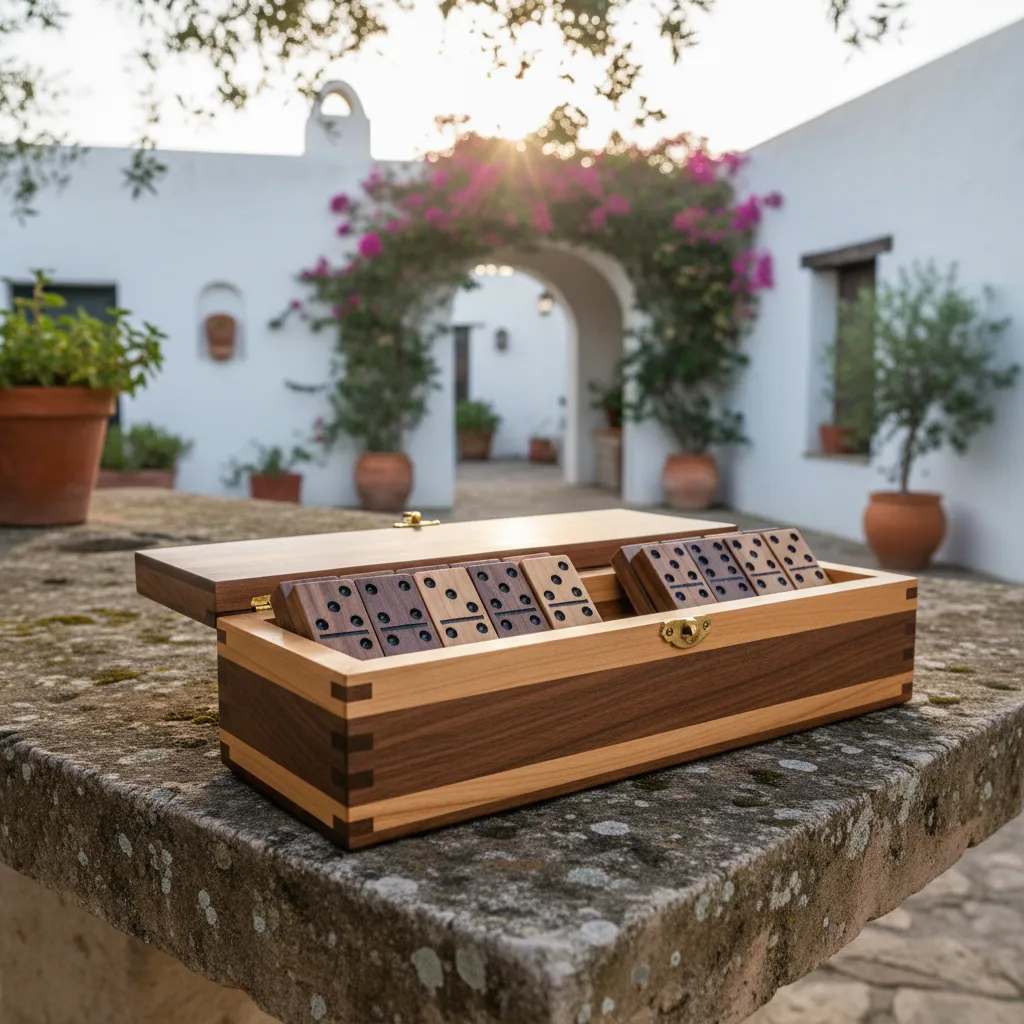 Coral Gables Domino Set Gift Browsing Walk: Wood Sets
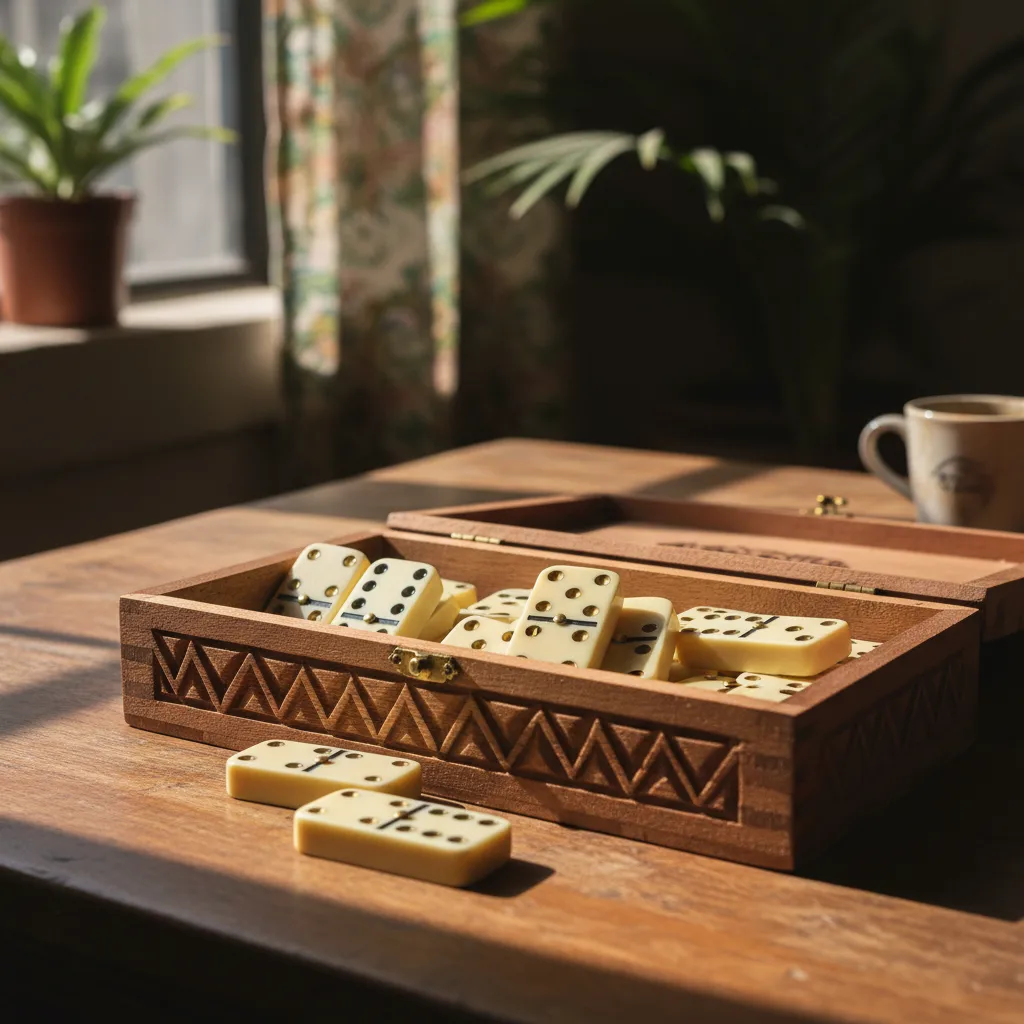 Little Havana Domino Set Gift Browsing Walk: Clay Tiles