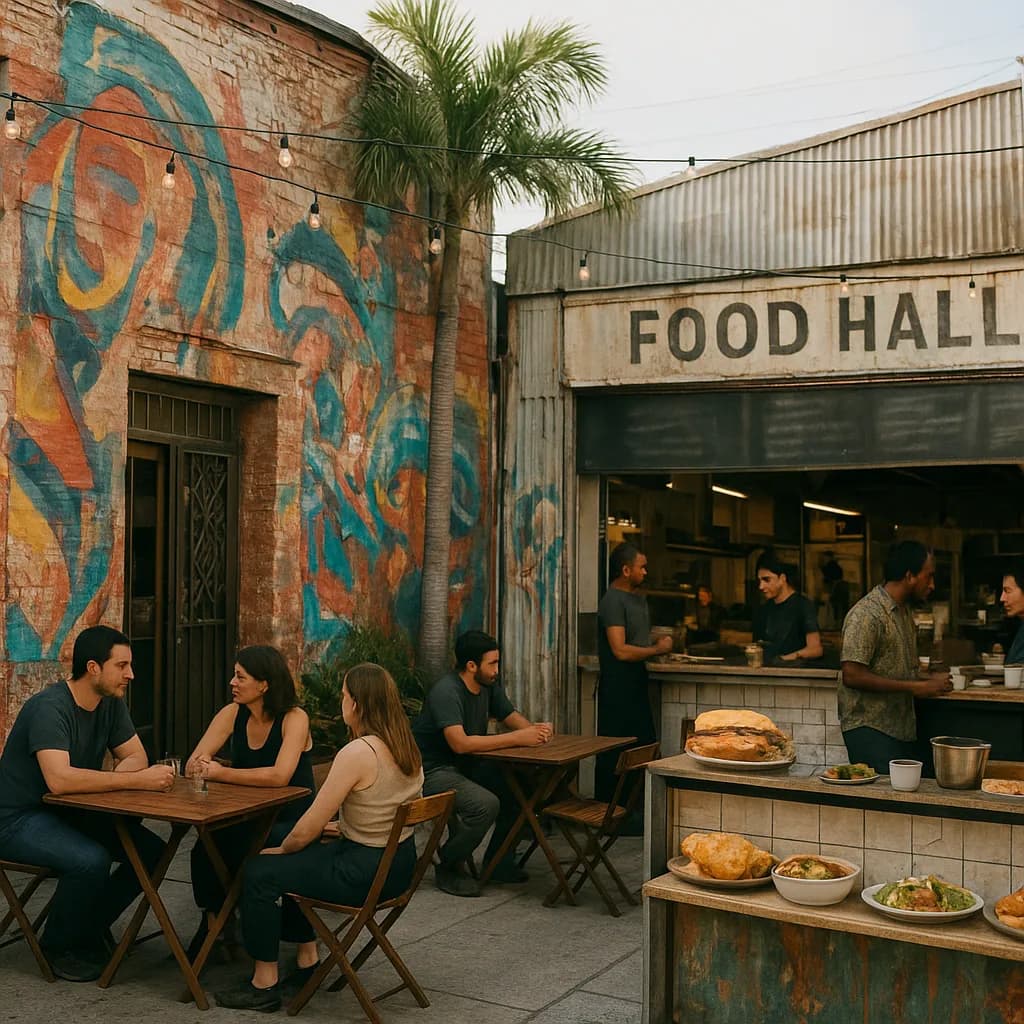
 Wynwood Near Me: A Two-Hour Murals and Food Hall Route
Neighborhood Guides
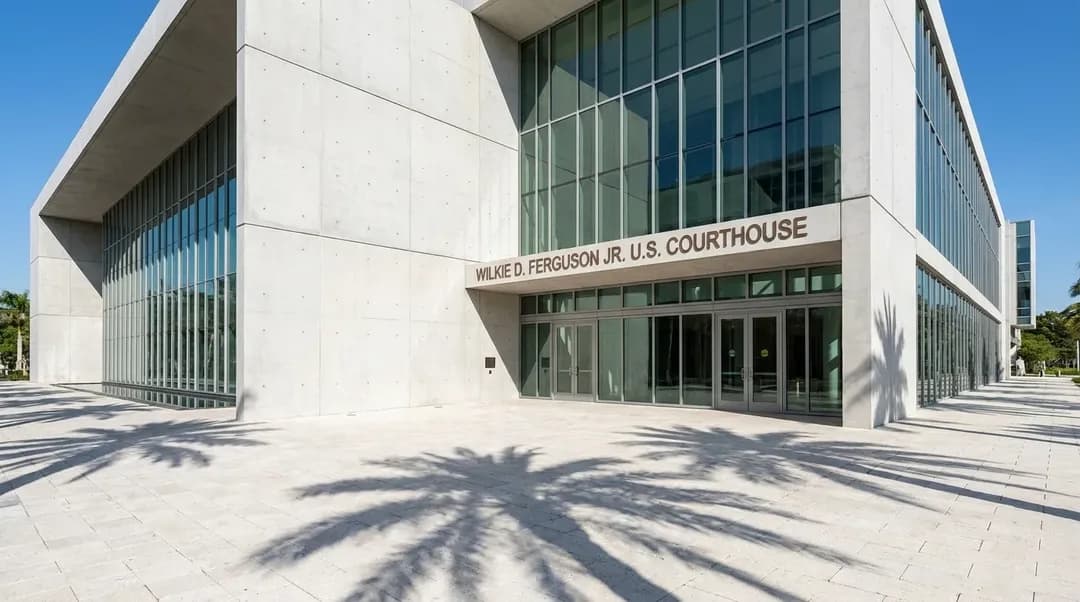
Finding Corte Suprema references in Miami before your Downtown walk
Search interest in Corte Suprema leads many to Downtown Miami, where federal and state courthouses anchor a compact walking district.
You see the term Corte Suprema in news alerts, legal filings, or Spanish-language coverage of federal cases. The search brings you to Miami because the city holds major federal and state courthouses where appellate decisions land, immigration hearings run daily, and journalists camp outside waiting for rulings. The phrase itself means Supreme Court in Spanish, and in Miami's bilingual news cycle it surfaces constantly—sometimes referring to the U.S. Supreme Court, sometimes to Florida's high court, often to both in the same story.
Text Karpo before you head out. It will confirm which courthouse buildings are open to the public today, build a live walk route that skips construction closures, and hold a rideshare pickup point if afternoon rain hits.
Why people search Corte Suprema in Miami
The practical question is where to go when you want to understand the system in person. Miami's Downtown core concentrates judicial buildings within six blocks. The Wilkie D. Ferguson Jr. United States Courthouse sits at 400 North Miami Avenue. The James Lawrence King Federal Justice Building is one block south. The Miami-Dade County Courthouse towers over Flagler Street at 73 West Flagler. Each building handles different dockets—federal criminal, immigration, civil appeals, state criminal—and most courtrooms are open to the public during weekday business hours, though security screening takes time.
Corte Suprema as a search term also connects to civic education. Teachers bring students. Law students observe oral arguments. Journalists cover high-profile trials. If you are looking for the physical seat of judicial power in South Florida, this tight cluster is it. The walk between these buildings is short but loaded with context: plaza murals, bronze plaques naming judges, protest corners where advocacy groups hold signs every week.
The Downtown courthouse district on foot
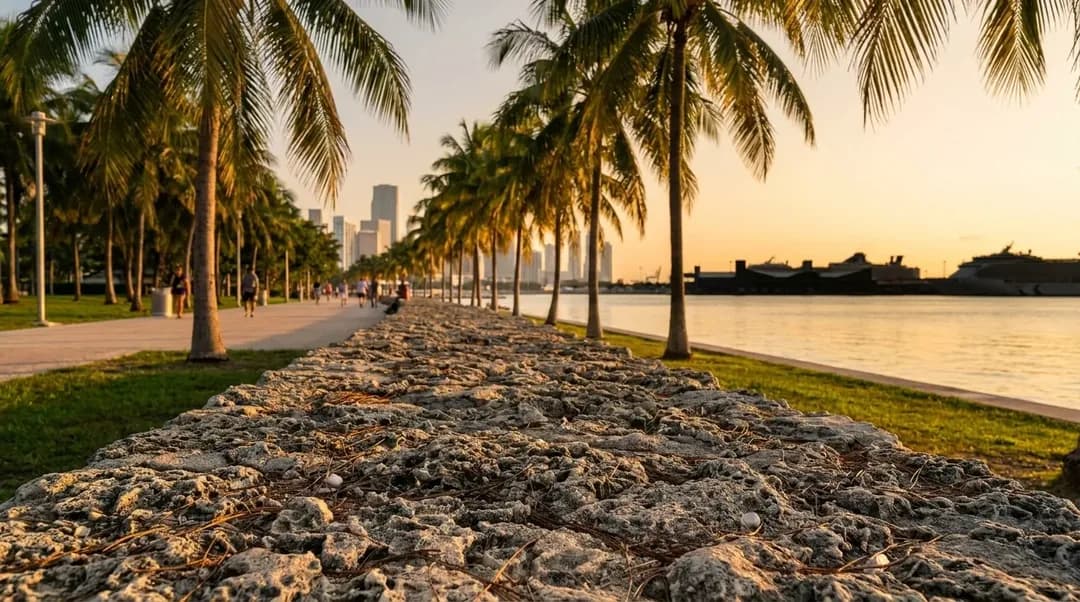
Start at the Wilkie D. Ferguson Jr. Courthouse on the north end. The building faces Biscayne Boulevard but the public entrance is on the west side, off Miami Avenue. Security is airport-grade: no large bags, no electronics beyond a phone, and the line moves slowly during morning dockets. The lobby atrium is marble and glass, cool even in August. Courtrooms are numbered by floor; check the directory board if you want to observe a specific hearing.
Walk south on Miami Avenue two blocks to reach the James Lawrence King building. This is the older federal tower, and immigration court sessions fill the calendar. The plaza between the two buildings has benches under ficus trees, and you will see lawyers in shirtsleeves prepping clients on phones. The block gets full sun from ten in the morning until two, so shade is scarce midday.
Cross Flagler Street east and you are at the Miami-Dade County Courthouse. This is the tallest structure in the group, twenty-eight stories of concrete and tinted glass. State criminal cases, family court, probate—all funnel through here. The ground-floor cafeteria serves breakfast and lunch to a mix of jurors, attorneys, and defendants' families. The building has its own Metromover stop, Government Center, which makes it the easiest courthouse to reach by rail.
The entire walk—Ferguson to King to County—covers less than half a mile. You can do it in twelve minutes if you are just scouting exteriors. Add an hour if you plan to enter a courtroom and sit through part of a hearing. Public access is real, but not instant: every entrance has magnetometers, and carrying anything beyond a wallet and phone will slow you down.
Go early or go late to avoid the rush
Court calendars run heaviest between nine and eleven in the morning. That is when dockets are called, defendants check in, and lawyers cluster in hallways negotiating continuances. If you want to move through security without a thirty-minute wait, arrive before eight-thirty or after two. Late afternoon is quieter—many hearings wrap by three, and the plaza benches empty out.
Afternoon also brings Miami's weather pivot. Storms build over the Everglades and roll east across Brickell and Downtown between three and five. The courthouses themselves are climate-controlled fortresses, but the walk between them offers no real cover. If you are outside when the rain starts, duck into the County Courthouse lobby or the small covered arcade on the north side of the King building. Do not rely on awnings—they are shallow and the rain comes sideways.
Parking around the courthouses is expensive and fills early. The county garage at 40 NW 3rd Street charges hourly rates that climb past twenty dollars for a full day. Metered street parking along Flagler is two-hour maximum and closely enforced. Rideshare drop-off works better: use the corner of NE 1st Avenue and Flagler as your pin, which puts you at the east edge of the district with a clear walk to any of the three main buildings. Pickup after your visit is harder—the one-way grid and construction detours mean drivers circle for five minutes before they find you, so walk north to Bayside Marketplace if you want a faster grab.
The Bayfront Park alternative for a longer loop
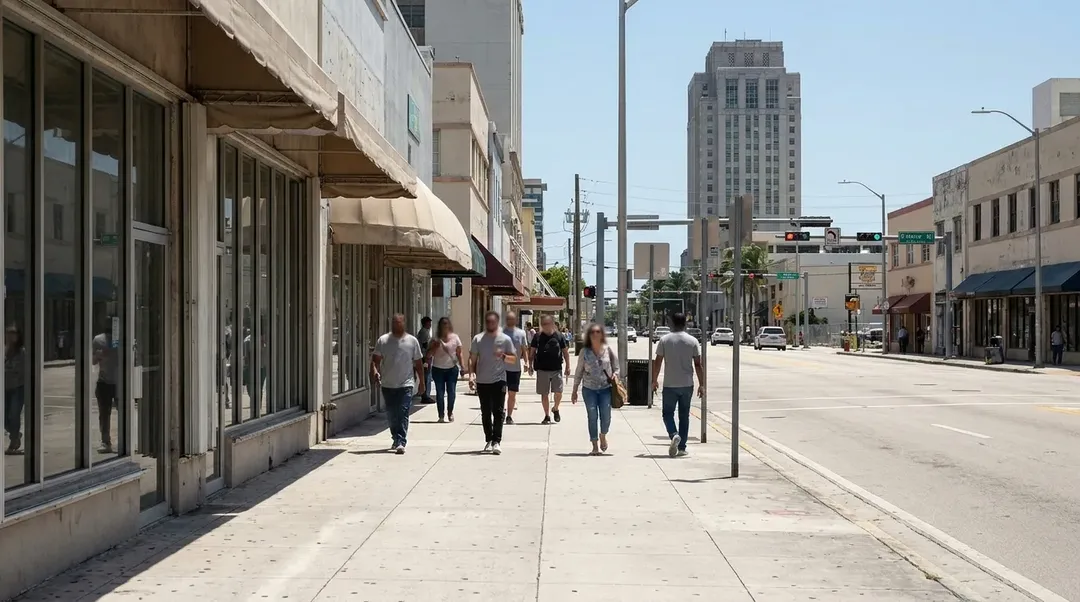
If the courthouse interiors are closed for a holiday or you want a walk with more air, extend the route east to Bayfront Park. From the County Courthouse, walk three blocks down Flagler to Biscayne Boulevard, then cross into the park at the main amphitheater entrance. The park runs along the bay for half a mile, with wide sidewalks, coconut palms, and views across to the cruise terminals on Dodge Island.
This route shifts the mood from judicial formality to open waterfront. The park's north end has the Challenger Memorial, a quiet spot with benches that face the water. The south end holds the Bayside Marketplace complex, which is touristy but air-conditioned and useful if you need a bathroom or a cold drink. The walk from courthouse steps to bayside benches takes twenty minutes at a steady pace.
Bayfront Park also solves the rideshare pickup problem. Drivers know the Bayside entrance, and the turnaround loop at the north end of the marketplace is a designated staging area. If rain is forecast, the covered walkways inside Bayside give you a dry place to wait. The park itself has minimal shade—most of the palms are young and skinny—so plan this extension for early morning or late afternoon when the sun is lower.
Check courthouse access and docket schedules before you go
Not every courtroom is open every day, and not every hearing is public. Federal courtrooms close for federal holidays and sometimes for security reasons during high-profile cases. Immigration courts operate on their own calendar, and observing those hearings requires checking in with the clerk's office on the day you visit. The Miami-Dade County Courthouse posts a daily docket online, but the list does not tell you which courtrooms allow spectators or which cases are sealed.
If you are visiting for civic education or journalism, call ahead. The public information office for the Southern District of Florida can confirm which courtrooms are open and whether a specific case is on the calendar. Do not assume you can walk into any courtroom and sit down—judges control their own rooms, and some bar entry once proceedings begin.
Dress matters. Shorts, tank tops, and flip-flops will get you turned away at security in the federal buildings. The county courthouse is slightly more relaxed but still enforces a no-hats, no-visible-midriff policy. Bring a photo ID; you will need it to enter and sometimes to get past the lobby.
The term Corte Suprema itself will not appear on building directories or courtroom doors in Miami. What you are visiting are federal district courts, federal appellate panels when they sit in Miami, and Florida state circuit and appellate courts. The U.S. Supreme Court and Florida Supreme Court both operate in other cities—Washington and Tallahassee. But the decisions those high courts issue shape the cases argued in these Miami courtrooms every day, and the legal culture here reflects that pressure. When a Corte Suprema ruling drops, you will see it ripple through dockets within weeks.
Practical notes
- Federal courthouses open weekdays around eight; confirm hours for specific courtrooms before visiting
- Security screening is slow—arrive thirty minutes before any hearing you want to observe
- Afternoon storms between three and five make the outdoor walk uncomfortable; plan morning visits
- Parking near courthouses runs over twenty dollars; rideshare drop at Flagler and NE 1st Avenue is easier
- No large bags, laptops, or cameras allowed in federal buildings; bring only phone and wallet
- Extend the walk to Bayfront Park for a longer route with bay views and better rideshare pickup
Tags: #karpo #miami #downtown #cortesuprema #neighborhoodguide #walkablemaps #federalcourthouse #civiceducation #bayfrontpark #flaglerstreet #metromover #legalmiami #miamiwalk #urbanhike #localknowledge
All trademarks are the property of their respective owners.
Ask Karpo first
Text Karpo before you leave and ask which courthouse buildings are open to the public today and whether any dockets are running. It will build a live walk route that accounts for construction closures on Flagler and hold a rideshare pickup point near Bayside if rain is forecast.
Ask Karpo for more information.
Keep reading
- Wynwood Near Me: A Two-Hour Murals and Food Hall Route
 Byblos Miami: Miami Beach's Mediterranean Food Anchor Beyond the Grill
 Amal Miami's Mediterranean Food: Lebanese Mezze in Coconut Grove