 MOCA North Miami Contemporary Art Space: Saturday Hours
Weekend Plans
Superblue Miami Contemporary Art Space: Free Immersive Visit
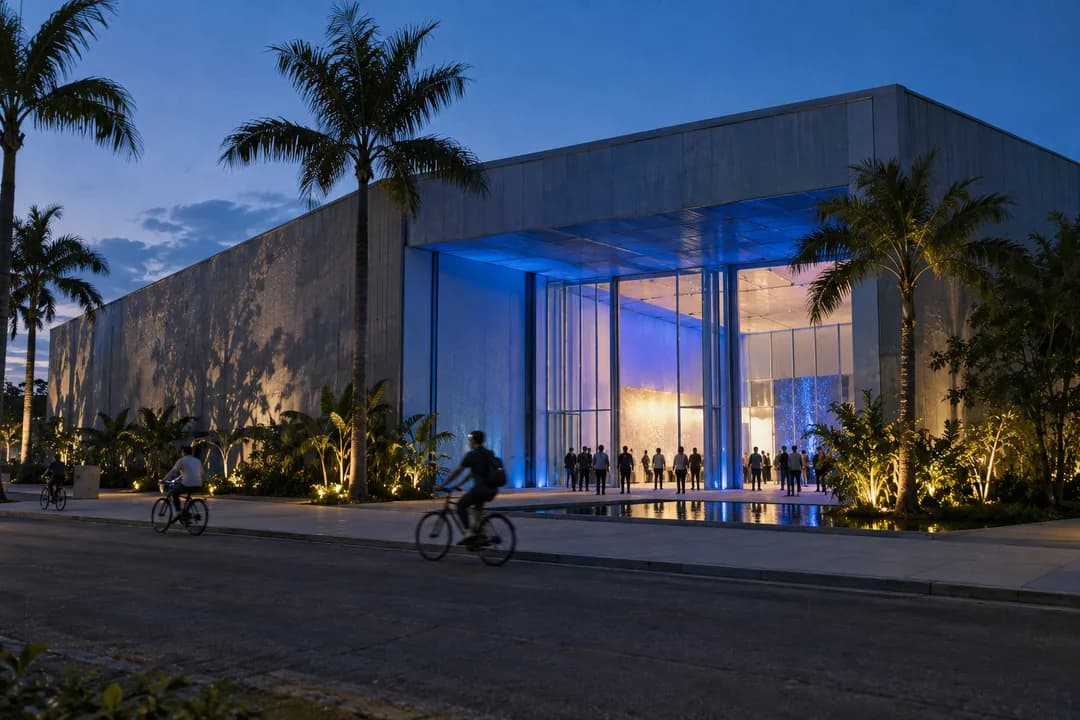
Superblue Miami at 1101 NW 23rd Street turns contemporary art into a large-scale immersive visit, best planned around time, light, and shared space.
Superblue Miami is a contemporary art space at 1101 NW 23rd Street, Miami, Florida 33127, with public hours Tuesday through Sunday, 11am to 7pm. The experience is built around large-scale immersive installations, so the practical unit is time inside a room rather than the number of works you check off. Plan for at least ninety minutes and arrive without a rigid schedule. The best first move is to understand the entry instructions, then let the first installation establish its rhythm before reaching for a camera.
Know what immersive means here
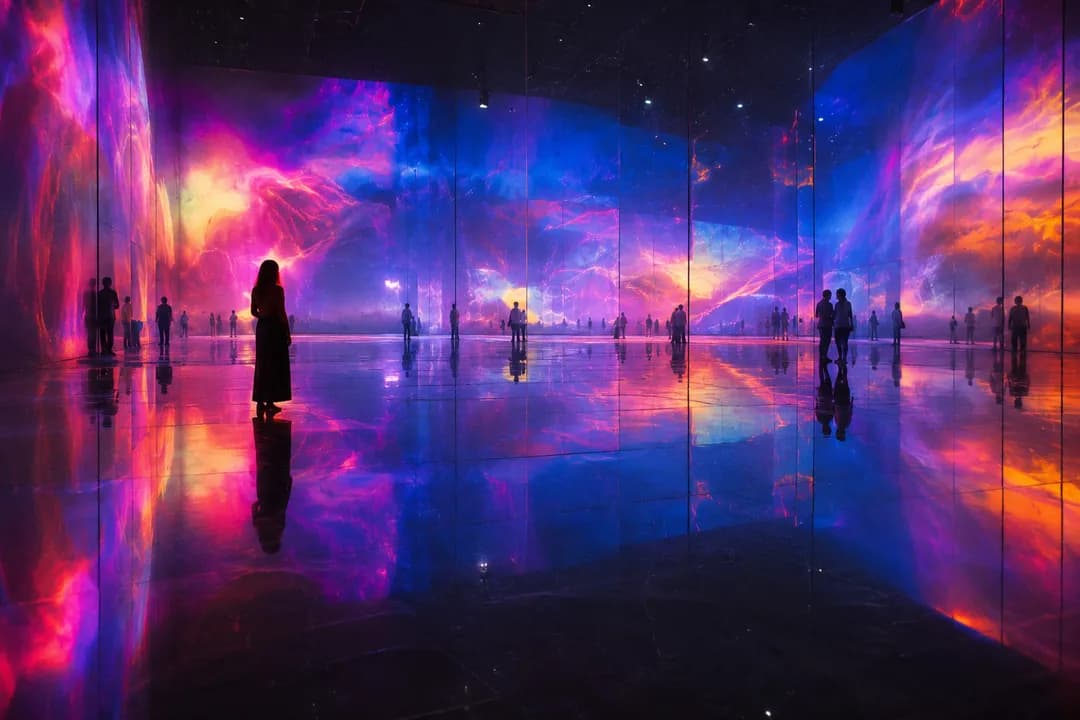
“Immersive” can mean light, sound, projection, movement, or a room that changes as visitors move through it. Superblue works best when you accept that the visitor is part of the composition. Stand still for a moment, then notice how other bodies alter the image. This is different from a gallery where the visitor stays outside the work. The room may be beautiful, but the more useful question is what it asks you to do, where it asks you to stand, and how long it takes to reveal itself.
Give each room its full duration
Give each major room its full first phase. If the installation loops, wait long enough to see the transition rather than leaving at the most obvious image. Some experiences become less interesting when photographed constantly because the screen replaces the room. Take one establishing image, then put the phone away. The strongest memory is often the sound under the image, the shift in temperature, or the way a group moved when the light changed. That detail will not appear in a quick gallery recap.
Move with the installation
Shared-space etiquette is essential. Follow the marked path, do not touch surfaces unless the staff explicitly invites it, and keep moving when a room is designed as a flow rather than a lounge. Avoid blocking a projection while trying to frame a portrait. If someone needs a quieter edge, let them have it. Superblue is social by design, but it becomes much more generous when visitors understand that their bodies affect everyone else’s view.
Choose a lower-pressure time
Midweek late morning or the final hours before 7pm usually create a more manageable rhythm than a peak weekend arrival. The long schedule makes it possible to choose the light outside and the crowd inside. I would skip booking the visit as a ten-minute add-on to another museum. The installations need a transition period, and rushing between them makes the experience feel like a series of screens rather than a place. Leave space for a reset between rooms.
Use the warehouse district afterward
Afterward, keep the neighborhood route short and grounded in the warehouse setting around NW 23rd Street. Notice how the industrial buildings and creative venues frame the artificial worlds you just left. If you continue toward Wynwood, treat the trip as a separate leg and allow for traffic and heat. A slower local walk can be more satisfying than adding another destination. Superblue already changes your visual scale; the outside route should help you return to the street.
Practical notes for Superblue
Practical notes: Superblue Miami is at 1101 NW 23rd Street, Miami, Florida 33127. Public hours are Tuesday through Sunday, 11am to 7pm. Wear comfortable shoes, keep your hands free, and plan around the time required for moving through each installation. Karpo APP can help make the venue the anchor of an Allapattah route rather than squeezing it between unrelated stops.
What to skip on a first visit
On a first visit, skip the pressure to capture every room. Choose the installation that most changes your sense of space and let that be the center. If one experience is not holding you, move on after its first full sequence instead of staying because the ticket or plan says you should. The venue is more rewarding when the visitor makes deliberate choices inside a highly controlled environment.
What to skip on a first visit
If a room is too crowded, step to the side only where the design allows it, or move forward and return later. If the sensory intensity builds, take a real break outside before continuing. If you are with a group, agree on a meeting point before entering a dark installation. Those small decisions prevent the experience from turning into a search for lost companions and keep the attention on the art.
The case for going slowly
Superblue is a useful contemporary art space answer for Miami when you want scale, movement, and a visit that asks for participation. The address and Tuesday-to-Sunday schedule make the logistics clear, but the real planning tip is to protect time. Enter slowly, watch a room change, move with care, and leave the camera down often enough to feel the installation rather than merely record it. A useful companion rule is to agree that no one has to experience every installation together. One person may want to stand still while another needs a quieter edge. Meet outside the room afterward and compare the details you noticed. That arrangement keeps the visit social without turning it into a synchronized queue. The venue’s large-scale environments can be exciting, but excitement is not the same as speed. Give the work a full cycle, let the room change around you, and treat the walk back to the street as part of the decompression. The most satisfying exit is usually quieter than the entry. Give your eyes a minute in ordinary daylight, notice the warehouse wall and the street noise, and let the contrast settle. If you leave immediately for another spectacle, the installations may blur together. A slower exit protects the work’s afterimage and gives you a chance to decide which room deserves a future visit. That boundary matters especially here because the venue is designed to keep your senses busy. Protecting a little silence between rooms makes the spectacle more memorable, not less. Leave with one sensory detail that is not visual: a hum, a pause, a shift in air, or the sound of footsteps changing. That detail proves you were present.
Ask Karpo for more information.
Keep reading
- MOCA North Miami Contemporary Art Space: Saturday Hours
 Rubell Museum Contemporary Art Space: Warehouse Visit Hours
 ICA Miami Contemporary Art Space: Free Design District Hours