 Wynwood Domino Set Gift Browsing Walk: Acrylic Designs
Hidden Gems & Odd Finds
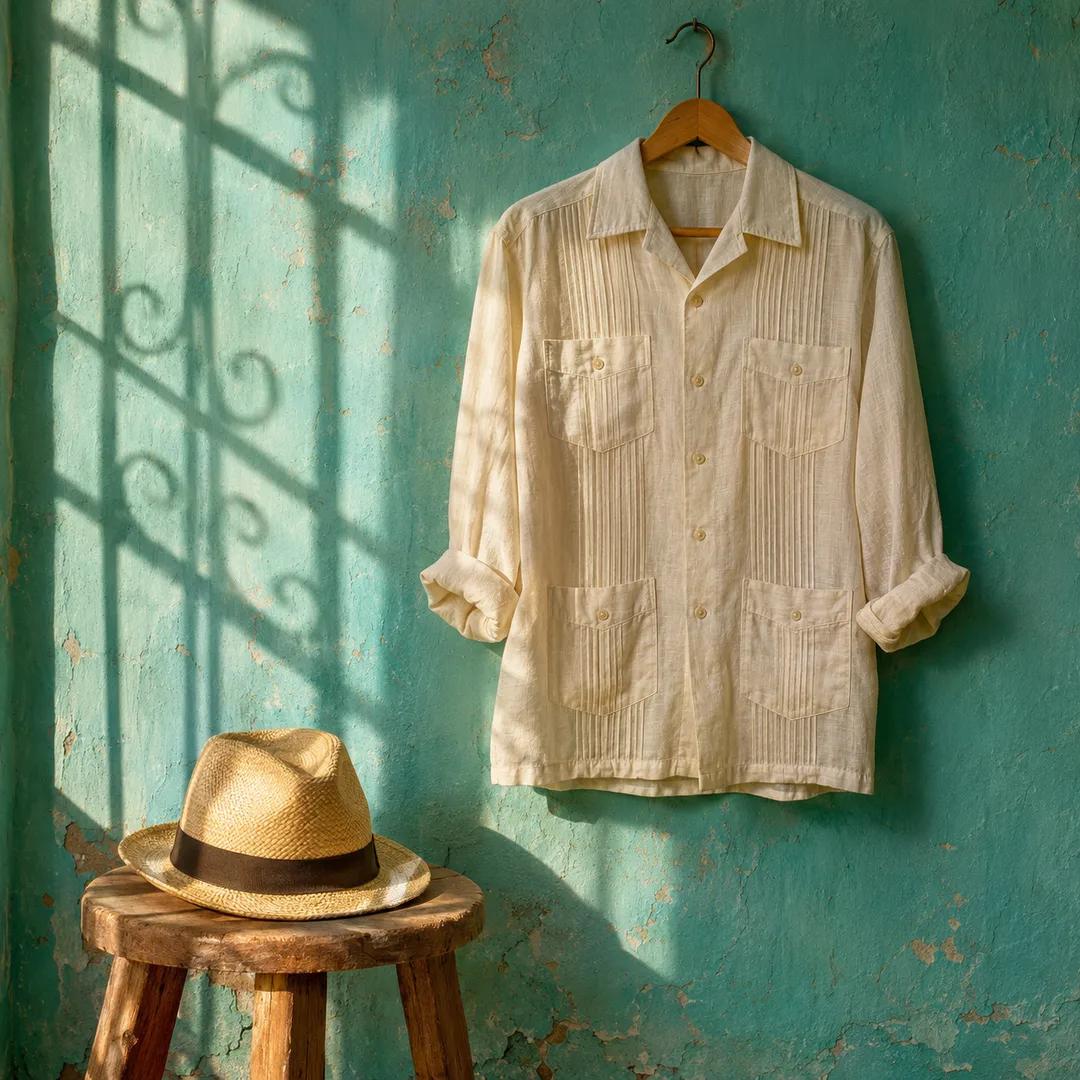
Little Havana Consignment Shop Crawl Planner for Guayaberas
Plan a Little Havana consignment crawl for guayaberas and family party outfits: read pleats and pockets, size for abuelo, then end at Domino Park on Calle Ocho.
A Little Havana consignment shop crawl planner is really a plan for finding the right shirt for someone you love. In Miami's Cuban neighborhood, the guayabera is not a costume. It is what grandfathers wear to christenings, what fathers put on for a daughter's quinceañera and what half the men at a Nochebuena table will be wearing when the pork comes out. Fine guayaberas last a long time, and many of them change hands through resale racks, church sales and small consignment shops along and around Calle Ocho. This plan helps you shop for one, or for a whole family outfit, with a sharper eye for pleats, pockets and fabric, and it ends where the neighborhood gathers, beside the domino tables.
The Shirt That Carries a Family Story
The guayabera traveled from the Caribbean into Cuban daily life and then into exile with families who settled in Miami. Along Calle Ocho, it became the uniform of dignified men at cafés, offices, weddings and political gatherings. Its loose cut and breathable fabric make sense in a hot climate, and its tidy pleats make it look formal without a jacket.
Because a well-made guayabera can last decades, many families pass them down or sell them on when someone's size changes. That gives Little Havana's resale racks a particular character. Alongside everyday secondhand clothing, you might find a crisp linen guayabera that once belonged to a retired accountant, or a hand-embroidered one in a soft pastel that came out for a single summer wedding.
Know Who You Are Dressing
Before you go, make a short list of who needs a shirt and for which event. A grandfather's milestone birthday asks for something classic in white or cream. A child at a baptism might wear a miniature guayabera in a pale color. A younger cousin heading to a wedding could pull off a slimmer, more modern cut in navy or a muted print.
Ask for chest and shoulder measurements in advance, or bring a favorite shirt from home to compare against the racks. Older relatives often prefer a looser, traditional fit, while younger relatives may want something trimmer. Writing this down saves you from buying a beautiful shirt that sits in the closet because it does not suit the person it was meant for.
What to Look For on the Rack
A traditional guayabera has two or four patch pockets on the front, vertical pleats or tucks running down the front and back, small buttons and side vents at the hem. It is usually worn untucked. Run your fingers along the pleats; on a well-made shirt they are sewn evenly and lie flat, and the buttons line up across the pockets and placket.
Fabric matters most. Linen breathes and looks dignified but wrinkles quickly, cotton is easier to care for, and blends tend to hold their shape. Check the collar and cuffs for wear and the underarms for discoloring. Embroidery should be tight, with no loose threads along the pleats. A small stain on a white shirt may lift, but yellowing across the back usually will not.
Starting on Calle Ocho
Start your crawl on Calle Ocho, where small shops, cigar rooms, cafés and fruit stands line the street. Use Karpo to pull up consignment, vintage and secondhand shops in Little Havana and on the blocks just north and south, then organize them into a short walking loop so you can return to the busier stretch at the end of the day.
Many of the shops here are small and family run, so slow down and greet people when you walk in. Spanish goes a long way, even a simple buenos días, and staff often enjoy helping you match a shirt to an occasion. Ask whether they have more guayaberas in the back or whether new pieces tend to come in before the holidays.
Dressing the Rest of the Family
Guayaberas are the anchor, but a family celebration needs more than one shirt. While you browse, look for linen trousers, light dresses for aunts and cousins, children's party clothes and small accessories like straw hats, cufflinks and fans. Coordinating colors without matching exactly gives a family photo a warm, natural look.
Consignment and resale racks can be especially helpful for children's clothes, since kids outgrow party outfits after a single event. You may find a tiny guayabera, a christening gown or a pair of patent leather shoes in excellent condition. Check seams and buttons carefully and wash everything before the big day.
A Cafecito Between Stops
Halfway through your loop, stop at a ventanita, the walk-up coffee window found all over Little Havana. Order a cafecito, a tiny cup of sweet, strong Cuban coffee, or a colada to share with whoever came along. Standing at the window beside regulars is one of the simplest ways to feel the rhythm of the street.
Pair the coffee with a pastelito or a croqueta from the bakery case and look over what you have found so far. If you are shopping for an older relative, this is a good moment to send them a photo and ask what they think. Sometimes the guayabera they remember wearing decades ago is exactly the style they want again.
Fit, Alterations and Small Repairs
Guayaberas are forgiving, but a few adjustments make a big difference. Sleeves can be shortened, side seams taken in and buttons replaced with something sturdier or more elegant. Ask the shop if they know a local tailor who works with guayaberas, since tucks and pleats need careful handling during alterations.
If a shirt has a small tear near the hem or a loose pocket, it can often be repaired cleanly. Take note of any loose embroidery that needs securing before washing. A tailor who knows these shirts can also press the pleats sharply before an event, which makes even an older guayabera look freshly made.
Caring for Linen in Miami Heat
Linen and cotton guayaberas look their best when they are cared for gently. Wash them in cool water on a gentle cycle or by hand, and dry them flat or on a hanger in the shade, since harsh sun can yellow white fabric over time. Press them while slightly damp to bring back crisp pleats.
Store guayaberas on wide hangers so the shoulders keep their shape, and leave a little room in the closet for air to circulate in the humidity. For shirts you plan to keep for years, a breathable cotton garment bag protects them between celebrations. Many families keep one good guayabera ready at all times for weddings, funerals and surprises.
Ending at the Domino Tables
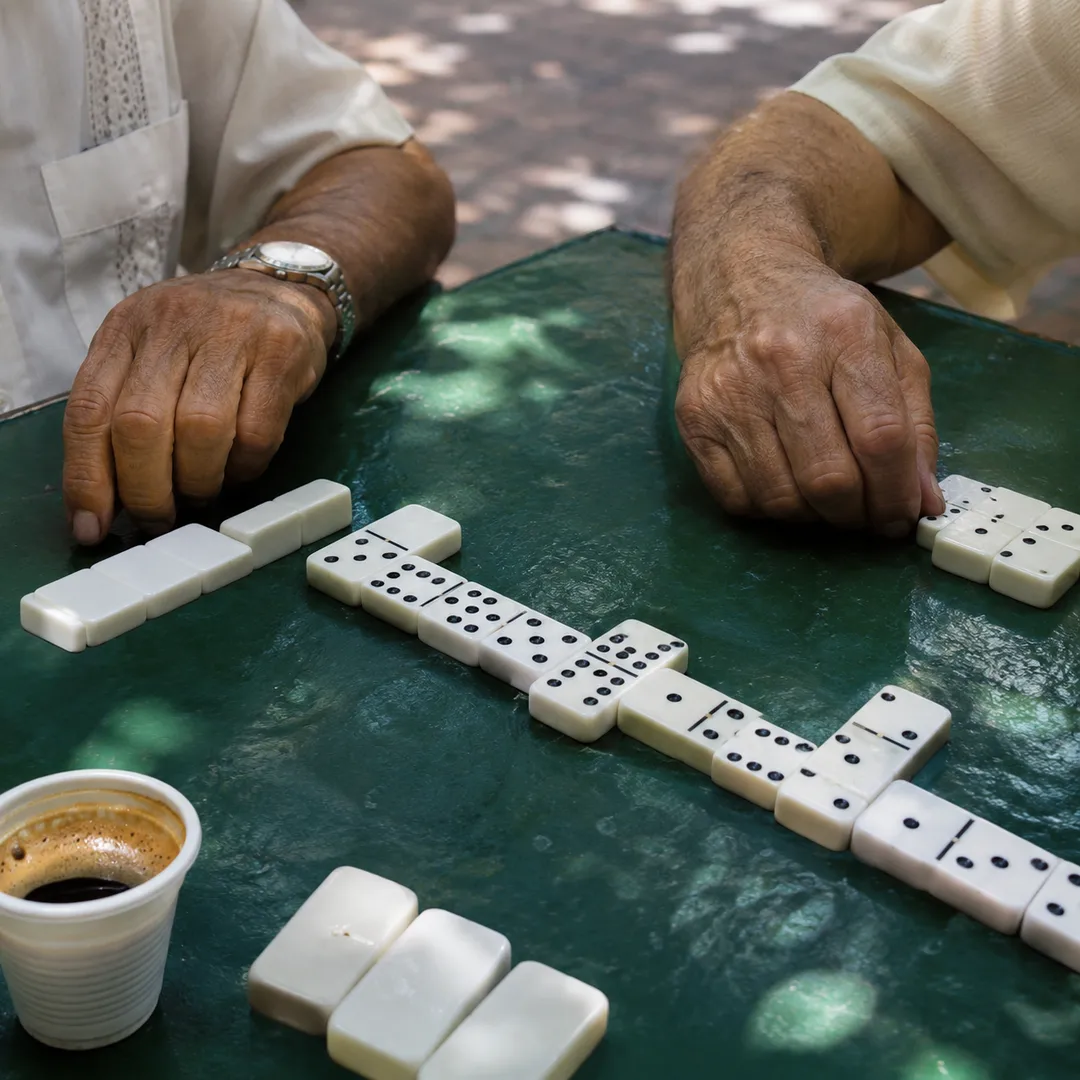
Finish the afternoon near Domino Park on Calle Ocho, where older men gather under the shade to play dominoes with enormous concentration. Many of them will be wearing guayaberas, and watching for a few minutes shows you how the shirt is meant to look in everyday life, loose and cool, with the sleeves rolled or buttoned depending on mood.
Walk a little farther along the Calle Ocho Walk of Fame and past the murals and cigar shops, then let the music from cafés guide you toward an early dinner. If you found the shirt you came for, carry it carefully, and imagine the photo that will be taken at the next family party.
Planning the Next Family Event
When another celebration appears on the calendar, open the Karpo APP and ask for consignment and vintage shops around Little Havana, or nearby in Coral Way and Westchester, so your next search starts with fresh options. If someone in the family outgrows a guayabera, consider bringing it to a resale shop yourself so another family can enjoy it.
Over time, a Little Havana crawl can become a family tradition of its own. Children who tag along learn to spot good pleats, older relatives share stories about the shirts they wore growing up, and everyone ends the day with a coffee and a sense of how clothing carries memory from one generation to the next.
Ask Karpo for more information.
Keep reading
- Wynwood Domino Set Gift Browsing Walk: Acrylic Designs
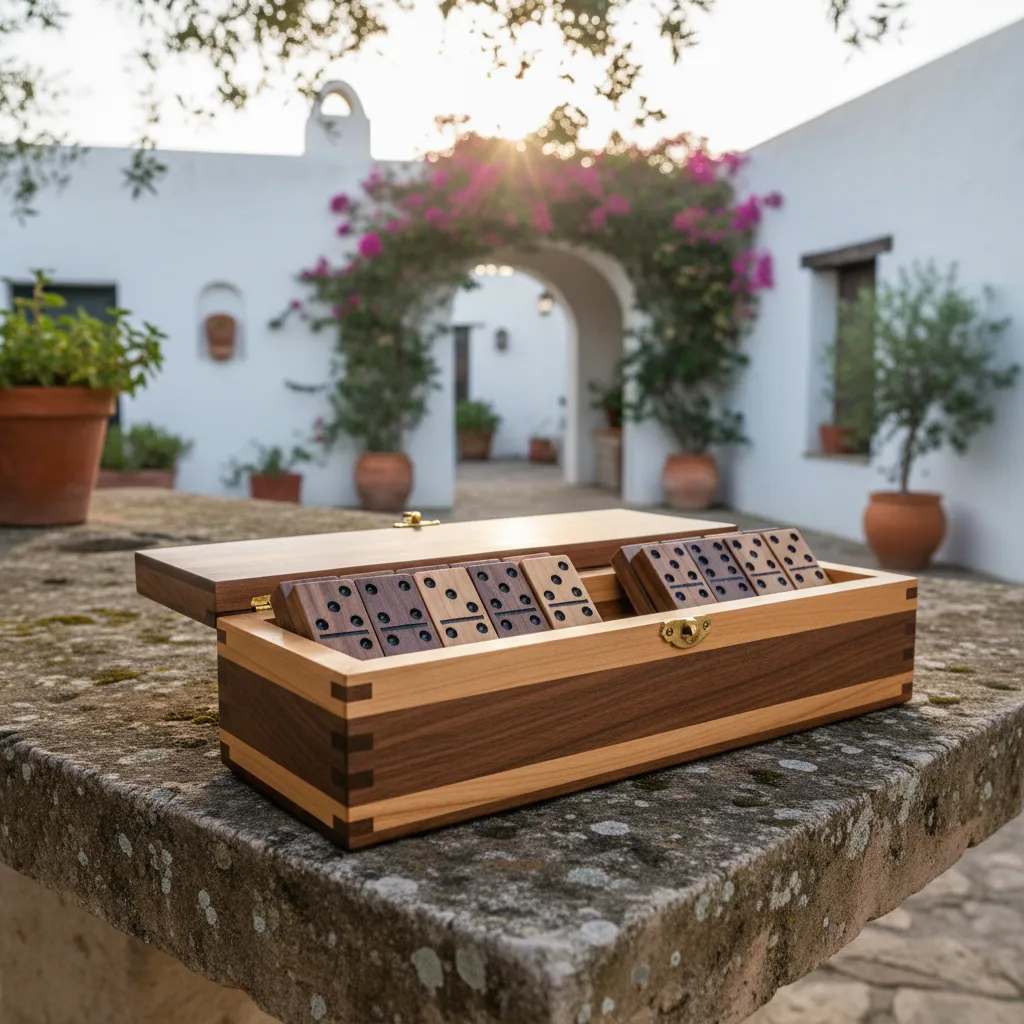 Coral Gables Domino Set Gift Browsing Walk: Wood Sets
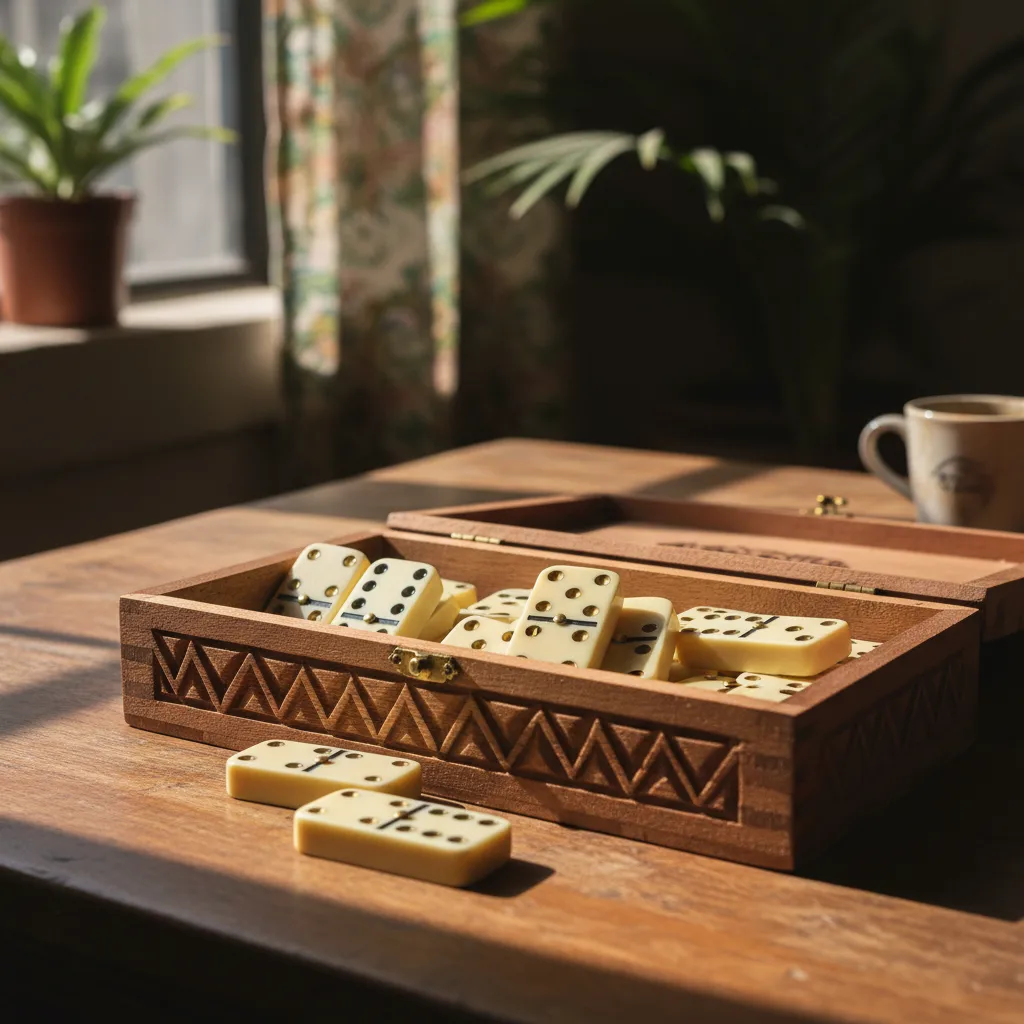 Little Havana Domino Set Gift Browsing Walk: Clay Tiles