Miami's concert scene splits into three very different camps. You've got the downtown arena where the Heat play and pop stars fill 20,000 seats, the art deco theater on Miami Beach where you can actually see a performer's face, and the open-air football stadium in Miami Gardens that turns into festival grounds when the Dolphins aren't playing. Same city, wildly different experiences. Which one you pick depends less on who's touring and more on what kind of night you're willing to commit to.
Still deciding which show to catch or where to eat before doors open? Karpo knows every corner of Miami's live music scene and can point you to the right venue, the right pre-show bite, and the right bar for a post-set drink.

Kaseya Center: the big-room downtown anchor
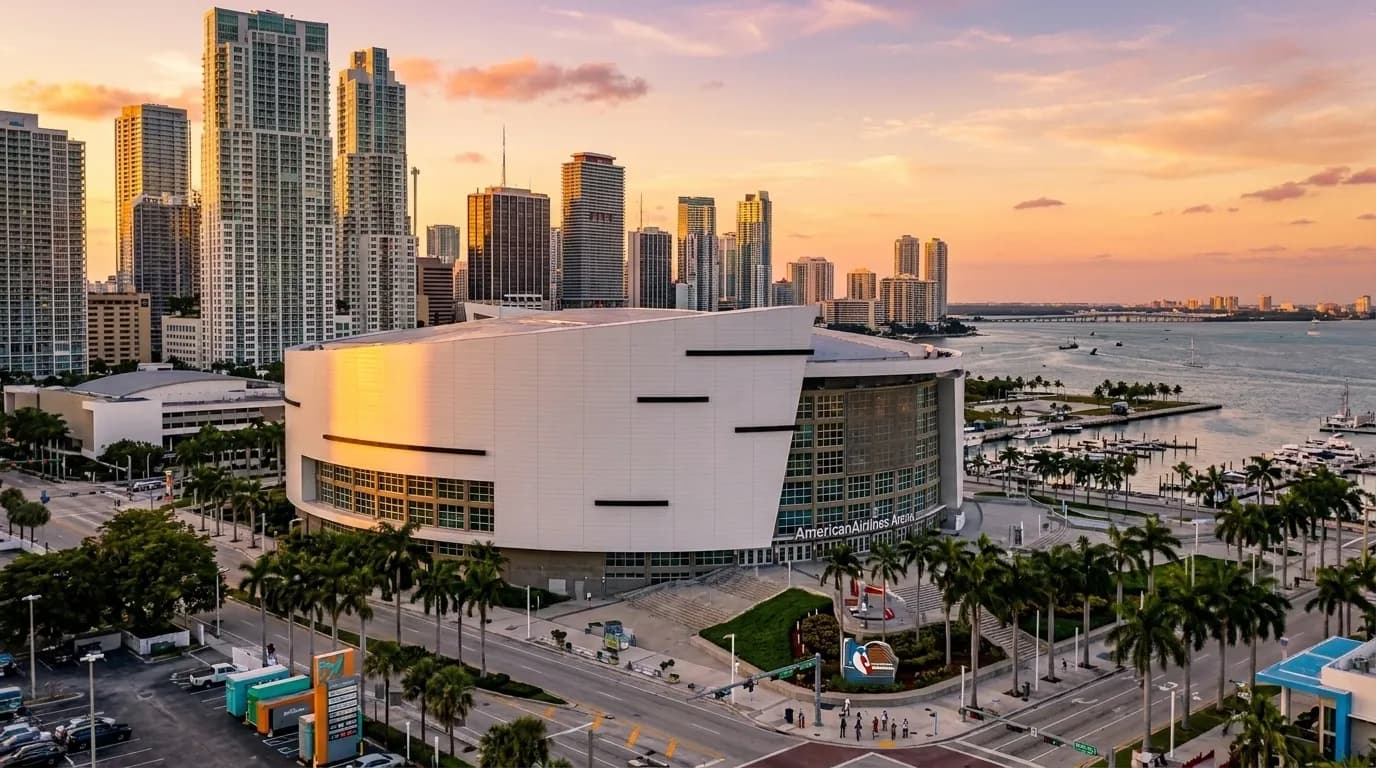
Kaseya Center sits on Biscayne Boulevard right at the edge of downtown, a 19,600-capacity arena that books everything from Bad Bunny residencies to classic rock legacy acts. The building itself is unmistakable—steel and glass rising next to the Metromover tracks, visible from I-95, with that massive LED ribbon wrapping the exterior. Inside, the setup is standard-issue NBA arena: tiered seating, luxury boxes ringing the mid-level, and a general-admission floor that's rarely open for concerts unless it's a hip-hop or EDM show.
Sound quality varies wildly depending on where you sit. The lower bowl—sections 101 through 120—puts you close enough to feel bass in your chest, but anything above row 15 starts to distance you. Upper-level seats (sections 301-330) are affordable but you're watching screens more than performers. The real insider move: sections 108-110 offer a centered sightline without floor-seat prices, and you're close to the main concourse exits when it's time to beat the crowd. Doors typically open 90 minutes before showtime; get there early if you want anything from concessions, because lines spiral fast once the opener starts.
Parking is a nightmare. The attached garage fills within 20 minutes of doors, and nearby lots charge $40-plus on big nights. Metromover is free and drops you literally at the arena entrance—take the Omni or Adrienne Arsht station. If you're driving, look for lots along NE 2nd Avenue north of the arena; they're a five-minute walk and usually half the price. Post-show, the entire district empties onto Biscayne, so expect gridlock. Walk a few blocks north to Biscayne Boulevard and you'll find easier rideshare pickup zones near the Whole Foods.
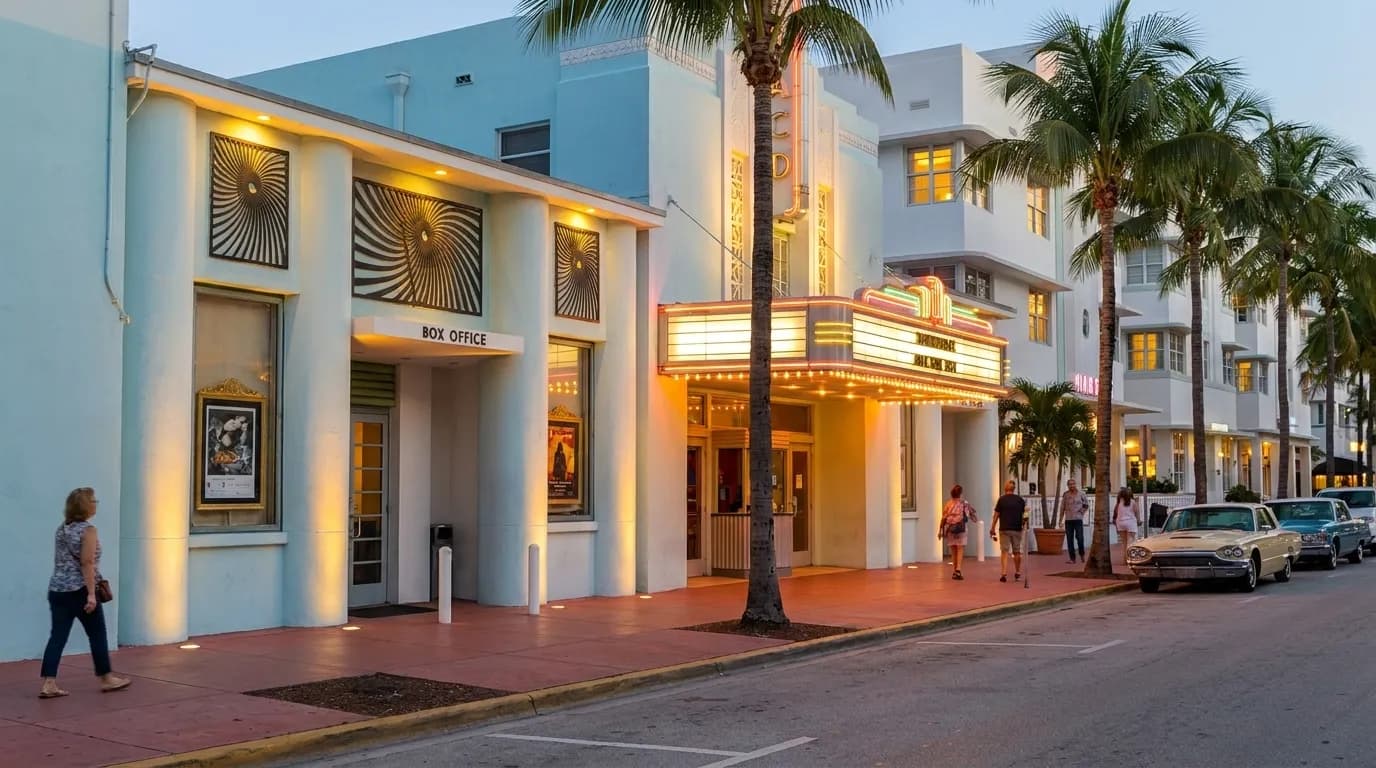
Fillmore Miami Beach: the room where you actually see something
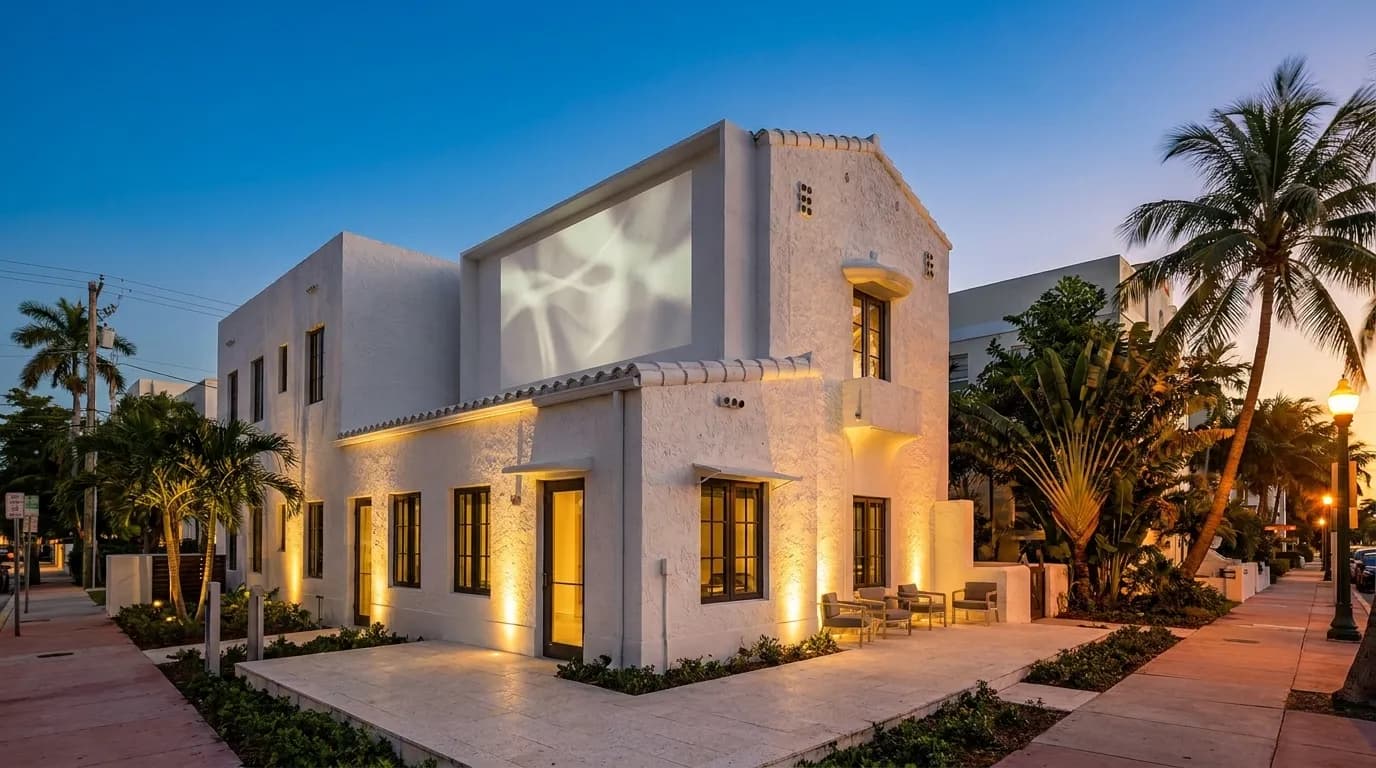
The Fillmore is built into the old Jackie Gleason Theater on Washington Avenue, a 2,700-capacity venue that feels like an actual theater because it is one. You walk in and immediately notice the chandeliers, the old-school marquee signage, the fact that there's an upstairs balcony with plush seats instead of bleachers. This is where mid-level acts tour when they've outgrown clubs but aren't filling arenas yet—indie rock, R&B, comedy specials that get filmed, the occasional legacy artist doing an intimate run. The Fillmore books talent that wants to be heard, not just seen on a Jumbotron.
The floor is standing-room general admission, and if you arrive within 30 minutes of doors, you can still claim a spot ten rows back from the stage. The balcony is reserved seating and worth the upcharge if you're over the scrum—sightlines are clean from every angle, and there's actual legroom. Sound here is dialed in. The room was designed for acoustics, and you notice it when a drummer hits a rim or a vocalist drops to a whisper. No dead zones, no mud in the low end. It's the best-sounding venue in Miami, and it's not particularly close.
Washington Avenue parking is a coin toss, especially on weekends when the Beach is already packed. Your best bet is the city garage at 17th and Convention Center Drive—it's a six-block walk but won't cost you $50. Alternatively, park in one of the residential areas west of Alton Road and walk or scooter over. Post-show, the Fillmore spills you right onto Washington, which means you're surrounded by late-night options. Skip the chains and walk south to 11th Street Public House or north toward Española Way for food that isn't microwaved.
Hard Rock Stadium: when the show is the whole day
Hard Rock Stadium in Miami Gardens is a 65,000-seat open-air football stadium that moonlights as a festival and mega-tour venue. This is where Taylor Swift plays three nights, where Rolling Loud sets up a dozen stages, where Beyoncé runs a two-hour production that requires semi-trucks. The venue is enormous, exposed to the elements, and built for spectacle. You're not going here for intimacy. You're going because the only way to see this artist is in a space big enough to land a plane.
Stadium shows at Hard Rock mean long walks, long lines, and Florida weather working against you. Bring sunscreen if it's a day show; bring a poncho if there's any chance of rain, because the bowl is open and there's limited cover outside the club seats. General admission floor access gets you closest to the stage, but you're standing on turf for hours, and once the crowd fills in, you're not moving. Lower-bowl seats (sections 101-150) offer shade from the canopy and actual sightlines. Upper deck is cheap, distant, and only worth it if you're there for the atmosphere more than the performance.
Getting in and out is the real ordeal. Hard Rock Stadium sits off the Turnpike near the Broward County line, surrounded by parking lots that take 45 minutes to empty after a show. If you drive, arrive early—gates open two to three hours before most concerts—and park in the north lots, which exit faster. Rideshare drop-off is chaos; you'll walk a quarter-mile from the designated zone to the gates. There's no rail access. Plan your departure before the encore, or accept that you're sitting in traffic until midnight. Bring cash for lot attendants and have your exit route mapped before you even enter the stadium.
How to decide which one to book
Start with the artist, but finish with the experience you actually want. If the show is a spectacle—a pop star with a full stage production, a rapper with pyro and guest spots, a legacy rock band doing a greatest-hits victory lap—Kaseya or Hard Rock make sense. Kaseya if you want to stay in the city, Hard Rock if the lineup is built for a whole-day event. Both venues prioritize scale over intimacy, and you're paying for the production more than the music.
The Fillmore is the move when the artist's sound matters as much as the songs. Singer-songwriters, jazz acts, indie bands that layer instruments, comedians who work the room—they all play better in a theater than an arena. You'll pay more per ticket relative to capacity, but you're also not staring at a screen or straining to hear over crowd chatter. If you've seen an artist at a festival and want to actually experience their set, the Fillmore is worth the upcharge.
Logistics-wise, Kaseya wins on accessibility—Metromover makes it the easiest to reach without a car. The Fillmore wins on post-show options, since you're already on Miami Beach with dozens of bars and restaurants in walking distance. Hard Rock loses on every practical front but wins if the artist simply isn't playing anywhere else, or if the production requires stadium infrastructure. Check the seating chart before you buy; a bad seat at Kaseya or Hard Rock can wreck a show, while even the worst seat at the Fillmore still delivers.
Practical notes
Kaseya Center is Metro-accessible via the Omni or Adrienne Arsht Metromover stops; parking nearby runs $30-50 on event nights. The Fillmore on Miami Beach has limited street parking; use the 17th Street city garage and walk six blocks. Hard Rock Stadium in Miami Gardens requires a car or rideshare, with parking lots opening two to three hours before most concerts. Doors at all three venues typically open 60-90 minutes before showtime. The Fillmore is all-ages unless otherwise noted; Kaseya and Hard Rock age policies vary by event. Don't buy tickets from third-party resellers in the parking lot—scams are common at all three venues. Check each venue's bag policy before you go; Hard Rock enforces strict clear-bag rules for most events.
Tags: #miamiconcerts #kaseyacenter #fillmoremiamibeach #hardrockstadium #miamimusic #livemusicmiami #concertvenuesmiami #miaminightlife #miamibeachevents #downtownmiamimusic #miamiarena #miamitheater #concertguide #miamiliveshows #miamibeachnights
All trademarks are the property of their respective owners.
Ask Karpo first
Miami's live music calendar moves fast, and the best seats disappear before the artist even announces the tour. Next time you're hunting for tickets or trying to decide if a show is worth the drive, ask Karpo. It'll tell you which venue actually suits the performance, where to eat before doors, and how to get home without sitting in an hour of traffic. The right concert in the right room makes the difference between a good night and one you'll talk about for months.