 Wynwood Domino Set Gift Browsing Walk: Acrylic Designs
Hidden Gems & Odd Finds
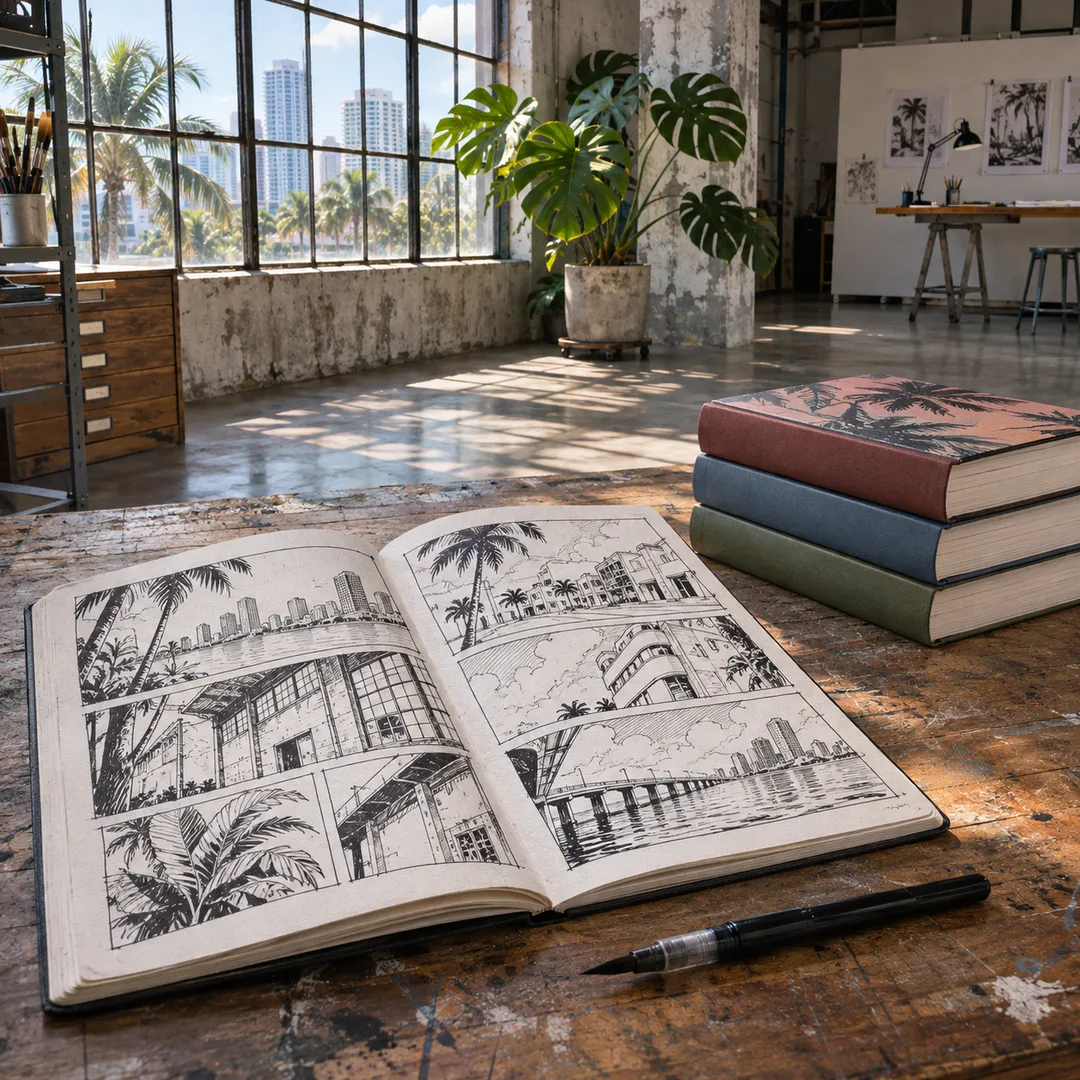
Little River Comic Shop Crawl Planner: Sketchbook Saturday
Little River suits a comic shop crawl built around drawing: buy books for their panel layouts, then sketch in the warehouse lanes. Pack a pen and go early.
Little River is the Miami neighbourhood where a comic shop crawl can double as an art class. The streets are lined with low warehouses turned into studios, plant nurseries and small workshops, and the pace is slower than in Wynwood a few minutes south. If you draw comics yourself, or want to start, plan this crawl around one idea: buy books for how they are drawn, not only for the story, and give yourself time to copy what you learn.
Why Little River Works for Artists
The neighbourhood has the right mix for a drawing day. Studios and makers share blocks with nurseries full of palms and ferns, so the walk between stops is green and quiet. There is room to stand on a pavement and sketch a doorway without blocking anyone. Compared with the busier art districts, nobody is in a hurry, and that matters when you plan to stop every hour and draw.
Start the morning with a simple brief for yourself. Pick one skill you want to improve this month, whether it is hands, crowds, rain, motion or lettering. Every book you pick up on the crawl gets judged against that skill first. It turns a vague shopping trip into a focused study session, and it stops the tote bag from filling up with books you will never open again.
Shopping With a Panel Artist's Eye
Inside any comic shop, flip books open to the middle rather than reading the back cover. Look at how many panels sit on a page, where the gutters widen, and how the artist moves your eye from one tier to the next. A good teaching book shows its structure clearly. If you can trace the reading path with a finger and never get lost, it earns a place in your bag.
Ask the person at the counter for books known for their layouts rather than their plots. Staff in independent shops usually love this question, because it is different from the usual request for the newest event series. Mention the skill you picked in the morning. Someone who has stocked shelves for years can often point to a European album, a manga volume or an indie hardcover that solves your exact problem.
Mixing Manga, Albums and Small Press
Try to leave each stop with books from different traditions. Manga teaches pacing and how silence can stretch across pages. Large European albums show detailed backgrounds and careful colour. Small press and self-published comics show what one person with a pen can do on a tight schedule, which is the most useful lesson of all if you are working alone on your first short story.
A practical limit helps here. Choose three books for the whole day, one per tradition, and only swap one out if something better appears. Three is enough to study closely over a month and light enough to carry through warm streets. Artists who come home with ten books tend to skim them all, while artists who come home with three usually copy pages from each.

A Sketch Break Between Stops
Between the first and second shop, find shade and spend twenty minutes copying one page you just bought. Do not try to make it pretty. Copy only the shapes of the panels and the rough poses, the way a musician learns a song by ear. You will notice decisions the artist made that you skimmed past while reading, such as where they cut a scene or left a panel empty.
Little River gives you plenty of subjects once the copying is done. The roll-up doors, painted cinder block, cables overhead and nursery stock make strong background practice. Draw the same corner twice, once in clean line and once with heavy blacks, and compare them. These small studies are exactly the backgrounds that new comic artists tend to skip, and they make a story feel located.
Talking to Other Creators
Comic shops are often the noticeboards of the local scene. Look for flyers about drawing meetups, zine fairs, workshops or open studio days, and take a photo of the ones that suit your schedule. If a shop carries local creators on a dedicated shelf, buy one book from it. It supports someone working near you and shows you what is possible with modest printing.
Do not be shy about saying you draw. A short question such as which local artists people are reading lately can lead to a conversation about printers, conventions and critique groups. Keep it brief if the shop is busy and someone is waiting to pay. Regulars notice the visitors who browse respectfully and come back, and those are the people who end up invited to the next jam session.
Pacing the Day in Miami Heat
Plan the crawl for the cooler ends of the day. A morning start gives you two stops before the sun gets heavy, and a long lunch indoors gives your hand a rest. Late afternoon is the best time for street sketching, because the light turns warm and the shadows across the warehouse walls become clear shapes that are easy to draw.
Carry water, a hat and a hard board to rest your sketchbook on, since benches are not always where you want them. Keep the books in a zip bag inside your tote so sweat and sudden showers do not curl the covers. Summer storms in Miami can arrive fast in the afternoon, so note a covered spot near each stop where you can wait and keep drawing.
What to Skip on a Study Crawl
Skip the variant cover wall on this trip. Variant covers are beautiful, but a single image teaches little about storytelling, and they can eat the budget you set for three study books. The same goes for sealed collector items you cannot open. If you cannot flip the pages, you cannot judge the layouts, so leave those for a day when you are shopping as a fan.
Also skip trying to cover every shop in one day. Two or three thoughtful stops beat five rushed ones, especially when the point is to draw between them. If the second shop is crowded with a signing or a busy release day, take your sketchbook outside and come back in an hour. The shelves will still be there and the queue will be shorter.
Turning Purchases Into Practice
At home that evening, set up a simple routine. Each night for a week, copy one page from one of the three books, then draw a page of your own using the same layout with your own characters. By the end of the month you will have a dozen studies and a handful of original pages, which is a real portfolio start rather than a pile of unread books.
Write the date and the source book on every study page. It helps you see progress over time, and it keeps your notes honest about what you borrowed and what you invented. When you return to Little River for the next crawl, bring the sketchbook with you. Showing a page to the person who recommended the book is a good way to get the next recommendation.
Who This Crawl Suits
This plan suits self-taught artists, art students between semesters, and anyone thinking about making a first short comic for a zine fair. It also suits a parent and teenager who both draw, since each can choose their own three books and compare sketches over lunch. It is less suited to collectors hunting rare issues, who will find more value in a back-issue focused day.
If you are visiting Miami and only have one free afternoon, shrink the plan to one shop, one sketch session and one street study. That is still a full experience, and it gives you a souvenir that means more than a magnet: a page of Little River drawn by your own hand, tucked beside the comic that taught you how to draw it.
Plan the Route in the Karpo APP
Open the Karpo APP and describe the day in plain words, for example a comic shop crawl in Little River for someone who draws, with a quiet place to sketch between stops. Karpo suggests nearby comic and book shops to consider and helps you put them in a walking order that leaves room for breaks, so you spend the day drawing rather than switching between maps.
Karpo does not track shop stock or hold books for you, so treat its suggestions as a starting route and let the shop staff guide the details once you are inside. Save the plan, add a note with the skill you are studying, and you will have a ready template the next time you want a focused Saturday of comics and sketching in Miami.
Ask Karpo for more information.
Keep reading
- Wynwood Domino Set Gift Browsing Walk: Acrylic Designs
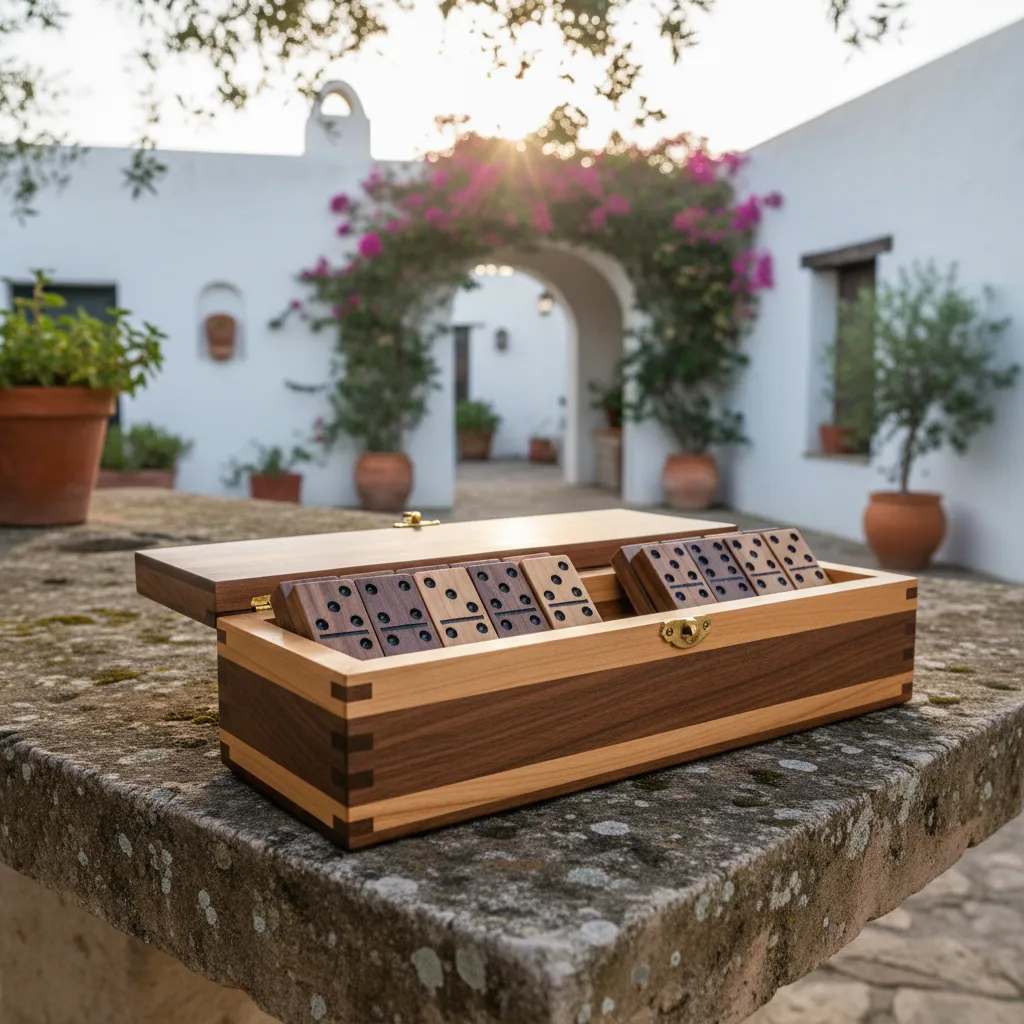 Coral Gables Domino Set Gift Browsing Walk: Wood Sets
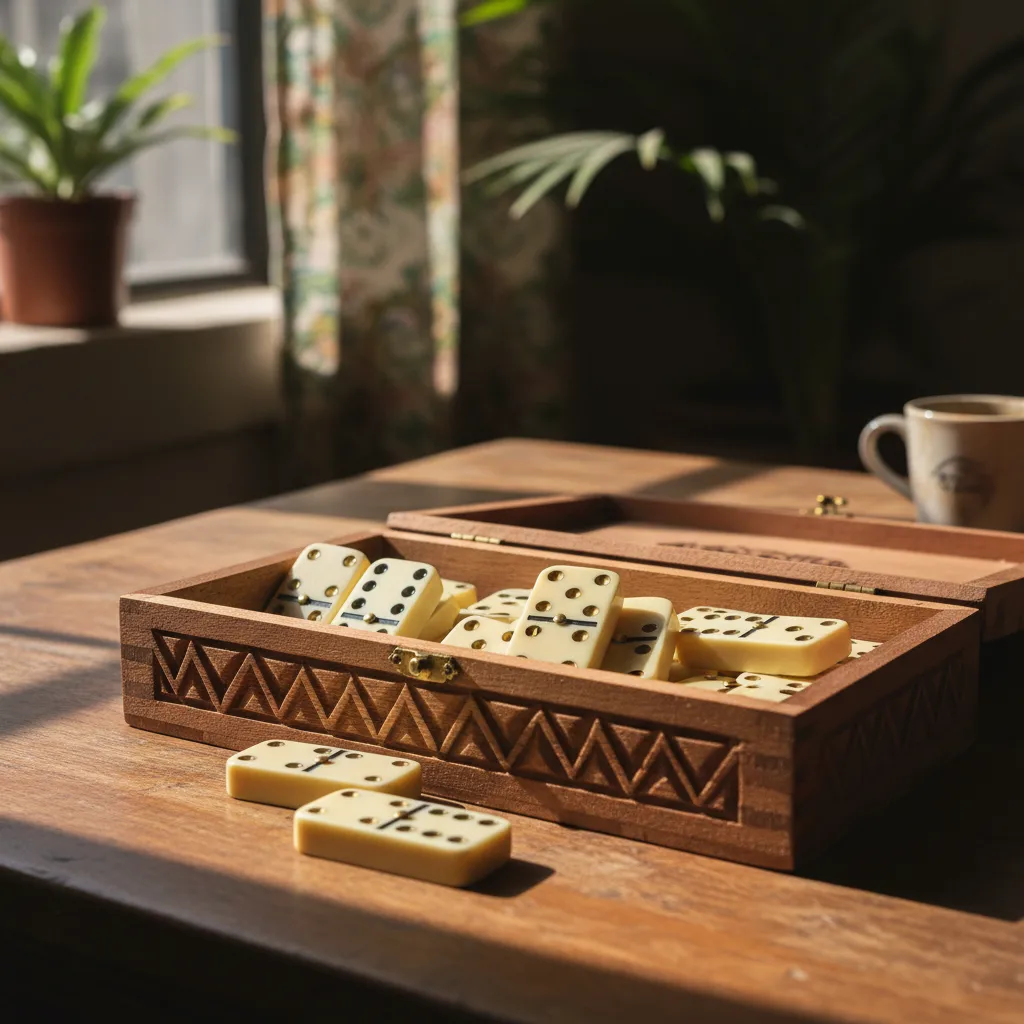 Little Havana Domino Set Gift Browsing Walk: Clay Tiles