 Wynwood Domino Set Gift Browsing Walk: Acrylic Designs
Hidden Gems & Odd Finds
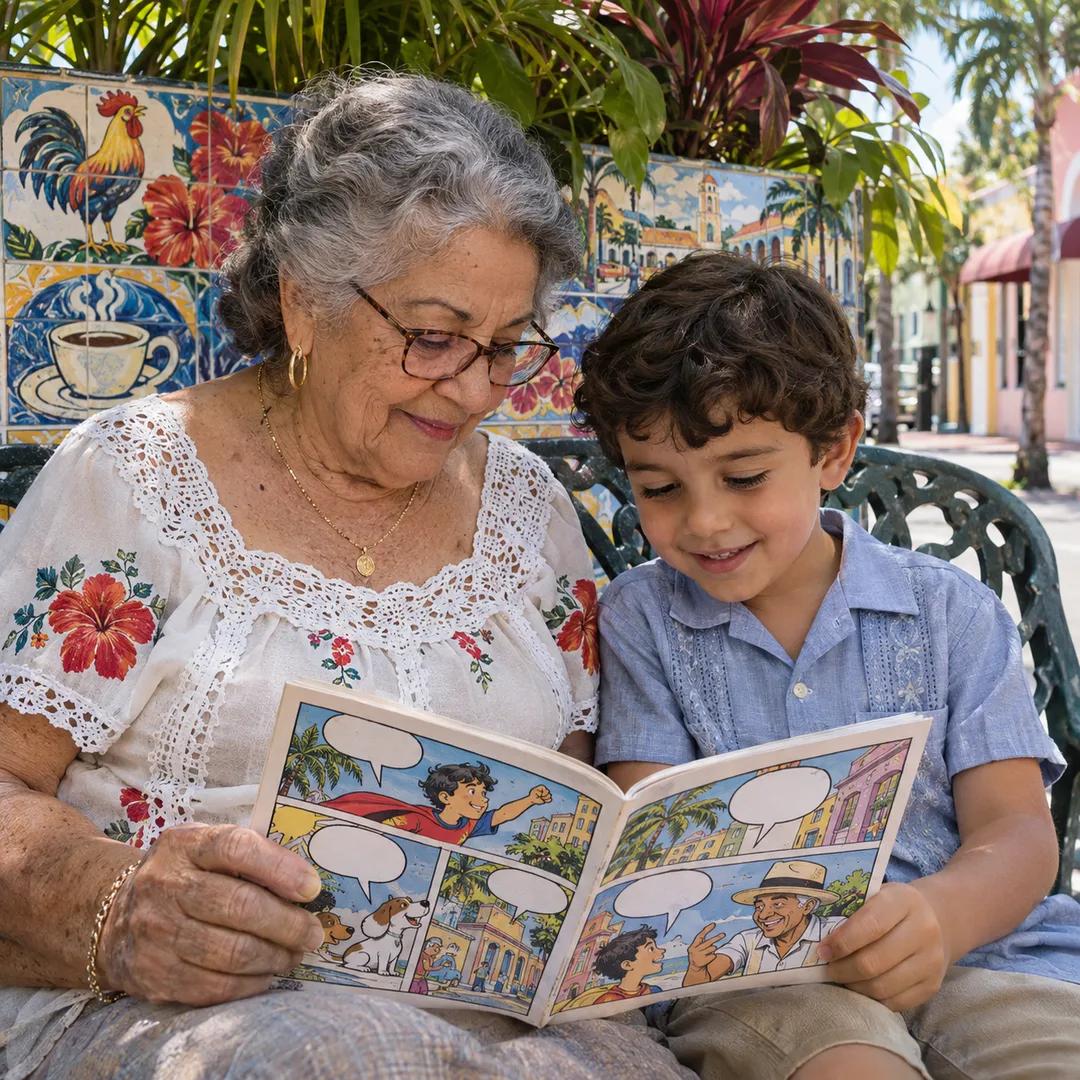
Little Havana Comic Shop Crawl Planner: Spanish Comics Day
Plan a Little Havana comic shop crawl for a bilingual family: hunt Spanish-language comics and classic strips, read with grandparents, then stroll Calle Ocho.
Little Havana is a neighborhood where two languages share every sidewalk. Along Calle Ocho, older men slap down dominoes in the park, cafecito windows serve tiny cups to people on their way to work, and families switch between Spanish and English mid-sentence. This comic shop crawl planner is built for a bilingual family day, with a route for finding comics in Spanish, introducing kids to the classic strips their grandparents grew up with and turning a few hours of browsing into a shared reading habit that crosses generations.
Why Comics Work for Bilingual Kids
Children who hear Spanish at home but read mostly in English at school often find Spanish books hard going. Comics close that gap. The pictures carry the meaning when a word is unfamiliar, and short speech balloons are far less intimidating than a page of dense text. A child who would never pick up a Spanish novel will happily read a funny strip about a cat or a kid in trouble.
Comics also give families a way to read together without anyone feeling like a teacher. A grandparent can read the Spanish balloons aloud while a child follows the pictures and guesses the jokes. Before long, the child starts reading the balloons alone. Teachers who work with heritage speakers often recommend comics for exactly this reason.
Talk to the Grandparents First
Before the crawl, ask the older members of the family what they read as children. Many people who grew up in Cuba, Argentina, Mexico, Spain or elsewhere in Latin America have fond memories of newspaper strips and weekly magazines. Names like Mafalda, Condorito or Mortadelo y Filemón tend to bring out smiles and stories, and those stories make the shopping trip more personal.
Write down the titles and characters they mention. Some classics have been collected in new editions, and staff at a comic shop or bookstore may be able to find them or order them. Even if a particular book is hard to track down, the conversation itself gives kids a window into their family's childhood.
What to Look For on the Shelves
Most comic shops keep translated and Spanish-language titles together on one shelf or in a small section near manga and children's books. Ask the staff where they keep comics in Spanish. In a city like Miami, many shops and bookstores carry a few, and some can order more from Spanish and Latin American publishers.
Look for a mix. Classic humor strips are great for reading aloud. Translated superhero and adventure comics are useful for kids who already know the characters in English, because they can compare the two versions. Graphic novels by Latin American authors about family, migration or growing up offer deeper reading for teenagers and adults.
Match the Book to the Reader
For young children, choose comics with big panels, few words per balloon and lots of visual humor. Kids under eight do well with simple gag strips where each page is its own joke. For older kids, look for longer adventure stories with a clear plot. Teenagers may prefer manga in Spanish or graphic novels that feel grown up.
Let each child pick one book on their own, even if it is not the one you would choose. Ownership matters more than perfection. If a child loves a comic about a soccer team or a dragon, that excitement will carry them through the Spanish far better than a classic they feel forced to read.
A Pastry and Cafecito Break
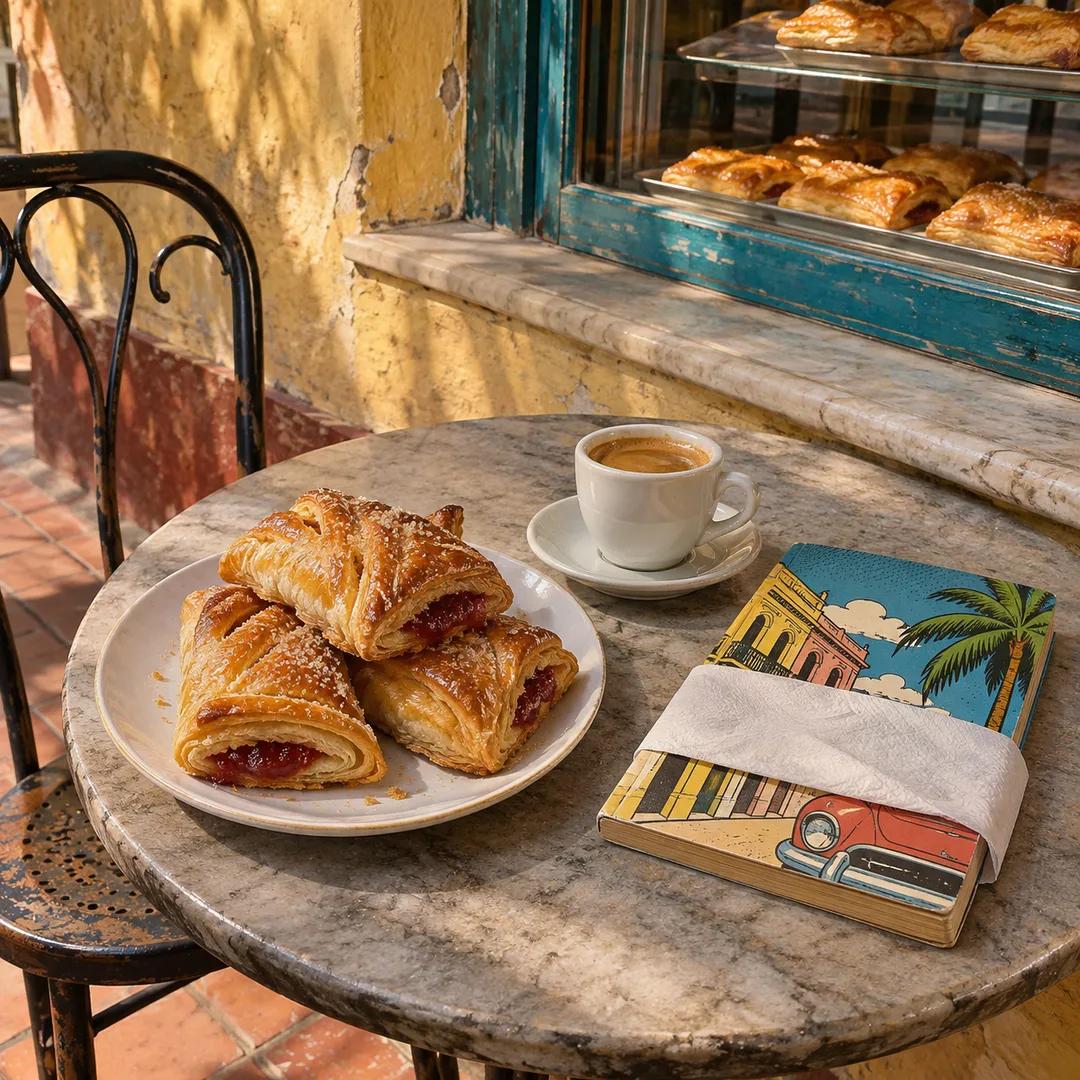
Midway through the crawl, stop at a Cuban bakery or a ventanita for a break. Order pastelitos, croquetas or a slice of something sweet for the kids, and a cafecito for the adults. Sit down somewhere shaded and let each child show the family what they picked. This is the best time for a first read together.
Keep napkins handy and the new books in a bag until hands are clean. Flaky guava pastries and comic pages do not mix well. While everyone eats, ask the grandparents to read a page aloud in Spanish and have the kids act out the voices. A little silliness makes the language feel like play rather than homework.
Dominoes, Murals and the Walk of Fame
After the break, walk along Calle Ocho. Stop by the domino park to watch the games for a while, since the quick slap of tiles and the friendly arguments are part of the neighborhood's soul. Point out the stars set into the sidewalk honoring Latin entertainers, and ask grandparents which names they remember.
Murals along the side streets show roosters, musicians and famous faces in bright colors. Ask kids to find characters in the murals that remind them of their new comics. That game keeps them engaged during the walk and links the story on the page to the place around them.
Turning One Trip Into a Reading Habit
The real goal is to make Spanish reading a regular part of family life. Set a weekly comic night where everyone reads for a short while, then trades books. Keep the new comics in a basket in the living room rather than on a high shelf, so kids can grab them anytime.
Ask children to draw their own short comic in Spanish about something that happened during the crawl, such as watching the domino players or eating their first pastelito. Making a comic helps them use the words they read, and the pages make a lovely keepsake for grandparents.
When English and Spanish Editions Sit Side by Side
If a shop carries the same story in both languages, buy both for an older child and read them in parallel. Kids love catching the places where a joke changes in translation or a name sounds different. A character called one thing in English may have a whole new nickname in Spanish, and spotting those swaps turns translation into a puzzle game.
Keep a small notebook where children write down new words they meet in the balloons, with a quick doodle beside each one. After a few weeks, that list becomes a homemade picture dictionary they are proud of, built entirely from stories they chose.
Tips for a Smooth Family Crawl
Keep the outing to a morning or an early afternoon, before the heat and little legs wear out. Bring water, sun hats and a tote bag for the books. Mornings are calmer on the main street, and the shade from shop awnings and trees makes walking easier.
Plan for one comic stop and one bookstore or children's section rather than trying to see too much. Families with strollers should stick to the wider sidewalks on the main avenue. If anyone gets tired, the café break can stretch a little longer while the readers keep going.
Plan Your Family Outing With Karpo
Use the Karpo APP to find comic shops, bookstores and family-friendly cafés near Little Havana. Tell Karpo the ages of your kids and that you want comics in Spanish, and it can help you shape a route that fits your family's day.
Ask Karpo for more information.
Keep reading
- Wynwood Domino Set Gift Browsing Walk: Acrylic Designs
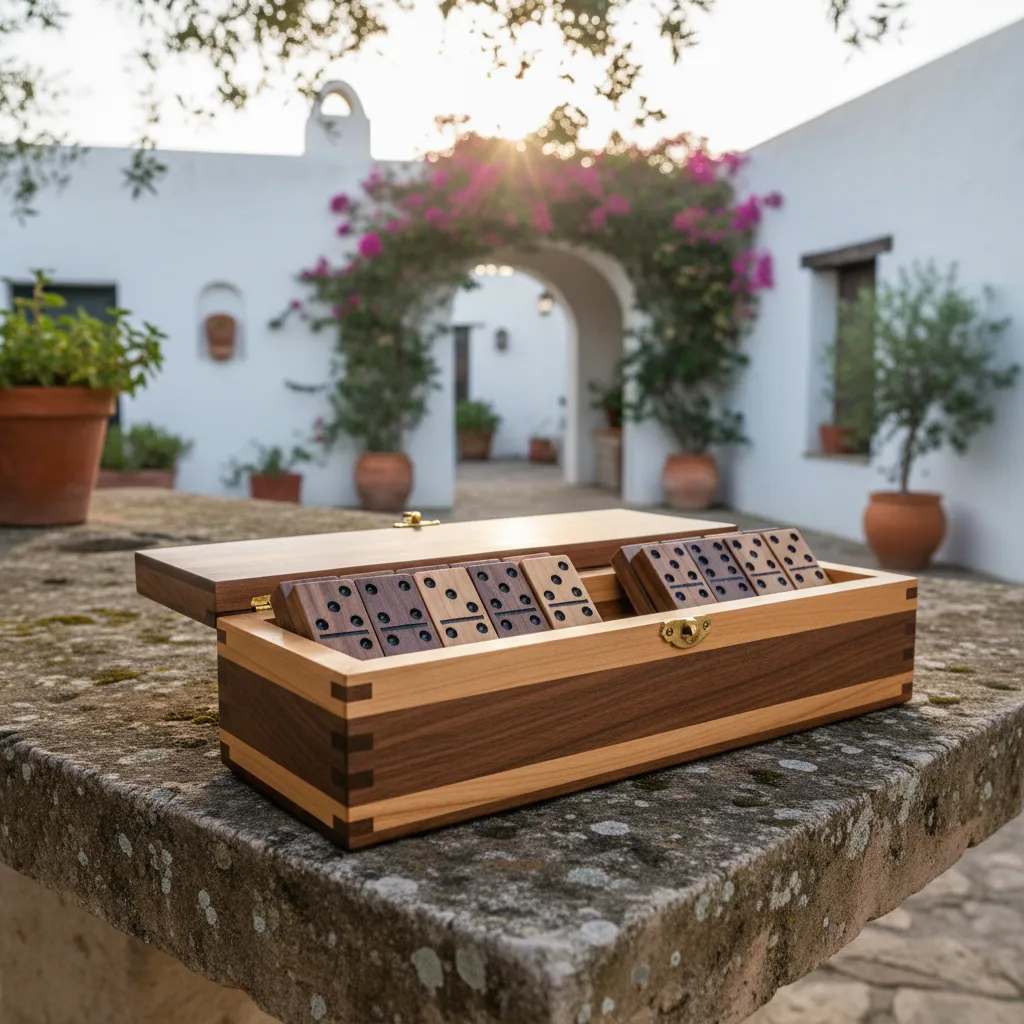 Coral Gables Domino Set Gift Browsing Walk: Wood Sets
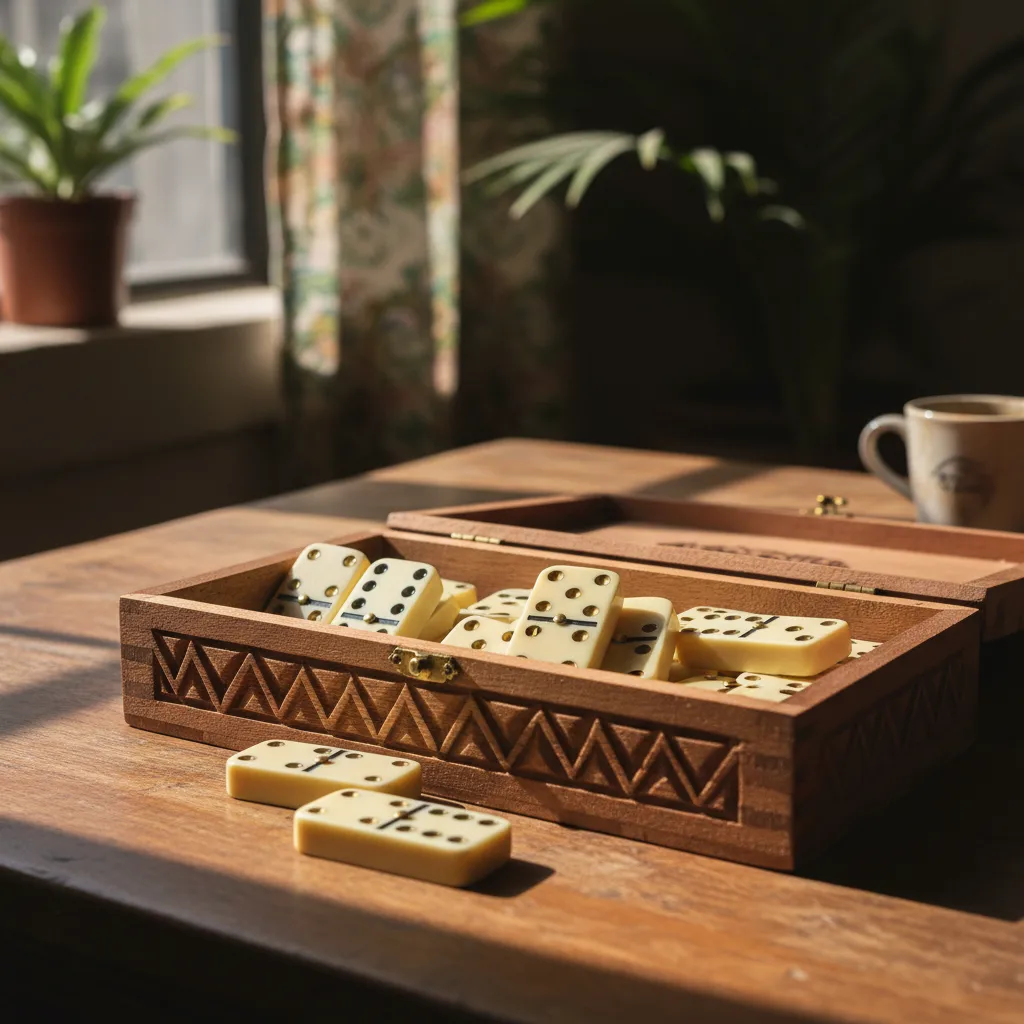 Little Havana Domino Set Gift Browsing Walk: Clay Tiles