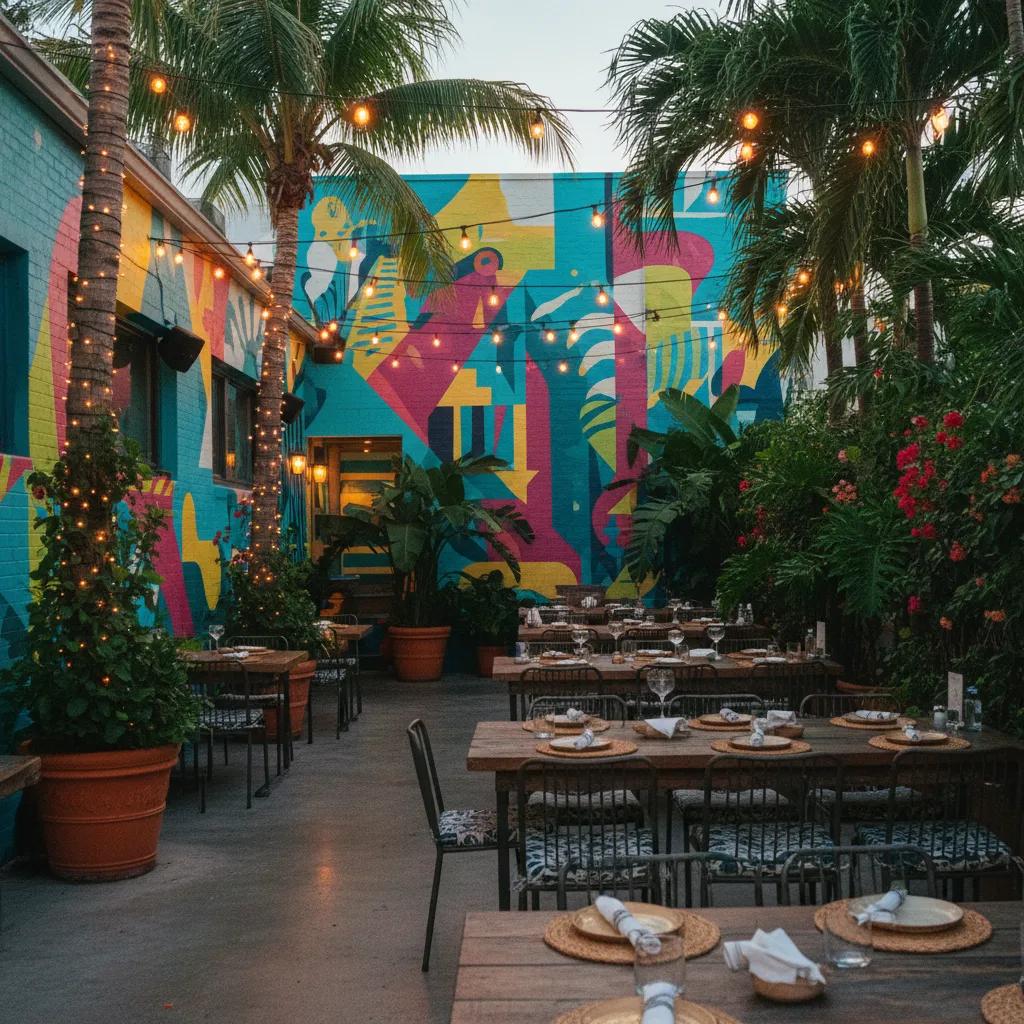
 Wynwood Mofongo Dinner Picker: Arts District Evening Plates
Restaurants
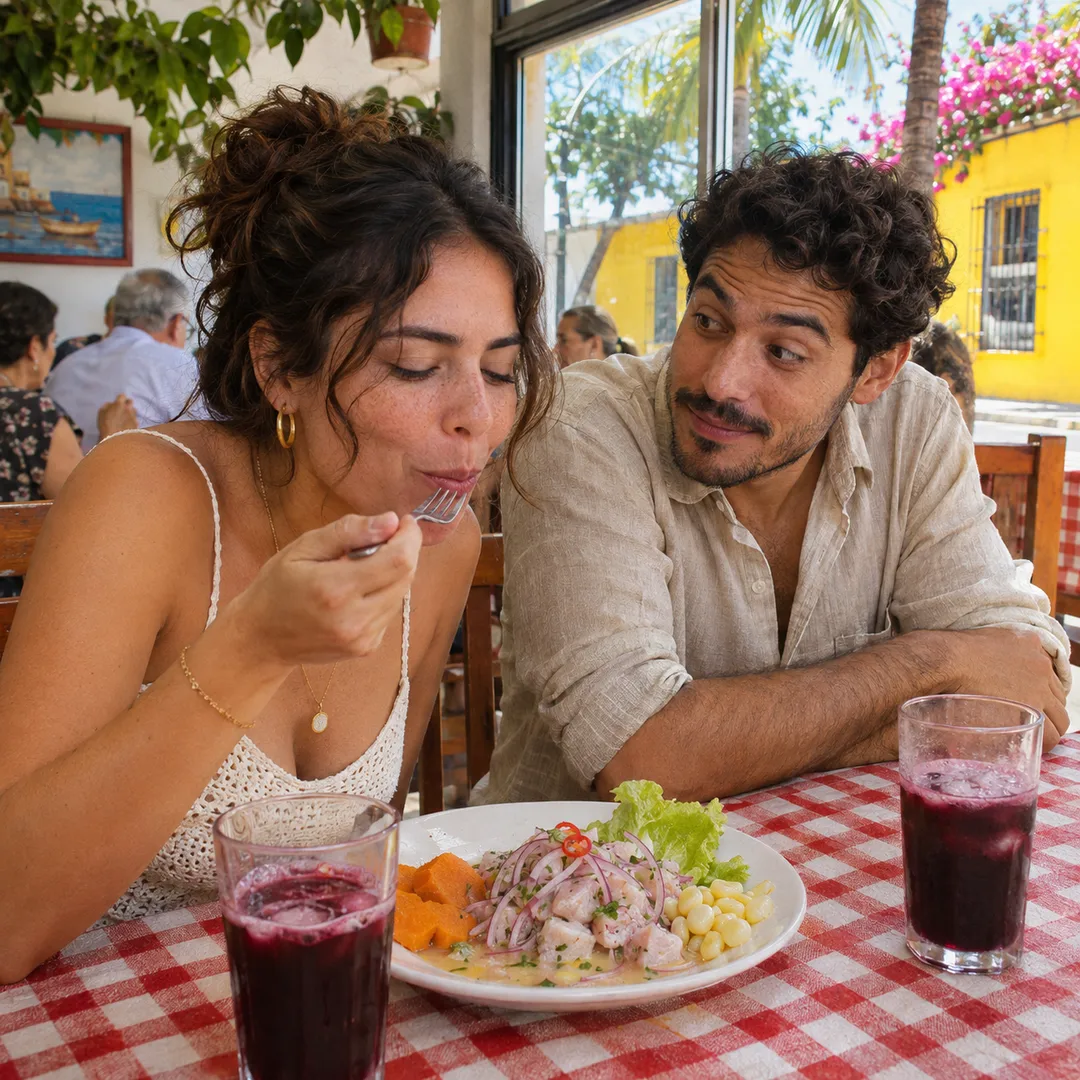
Little Havana Ceviche Lunch Spot Picker for a Lima Cousin
Hosting family from Peru? Use this Little Havana ceviche lunch spot picker to judge Miami ceviche on Calle Ocho, then walk to Domino Park for a cafecito.
Little Havana is where a Peruvian visitor puts Miami ceviche on trial. The neighbourhood is famous for Cuban coffee and cigars, yet along Calle Ocho and the side streets there are Peruvian, Nicaraguan, Honduran and Colombian kitchens that cook for families who came from every corner of Latin America. This ceviche lunch spot picker is built for one specific mission: feeding a cousin from Lima who already knows exactly how ceviche should taste.
The Lima Test, Explained
In Lima, ceviche is a lunch dish, almost never eaten at dinner, because the fish should come from that morning's market. A visitor from Peru will notice everything: whether the lime is fresh-squeezed, whether the fish has been left in the juice too long, whether the onion is sliced thin and rinsed so it does not overpower the plate. They will ask for leche de tigre and judge the kitchen by its first sip.
So your job as host is to pick a place that respects the basics. Look for a short menu where ceviche sits near the top, a kitchen run by people who talk about their home region, and a dining room that fills with Peruvian families at midday. Those signals usually matter more than décor. A plastic tablecloth and a television showing a football match from Lima are not warning signs. In Little Havana they are often the opposite.
How Calle Ocho Became a Latin American Lunch Street
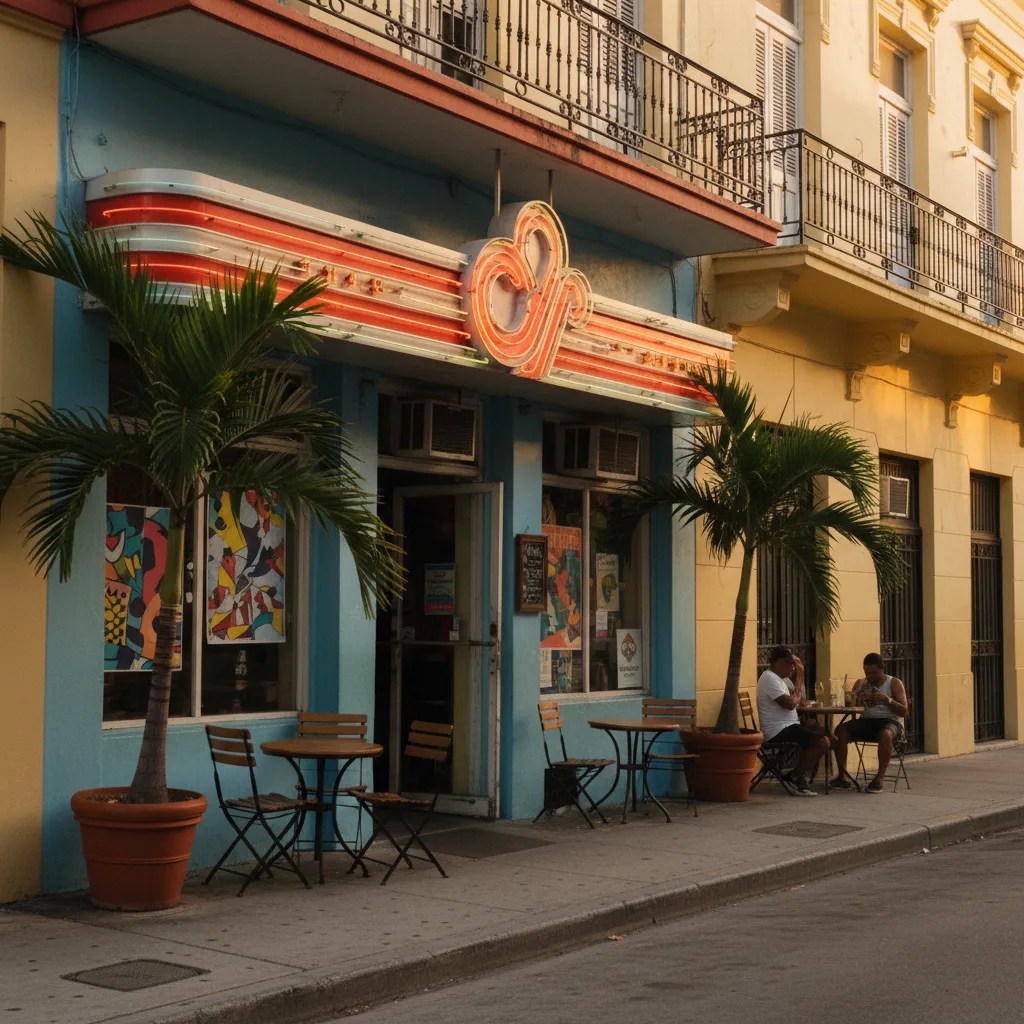
Little Havana took its name from the Cuban exiles who settled here from the early 1960s, and Calle Ocho, Southwest Eighth Street, became the main street of that community. Over the following decades, newcomers from Nicaragua, Honduras, Colombia, Venezuela and Peru moved into the same small houses and storefronts. The result is a neighbourhood where a Cuban bakery, a Nicaraguan fritanga and a Peruvian cevicheria can share a block.
For your cousin, that mix is part of the story. Point out the Calle Ocho Walk of Fame, the stars set into the sidewalk for Latin performers, and the roosters painted in bright colours along the street. Tell them how the neighbourhood still gathers for music and food every month. It frames lunch as part of a living immigrant city, not a tourist strip, which is exactly how Little Havana feels once you step a block away from the busiest corners.
Ordering to Impress a Peruvian Palate
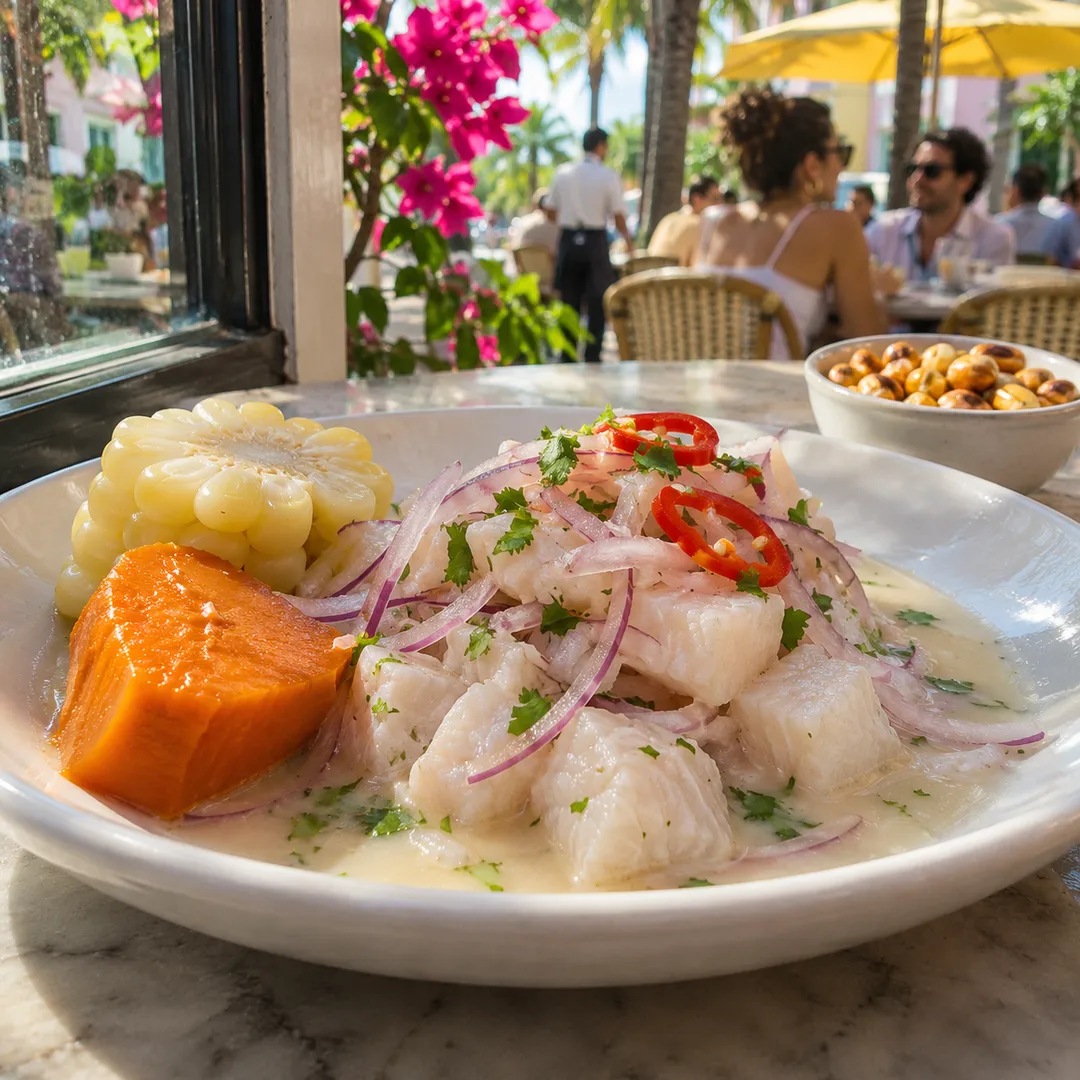
Start with the simplest plate on the menu: ceviche de pescado, fish only, no fusion toppings. This is the honest test, and a kitchen that gets it right will be proud of it. Ask whether the rocoto chili can be added on the side, so your cousin can set the heat themselves. Add a glass of leche de tigre to share. If it tastes of fish, lime, garlic and a little ginger, you are in good hands.
Then order one cooked dish to round out the table. Jalea, a heap of fried fish and seafood with salsa criolla, and arroz con mariscos both show whether the kitchen can do more than cure fish. Causa, layered cold potato with chili and a filling of chicken or crab, is another favourite. One honest note: skip the sushi-style rolls that some Latin spots add for variety. Your cousin did not fly to Miami for those.
Reading the Room Like a Regular
Little Havana lunch spots have their own rhythm. Many are family businesses where the owner takes orders and the grandmother is visible in the kitchen. Regulars greet staff by name, order in Spanish and often know what they want before sitting down. If your Spanish is shaky, a friendly attempt goes a long way. A server who hears your cousin's Lima accent may well come over to chat about which district they are from.
Expect the dining room to be loud at peak lunch, with construction crews, office workers from downtown and families with children sharing tables. Portions tend to be generous, so two people can often share a ceviche and a cooked main. Pace yourselves. The point of this lunch is the conversation, and a Peruvian visitor will usually have a lot to say about how Miami's version compares with home.
When to Go and What to Do If It Is Full
In keeping with Lima custom, aim for lunch rather than dinner. Weekday middays are usually calmer than weekends, when tour groups walk Calle Ocho and families come out after church. A slightly early lunch also means the fish has had the least time sitting in the kitchen, which your cousin will appreciate.
If your first choice is packed and the wait looks long, do not stand on the hot sidewalk for half an hour. Little Havana has several Peruvian and Central American kitchens within a short walk, and a second spot can be just as good for the test. On a rainy afternoon, choose somewhere with indoor seating rather than a window counter. Keep one backup in mind before you leave home, so the change of plan takes a minute rather than an argument.
After Lunch: Dominoes, Cafecito and the Ceiba Tree
Walk off the lime along Calle Ocho to Máximo Gómez Park, better known as Domino Park, where older men, mostly Cuban, play dominoes and argue at shaded tables. Visitors are welcome to watch quietly from the edge. It is one of the most loved scenes in Miami, and a visitor from Lima will recognise the same mix of competition and friendship found in parks back home.
Nearby, the Tower Theater's tall sign marks one of the city's oldest cinemas, and the Cuban Memorial Boulevard runs along a stretch of Southwest Thirteenth Avenue with monuments and a great ceiba tree that local people treat with near-sacred respect. Finish with a cafecito from a walk-up window, a tiny cup of sweet, strong Cuban espresso. It is a perfect counterpoint to ceviche and the start of a good argument about coffee.
Mixing Peruvian and Cuban on One Afternoon
Your cousin may want to compare more than one cuisine, and Little Havana makes that easy. After ceviche, share a pastelito of guava and cheese from a Cuban bakery, then try a Nicaraguan tres leches if anyone still has room. Talk about how Peruvian, Cuban and Central American cooking all use lime, onion and chili, yet arrive at very different plates.
If the visit stretches into the evening, the neighbourhood's music spots come alive with salsa and son. Ceviche purists will tell you not to eat it at night, so keep the evening for something cooked. That rhythm, cold fish at midday and music after dark, is one of the nicer ways to show a visiting relative how Miami's Latin communities live side by side.
Picking Your Little Havana Lunch With Karpo
Before the visit, make a shortlist of two or three Peruvian or Latin seafood spots near Calle Ocho. The Karpo APP can help you search for ceviche lunch options in Little Havana, compare a few that suit a family table, and save them so you can decide on the walk from the car rather than standing on the sidewalk.
Then let your cousin deliver the verdict. Whether they declare the Miami version a worthy rival or insist nothing beats a cevicheria in Chorrillos, you will have shared a long lunch, a slow walk and a cafecito in one of the city's most characterful neighbourhoods. That is a good afternoon by any standard, and it gives you a reason to try somewhere new on their next visit.
Ask Karpo for more information.
Keep reading
- Wynwood Mofongo Dinner Picker: Arts District Evening Plates
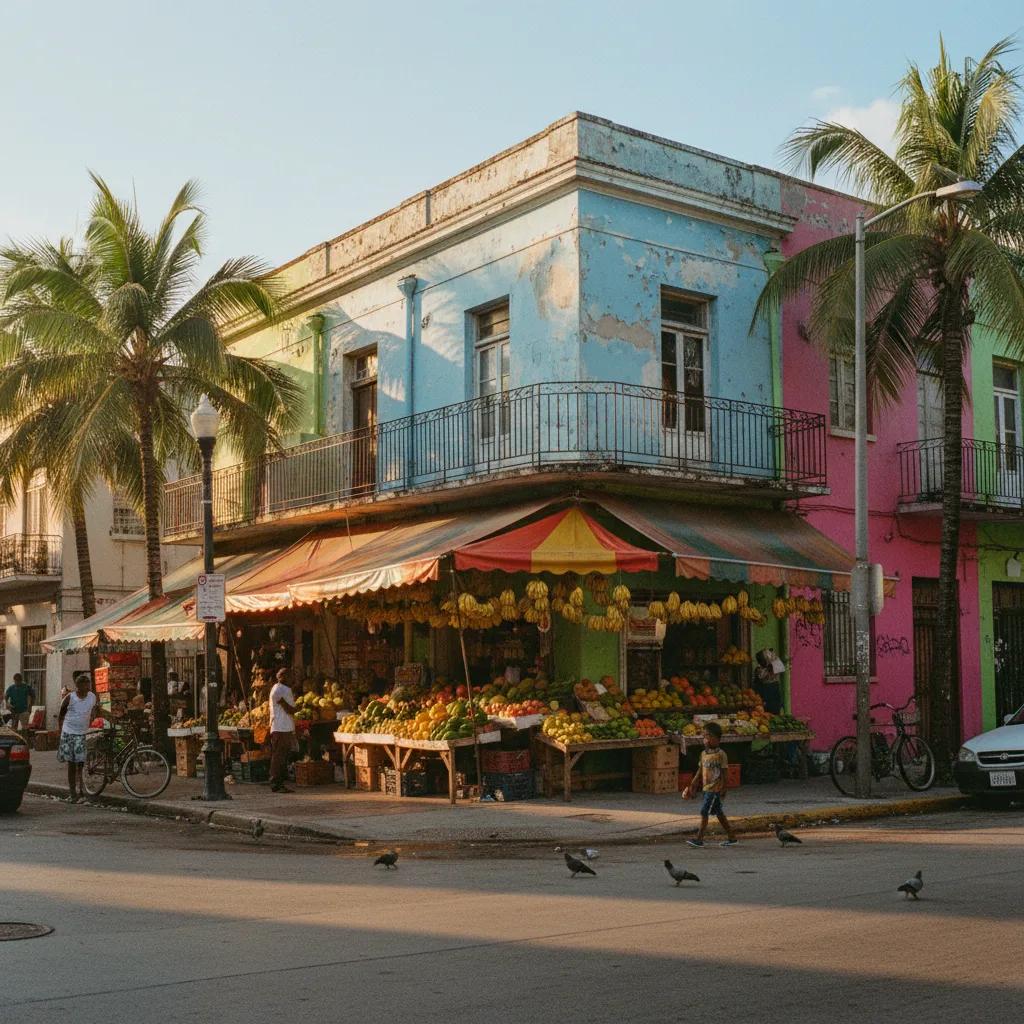 Allapattah Mofongo Dinner Picker: Dominican Heritage Plates
 Little Havana Mofongo Dinner Picker: Calle Ocho Sunset Bowls