 Wynwood Mofongo Dinner Picker: Arts District Evening Plates
Restaurants
Little Haiti Birria Crawl Planner for Curious Goat Lovers
Little Haiti is a good base for goat lovers: plan a birria crawl that sets goat consomé beside Haitian cabrit, with ordering tips and a walk past the murals.
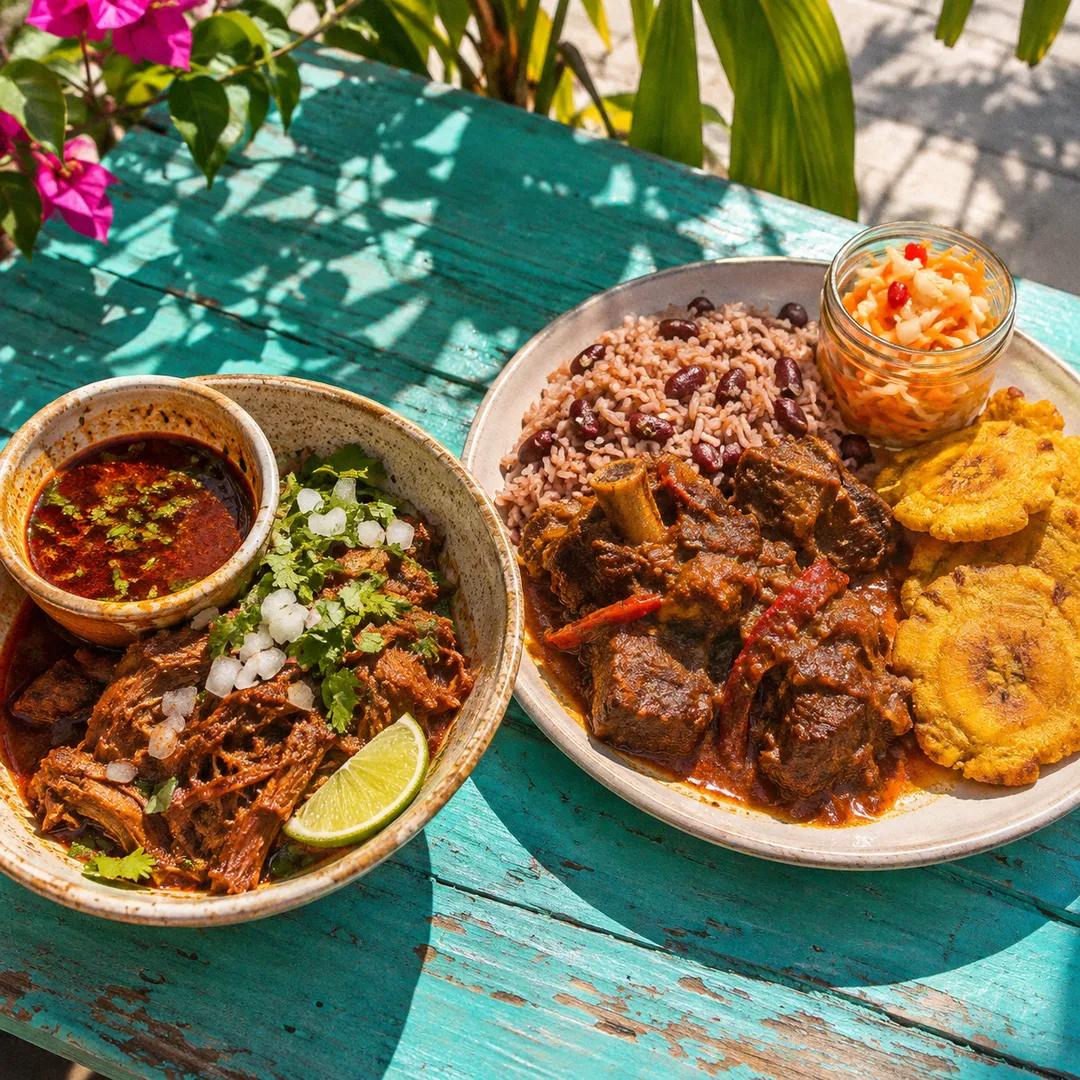
Little Haiti is one of Miami's most distinctive neighbourhoods, the heart of the city's Haitian community, with bright murals, botanicas, record shops, churches and kitchens serving griot, legim, diri ak pwa and slow-stewed goat. It is also close to the trucks and counters that make Miami's birria scene so lively. This birria crawl planner is for adventurous eaters who love goat and want to taste two very different traditions in one afternoon: the chili-red birria of Jalisco and the deeply seasoned cabrit of Haitian home cooking.
Two Goat Traditions, One Neighbourhood
Birria began in the Mexican state of Jalisco as a way to cook goat slowly, marinated in dried chilies and spices, until it fell apart into a rich broth. Beef versions became popular later, especially with the taco trend, but many cooks still prefer goat for its deeper flavor. Finding goat birria in Miami takes a little effort, which is exactly why a planned crawl helps.
Haitian cooking has its own proud goat dish. Cabrit is marinated in epis, a fragrant blend of herbs, peppers, garlic and citrus, then stewed until tender and served with rice, beans, plantains and a heap of pikliz, the fiery pickled cabbage that cuts through anything rich. Tasting the two side by side shows how different cultures turned the same animal into comfort food.
Building the Tasting Plan in the Karpo APP
Start with a clear request. Open the Karpo APP and describe the afternoon: two or three friends in Little Haiti, love goat, want one stop for goat birria and one for Haitian stewed goat, walking or a short drive, finish with a stroll past the murals. Karpo suggests nearby options and a sensible order, so you spend the afternoon eating rather than searching.
Add any limits that matter. If someone does not eat goat, ask for stops with beef or chicken too. If you plan to take leftovers home for family, mention that you want takeaway-friendly places. Save the plan and share it with the group, then adjust as you go if a kitchen has sold out of goat for the day, which happens with slow-cooked dishes.

Stop One: Goat Birria and a Cup of Consomé
Begin with birria, because it is the lighter of the two meals. Order a plate of goat tacos or a small bowl of goat birria with tortillas, plus one consomé to share. Taste the broth on its own first. Goat consomé tends to be leaner and a little earthier than beef, with the chilies and spices standing out more clearly.
Add onion, cilantro and lime, then try a taco dipped in the broth. Notice the texture of the meat, which should be tender but still hold together. Keep portions small, since the second stop is generous, and save room for rice and plantains. A stool by the window or a bench outside is perfect for this first, unhurried taste.
Stop Two: Haitian Cabrit With Pikliz
Walk or drive a few blocks to a Haitian kitchen. Many of the small restaurants and takeout counters in Little Haiti serve stewed goat on certain days, often alongside griot, fried fish and legim. Order a plate of cabrit with rice and beans, a side of fried plantains and plenty of pikliz. If the menu offers sos pwa, the smooth bean sauce, ask for it over the rice.
Compare the flavors with the birria you just ate. Where birria leans on dried chilies and warm spices, cabrit tastes bright and herby from the epis, with a citrus edge and the sharp crunch of pikliz on top. Both are slow, both are generous, and both are clearly made by people who care about tradition.
Ordering Respectfully in Small Family Kitchens
Many of the places on this crawl are family run, with a short menu and a steady crowd of regulars. Be patient, smile and ask questions if you are unsure what something is. Staff are usually happy to explain a dish to curious visitors, and a few words of Haitian Creole, like bonjou or mèsi, are always appreciated.
Order in a way that keeps the counter moving. Decide together before you reach the front, let one person order for the group and share plates. Take care with pikliz, which can be very hot. A small spoonful is plenty to start, and you can always go back for more. If you are visiting with someone who grew up eating cabrit, let them lead the order and tell the stories.
Taking Both Meals Home for the Family
Goat dishes reheat beautifully, which makes this crawl a good excuse to bring dinner home. Ask for consomé in a sealed container and the meat packed separately so the tortillas stay crisp. Haitian kitchens are used to takeout orders for big families, so a tray of cabrit with rice, plantains and an extra cup of pikliz travels well.
At home, warm the birria broth gently on the stove and toast fresh tortillas in a dry pan. Reheat the cabrit slowly with a splash of water so the sauce loosens. Set both on the table, invite whoever stayed home and let them pick a favourite. It turns a short afternoon outing into a shared meal, and it often starts a family argument that lasts until the next crawl.
Walking Off Lunch Among the Murals
After eating, take a slow walk through the neighbourhood. Little Haiti is full of colorful murals celebrating Haitian history, music and everyday life, many painted on the sides of shops and community buildings. The Little Haiti Cultural Complex hosts exhibitions, dance classes and performances, and the streets around it often have music drifting out of open doors.
Look out for record shops playing konpa, botanicas with candles and herbs in the window and bakeries selling Haitian patties. If the afternoon is warm, stop in the shade of a royal poinciana tree, which turns flame orange in early summer. It is a neighbourhood best experienced slowly, with a full stomach and open eyes.
Practical Notes for a Goat Tasting Afternoon
Go earlier in the day, since slow-cooked goat sometimes sells out. Carry a mix of cash and cards, as smaller kitchens may prefer cash. Wear comfortable shoes and a hat, drink water between stops and keep wet wipes handy for sticky fingers.
Respect the neighbourhood. Little Haiti is a residential community facing rising rents and rapid change, and the businesses here depend on regulars who return week after week. Spend locally, tip well and come back for another dish next time. Use the Karpo APP to sketch the route, then let the food, the music and the conversations decide where the afternoon takes you.
Ask Karpo for more information.
Keep reading
- Wynwood Mofongo Dinner Picker: Arts District Evening Plates
 Allapattah Mofongo Dinner Picker: Dominican Heritage Plates
 Little Havana Mofongo Dinner Picker: Calle Ocho Sunset Bowls