Miami doesn't do food trends the way other cities do. The best meals here are the ones that tap into what the city has always been—a collision of Caribbean trade winds, Latin American migration patterns, and tourists who expect seafood but leave talking about the ropa vieja. The restaurants that matter aren't chasing Michelin stars or Instagram drops. They're the ones locals argue about, the ones that show up in group texts when someone asks where to take visitors who think they know Miami but really only know South Beach hotels.
Karpo knows which Miami restaurant fits your exact craving tonight—whether you want stone crab in season, a walk-in table in Coconut Grove, or the cortadito stop that locals actually use.

Joe's Stone Crab
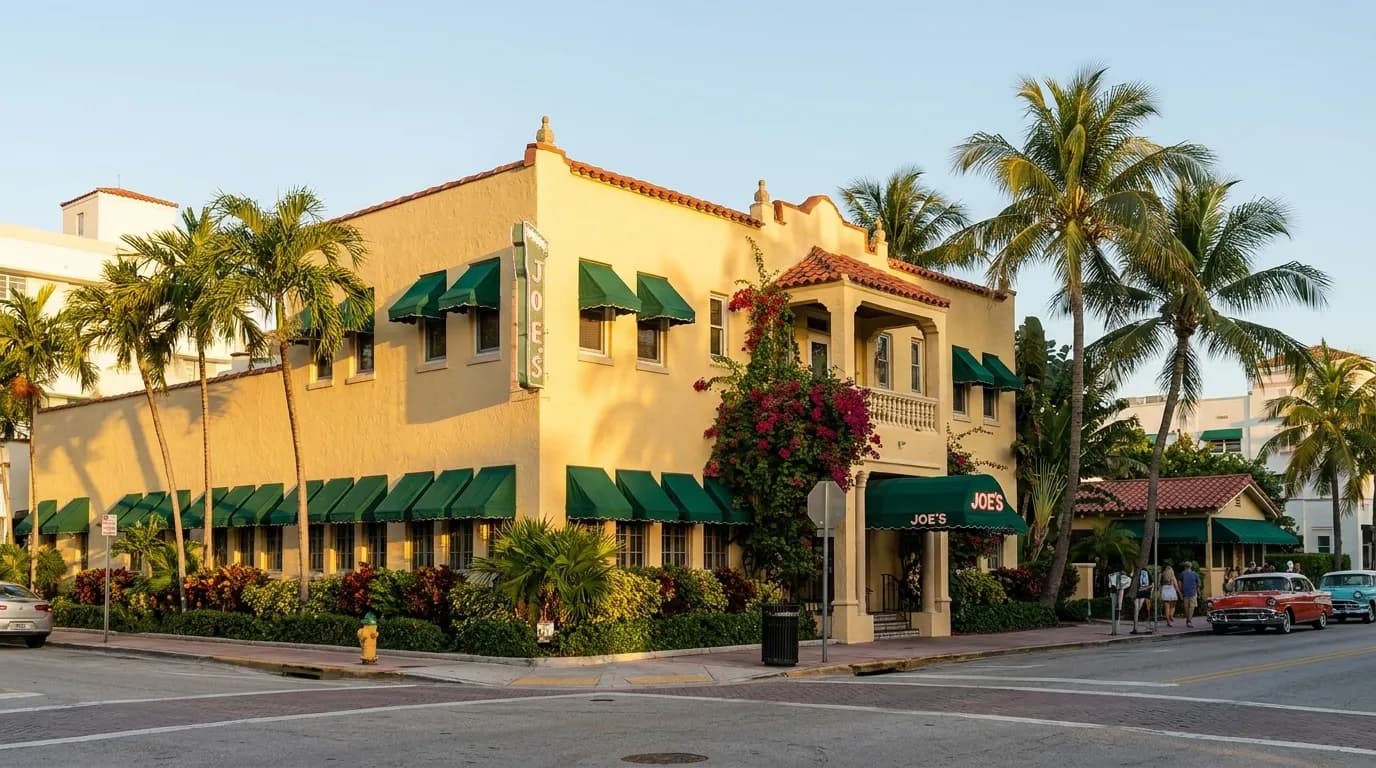
Joe's has been serving stone crab claws on South Beach since 1913, and it still doesn't take reservations. You show up, you wait—sometimes two hours in season—and you eat cold crab with mustard sauce at a table covered in brown butcher paper. The claws come graded by size; most people split a medium order and add the hash browns, which are shredded tight and fried dark. The dining room is massive, old-school Miami glitz with bow-tied waiters who've worked the floor for decades. Stone crab season runs mid-October through mid-May, and Joe's closes completely in summer. If you go off-peak on a weekday in November, the wait drops to thirty minutes.
The takeout line moves faster than the dining room, and locals know to order ahead by phone for pickup at the side entrance. Joe's ships nationwide, but the crab tastes different when you crack it ten blocks from the ocean. The key lime pie is famously tart, served frozen, and big enough to split three ways. Skip the fried chicken unless you grew up with it—it's fine, but you came here for crab.
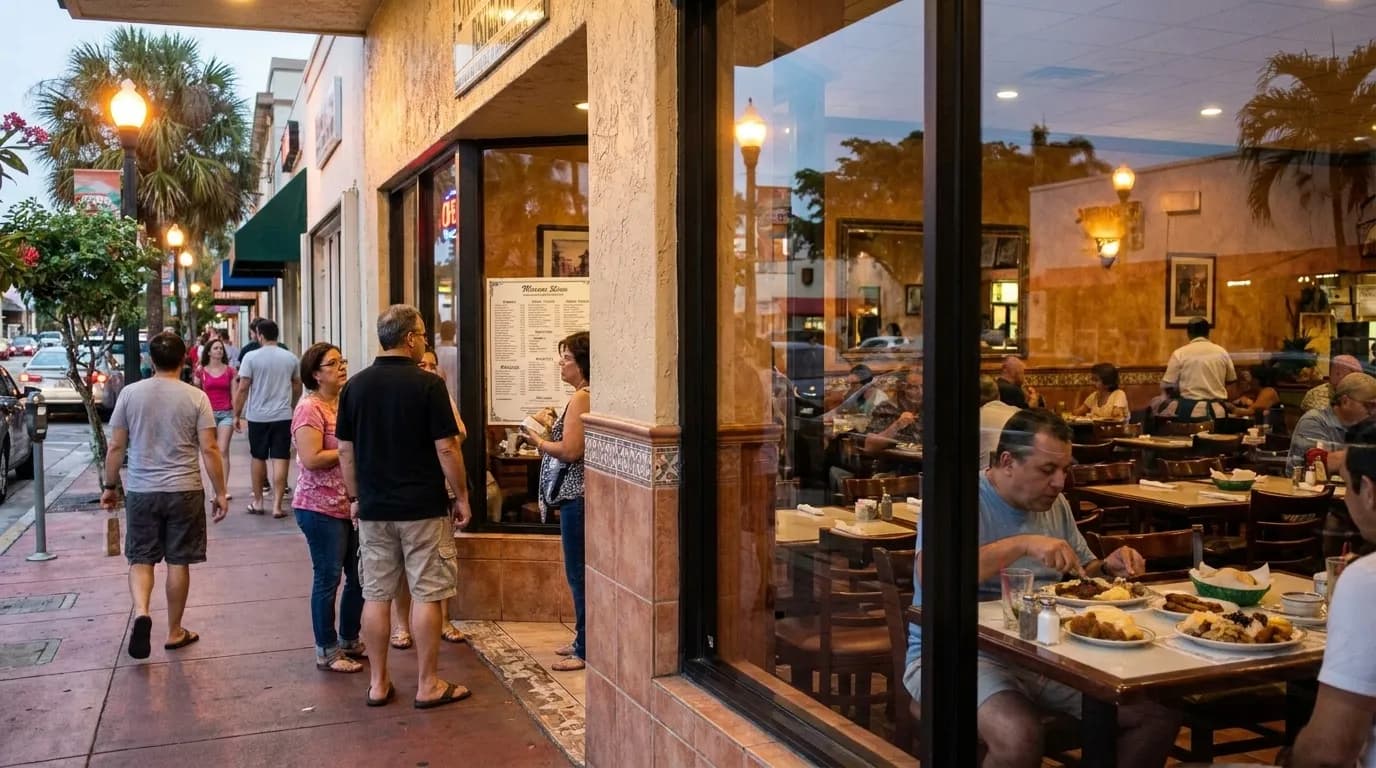
Boia De
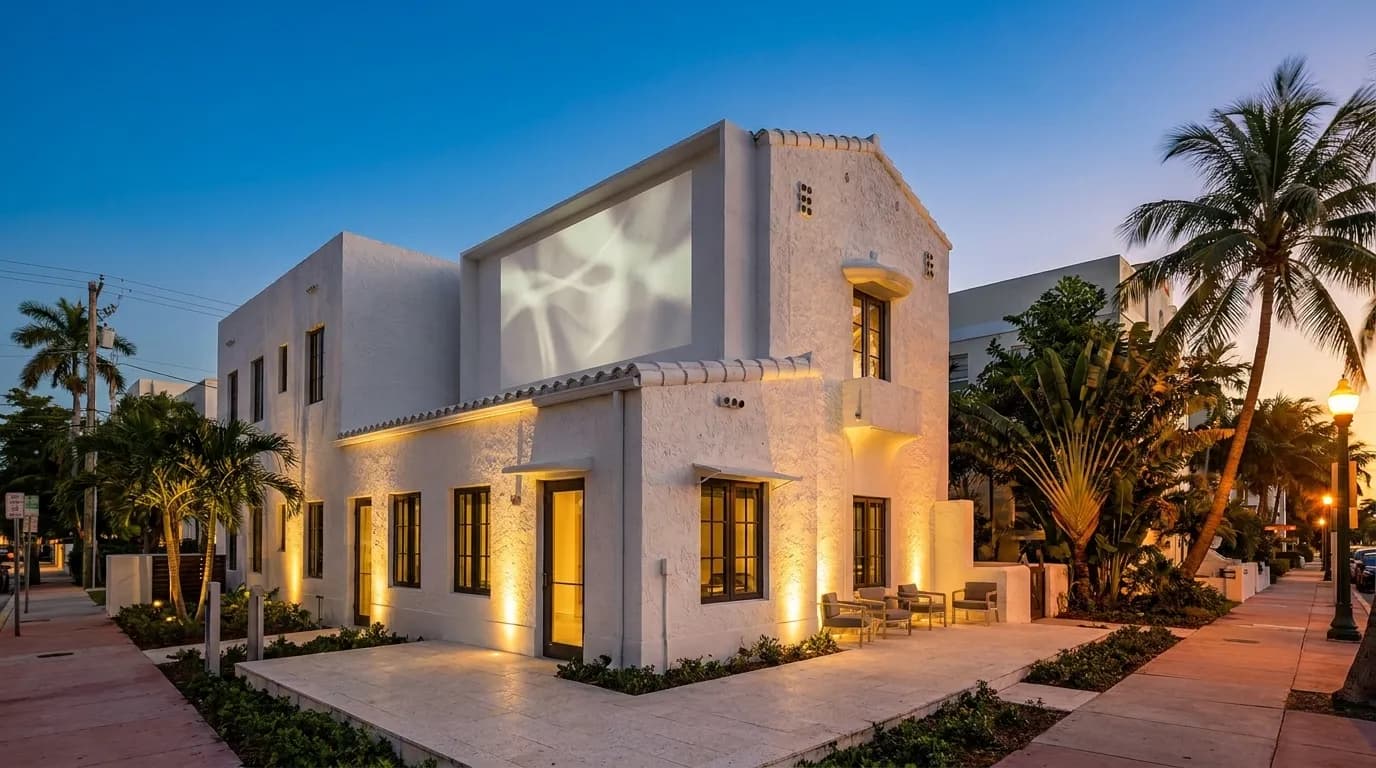
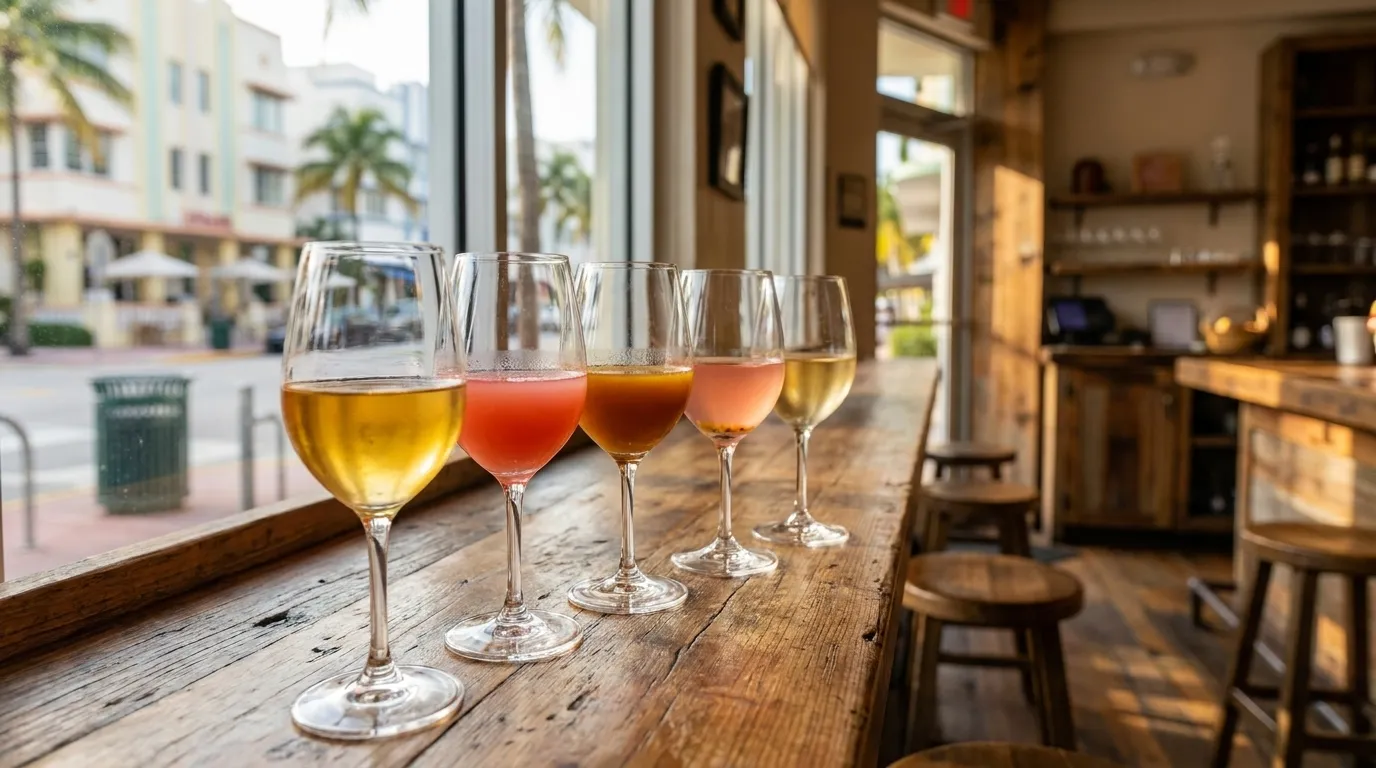
Boia De sits in a low-slung building on a residential stretch of Buena Vista, painted pink, with a handmade sign and a tiny patio. Inside it's loud, warm, and packed with people who booked a month ago. Chefs Luciana Giangrandi and Alex Meyer cook Italian food with a Miami attitude—fresh pasta made daily, whatever fish came in that morning, and a wine list that leans natural without being preachy about it. The menu changes constantly, but the agnolotti and the whole grilled fish are steady bets. Portions are sized to share, and most tables order three or four dishes for two people.
Reservations open on Resy exactly 30 days out at 10 a.m., and prime weekend slots disappear in minutes. Weeknight tables around 6 p.m. or 9 p.m. are easier. Walk-ins can sometimes snag a seat at the small bar if they show up right when the doors open. The vibe is neighborhood-casual but the cooking is sharp—this is the kind of place where regulars bring out-of-town chef friends. Start with whatever vegetable antipasto is on the board, and don't skip the house focaccia if it's available.
Ariete
Ariete anchors a quiet corner of Coconut Grove, a few blocks from the waterfront tourist stretch. Chef Michael Beltran runs a menu that pulls from his Cuban-American upbringing and his fine-dining background—think yuca gnocchi with oxtail, or snapper crudo with mojo. The room is compact, minimalist but not cold, with an open kitchen where you can watch the line work. Dinner here runs around two hours if you let it, with dishes arriving in waves and the staff timing everything so you're never rushed but never waiting too long.
The tasting menu is the move if you want the full picture, but the à la carte lets you control the pace and the price. Locals go for the grilled octopus and whatever whole fish is on special. Reservations are essential on weekends; weekday lunches are quieter and occasionally have walk-in space at the bar. The Grove is easy to reach by car, with street parking that fills up after 7 p.m. Arrive early and walk the neighborhood before dinner—it's one of the few parts of Miami where sidewalks and trees outnumber strip malls.
Versailles
Versailles is the Cuban restaurant every Miami conversation eventually circles back to. It sits on Calle Ocho in Little Havana, open from early morning until late night, with a dining room lined in mirrors and a ventanita window where you can grab a cortadito and a pastelito without going inside. The menu is long, familiar, and executed at the volume of a restaurant that's been feeding the neighborhood since 1971. Order the vaca frita—fried shredded beef that's crispy at the edges and rich in the middle—or the ropa vieja with black beans and white rice. The palomilla steak is thin, garlicky, and comes with plantains that are fried to order.
Versailles doesn't take reservations, but turnover is fast and the dining room is huge. Weekday lunches draw a mix of locals, political figures, and tourists who've been told this is non-negotiable Miami. The ventanita is the real locals' move—stand at the window, order in Spanish if you can, and drink your coffee standing on the sidewalk like everyone else. The bakery counter near the entrance sells guava pastries and croquetas by the dozen; regulars stock up on their way out.
Macchialina
Macchialina hides on a side street in Miami Beach, away from the Ocean Drive chaos, with a low-lit dining room and an Italian menu that sticks to the classics. Chef Michael Pirolo makes his own pasta, sources Florida seafood, and keeps the menu tight—maybe a dozen dishes that change with what's available but never stray too far from what people come here for. The rigatoni alla vodka is a constant; the crudo and the whole branzino are what you order when you want to taste what the kitchen does best. Plates are meant to share, though no one enforces it.
The restaurant feels like a neighborhood spot, even though it's on Miami Beach—regulars pack the tables, and the staff remembers faces. Reservations book up several days ahead for weekends; walk-ins have better luck on weeknights or if they come right at opening. The wine list is Italian-focused and fairly priced, with staff who'll talk you through regions without making it a lecture. If you're staying on South Beach and want something quieter than the Lincoln Road parade, this is the place.
Practical notes
Joe's Stone Crab operates only during stone crab season, mid-October through mid-May, and doesn't take reservations—plan for a wait or use takeout. Boia De and Ariete require advance reservations via Resy, especially on weekends; try for weeknight slots or early/late seatings if you're booking inside a week. Versailles is walk-in only, open daily with fast turnover; the ventanita window is fastest for coffee and pastries. Macchialina takes reservations but also holds a few walk-in tables. Most of these spots are best reached by car or rideshare; street parking in Coconut Grove and Buena Vista fills up by early evening. Tipping standard is 20 percent. If you're doing multiple dinners, space them out—these are not light meals.
Tags: #miamirestaurants #joesstonecrab #boiade #ariete #versailles #macchialina #miamidining #littlehavana #coconutgrove #miamibeach #cubanfood #italianmiami #stonecrabseason #miamifoodscene #localeats
All trademarks are the property of their respective owners.
Ask Karpo first
Karpo lives in your messages and knows Miami the way you'd want a friend to—what's open now, what's worth the drive to Buena Vista, which stone crab alternative works when Joe's line is out the door. It learns what you like and where you're willing to go, then gives you the one place that makes sense tonight, not a list of maybes. Ask about any of these spots, or just say you're hungry in Coconut Grove. Karpo already has a table in mind.