The Miami Design District is a luxury retail development with restaurants inside it. That is not a criticism, it is a description of the asset class — the ground-floor rent in that district is set by fashion houses, and a restaurant paying fashion-house rent has to charge accordingly. The cooking there can be genuinely good. It is simply being priced against a completely different business, and once you understand that you know exactly where to look for the same skill without the same overhead.
The good version is usually fifteen minutes inland. Ask Karpo for the nearest room in this bracket to where you are, and roughly what a full meal there actually runs.
Rent is the variable, not talent
Miami's kitchens are staffed by people who move between rooms constantly, so the skill in the county is not concentrated in the expensive districts. What is concentrated there is fixed cost. A room paying warehouse rent in Allapattah and a room paying retail-corridor rent in the Design District can be cooking at a comparable level and land forty per cent apart on the bill, and almost none of that gap is on the plate.
That gives you a usable heuristic. When you find a restaurant you like in an expensive district, ask where its chef worked before, and look at that neighbourhood. The answer is frequently a mile or two inland.
Allapattah: the warehouses that did not become boutiques
Allapattah runs north-west of downtown and has been a produce, warehouse and Dominican residential district for decades. The major private art collections that opened in converted warehouses there brought footfall without, so far, replacing the existing food economy — which is unusual and is the entire reason to go now. Dominican and Cuban lunch counters, sold by weight and portioned for people doing physical work, sit on the same blocks as serious contemporary art.
Lunch is the sitting. A great many of these kitchens are built around a midday trade and wind down early, so an 8pm plan is the wrong plan here.
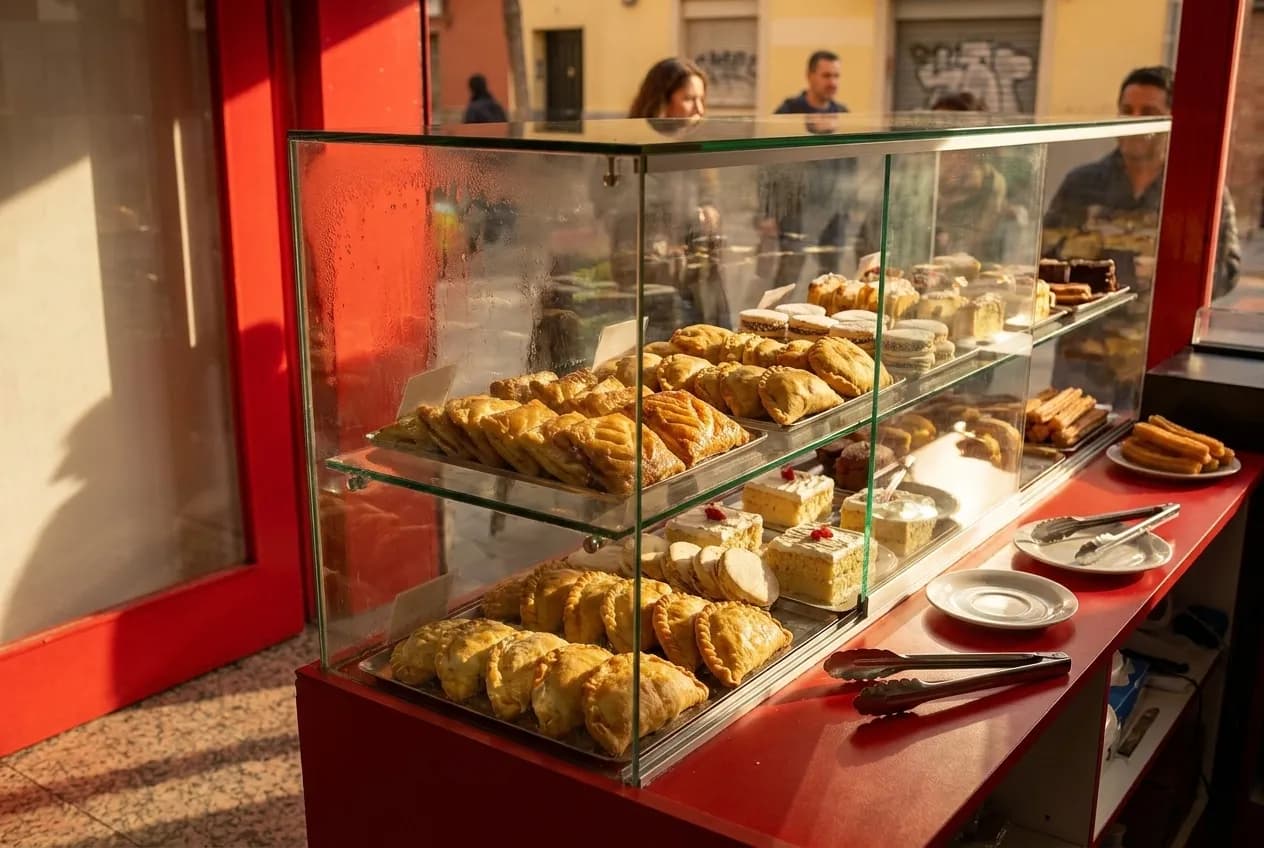
Little River and the northern edge
Little River sits north of the Design District along the corridor toward North Miami, and it is where a lot of the independent restaurant energy relocated as the districts south of it repriced. It is a mix of Haitian and Caribbean businesses that have been there for years and newer independent rooms that moved in for the rent, and the two have not fully merged, which makes for an unusually interesting few blocks.
It is also one of the few parts of Miami where you can find a Haitian kitchen doing griot and pikliz properly at a normal price. That cuisine is under-covered in Miami food writing relative to how present it is in the county, and Little River is the clearest place to correct that.
The Sweetwater and West Kendall belt
Go far enough west and Miami's food map changes character completely: strip malls, huge parking lots, and inside them, a very large concentration of Nicaraguan, Honduran, Venezuelan, Colombian and Peruvian restaurants serving the communities that live out there. There is no ambience budget being spent. The food is frequently excellent and the bills are what they were ten years ago in the rest of the county.
The mental adjustment required is the strip mall itself. Visitors read a strip-mall frontage as a downgrade signal; in West Kendall it is neutral, because that is simply how commercial property is built out there. Some of the best Nicaraguan fritanga and Peruvian cooking in South Florida is behind a plate-glass window between a phone shop and a laundromat.
Hialeah, which is not a suburb of anything
Hialeah is one of the largest cities in Florida in its own right, overwhelmingly Cuban, with a food culture that operates completely independently of Miami's tourist economy. Cafeterias, bakeries and steam-table counters here are calibrated to shift workers rather than diners, which means large portions, early hours, late hours, and prices that have not been adjusted for anybody's expense account.
Four signals that predict the bill before you sit
First, look at whether the menu is priced in whole dollars or has a lot of decimal precision — decimal precision usually indicates a menu that has been repriced recently and carefully. Second, check whether there is a printed service charge or an automatic gratuity on parties of two; automatic gratuity on small parties is a tourist-volume signal. Third, look at the drinks list, because the gap between food pricing and cocktail pricing is where the margin usually hides. Fourth, and most reliable, look at who is eating there at 1pm on a weekday — a room full of people who work nearby is the strongest possible signal, and it cannot be faked.
None of these require you to have heard of the place. That is the point. Miami rewards people who can read a room quickly, because the county turns over restaurants faster than any list can keep up with.
Tags: #BestRestaurantsNearMe #MiamiFood #Allapattah #LittleRiver #Hialeah #WestKendall #Sweetwater #HiddenGems #CheapEatsMiami #DesignDistrict #Miami #WhereLocalsEat #HaitianFood #CubanFood
All trademarks are the property of their respective owners.
Ask Karpo first
Want the good version of tonight's meal without the luxury-corridor bill? Ask Karpo which of these neighbourhoods is closest to you, what is open at the hour you want to eat, and what a full meal there realistically costs.