 Wynwood Domino Set Gift Browsing Walk: Acrylic Designs
Hidden Gems & Odd Finds
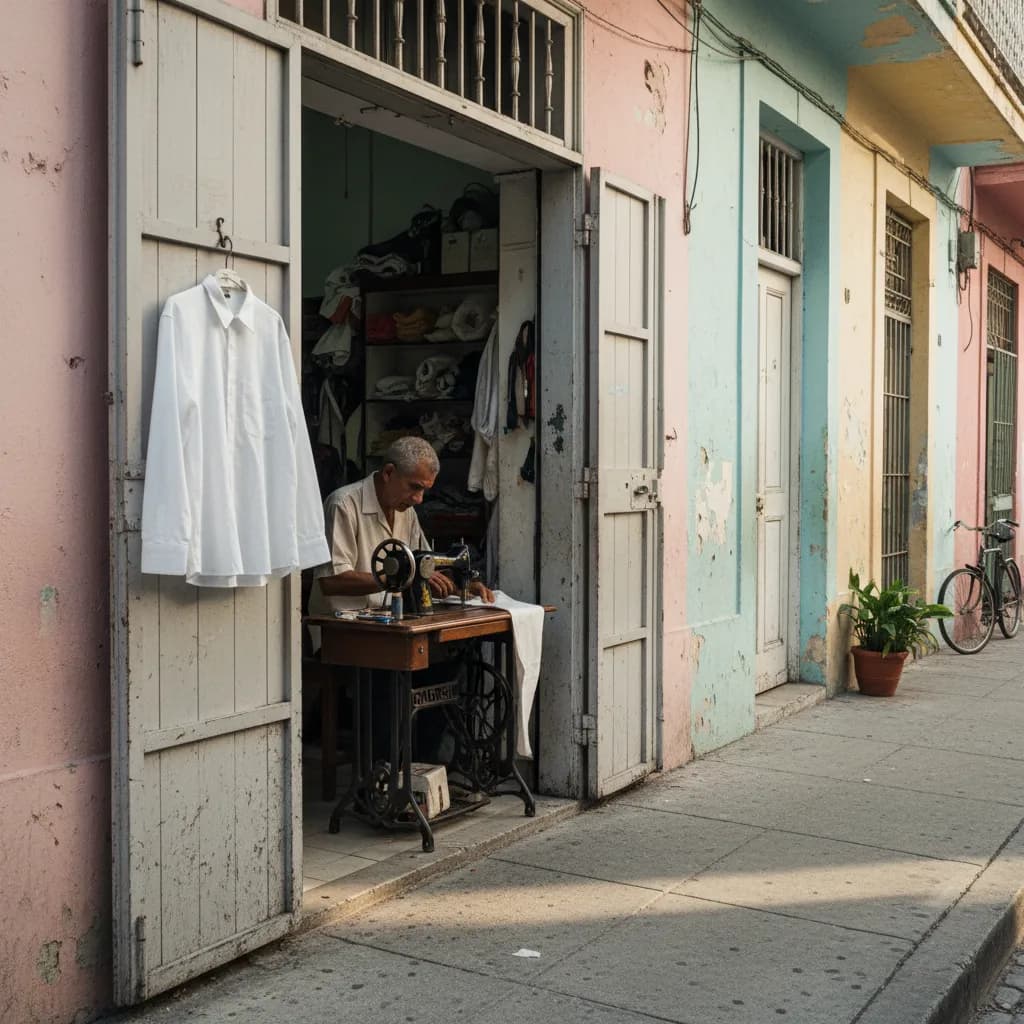
Little Havana Bespoke Tailoring House for Custom Guayaberas
Little Havana keeps the old tailoring house alive: custom guayaberas, patient alterations and cafecito at the counter. Weekdays give you the craftsman's time.
In Little Havana, tailoring is less about luxury and more about memory. Many of the people who brought the needle trades to Calle Ocho learned them from parents and grandparents, and the small workshops that remain carry that sense of inherited skill. You will not find marble floors or champagne at the door. You will find a sewing machine near the window, a radio playing softly, a stack of shirts waiting for collection and a craftsman who would rather talk about pleats than prices. For many locals, that is exactly what a bespoke tailoring house should feel like.
The Guayabera as a Local Signature
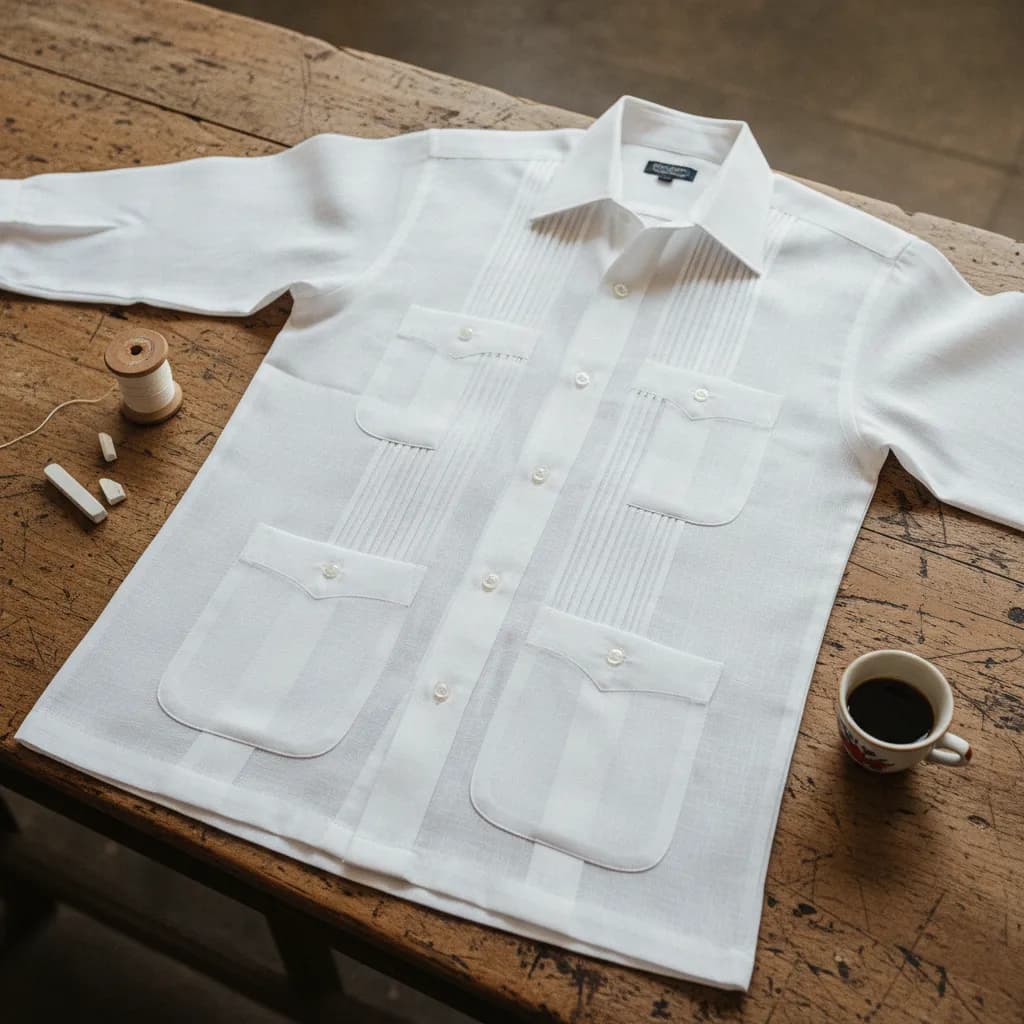
If one garment defines tailoring in this neighbourhood, it is the guayabera. The pleated shirt, with its vertical tucks and four front pockets, is worn untucked and was designed for heat long before anyone used the word breathable. In Little Havana you will see it at weddings, christenings, political events and Sunday lunches, in white linen for formal days and in soft pastel cottons for everything else.
A ready-made guayabera can be pleasant, but a custom one is another thing entirely. The tucks are sewn by hand or on a single-needle machine, the pockets line up exactly with the pleats, and the length is cut to fall at the right point on your hips. Ask the tailor about the number of pleats, the style of collar and whether you prefer short or long sleeves. Each choice changes the feel of the shirt, and a good maker will explain the tradition behind it.
How to Commission a Custom Guayabera
Start by bringing a shirt that already fits you well, even if it is not a guayabera, so the tailor can see your preferred chest and shoulder width. Choose the cloth next: pure linen is cool but creases, a linen-cotton blend creases less, and fine cotton batiste feels light against the skin. White and cream are classic for ceremonies, while pale blue, mint and sand are popular for daily wear.
Expect at least one fitting before the pleats and pockets are finished, because the placement of those details depends on your measurements. Some workshops can embroider initials inside the placket or add subtle embroidery along the pleats, a nice touch for a groom or a milestone birthday. A custom guayabera often becomes a family heirloom, passed from father to son or worn again at a grandchild's celebration.
Giving Old Favourites a Second Life
Little Havana's tailors are also masters of renewal. If you have a jacket from a parent, a suit that no longer fits after a change in weight, or trousers with a tired hem, these are the people to see. Many have spent decades taking garments apart and putting them back together, and they can often tell within minutes whether a piece is worth saving.
Ask what is realistic before you commit. Taking in a waist or shortening sleeves is routine, while changing shoulder width is far more complex and may not be worth it. A thoughtful tailor will give you an honest opinion, even if it means less work for them. Repair and re-cut work like this is one of the most sustainable ways to dress well, and it keeps beloved clothes in circulation instead of in the back of a closet.
Etiquette at a Neighbourhood Workshop
Small family workshops run on relationships. Greet the tailor when you arrive, take your time explaining what you want and expect a few questions about who the garment is for. Spanish is the working language in many shops, so a few words help, though most craftsmen are happy to switch to English or to sketch what they mean on a scrap of paper.
Be patient with schedules. A workshop with one or two people can only sew so many seams in a day, and weddings and holidays create rushes. Ask when the garment will be ready rather than demanding a date, and come back when they say. Bringing a cafecito from the window counter down the street is a friendly gesture that rarely goes unnoticed.
Building a Calle Ocho Morning Around a Fitting
A fitting in Little Havana pairs naturally with a slow morning on Calle Ocho. Start at one of the ventanitas, the walk-up coffee windows, for a sweet, strong shot of Cuban coffee. Then wander toward Máximo Gómez Park, known locally as Domino Park, where older men play games under the shade and conversation flows as freely as the clicking tiles.
After your appointment, the mural-painted walls and cigar shops along the strip make for an easy stroll. Weekday mornings are calmer than weekends, which means the tailor has more time to talk and the street feels like a neighbourhood rather than a tourist route. Festival evenings bring music and crowds to the strip, so on those days it pays to book your fitting early.
Karpo APP for Finding the Right Workshop
Because many Little Havana workshops are small and keep a low profile online, Karpo APP is helpful for narrowing the field. Describe what you need, whether that is a custom guayabera, a full bespoke suit or careful repair work, and ask Karpo for tailors in and around Calle Ocho that match. It can help you compare a few options and decide which one to visit first.
Karpo can also plan the rest of the outing, suggesting a coffee window to start the morning, a lunch counter afterwards or a quiet route to walk between stops. The appointment itself is something to arrange with the tailor in person or by phone, which suits the personal style of these workshops anyway.
Practical Notes for Little Havana Visits
Street parking along Calle Ocho and its side streets is metered and can be scarce near lunchtime, so arriving early helps. Many small workshops prefer cash or a simple payment method, so ask when you drop off the garment. Keep the ticket or receipt they give you, as busy shops may hold dozens of garments at once.
When you collect a linen guayabera, ask how the tailor recommends washing and pressing it. Most suggest gentle washing and a warm iron while the cloth is still slightly damp to keep the pleats sharp. Treat the shirt well and it will last for years, carrying a little of the neighbourhood's craft with it wherever you wear it.
Ask Karpo for more information.
Keep reading
- Wynwood Domino Set Gift Browsing Walk: Acrylic Designs
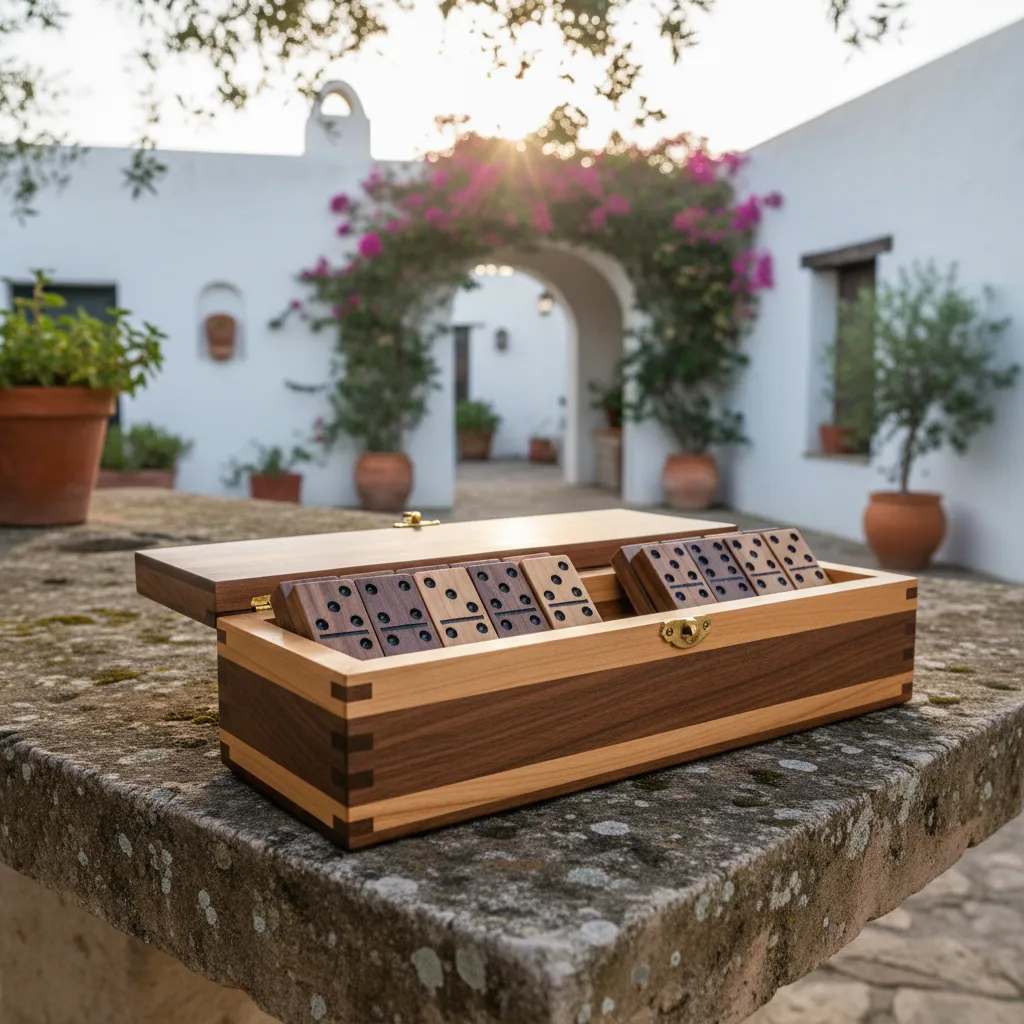 Coral Gables Domino Set Gift Browsing Walk: Wood Sets
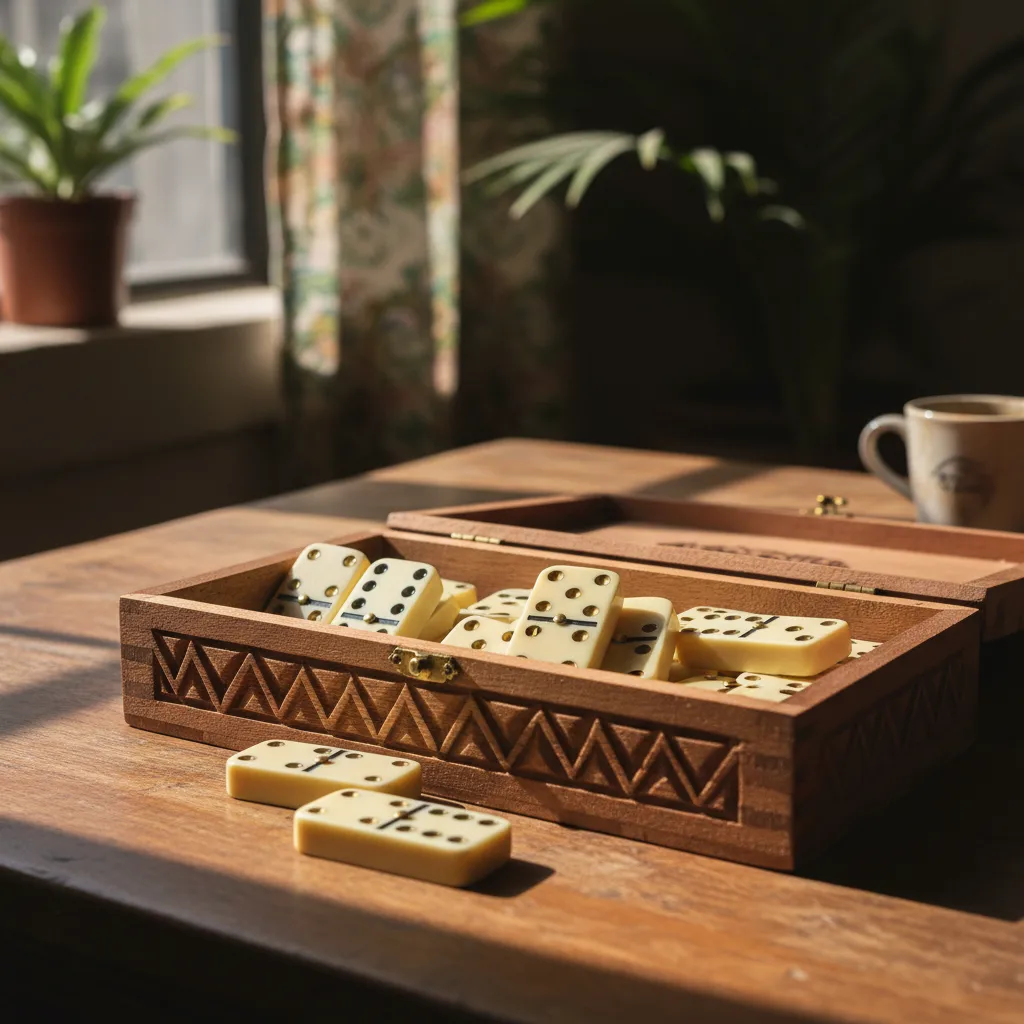 Little Havana Domino Set Gift Browsing Walk: Clay Tiles