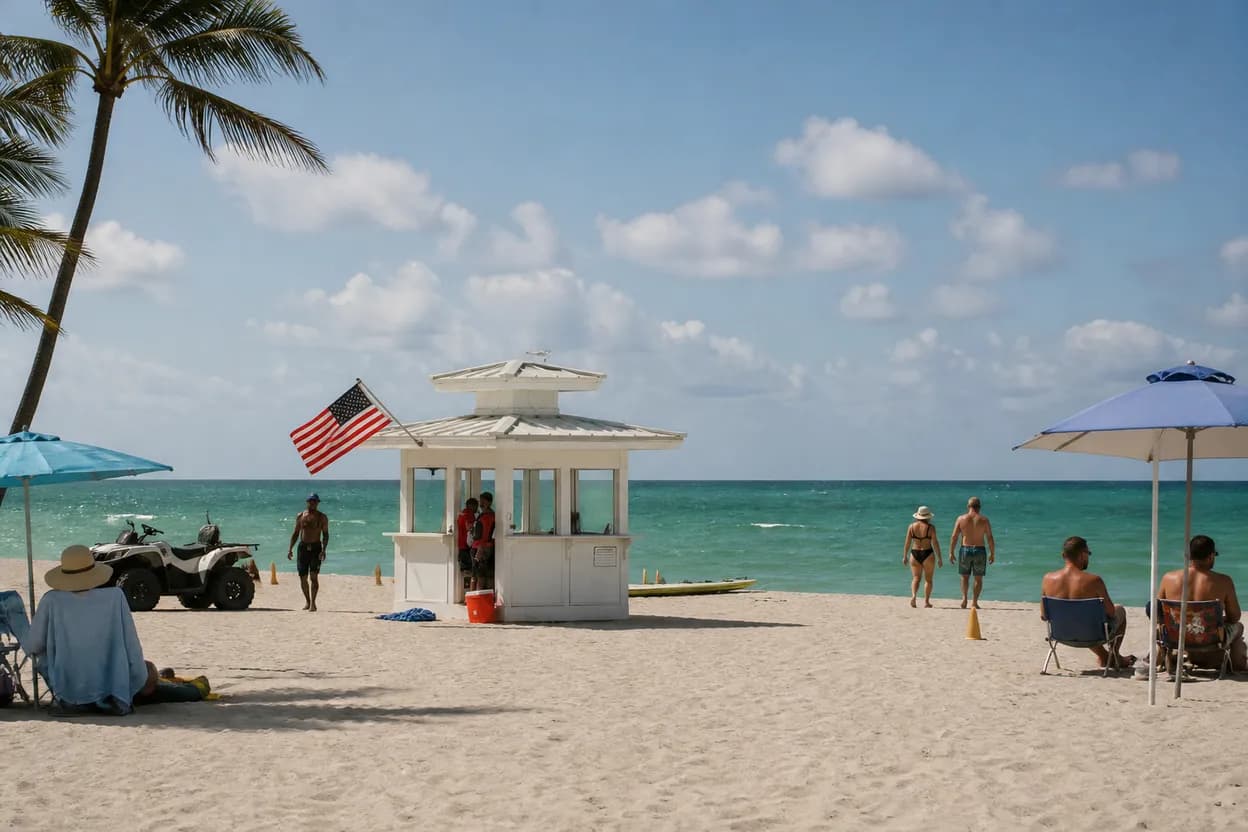
Miami families seeing headlines about the louisiana vibrio vulnificus outbreak do not need panic, but they do need a clear morning routine before beach time, fishing, or raw-bar plans. Vibrio vulnificus naturally lives in warm coastal and brackish water, and Florida reports county-level cases through the Department of Health. As of the Florida update opened for this guide, Miami-Dade had reported two 2026 cases and no deaths, while statewide totals were higher. The practical question for Miami is not whether the ocean is closed everywhere. It is whether today’s beach, your skin, your seafood order, and your backup plan match your household’s risk.
Want a Miami-specific beach safety read before you leave home? Text Karpo for a quick route, advisory, seafood, and wound-check flow tied to today’s local conditions.

Miami-Dade County Department of Health Phone Check
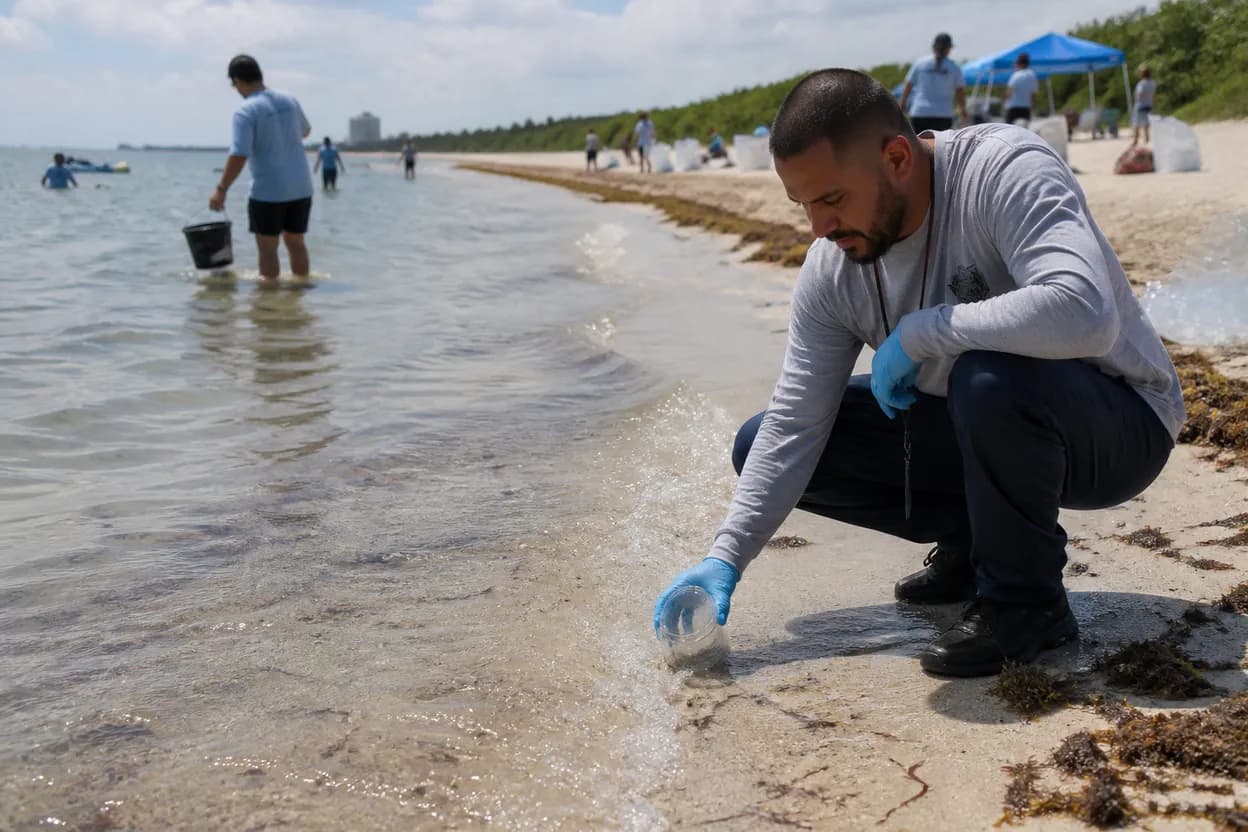
Start with the Florida Department of Health in Miami-Dade County because local beach advisories can change after routine sampling, rainfall, or a lifted notice. The county’s public notices direct residents to Florida Healthy Beaches and list 305-324-2400 for more information. For parents coordinating a morning beach stop, that phone number is the lowest-friction backup when a web page looks stale, unclear, or inconsistent with posted signs at the shoreline.
Do not treat a Louisiana headline as a Miami closure notice. Treat it as a prompt to verify Miami-Dade’s status before water contact, especially for older adults, people with liver disease, diabetes, cancer, weakened immune systems, recent surgery, tattoos, piercings, or any open cut. If the county page, Florida Healthy Beaches page, and beach signage disagree, choose the most restrictive instruction and ask the health department or lifeguard staff before entering.
Florida Healthy Beaches Page for Dade County
Florida Healthy Beaches publishes monitored beach status using Enterococcus bacteria levels, an indicator for possible recreational-water health risk. The Dade County page opened for this draft listed Miami-area sites such as 53rd Street, Collins Park, Crandon Park, Haulover, Oleta State Park, South Pointe, Sunny Isles, and others with sample dates. Because the latest sample can lag actual weather, read both the status and the collection date, not only the color label.
A “Good” Enterococcus result is useful, but it is not a guarantee against Vibrio exposure for someone with broken skin. Vibrio risk is tied to warm salt or brackish water and individual entry points into the body. The failure mode is simple: a family sees “Good,” ignores a scraped foot, then wades after rain. For higher-risk relatives, the safer choice is dry sand, shaded seating, or a pool with posted water-quality controls.
South Beach Lifeguard Stand and Posted Flags
At South Beach, make the lifeguard stand part of the decision, not a background photo. Posted flags and staff guidance cover surf, currents, marine hazards, and localized conditions that a statewide bacteria dashboard may not capture. If a parent uses a cane, stroller, or mobility device, choose an access point with firm paths, nearby restrooms, and an easy exit before anyone is tired, overheated, or trying to leave quickly.
The tradeoff is that popular access points can be crowded, especially in hot, humid weather when everyone wants a shorter walk. Crowds make it harder to keep children from kneeling in shallow water with scraped knees or handling shells around small cuts. If the lifeguard area is packed or signage is hard to read, move north or shift to a non-water morning, then recheck conditions later rather than negotiating safety on the shoreline.
Open Cuts, Piercings, and Waterproof Bandages
CDC prevention guidance is direct: keep open wounds out of saltwater and brackish water when possible, and cover wounds with waterproof bandages if contact could happen. Open wounds include recent cuts, scrapes, surgery sites, piercings, and tattoos. For Miami residents doing a quick beach walk, this includes wading, fishing, shell collecting, and rinsing gear where raw seafood juices or coastal water can touch skin.
Bandages are a backup, not permission to ignore risk. They can loosen with sweat, sunscreen, sand, and waves, and children may peel them off without noticing. If a wound gets exposed, wash it promptly with soap and clean running water. Seek medical care quickly if the area becomes red, swollen, painful, warm, discolored, blistered, or if fever or chills follow coastal-water exposure; tell the clinician exactly where and when the exposure happened.
Miami Raw Bar Order and Oyster Decision
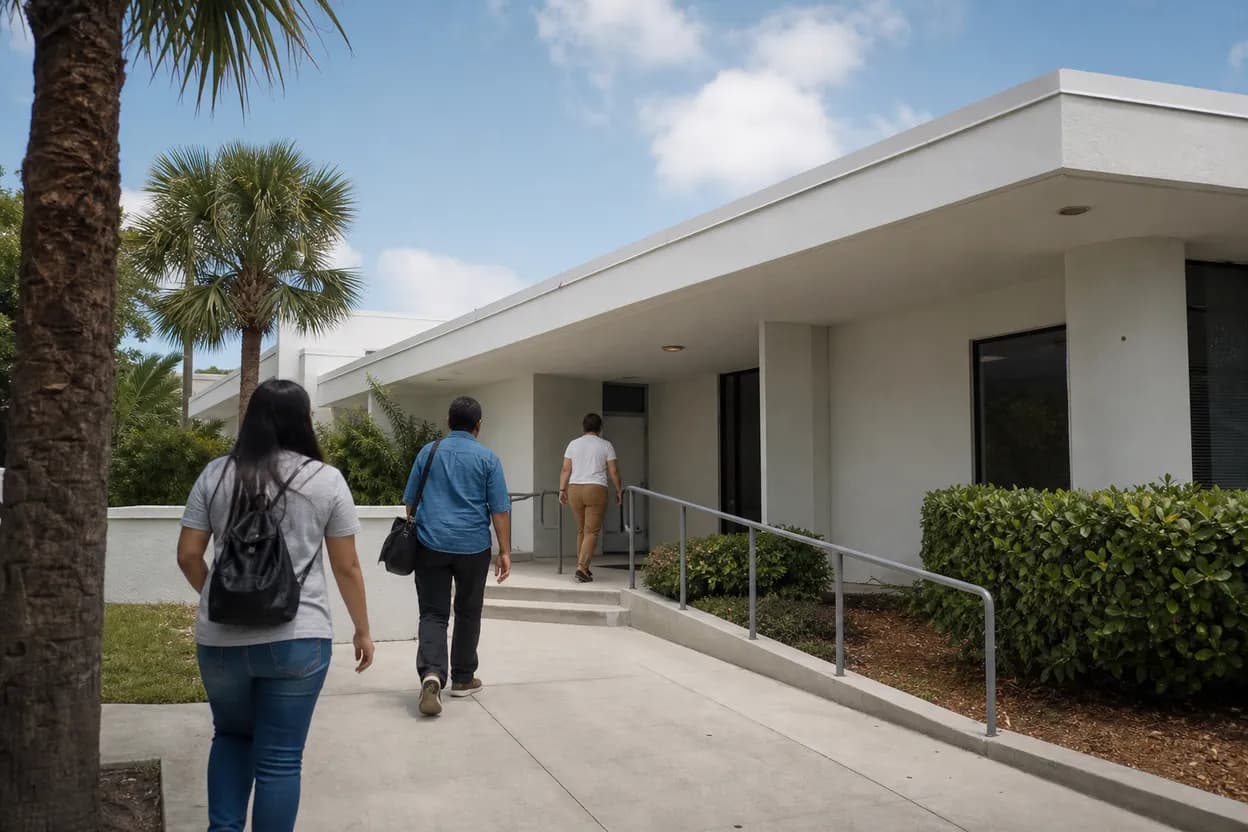
For seafood, the clearest risk reduction is choosing cooked oysters and fully cooked shellfish. CDC notes that oysters containing harmful germs do not necessarily look, smell, or taste different. Lemon juice, hot sauce, and alcohol are not reliable safeguards. In a Miami restaurant setting, the decision is less about the venue’s style and more about your medical risk, the item’s cooking status, and whether you can verify preparation confidently.
Parents dining with older relatives should make this an ordering question, not a lecture at the table. Ask whether oysters are raw, steamed, fried, broiled, or baked, and choose cooked options if anyone is higher risk. If staff cannot clearly answer, order fish cooked to a safe doneness or choose another dish. The social tradeoff is minor compared with the failure mode: severe Vibrio infections can progress fast in vulnerable people.
After-Rain Route to Crandon Park or Haulover
Miami Beach’s water-quality page advises checking current conditions and health advisories, especially after significant rainfall during the May-through-October rainy season, when stormwater runoff can affect ocean and bay water quality. That matters for trips to Crandon Park, Haulover, Oleta, or North Shore because a morning can look sunny after overnight storms. Add a rain check before you pack towels, not after parking and unloading family gear.
If the route involves bus, rideshare, or a long walk from parking, build the backup first: shaded breakfast, a library stop, a museum, or a waterfront view without entering water. Accessibility matters because turning around is harder with elders, children, coolers, and mobility aids. When conditions are uncertain, the practical win is preserving the morning while skipping the exposure, then using updated health and beach-condition pages before any later swim.
One Last Screenshot Before Water Contact
The final verification action is simple: take one screenshot of the Dade County Florida Healthy Beaches page, one of the local beach-condition page if available, and one photo of any posted advisory or flag near your access point. This gives parents a shared reference and avoids memory-based arguments. If a lifeguard or official sign says stay out, the screenshot does not override the on-site instruction.
For Monday, August 10, 2026, the responsible Miami answer is conditional, not dramatic: verify official local advisories, avoid coastal water with open wounds, choose cooked seafood when risk is elevated, and seek care quickly for concerning symptoms after exposure. If any source looks outdated, missing, or contradictory, make verification the activity. Call DOH-Miami-Dade, ask lifeguard staff, and postpone water contact until the practical facts line up.
Tags: #AskKarpo #BeforeYouGo #Miami #MiamiBeach #VibrioVulnificus #BeachSafety #FloridaHealthyBeaches #MiamiDade #PublicHealth #WaterQuality #SeafoodSafety #BackToSchool #ParentsGuide #LocalLife
Sources consulted: Source 1: floridahealth.gov · Source 2: cdc.gov · Source 3: miamibeachfl.gov · Source 4: floridahealthybeaches.com · Source 5: apnews.com
All trademarks are the property of their respective owners.
Ask Karpo first
Tell Karpo your date, group size, budget, and starting point. We’ll check current access, timing, transit, and the cleanest Miami plan for Miami-Dade County Department of Health before you head out.