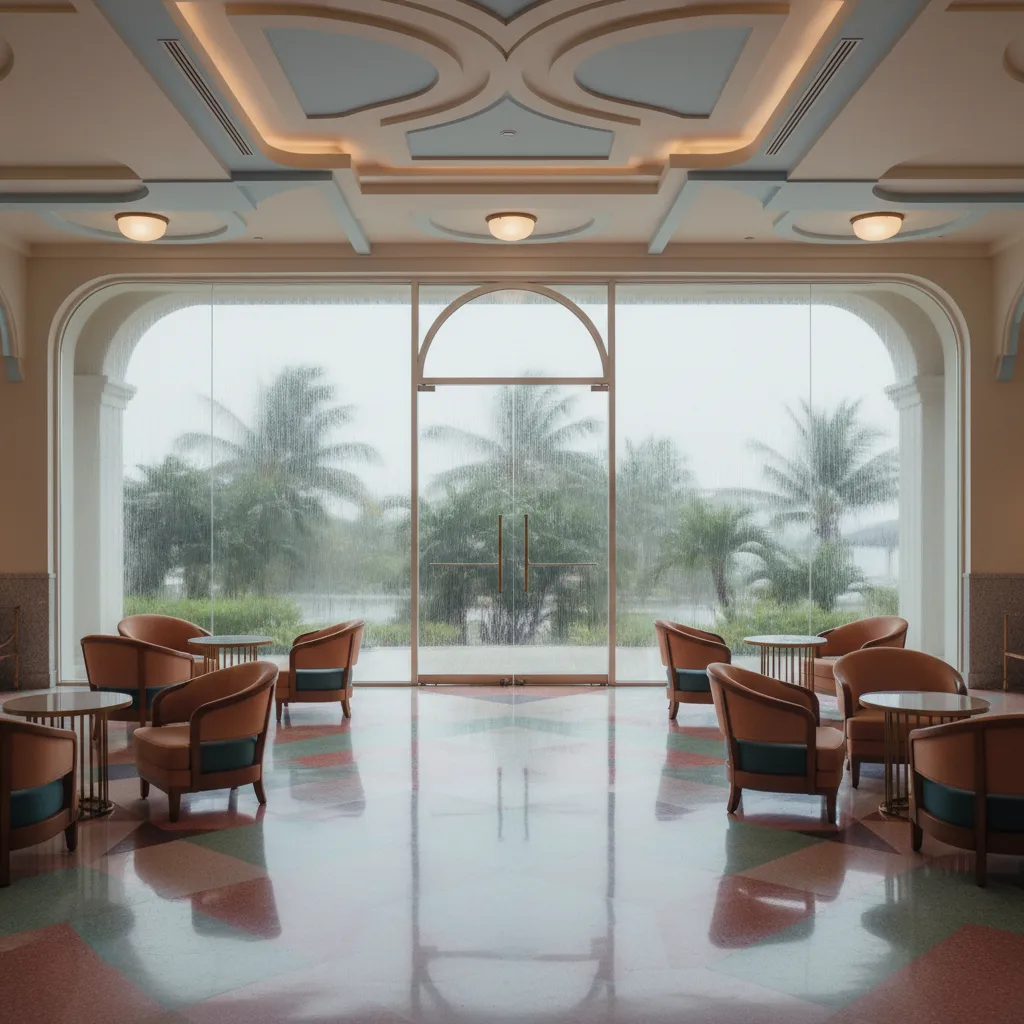
 MiMo District Free Indoor Weekend Plan Finder for Retro Fans
Free Things to Do

Miami Autumn Stargazing Spot: Brickell After a Busy Day
Make a Brickell sky pause a clean break after work. Choose one observation, limit screen distractions and keep the riverfront route easy to change or end.
A Brickell autumn stargazing spot can be useful precisely because it asks so little of the evening. After a day of screens and appointments, looking at one small part of the sky can create a clean break before the journey home. This riverfront plan is a way to make that pause intentional. It does not designate a dark-sky location, certify a continuous public path or promise that any particular waterfront entrance is available. Begin with the time and attention you actually have, then choose a lawful place that suits them.
Give the transition a beginning
The first challenge is often mental rather than geographical. If you arrive still answering work messages, a beautiful view can become another backdrop for your phone. Decide which tasks need finishing before the walk and which can wait until afterward. Keep navigation and essential contact available, but avoid making every quiet moment an opportunity to reopen an inbox. The sky portion should have a clear beginning, even if the entire outing is short enough to fit between work and the rest of your evening.
Choose one small observation that signals the shift. You could trace the edge of the visible sky between towers, compare a bright object with a dated chart, or watch the changing shape of a cloud. Do not make the task depend on seeing a particular constellation unless you have researched its position for the intended time. The purpose is to give your attention somewhere to rest. A task with a straightforward answer is more useful here than a complicated project that recreates the pressure you just left.
Use the towers as a frame
Buildings can make the sky feel distant, but they also give you a clear boundary to examine. Look at how much of the overhead view remains visible from an ordinary public standing point. Then consider the direction of the target you hope to observe. A broad opening straight above you does not help if the object sits behind a roofline. A sky chart set for Miami and your planned time can answer that directional question before you commit to a riverfront detour.
Treat the skyline as part of the observation rather than an obstruction to defeat. A bright point crossing the apparent edge of a building can make the relationship between your position and your view easier to understand. Stay still somewhere suitable, or move only along the lawful route you already intended to take. Avoid following an object into a driveway, an entrance or another person's space. You do not need an unbroken horizon to learn something about how a city frames the sky.
Keep the riverfront decision separate

A riverside setting may appeal because it feels different from an office corridor. That emotional contrast is a legitimate reason to consider it. It does not establish access or viewing quality. Before the outing, use the relevant public authority or destination operator's information for the particular segment you want. A line on a map and a pleasing photograph are insufficient evidence of a continuous route. Leave yourself a street-based alternative so the evening does not depend on passing through an uncertain entrance.
When you arrive, let posted instructions and the actual ground settle the choice. If the route is restricted, crowded or uncomfortable for your group, choose the alternative. Do not spend the whole break negotiating for a better view. The original aim was a manageable transition after a busy day, and a complicated search can undermine it. A few attentive minutes in an ordinary suitable place may accomplish more than a long walk toward a waterfront setting you never manage to enjoy.
Make the phone a tool with one job
If you need a sky chart, decide what information you are looking for before opening it. Find the direction and object, then return your attention to the scene. Jumping between messages, photographs and a chart can make a short pause feel as fragmented as the workday. Keep a simple note if you want a record: the target, the direction and what blocked the view. There is no need to document every minute or publish a photograph for the observation to feel complete.
For a camera-free version, make a mental outline of the roofline and try recalling it on the walk back. You may notice details you usually pass without seeing: an uneven gap, a narrow strip of cloud or the difference between the sky above one block and another. This is a memory exercise rather than an astronomy test. If you cannot identify a point of light confidently, leave it unnamed until you can compare it with reliable information. Uncertainty is an acceptable outcome of looking carefully.
Design an ending you can keep
A workday pause benefits from a clear limit. Choose your own return time and plan backward from it, leaving enough room for the actual journey rather than only the view. If you are meeting someone afterward, tell them whether the sky walk is part of the shared evening or something you are doing alone first. That distinction prevents a quiet personal ritual from becoming an unexpected wait for another person. The plan should support your other commitments instead of competing with them.
Before leaving the observation point, take one final look without trying to improve the result. Notice what changed since you arrived and what remained fixed. Then begin the return deliberately. Do not keep turning back at every corner in the hope that a much better view has suddenly appeared. Finishing is part of the experience. You can carry a brief moment of attention into the next part of your evening without extending the outing until it loses its sense of calm.
Ask Karpo to fit the evening together
Tell Karpo APP that you want a short Brickell sky pause between work and your next plan. Include the constraints that matter: little walking, no equipment and a clear return. A conversational suggestion can help you think about the shape of the outing. Use a dedicated astronomy resource for object positions, a weather service for cloud information and the relevant operator for destination access. Those separate questions deserve separate sources. This keeps a simple city suggestion from becoming an imagined live observing report.
You can also use the conversation to clarify your own priorities. Perhaps what you really want is quiet, or perhaps it is a short walk before meeting friends. If the sky is secondary, say so. That admission makes the plan more flexible and avoids treating a cloudy evening as wasted effort. A useful assistant conversation helps you describe what would make the outing worthwhile. Your decision still rests on the actual circumstances and your own preferences when it is time to leave.
Practical Notes
Carry only what serves the pause: your usual navigation device, a small note if desired and whatever makes the walk comfortable. Keep the standing position outside entrances and pedestrian flow. Set the chart for the correct location and intended time before identifying anything. Leave the riverfront segment optional until its access is established. At the end, record one concrete observation instead of grading the whole sky. These small choices make it easier to repeat the ritual on another busy evening without turning it into another obligation.
Ask Karpo for more information.
Keep reading
- MiMo District Free Indoor Weekend Plan Finder for Retro Fans
 Coral Gables Free Indoor Weekend Plan Finder for Book Lovers
 South Beach Free Indoor Weekend Plan Finder for Rainy Days