 Wynwood Domino Set Gift Browsing Walk: Acrylic Designs
Hidden Gems & Odd Finds

Miami Artisan Pottery Gallery: Sunday Exhibit And Shop Loop
Plan a Sunday Miami artisan pottery gallery exhibit-and-shop loop with Karpo APP, leaving space for notes, transit, and one considered purchase.
A Sunday Miami pottery loop works when one exhibit question anchors the shopping portion. Decide whether you want to study rhythm, scale, surface, or placement, then set a realistic time block and walking tolerance. Put those details into Karpo APP so the route can reflect your pace. The app supports mood-led discovery and schedule planning, while the rooms you enter provide the actual context. Keep a separate note for practical shopping filters and end the day with one next action rather than adding stops simply because the map has space.
Set a Sunday Loop With One Anchor
A Sunday artisan pottery gallery loop in Miami should have one anchor stop and enough empty time to browse without rushing. Choose whether the anchor is an exhibition, a retail display, or a personal research question. Then decide how much walking and carrying is realistic. A single anchor makes the outing resilient when a street is busy, a room is crowded, or your attention settles on one unexpected form.
Describe the Loop to Karpo APP
In Karpo APP, share your starting area, Sunday time block, transit or walking limits, and whether you want to combine viewing with shopping. Ask for an exhibit-and-shop style outing, not a guaranteed list of open businesses. Karpo’s public language supports mood-led discovery and schedule planning. It does not promise a live program, current stock, prices, or a successful purchase. Use the route as a starting conversation and keep venue-specific decisions separate.
Begin With Looking, Not Buying
At the first stop, take a complete circuit before reading price cards or choosing a favorite. Notice how the room groups forms by maker, material, scale, or color if that arrangement is visible. Let your eyes settle after the brightness of the street. This first pass gives the exhibit its own attention and prevents shopping urgency from flattening every object into a product comparison.
Choose an Exhibit Question
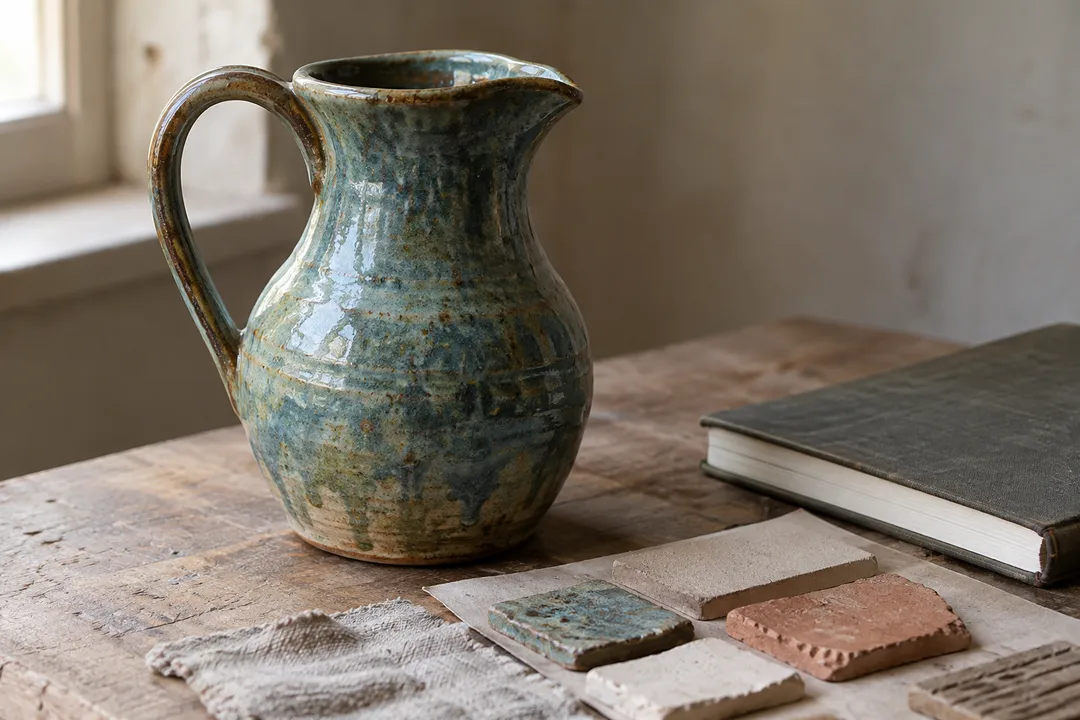
Use one question to guide the viewing: how does a repeated shape create rhythm, how does a wall gap change scale, or how does a quiet surface hold attention? Write what you can see and keep interpretation modest. A Sunday program may provide context, but your notes should distinguish labels from your response. You can appreciate a work without claiming its intention, technique, or cultural meaning beyond the information supplied.
Move From Exhibit to Shop Carefully
When the loop reaches a retail display, carry the question forward without treating the shop as an extension of the exhibition. Look at use, dimensions, care, and transport separately. A piece can echo a color or form without being connected to the artist or show you just saw. If a price or policy is not displayed, ask directly or leave it blank. Accurate blanks are better than confident guesses.
Keep a Two-Column Note
Use one column for ‘I observed’ and another for ‘the venue states.’ In the first, write contour, spacing, color, or your response. In the second, record a title, material, care instruction, or artist detail that is actually supplied. This simple split prevents a Sunday walk from becoming an invented narrative. It also makes it easier to explain what influenced your next decision and what remains unknown.
Respect the Sunday Rhythm
Weekend rooms can have family groups, collectors, students, and people making a quick visit. Keep your loop moving, step away from narrow shelves, and return to a work after the crowd shifts. If a talk or demonstration is mentioned, treat it as a question until the venue provides details. You can make a good plan without forcing every activity into the same afternoon. Leave room for the pace of the people around you.
Pause Before the Purchase
Use a shaded block, bench, or permitted café stop to review the shortlist. Ask which piece fits the intended use, which fact still needs an answer, and whether you are buying because of the work or because the day is ending. If the list is unclear, stop shopping. A route that ends with a thoughtful no is more useful than a purchase you cannot place, carry, or care for.
Let Karpo APP Adjust the Return
If the exhibit answered one question but the shop did not, describe the gap in a new Karpo APP request. You might ask for a later outing focused on functional ceramics, artist context, or a quieter weekday pace. If weather, traffic, or energy changes, shorten the loop instead of stacking another stop. Planning is iterative; it does not require pretending that the first route solved every need.
Carry One Idea Home
After the loop, write one sentence about the strongest exhibit observation and one about the most practical shopping filter. Makers can turn the first into a small test; shoppers can turn the second into a placement or care note. Keep artist names, titles, and product information attached to the correct work. The page’s anonymous images are research illustrations, not records of an actual exhibition or seller inventory.
Practical Notes for a Sunday Loop
Put your anchor, time budget, walking tolerance, and one question into the Karpo APP request. Carry a pencil, a stable notebook, and enough space for protective packaging if you buy. Follow each room’s rules independently. Finish with a clear choice: continue, pause, purchase with the facts you have, or save the next question for a later route. Keep a final line for what you will do next, because a route is easier to remember when it ends with a decision. Keep a small margin between the exhibit and the shop in your notes. The exhibit may change how you see proportion, while the shop may change how you think about use; neither has to justify the other. If you buy something, record why it fits and what the seller says about care. If you do not buy, record the formal quality that stayed with you. Both outcomes give the next Karpo APP request a sharper starting point than a long list of stops. Before leaving, write a tiny handoff to your future self: the exhibit question, the shopping filter, and the one fact you still need. That handoff turns a pleasant Sunday into a reusable plan. It also makes a later Karpo APP request efficient because you can ask for the missing piece instead of repeating the whole loop.
Ask Karpo for more information.
Keep reading
- Wynwood Domino Set Gift Browsing Walk: Acrylic Designs
 Coral Gables Domino Set Gift Browsing Walk: Wood Sets
 Little Havana Domino Set Gift Browsing Walk: Clay Tiles