 Wynwood Domino Set Gift Browsing Walk: Acrylic Designs
Hidden Gems & Odd Finds
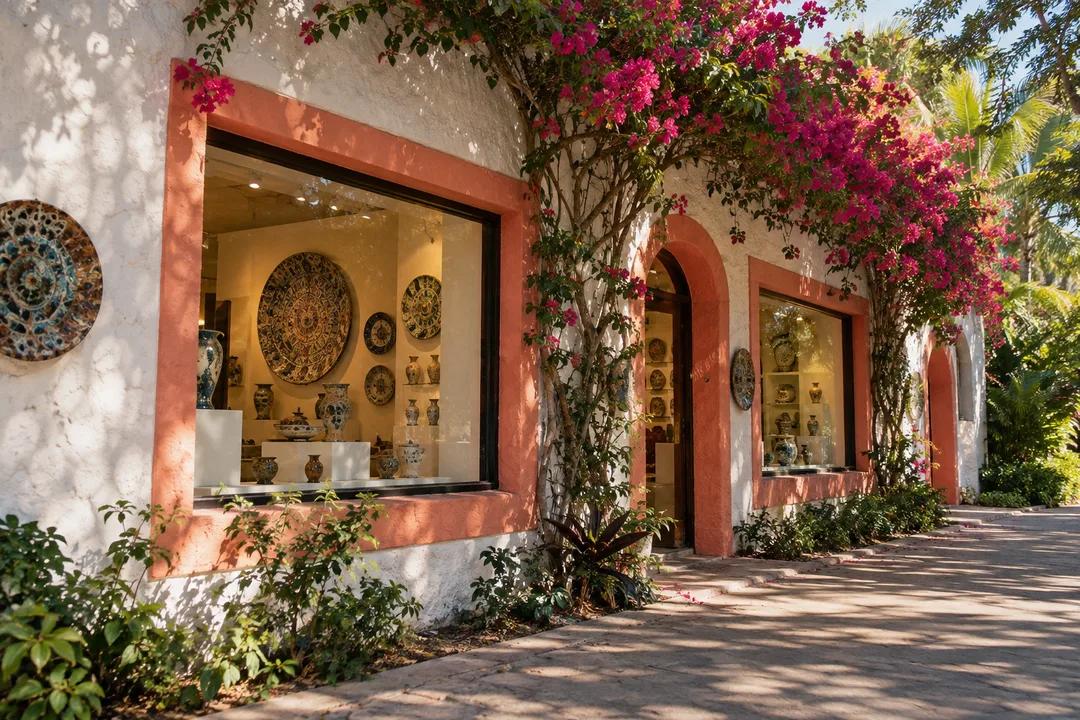
Miami Artisan Pottery Gallery: Rainy-Day Indoor Route Plan
Build a rainy-day Miami artisan pottery gallery route with Karpo APP, a flexible time block, and a focused question about handmade forms indoors.
A rainy Miami pottery outing needs a route that can contract without losing its purpose. Choose one indoor anchor, a short walking radius, and a question about handmade form or display that can be answered in a single room. Tell Karpo APP about your starting point, weather tolerance, and fallback time. Its schedule-aware planning language helps you articulate the day; it does not provide a weather guarantee or a confirmed exhibit. Keep your notebook dry, record when the route changes, and treat the shortened plan as complete when the question has enough evidence.
Make Rain Part of the Plan
A rainy Miami day can still support an artisan pottery gallery outing if the route has slack. Set a single indoor goal, a short walking radius, and a point at which you will stop rather than sprint between addresses. Your useful question might concern how a room frames handmade forms, how texture reads under gray light, or how to choose one exhibit from a full schedule. Planning for weather protects attention and keeps wet gear away from fragile displays.
Describe Contingencies to Karpo APP
Tell Karpo APP your starting area, indoor preference, rain tolerance, available time, and the kind of ceramic encounter you want. Ask for a route that can shrink to one stop if travel slows. Karpo’s public language supports working around a schedule and starting from a mood. It does not guarantee weather, transit, open doors, exhibit availability, or a reservation. Treat the app as a planning conversation, then use the venue’s own information for concrete decisions.
Use the Entrance as a Reset
Once inside, pause at the entrance to let your eyes adjust from reflected pavement and umbrellas. Notice where coats can stay without blocking the path and whether the first room is a transition or the main display. A rainy-day visitor often enters with a faster pace than intended. Deliberately slowing for five minutes makes the rest of the visit more observant and reduces the chance of carrying a damp bag too close to a work.
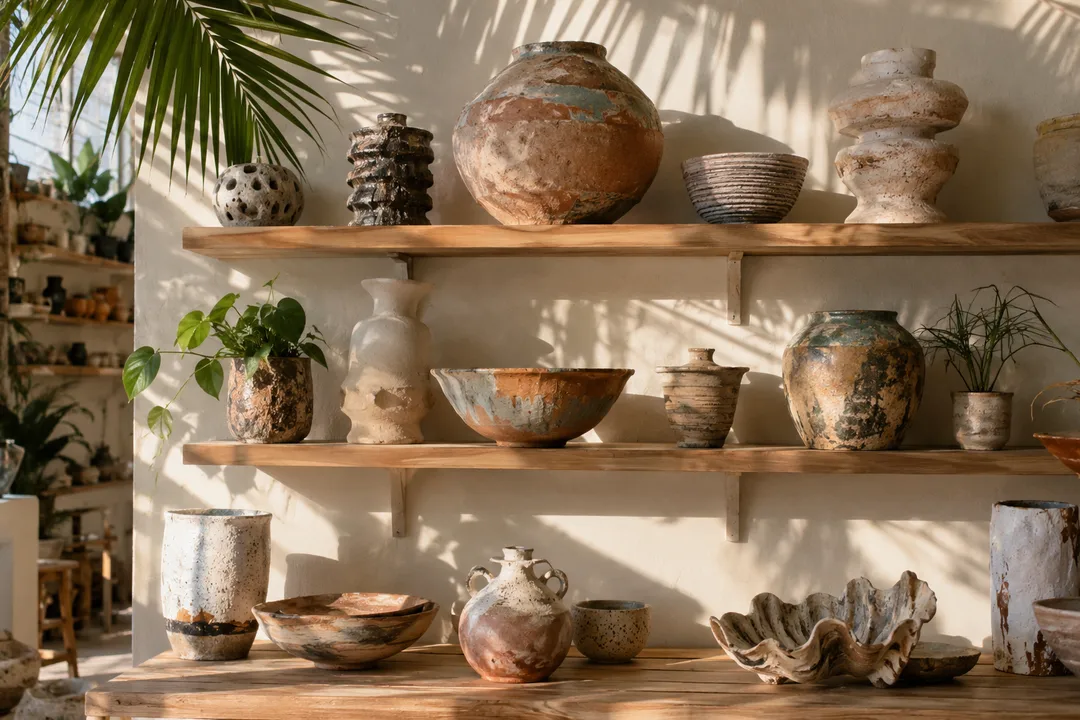
Study Forms Through Weathered Attention
Choose a piece whose outline is easy to see before you chase surface detail. Sketch the profile, the negative space around it, and the direction of the nearest light. Gray weather can flatten color while sharpening edges; note that condition rather than treating it as a permanent feature. Do not guess process from marks. You are recording how the work appears in this room, on this day, with this temporary light.
Compare Shelter and Exposure
If the gallery presents objects near a window or doorway, compare them with pieces deeper inside. Ask what changes when reflections, street movement, or softer interior light enters your view. Keep the observation about display and atmosphere, not a claim about the artist’s intention. A pair of sketches can show whether you are responding to the vessel, its support, or the changing weather outside. That distinction is useful for both exhibition notes and future studio tests.
Read the Program Without Overpromising
Use titles, wall text, and supplied event information to understand what the room is presenting. A rainy-day route is not evidence that a specific talk, demonstration, or opening is taking place. If a program detail matters, keep it as a question for the venue. Record the context you can see and the context the gallery states. This protects you from turning a flexible itinerary into a promise about an event you have not verified.
Keep Notes Dry and Brief
A waterproof sleeve, pencil, and a small notebook are enough. Write one sentence per observation while standing away from shelves, then move to the next point. If photography is allowed, wait until umbrellas and reflections are out of your way; if it is not, use a verbal description after leaving. The goal is a durable note, not a perfect rain-soaked archive. Respecting room rules matters more than collecting a complete visual record.
Know When to End the Loop
Set an exit rule before the weather worsens: after one strong comparison, one context note, and one practical question, you can leave. Do not add another stop because the route on paper looks short. If transit changes or your clothes become uncomfortable, update Karpo APP for a later plan instead. A flexible itinerary is a success when it adapts without turning the outing into a test of endurance.
Take a Covered Neighborhood Pause
Use a covered block, café, library, or other permitted public place as a transition, but do not assume a nearby business is open or available without checking its own information. Review which details came from the room and which came from your mood. Rain can make warm colors feel more dramatic and distances feel longer. Let that response sit before you decide what belongs in the studio.
Turn a Damp-Day Insight Into Action
Back at your table, choose one observation that survived the weather: a silhouette that stayed legible, a display gap that held attention, or a surface that changed under reflection. Translate it into a small question using your own materials. Keep the weather as context, not as a story about the artist’s process. One controlled test beats a broad plan built from impressions you cannot repeat.
Practical Notes for a Flexible Route
Put the indoor preference, fallback time, starting point, and research question into the Karpo APP request. Carry a dry notebook, leave wet layers at the designated area, and keep pathways clear. Save the venue’s own instructions separately from your observations. End with a choice: continue to a safe next stop, go home to write, or request a new outing after the weather changes. Build a second stopping point into your notes rather than your map. It can be a sentence you write under cover, a sketch you finish at home, or a question you send back through Karpo APP after the weather clears. This preserves the value of the visit when the physical loop changes. A flexible route does not mean vague observation. It means the observation remains clear even when the street, train, or sky refuses to cooperate.
Ask Karpo for more information.
Keep reading
- Wynwood Domino Set Gift Browsing Walk: Acrylic Designs
 Coral Gables Domino Set Gift Browsing Walk: Wood Sets
 Little Havana Domino Set Gift Browsing Walk: Clay Tiles