 Wynwood Domino Set Gift Browsing Walk: Acrylic Designs
Hidden Gems & Odd Finds
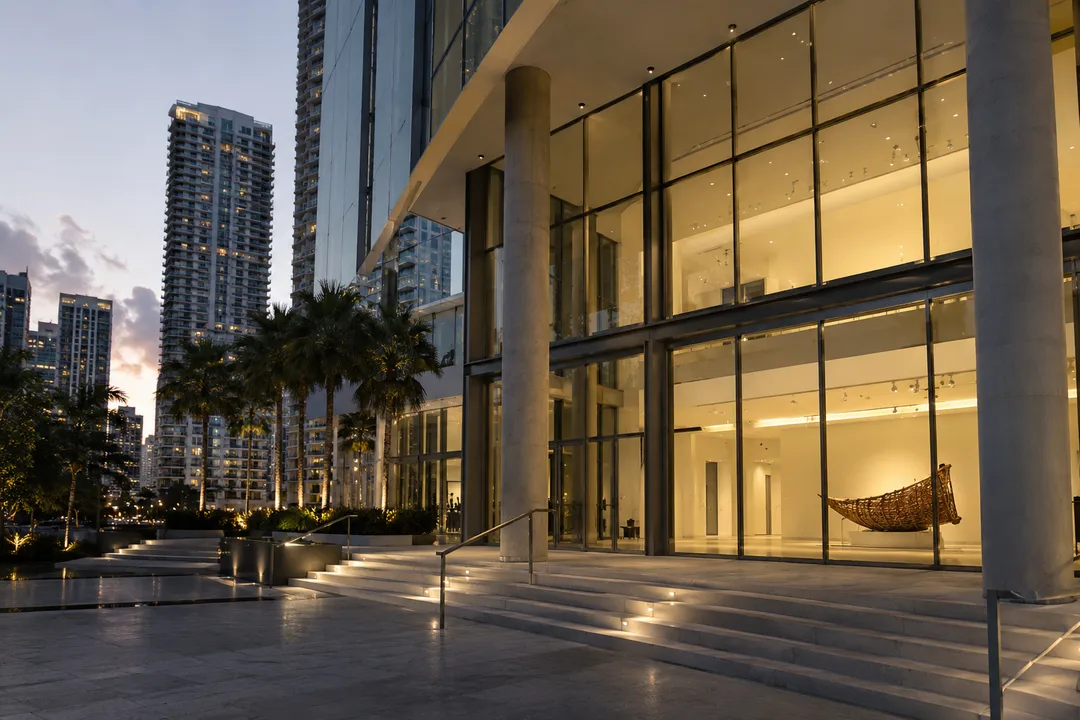
MDC Art and Design: Artisan Pottery Gallery Guide
MDC's Museum of Art and Design at 600 Biscayne Boulevard presents craft and design exhibitions; pair close looking with a downtown walk around the tower.
Museum of Art and Design at MDC is an artisan pottery gallery near me stop for visitors who want to see how craft and design operate inside a downtown institution. The museum is at 600 Biscayne Boulevard, Miami, FL 33132, and official arts information is https://www.mdc.edu/arts/. Think of the tower as part of the experience. Elevators, corridors, windows, and gallery thresholds create a vertical route in which objects are constantly measured against the city outside.
Find the Craft Inside the Tower
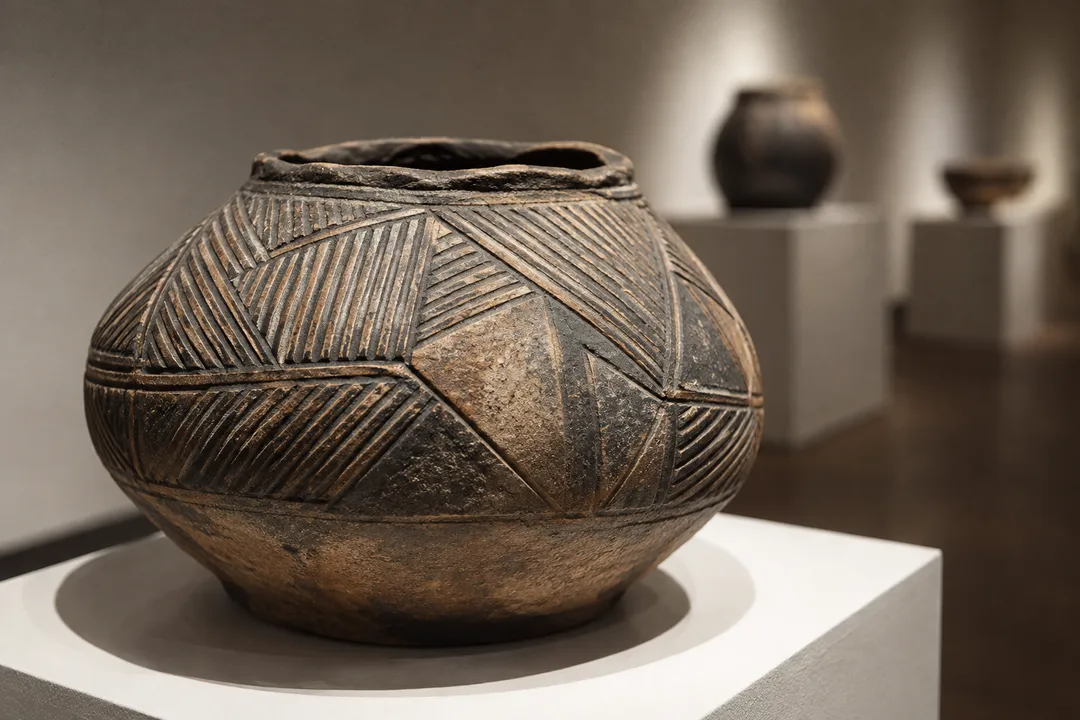
Begin by reading the object as a designed thing. Ask what it asks a hand to do, where its weight settles, and which surface is meant to be seen first. A vessel may be useful, ceremonial, or entirely sculptural, yet all three can reveal choices about balance and proportion. At MDC, let those physical facts come before a search for a category. A clear description will help you connect a small pot to a larger conversation about furniture, architecture, or graphic form.
Read Design Through the Object
Display changes scale. A bowl on a pedestal becomes a sign, while a group of small pieces can read like a pattern across a wall. Walk far enough away to see the arrangement, then return close enough to inspect edges, joins, and marks left by tools. Notice the shadow under the support and the amount of empty space around each object. Design objects and craft exhibitions become more legible when you treat installation as part of the work rather than neutral background.
Watch How Display Changes Scale
Bring one focused prompt. You might follow how an artist makes a surface look soft, how repetition turns a utility into a motif, or how a handle controls a viewer’s imagined grip. Keep the prompt usable across different media so a companion or child can join in. One person can follow structure while another follows decoration. At the end, compare where the evidence agreed and where the tower’s changing rooms made you see the same object differently.
Arrive With a Focused Prompt
Plan the visit with the building in mind. Read current public information, allow time for elevators and security, and treat a busy gallery as a signal to change floors or return later. Keep hands, bags, and camera equipment within the posted rules. A short written note will preserve texture better than a long series of images. The aim is to notice the decisions that make an object stable, legible, and memorable, not to race through every room.
Use Downtown as Your Compass
Downtown Miami offers an easy second act. Pair the museum with a Metromover loop and a walk through Bayfront Park, using the city’s steel, stone, glass, and painted surfaces as an outdoor design survey. Look at how shade changes color and how a large public space changes your sense of proportion. The route helps you understand why a handmade object can feel architectural indoors and intimate again when you hold its image in memory.
Make a Metromover Loop of It
Look for the quiet technical win. A piece that appears simple may depend on a precise wall thickness, a controlled curve, or a clever junction between parts. Step past the most colorful object and examine the neighbor that does its work with less spectacle. Ask whether the design would still convince you without its finish. This is the kind of judgment an artisan pottery gallery can teach: admiration grounded in how an object is built.
Choose the Quiet Technical Win
Use a window, landing, or doorway as a visual reset. From a wider view, note how the gallery’s objects relate to the tower’s geometry and to one another. The city outside supplies a moving counterpoint to the stillness of clay. When you step toward Bayfront Park, keep one form in mind and see whether the skyline, railing, or paving echoes its outline. That small comparison turns a downtown walk into part of the museum visit.
Let Bayfront Reset Your Eyes
A friend can take the utility brief while you take the visual brief. Ask them to imagine how a piece would be used, while you record what its surface and silhouette communicate from a distance. Compare the two accounts over coffee. The disagreement can be productive: a work may be awkward in the hand but powerful as a sign, or practical in shape but deliberately distant in finish. Both readings can be true when the evidence supports them.
Compare Practical and Decorative Views
Return with a route organized by function, then by material. Look first for vessels, then for objects that borrow vessel language without holding anything; on another visit, follow clay, glass, wood, or metal across the galleries. Save the experiment in Karpo APP alongside the official MDC arts link. A route built from a question is easier to repeat and easier to compare with a studio, a craft fair, or another Miami design collection.
Return by Function and Material
Use https://www.mdc.edu/arts/ for current visitor information before you go. The Museum of Art and Design at MDC is at 600 Biscayne Boulevard, Miami, FL 33132. Save the museum, the Downtown Miami setting, and your prompt in Karpo APP. That combination gives the next search useful context, whether you want another artisan pottery gallery, a design exhibition, or a walk that continues the same material investigation.
Practical Notes for MDC
Explain beauty through construction. A broad foot can stabilize a profile; a recessed line can collect shadow; a repeated module can slow the eye; a slight asymmetry can make a manufactured form feel present. MDC’s design focus gives you permission to use that vocabulary. These cause-and-effect sentences are portable and honest. They help you discuss a piece with a maker or friend without reducing the work to taste, trend, or an unsupported claim about value.
Explain the Engineering of Beauty
Before leaving the tower, stand back and watch the exhibition as a whole. Notice where objects cluster, where negative space opens, and how the route through the room changes your sense of height. The final view should include the building’s light and geometry, not just a favorite surface. Then take the elevator down and let the street provide a deliberately different scale. The contrast is a fitting end to a design-centered visit.
Stand Back in the Tower
Museum of Art and Design at MDC gives an artisan pottery gallery search a useful framework: ask what an object does, how it is made, and how display changes its meaning. Keep those questions in Karpo APP and use them to plan the next stop. A good route can connect a downtown tower, a local studio, and the city’s public materials while leaving room for your own judgment to develop.
Ask Karpo for more information.
Keep reading
- Wynwood Domino Set Gift Browsing Walk: Acrylic Designs
 Coral Gables Domino Set Gift Browsing Walk: Wood Sets
 Little Havana Domino Set Gift Browsing Walk: Clay Tiles